
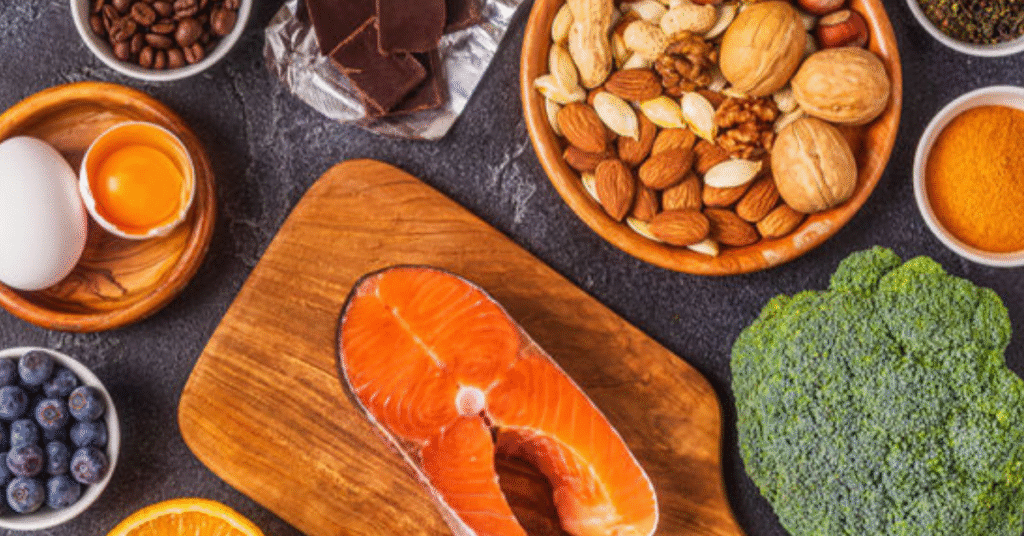
1. Dark Chocolate
Dark chocolate is renowned not only for its indulgent taste but also for its mood-enhancing properties. Rich in flavonoids, dark chocolate can significantly elevate mood by promoting the release of endorphins, the body’s natural feel-good hormones. Additionally, it contains serotonin, a neurotransmitter associated with feelings of happiness and well-being. The higher the cacao content in dark chocolate, the more beneficial compounds it typically contains. For those seeking to improve their mood naturally, incorporating dark chocolate into their diet can be both enjoyable and effective.
There are various types of dark chocolate available, classified primarily by their cacao content. Generally, dark chocolate contains between 50% to 90% cacao. Chocolates with higher cacao percentages (70% or above) are particularly beneficial; they not only possess a richer flavor but also provide a greater concentration of flavonoids and other mood-boosting compounds. When selecting dark chocolate, consumers should aim for products that list cocoa as the first ingredient and have minimal added sugars and fats, ensuring that the health benefits are maximized.
For optimal mood enhancement, moderation is key. A typical recommended serving size is about one ounce (28 grams) of dark chocolate per day. This amount is sufficient to reap the benefits without overindulgence. Additionally, pairing dark chocolate with nuts or fruits could enhance its nutritional profile, making for a delectable and healthful snack. As with any dietary change, it is advisable to listen to your body and assess how it responds to the introduction of dark chocolate, ensuring it complements an overall balanced diet focused on mood improvement.
2. Fatty Fish
Fatty fish, such as salmon, mackerel, and sardines, are increasingly recognized for their significant contributions to both brain health and mood regulation. These fish are rich in omega-3 fatty acids, which play a crucial role in maintaining mental well-being. Omega-3 fatty acids, particularly EPA (eicosapentaenoic acid) and DHA (docosahexaenoic acid), are essential fats that our bodies cannot produce and must be obtained through diet.
Research suggests that omega-3 fatty acids can help combat depression and anxiety, conditions that affect millions of individuals worldwide. A diet rich in these beneficial fats is associated with lower levels of depression. Various studies indicate that increased omega-3 intake is linked to improved mood stabilization and emotional resilience. As part of a balanced diet, incorporating fatty fish may also aid in enhancing cognitive function, contributing to overall mental wellness.
When considering which types of fish to consume, salmon stands out due to its high EPA and DHA content. Mackerel is another excellent choice, being not only delicious but also packed with essential nutrients. Sardines are often less recognized but are equally beneficial, providing a convenient and cost-effective source of these vital fatty acids. It is generally recommended to include fatty fish in your meal plan at least two to three times a week to maximize their mood-enhancing benefits.
In summary, fatty fish are a powerful ally in promoting mental health. By prioritizing these nutritious sources, individuals can take proactive steps towards enhancing their mood and overall mental clarity, fostering a foundation for a healthier lifestyle.
3. Berries
Berries, including blueberries, strawberries, and raspberries, stand out as one of nature’s most beneficial foods when it comes to enhancing mood and wellbeing. Rich in antioxidants, vitamins, and essential nutrients, these small yet powerful fruits can significantly contribute to emotional health. The presence of compounds such as flavonoids and vitamin C in berries plays a crucial role in reducing stress and anxiety levels. Research has shown that these antioxidants can combat oxidative stress, which is often linked to mood disorders.
Blueberries, in particular, are high in anthocyanins, the pigments responsible for their deep blue color. These phytochemicals have been associated with improved cognitive function and can help to alleviate feelings of depression. Strawberries offer a high concentration of vitamin C, known for its ability to lower cortisol levels, a hormone that spikes during times of stress. Meanwhile, raspberries provide a rich source of fiber, which supports gut health; a well-functioning gut is increasingly recognized for its connection to mental health through the gut-brain axis.
Incorporating berries into your daily meals can be both easy and enjoyable. Adding a handful of blueberries to your morning oatmeal or yogurt can offer a nutritious start to the day. Striking a balance between taste and health, strawberry smoothies provide a refreshing beverage option that can be enjoyed anytime. Additionally, raspberries can be sprinkled over salads or blended into sauces to add a touch of sweetness while boosting emotional wellbeing.
To maximize the mood-lifting benefits of berries, strive for a variety of colors and types, as each berry brings unique nutritional advantages. By including these vibrant fruits in your diet, you harness the potential to naturally enhance your mood and overall mental health.
4. Nuts and Seeds
Nuts and seeds are increasingly recognized for their potential to enhance mood and emotional well-being. Packed with healthy fats, fiber, and proteins, these small yet nutrient-dense foods have been linked to better mood regulation. Among the variety of options available, almonds, walnuts, chia seeds, and pumpkin seeds stand out for their beneficial properties.
Almonds, for instance, are a rich source of vitamin E, magnesium, and antioxidants, which contribute to a reduction in feelings of anxiety and depression. Walnuts, on the other hand, contain alpha-linolenic acid (ALA), an omega-3 fatty acid that has been associated with improved mood and cognitive function. Chia seeds are also an excellent option, as they are packed with fiber, protein, and omega-3s, making them a powerful addition to any diet aimed at promoting mental wellness. Lastly, pumpkin seeds provide zinc, which is crucial for regulating mood and combatting anxiety, as well as healthy fats necessary for optimal brain health.
Incorporating nuts and seeds into your daily meals can be simple and enjoyable. One effective approach is to use them as toppings for salads or yogurt, adding not just a nutritional boost but also a delightful crunch. Another practical idea is to create a nut and seed trail mix, combining different varieties for a snack that is both satisfying and energizing. For those who prefer to incorporate these foods into meals, consider blending nut butters into smoothies or oatmeal, or sprinkling seeds in baked goods.
By adding a handful of nuts or seeds to your diet, you can improve your overall mood while enjoying a variety of flavors and textures. Their nutrient profiles not only provide sustainable energy throughout the day but also contribute to emotional balance. Thus, they should be considered a valuable component of a balanced diet aimed at enhancing mood and well-being.
5. Leafy Greens
Leafy greens, particularly spinach, kale, and Swiss chard, are often hailed for their myriad health benefits, especially their rich content of folate. Folate, a B-vitamin, plays a significant role in the synthesis of neurotransmitters, which are crucial for regulating mood. Studies have shown that adequate folate levels may help in reducing symptoms of depression and contribute to an overall positive emotional state. Including these nutrient-dense vegetables in your diet can serve as a proactive strategy for mood enhancement.
The importance of incorporating leafy greens extends beyond their mood-boosting capabilities. They are low in calories, high in dietary fiber, and packed with essential vitamins and minerals. Regular consumption may promote not only mental well-being but also physical health, leading to improved energy levels and better overall functioning. Moreover, formal research indicates a correlation between higher folate intake and a lower incidence of depressive disorders. Therefore, prioritizing these vegetables can be an important aspect of a balanced diet aimed at enhancing mental wellness.
For those looking to add more leafy greens into their meals, there are undoubtedly numerous easy and delicious recipes to explore. A simple spinach salad with vinaigrette dressing can be a refreshing starter or snack. Another popular option includes sautéing kale with garlic and olive oil, adding a satisfying side dish to any meal. Smoothies made with Swiss chard or kale can also be a creative way to sneak in these greens, blending them with fruits like bananas or berries to mask their flavors. Ultimately, integrating leafy greens into one’s diet is a small yet significant step towards improving mood and maintaining mental health.
6. Fermented Foods
Fermented foods have gained considerable attention in recent years as a means to boost overall health, and their impact on mood is particularly noteworthy. Items like yogurt, kefir, kimchi, and sauerkraut are rich in probiotics, which are beneficial bacteria that contribute to gut health. Research shows that a healthy gut microbiome plays a significant role in emotional regulation and mental wellbeing, creating a profound connection often referred to as the gut-brain axis.
The gut-brain axis is a complex communication network linking the gastrointestinal system with the brain. This relationship highlights how the health of the digestive system can influence mood and mental clarity. Studies indicate that a diverse and balanced gut microbiome can help decrease levels of anxiety and stress while promoting a more positive mood. Probiotics found in fermented foods are essential for maintaining this gut balance, facilitating the production of neurotransmitters like serotonin, which is known to affect mood. In fact, nearly 90% of serotonin is produced in the gut, underscoring the importance of gut health in mood regulation.
When incorporating fermented foods into your diet, selecting high-quality options is critical. Look for products that specify the presence of live cultures on the label, as these are the beneficial bacteria necessary for mood enhancement. Additionally, consider making your own fermented foods at home, which allows for personalization and control over ingredients. For example, yogurt can be prepared using milk and a yogurt starter culture, while kimchi can be made from a variety of vegetables, spices, and fermented in jars. This DIY approach not only improves gut health but also introduces delicious flavors and nutrients into your diet.
Incorporating fermented foods into your daily routine—whether through snacks, meals, or beverages—can pave the way for a more balanced mood and an overall healthier lifestyle. The synergy between gut health and emotional wellbeing is a compelling reason to consider these foods as a natural means to improve mood.
7. Whole Grains
Whole grains are a vital component of a balanced diet, offering a plethora of health benefits that extend beyond physical well-being. Foods such as quinoa, brown rice, barley, and whole wheat are not only rich in essential nutrients but also serve as a source of slow-releasing carbohydrates. These carbohydrates play a significant role in maintaining stable blood sugar levels, which is crucial for overall mood stability.
When we consume whole grains, they provide a steady release of glucose into the bloodstream. This gradual release prevents the fluctuations often associated with refined carbohydrates, which can lead to sudden spikes and drops in blood sugar. Such fluctuations are known to affect mood negatively, potentially leading to irritability and fatigue. In contrast, adhering to a diet rich in whole grains can promote a more balanced mood by providing a sustained energy source. As a result, individuals may find themselves feeling more stable and focused throughout the day.
Incorporating whole grains into your meals doesn’t have to be complex. For breakfast, consider starting your day with a warm bowl of oatmeal topped with fruits and nuts. This combination not only boosts your mood but also provides additional vitamins and minerals. For lunch, you could try a quinoa salad mixed with vegetables, herbs, and a light dressing to create a refreshing yet satisfying meal. Dinner could feature brown rice or whole wheat pasta paired with lean proteins and an array of colorful vegetables for a nutrient-packed option.
Overall, whole grains are an excellent way to enhance mood through their ability to maintain blood sugar balance. By making conscious choices to include these nutrient-dense foods in your diet, you can significantly contribute to both your physical health and emotional well-being.
8. Bananas
Bananas, often celebrated for their versatility and nutritional benefits, stand out as a natural food that can enhance mood significantly. These tropical fruits are not only convenient to consume but also packed with essential nutrients that contribute positively to mental well-being. One key element of bananas is their high potassium content; this mineral is crucial for maintaining proper nerve function and can help regulate emotions. Additionally, bananas are rich in tryptophan, an amino acid that the body converts into serotonin, the neurotransmitter known for its role in promoting feelings of happiness and relaxation.
The mood-boosting properties of bananas make them an excellent addition to various recipes. They can serve as a healthy snack on their own or can be incorporated into smoothies, oatmeal, and baked goods. For instance, a banana smoothie blended with yogurt and a handful of spinach not only makes for a delicious treat but also combines essential nutrients that further support mental health. Furthermore, using mashed bananas as a natural sweetener in baking offers a healthier alternative to refined sugars while adding moisture and flavor to muffins and breads.
Selecting ripe bananas is crucial to maximizing their mood-enhancing benefits. Look for bananas that are bright yellow with small brown spots, which indicate optimal ripeness. Overripe bananas, while still edible, become sweeter and may be best for baking or incorporating into smoothies. If there are any green parts, it is advisable to leave them at room temperature for a few days to achieve the desired sweetness. Bananas are a versatile and nutritious option for anyone looking to elevate their mood naturally, making them an indispensable fruit in a balanced diet.
9. Avocados
Avocados have gained recognition as a nutrient-dense food with significant benefits for overall health, particularly in improving mood. Rich in healthy monounsaturated fats, avocados play a crucial role in enhancing brain function. These fats support cellular health in the brain, promoting better cognitive function and mood stability. Moreover, avocados are high in several key nutrients, including potassium, vitamin K, vitamin E, and various B vitamins, all of which are essential for maintaining optimal brain health and emotional well-being.
One of the standout features of avocados is their high content of folate, a B-vitamin associated with a lower risk of depression. Folate aids in the production of neurotransmitters, such as serotonin, which are vital for mood regulation. The presence of omega-3 fatty acids, although in smaller amounts compared to other sources, further supports brain health and could enhance mood, emphasizing the importance of including avocados in a balanced diet.
Incorporating avocados into your meals is both easy and versatile. They can be added to salads, incorporated into sandwiches, or used as a spread on whole-grain toast. Avocado smoothies or guacamole can offer creative and delicious ways to enjoy this superfood while reaping its mood-enhancing benefits. Additionally, pairing avocados with other nutrient-dense foods, such as leafy greens, tomatoes, or chickpeas, can amplify the overall nutrition of your meals.
Ultimately, the incorporation of avocados into your diet can be a beneficial habit for promoting mood stability and mental health. Their rich nutrient profile and healthy fats make them an excellent choice for anyone looking to enhance their emotional well-being through dietary improvements.
10. Green Tea
Green tea has increasingly gained recognition not only for its rich flavor but also for its numerous health benefits, particularly in enhancing emotional well-being. One of the primary components responsible for its mood-boosting properties is L-theanine, an amino acid that has been shown to promote relaxation and alleviate anxiety. This makes green tea an excellent choice for individuals seeking a natural approach to improving their mood.
Through scientific studies, it has been demonstrated that L-theanine can positively affect neurotransmitters and promote a sense of calm without inducing drowsiness. Consequently, incorporating green tea into your daily routine could serve as a beneficial tool for enhancing focus, reducing stress levels, and promoting an overall sense of tranquility. The gentle caffeine content in green tea also provides a mild energy boost, making it a suitable alternative to coffee for those sensitive to caffeine’s jittery effects.
When preparing green tea, proper brewing techniques can significantly impact its flavor and health benefits. It is advisable to use water heated to approximately 175°F (80°C) to avoid bitterness and ensure the optimal release of beneficial compounds. Steeping the tea for about 2-3 minutes allows for the perfect balance of taste and effectiveness, ensuring that the L-theanine content is preserved.
Beyond mood enhancement, green tea contributes to various health advantages, including improved heart health, weight management, and enhanced cognitive function. It is rich in antioxidants, particularly catechins, which help combat oxidative stress and may lower the risk of chronic diseases. Thus, while green tea serves as a delightful beverage, it also functions as a powerful ally in promoting emotional resilience and overall wellness.