
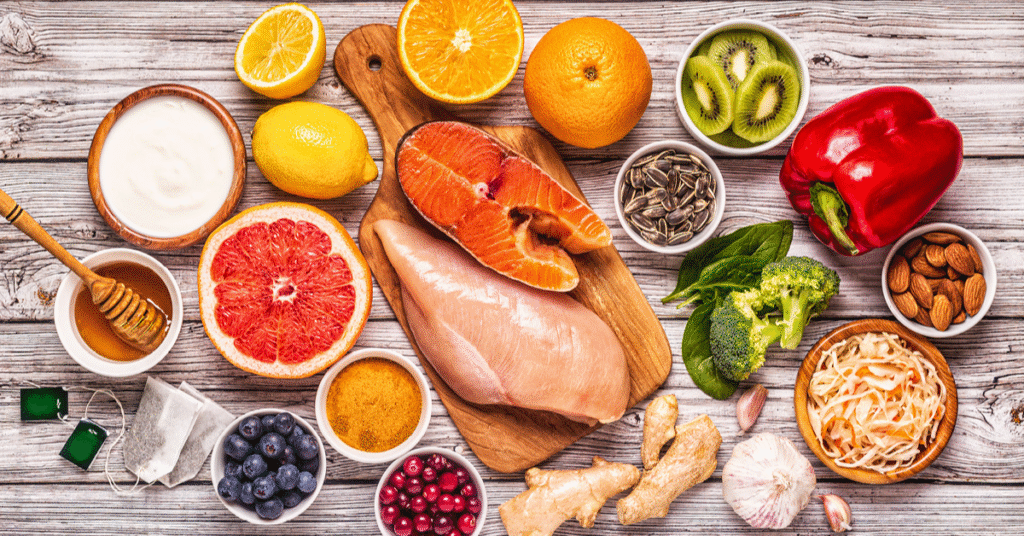
10. Yogurt
Yogurt is widely recognized for its impressive health benefits, particularly its ability to promote gut health due to its high content of probiotics. Probiotics are live microorganisms that establish a balanced gut microbiome, which is essential for optimal digestion and overall health. The regular consumption of yogurt can enhance the gut flora, thereby assisting with the breakdown of food, absorption of nutrients, and even the elimination of harmful bacteria. This process is crucial as a well-functioning gut microbiome is linked to a strong immune system.
When selecting yogurt, it is advisable to choose varieties that are free from added sugars and artificial ingredients. Look for labels that state “live active cultures,” as these indicate the presence of beneficial bacteria such as Lactobacillus and Bifidobacterium, both known for their positive effects on gut health. Greek yogurt, for instance, not only contains probiotics but is also higher in protein compared to regular yogurt, making it a nutritious alternative. Additionally, many people are becoming increasingly interested in plant-based yogurts made from almond, soy, or coconut milk, which can be a good option for those who are lactose intolerant or prefer non-dairy products.
Incorporating yogurt into your daily diet can be as simple as enjoying it as a snack, adding it to smoothies, or using it as a base for sauces and dressings. With various flavors and types available, the versatility of yogurt makes it easier to integrate into meals, while still reaping its gut health benefits. Whether consumed plain or accompanied by fruits and nuts, yogurt serves as a potent ally in fostering a healthy gut and enhancing immunity.
9. Kefir
Kefir is a fermented dairy product that has garnered significant attention for its health benefits, particularly its high probiotic content. Probiotics are beneficial bacteria that can help balance the gut microbiome, which plays a crucial role in digestive health and overall immune function. Rich in live cultures, kefir contains more probiotics than traditional yogurt, making it a potent ally in promoting gut health. Regular consumption of kefir can enhance the gut’s ability to digests lactose, which is especially beneficial for individuals with lactose intolerance. The enzymes present in kefir assist in breaking down lactose, allowing people to enjoy dairy products without discomfort.
The immune-boosting properties of kefir are also noteworthy. A healthy gut flora can enhance the immune system, as approximately 70% of the body’s immune cells reside in the gut. Studies have suggested that the probiotics in kefir can help regulate the immune response, potentially lowering the risk of infections and illnesses. Additionally, kefir is rich in essential nutrients such as calcium, protein, and B vitamins, all of which play essential roles in maintaining overall health and wellness.
Incorporating kefir into your daily diet can be enjoyable and straightforward. It can be consumed plain or flavored with fruits and spices. Additionally, kefir can be used in smoothies, salad dressings, or even as a base for soups. For those who are lactose intolerant, there are non-dairy kefir alternatives made from coconut milk, almond milk, or other plant-based options. By integrating kefir into your meals, you not only enhance your gut health but also provide your body with a robust source of probiotics that support immune function.
8. Fermented Vegetables
Fermented vegetables, including popular choices like sauerkraut and kimchi, are renowned for their remarkable health benefits, especially regarding gut health and immunity. The fermentation process involves the natural breakdown of sugars by microorganisms, resulting in the creation of probiotics—beneficial bacteria that play a critical role in maintaining a balanced gut flora. This balance is essential for optimal digestion, nutrient absorption, and overall immune function.
Research indicates that consuming fermented vegetables can enhance gut health by supporting the growth of healthy bacteria while inhibiting the growth of harmful bacteria. These vegetables are also high in vitamins, such as vitamin C and the B-vitamins, which contribute to improved immune response and general vitality. Furthermore, the presence of fiber in these foods aids digestion and promotes regular bowel movements, making them an indispensable addition to a gut-friendly diet.
Incorporating fermented vegetables into your meals can be done easily and deliciously. Fermented vegetables can be served as side dishes, added to salads, or used as toppings for various dishes to enhance flavors. For those interested in making their own fermented vegetables at home, the process is simple and can be accomplished with just a few ingredients: fresh, seasonal vegetables, water, and salt. By submerging your vegetables in a brine solution and allowing them to ferment at room temperature for several days or weeks, you can create your personalized probiotic-rich food. Recipes for traditional kimchi or sauerkraut can be easily found online, offering endless variations to suit different palates.
By integrating fermented vegetables into your daily diet, you can not only enjoy their distinctive flavors but also nurture your gut health and enhance your body’s ability to fend off illness. The myriad of health benefits, combined with culinary versatility, positions fermented vegetables as a vital component of a balanced diet.
7. Garlic
Garlic, scientifically known as Allium sativum, is not only a staple in kitchens around the world but also a formidable ally in promoting gut health and bolstering the immune system. This versatile ingredient contains compounds such as allicin, which have been found to exhibit antimicrobial properties, effectively fighting various infections caused by bacteria, fungi, and even viruses. Incorporating garlic into your diet can significantly enhance your immune response, making it a valuable addition to meals during cold and flu seasons.
One of the lesser-known benefits of garlic lies in its role as a prebiotic food. Prebiotics are non-digestible food components that stimulate the growth of beneficial gut bacteria. The presence of fructooligosaccharides in garlic encourages the proliferation of healthy gut flora, which is essential for digestive health and overall wellness. By fostering a balanced microbiome, garlic helps improve nutrient absorption and supports the body’s defenses against pathogens.
Utilizing garlic in your culinary repertoire is straightforward. Fresh garlic can be minced, sliced, or crushed and added to a variety of dishes, such as stir-fries, soups, sauces, and marinades. When using garlic, aim to train yourself to consume it raw or lightly cooked, as high temperatures can diminish some of its beneficial compounds. Alternatively, garlic supplements are available in various forms, including capsules and tinctures, for those who may not enjoy its robust flavor.
When selecting garlic, look for firm, unblemished bulbs with dry outer skins. Fresh garlic has a stronger flavor and health benefits compared to processed garlic products. However, if fresh garlic is not accessible, supplements can still provide some of the nutritional advantages, although whole food sources are generally preferred for maximum health benefits.
6. Ginger
Ginger, a root that is widely recognized for its remarkable health benefits, plays a significant role in promoting gut health and enhancing overall immunity. Renowned for its potent anti-inflammatory and antioxidant properties, ginger helps to alleviate digestive issues and supports the body’s natural defense mechanisms. The active compounds in ginger, such as gingerol and shogaol, contribute to its ability to foster a balanced gut microbiome, which is essential for optimal digestive function and immune performance.
One of the most notable benefits of ginger is its efficacy in reducing nausea, making it an excellent remedy for those experiencing symptoms associated with motion sickness or morning sickness during pregnancy. Furthermore, ginger aids digestion by stimulating saliva production and promoting the secretion of digestive enzymes, which can help facilitate the breakdown of food and absorption of nutrients.
Ginger can be consumed in various forms, offering versatility for culinary use. Fresh ginger root can be grated or sliced to infuse flavor into a range of dishes, from stir-fries to soups. Ground ginger serves as a flavorful addition to baked goods and spice mixes. Ginger tea, made by steeping fresh ginger slices in hot water, is a soothing option that can be enjoyed on its own or with a touch of honey and lemon for added sweetness and flavor.
For those looking to incorporate ginger into their daily routine, there are numerous easy-to-follow recipes. Smoothies featuring ginger along with fruits like banana or pineapple create a refreshing and nutritious drink. Ginger can also be added effortlessly to salad dressings or marinades, enhancing both flavor and health benefits. By incorporating ginger into your diet, you can harness its myriad benefits to support gut health and bolster your immune system.
5. Bone Broth
Bone broth is increasingly recognized for its health benefits, particularly in terms of gut health and immune support. Rich in essential nutrients, bone broth contains an abundance of collagen, amino acids, and minerals that are vital for healing and maintaining a healthy gut lining. Collagen, a key component found in bone broth, plays a crucial role in restoring the integrity of the gut barrier, preventing conditions such as leaky gut syndrome. Additionally, the amino acids such as glycine and proline support not just gut integrity but also overall immune function.
To make bone broth at home, it is relatively simple. Begin by selecting bones from a variety of sources including beef, chicken, or fish. This variety ensures a diverse range of nutrients. Rinse the bones thoroughly, then place them in a large pot or slow cooker. Cover the bones with water, and add a splash of vinegar to help leach nutrients from the bones. Incorporate vegetables like carrots, celery, and onions for added flavor, as well as herbs such as bay leaves or thyme. Bring the mixture to a simmer and cook for at least 12 hours, although longer cooking times (up to 48 hours) can extract more nutrients.
Encouragingly, bone broth can easily be incorporated into a myriad of dishes. It can be enjoyed as a warm beverage, used as a base for soups and stews, or utilized to cook grains such as rice or quinoa, enhancing their nutritional profile. Additionally, bone broth can be frozen in portions for convenient future use. By including this nutrient-dense broth in your daily meals, you effectively bolster your gut health and reinforce your immune system, making it a valuable addition to any balanced diet.
4. Leafy Greens
Leafy greens, such as spinach and kale, are celebrated for their high nutritional value and role in enhancing digestive health. They are abundant in essential vitamins and minerals, including vitamins A, C, K, and various B vitamins, which contribute to the overall well-being of the body, including the immune system. Furthermore, leafy greens are rich in fiber, a crucial nutrient that supports healthy digestion and gut flora.
The fiber found in leafy greens acts as a prebiotic, feeding the beneficial bacteria in the gut. These bacteria are vital for maintaining a balanced microbiome, which has been linked to improved gut health and increased immunity. A balanced gut microbiome is essential for reducing inflammation, enhancing nutrient absorption, and preventing gastrointestinal disorders. The antioxidants present in leafy greens, including quercetin and kaempferol, help combat oxidative stress, which can negatively impact gut health. By neutralizing free radicals, these compounds support gut integrity and overall immune function.
Incorporating more leafy greens into your diet is quite straightforward. One popular method is through salads, which can be elevated with a variety of toppings such as nuts, seeds, and healthy dressings. Adding different leafy greens can diversify nutrient intake while providing various tastes and textures. Smoothies are another excellent vehicle for including leafy greens in your daily routine; they blend seamlessly with fruit, making them both delicious and nutritious. Experimenting with ingredients can lead to delightful and health-enhancing concoctions that boost your gut health significantly.
By prioritizing leafy greens in your meals, you not only provide your body with vital nutrients but also foster a thriving gut microbiome that is integral to your immunity. Embracing these nutrient-rich foods will yield significant benefits for your digestive health and enhance your overall vitality.
3. Berries
Berries are not only delicious but are also a powerhouse of nutrients that promote gut health and boost immunity. These small fruits, including strawberries, blueberries, raspberries, and blackberries, are rich in antioxidants, vitamins, and dietary fiber, making them an essential addition to a balanced diet. Antioxidants, such as flavonoids and vitamin C found in these berries, play a critical role in combatting oxidative stress and inflammation in the body, thereby supporting immune function.
Research has shown that the anthocyanins present in blueberries can enhance gut health by fostering the growth of beneficial gut bacteria. This supports a balanced microbiome, which is vital for optimal immune response. Similarly, the fiber content in berries aids digestion, promoting regular bowel movements and preventing gastrointestinal issues. A diverse gut microbiome positively affects overall health, demonstrating the interconnectedness between gut wellness and immunity.
Incorporating berries into your meals or snacks can be both easy and enjoyable. They can be enjoyed fresh, added to smoothies, or incorporated into salads for a refreshing twist. For an afternoon snack, consider mixing berries with yogurt or oatmeal, enhancing not only the flavor but also providing a satisfying source of nutrients. Additionally, you can create berry compotes or sauces to pair with roasted meats or desserts. This not only adds a burst of flavor but also contributes essential vitamins and minerals to your dish.
Ultimately, berries serve as an exceptional option for those looking to improve their gut health and bolster their immune system. By including these nutrient-dense fruits in your dietary regimen, you can take proactive steps toward enhancing your overall well-being, making them a worthy addition to any health-conscious eating plan.
2. Nuts and Seeds
Nuts and seeds are recognized as powerful allies in the quest for better gut health and enhanced immunity. These nutrient-dense foods are abundant in healthy fats, dietary fiber, and high-quality protein, all of which play a role in promoting optimal digestive function. The fiber present in nuts and seeds fosters a healthy gut microbiome by acting as a prebiotic, providing nourishment for beneficial gut bacteria. As a result, this contributes to improved digestion, better nutrient absorption, and a stronger immune response.
Among the various nuts, almonds, walnuts, and pistachios are particularly noteworthy. Almonds are rich in vitamin E and healthy monounsaturated fats that not only benefit heart health but also support the body’s defense mechanisms. Walnuts, on the other hand, are a great source of omega-3 fatty acids, which have anti-inflammatory properties that may enhance gut and immune health. Pistachios are also a good source of fiber, aiding in digestive health and providing a satisfying snack option.
Seeds, including chia seeds, flaxseeds, and pumpkin seeds, also offer numerous health benefits. Chia seeds and flaxseeds are loaded with omega-3 fatty acids and soluble fiber, which help to promote regular bowel movements and overall gut health. Pumpkin seeds, rich in zinc, are essential for maintaining a healthy immune system. Incorporating these seeds into your diet can be simple; add them to smoothies, yogurt, or oatmeal for an extra nutritional boost.
Integrating a variety of nuts and seeds into daily meals can enhance both gut health and immunity. Consider using them in salads, baked goods, or as a topping on various dishes to provide texture and flavor. As whole foods packed with nutrients, nuts and seeds represent a delicious and nutritious way to strengthen your gut and boost immunity.
1. Green Tea
Green tea, a staple in many cultures, is celebrated not only for its refreshing taste but also for its remarkable health benefits, particularly in relation to gut health and immune support. The beverage is rich in antioxidants, specifically catechins, which play a vital role in reducing inflammation and protecting gut flora. These antioxidants contribute to a balanced microbiome, fostering good bacteria that are essential for digestion and overall gut function.
Research indicates that green tea may enhance gut health by promoting the growth of beneficial bacteria while inhibiting the proliferation of harmful pathogens. This balance is crucial for maintaining an optimized gut environment, which has direct implications for the immune system. A well-functioning gut is key to effective immune responses, as it is home to a significant portion of the body’s immune cells. By drinking green tea regularly, individuals may bolster their resilience against infections and diseases.
In addition to its gut health benefits, green tea has been shown to possess immune-boosting properties. The constituents of green tea help modulate the immune response, ensuring it remains effective without overreacting, which can lead to autoimmune disorders. Additionally, green tea may help decrease the risk of chronic illnesses through its anti-inflammatory properties, which are essential in maintaining long-term health.
To achieve optimal benefits from green tea, preparation is key. Start by brewing the leaves with water temperatures between 160°F to 180°F (70°C to 80°C) for about two to three minutes. This method preserves the delicate compounds and maximizes health benefits. Enjoying green tea in moderation, alongside a healthy diet, can be an excellent strategy for enhancing gut health and boosting immunity. Incorporating this ancient drink into your daily routine can contribute significantly to overall wellness.