
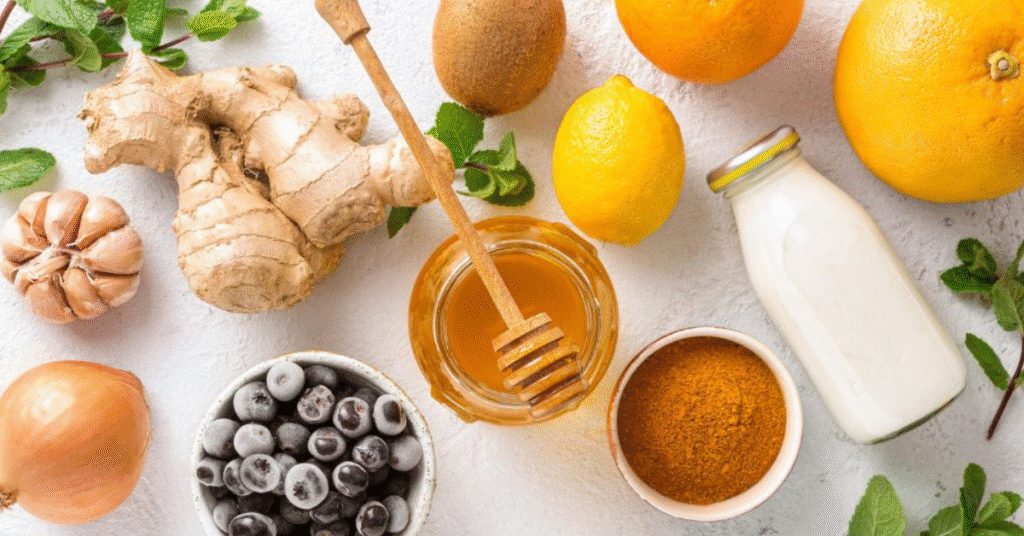
1. Citrus Fruits
Citrus fruits, which encompass a variety of varieties including oranges, lemons, limes, and grapefruits, are renowned for their high vitamin C content. Vitamin C, or ascorbic acid, plays a fundamental role in supporting the immune system by stimulating the production of white blood cells. These cells are crucial in defending the body against infections and diseases. By integrating citrus fruits into your daily diet, you significantly enhance your body’s ability to ward off illness.
Beyond vitamin C, citrus fruits are also packed with antioxidants, which help to combat oxidative stress and inflammation, further bolstering immune response. They provide vitamins A and B, potassium, and magnesium, which contribute to overall health. Each type of citrus fruit brings its unique flavor and nutritional profile; for example, grapefruits are not only refreshing but also might aid in weight management because of their low-calorie content.
Incorporating citrus fruits into your meals and snacks is straightforward and enjoyable. Squeeze fresh lemon juice over salads to add zest, or use it in marinades for meats and fish. Oranges can be consumed whole, juiced, or added to smoothies for a refreshing burst of flavor. In baking, lemon zest can elevate desserts with its bright aroma and taste. Furthermore, a simple fruit salad featuring a variety of citrus can serve as a delightful and healthful dessert or snack.
In summary, citrus fruits are an essential component of any immune-boosting diet. They offer numerous health benefits largely attributed to their vitamin C and antioxidant content. Ensuring that these fruits are a staple in your daily nutrition can play a pivotal role in fortifying your immune system, helping you to maintain better health throughout the year.
2. Red Bell Peppers
Red bell peppers are not only vibrant and flavorful but also serve as an incredible addition to a diet aimed at boosting immune health. They are exceptionally rich in vitamin C, containing even more of this essential nutrient than traditional citrus fruits. Vitamin C is critical for the proper functioning of immune cells, enhances the body’s ability to fight infections, and may reduce the duration of common colds. Additionally, red bell peppers are high in beta carotene, which the body converts into vitamin A. This vitamin plays an essential role in maintaining the health of mucous membranes, acting as a barrier against pathogens and contributing to overall immune function.
The benefits of incorporating red bell peppers into your meals extend beyond their vitamins. Beta carotene also acts as an antioxidant, protecting the body from oxidative stress and inflammation, which are detrimental to immune health. Consuming a sufficient amount of these nutrients can significantly enhance your body’s defenses, making red bell peppers a vital component of a balanced diet focused on fortifying the immune system.
In terms of culinary creativity, there are countless ways to integrate red bell peppers into various dishes. They can be roasted to enhance their sweetness and served as a side dish, diced and added to salads for a refreshing crunch, or blended into soups to create a rich and satisfying flavor. Moreover, red bell peppers can be used as a vibrant addition to stir-fries, providing both color and nutrition. For those who enjoy snacking, sliced red bell peppers make for a healthy and nutritious alternative to chips when served with hummus or yogurt-based dips. By incorporating red bell peppers into your diet, you not only amplify your culinary experience but also significantly contribute to improving your immune health.
3. Broccoli
Broccoli is often touted as one of the healthiest vegetables available, and for good reason. This cruciferous vegetable is rich in essential vitamins and is a notable source of vitamins A, C, and E, each of which plays a critical role in enhancing immune function. Vitamin C, in particular, is well-known for its ability to stimulate the production of white blood cells, which are essential for fighting off infections. Additionally, vitamins A and E contribute to maintaining the integrity and function of immune cells, thus supporting the body’s overall defense mechanisms.
Beyond vitamins, broccoli is also abundant in minerals such as zinc and selenium, both of which are critical in bolstering immune resilience. Zinc aids in the development and function of immune cells, while selenium is known for its antioxidant properties, protecting cells from damage caused by free radicals. The powerful antioxidants found in broccoli, including glucosinolates and flavonoids, further help to combat oxidative stress, a factor that is linked to weakened immune response.
To maximize the health benefits of broccoli, various preparation methods can be employed. Lightly steaming broccoli is often recommended as it helps preserve its nutritional profile while making it more palatable. Additionally, incorporating broccoli into a variety of dishes—from stir-fries to salads—can enhance one’s dietary intake without compromising flavor. For example, pairing broccoli with healthy fats, such as olive oil, can help increase the absorption of fat-soluble vitamins found in the vegetable. Thus, including broccoli in one’s diet not only provides robust nutrition but also strengthens the immune system effectively.
4. Garlic
Garlic, scientifically known as Allium sativum, has long been revered for its extensive medicinal properties, particularly its capability to bolster the immune system. The sulfur-containing compounds in garlic, particularly allicin, play a pivotal role in enhancing immune function. Allicin is known for its antimicrobial effects, which can help the body combat infections caused by bacteria and viruses. Regular consumption of garlic may reduce the severity and duration of illnesses such as the common cold, making it a valuable addition to a diet aimed at strengthening the immune system.
In addition to its antibacterial properties, garlic also supports the immune system by stimulating the activity of white blood cells, which are crucial for fighting off pathogens. Research has shown that individuals who consume garlic regularly may experience fewer illnesses and recover more quickly when they do fall sick. Furthermore, garlic’s antioxidant properties help to neutralize harmful free radicals, reducing oxidative stress in the body, and thereby improving overall health.
Incorporating garlic into your daily meals is both easy and versatile. Fresh garlic can be minced and added to a variety of dishes, including soups, stews, and sauces. Roasted garlic can be a flavorful addition to spreads or as a topping on vegetables and meats. For those who prefer a milder taste, sautéing garlic in a bit of olive oil can enhance the flavor profile of any dish without overwhelming it. Moreover, supplements containing garlic extract are available for individuals who may find it challenging to incorporate fresh garlic into their diets.
To maximize the immune-boosting benefits of garlic, it is advisable to consume it raw whenever possible, as heating can diminish some of its beneficial compounds. Whether enjoyed raw in salads or cooked in meals, garlic remains a powerful ally in strengthening the immune system, providing an accessible and delicious means to enhance health and well-being.
5. Ginger
Ginger, a widely used spice known for its distinctive flavor and aroma, offers a plethora of health benefits that significantly contribute to one’s overall immune function. Its chemical composition includes gingerol, which possesses potent anti-inflammatory and antioxidant properties. These characteristics are particularly beneficial in combating oxidative stress and inflammation in the body, both of which can weaken the immune system and render individuals more susceptible to infections.
Research indicates that ginger can help strengthen the body’s immune response by enhancing the activity of immune cells. This spice not only aids in thwarting common illnesses such as colds and flu but also plays a crucial role in reducing the duration and severity of symptoms when they do occur. By incorporating ginger into your diet, you can harness its protective effects and improve your overall health.
There are numerous ways to utilize ginger in daily cooking and beverages, making it an accessible addition to a variety of meals. Fresh ginger can be grated, sliced, or diced and added to stir-fries, soups, and marinades, enriching dishes with warmth and spice. Additionally, ginger can enhance the taste and nutritional value of beverages, such as ginger tea, smoothies, or even infused water. For those seeking a more concentrated form, ginger supplements are available, allowing for easy consumption without altering dietary patterns.
Incorporating ginger into your routine not only elevates the flavor of meals and drinks but also promotes health benefits associated with its anti-inflammatory and antioxidant properties. Regular consumption of ginger may significantly bolster your immune system and enhance your body’s ability to fend off various ailments, marking it as a vital ingredient for maintaining optimal health.
6. Spinach
Spinach is a highly nutritious leafy green that offers an impressive array of health benefits, particularly for the immune system. This vegetable is abundant in vitamin C, a vital nutrient known for its role in enhancing the immune response. Vitamin C stimulates the production of white blood cells, essential for combating infections. In addition to vitamin C, spinach contains antioxidants, such as flavonoids and carotenoids, which help protect cells from damage caused by harmful free radicals. Another critical component found in spinach is beta-carotene, which the body converts into vitamin A. This vitamin plays a crucial role in maintaining the integrity of mucosal surfaces, including those in the respiratory tract, further strengthening our defense against pathogens.
Including spinach in your diet can be simple and versatile. It can be enjoyed raw or cooked, making it suitable for various culinary applications. For a refreshing meal, consider tossing fresh spinach leaves into salads. Add a variety of toppings, such as nuts, seeds, and a light vinaigrette, to elevate the flavor and nutritional profile. Spinach can also be blended into smoothies, combined with fruits like bananas and berries for a nutrient-dense beverage. If you prefer cooked spinach, it can easily be incorporated into soups, stews, and stir-fries. Sautéing spinach lightly with garlic and olive oil not only enhances its taste but also retains its beneficial nutrients.
By consuming spinach regularly, one can benefit from its rich nutrient profile, potentially leading to improved immune function. Its diverse uses in the kitchen make it an easy addition to your meals, ensuring that you harness the power of this green vegetable. Incorporating spinach into a balanced diet may offer significant support to your immune system.
7. Yogurt
Yogurt is not only a delicious and versatile food but also a potent source of probiotics, which are beneficial bacteria that play a crucial role in enhancing immune response. Probiotics have garnered significant attention in recent years for their ability to improve gut health, which is closely linked to the body’s immune system. In essence, a healthy gut flora supports the immune system by regulating inflammatory responses and enhancing the gut barrier function, thereby preventing pathogens from entering the bloodstream.
Within yogurt, various strains of probiotics, such as Lactobacillus and Bifidobacterium, have been identified as effective in supporting immune health. These strains can help balance the gut microbiota, promoting an environment where beneficial bacteria thrive while inhibiting harmful bacteria. Research indicates that regular consumption of probiotic-rich yogurt can lead to improved immune responses, reduced incidence of infections, and shorter durations of illness.
Incorporating yogurt into one’s diet is an enjoyable task, as it can serve as a base for numerous healthy dishes. Consider adding fresh fruits, nuts, or seeds to plain yogurt for added nutrients and flavors. Alternatively, using yogurt as a substitute for sour cream in recipes can enhance creaminess without compromising health benefits. Additionally, smoothies made with yogurt can provide both a delicious and nutritious beverage option that supports overall well-being.
Moreover, for individuals who may be lactose intolerant, there are lactose-free yogurt options available that still provide the same beneficial probiotics. As such, yogurt remains an accessible choice for many people looking to strengthen their immune system and improve gut health. By making yogurt a regular part of your diet, you can bolster your body’s defenses and enjoy a wide array of delicious meals.
8. Almonds
Almonds are often celebrated as one of the most nutritious nuts, providing a range of health benefits that bolster the immune system. A significant quality of almonds is their rich content of vitamin E, a potent antioxidant that plays a crucial role in immune function. This fat-soluble vitamin helps the body combat oxidative stress, shielding immune cells from damage caused by free radicals. Additionally, vitamin E enhances the body’s response to infections, making it essential for maintaining a robust immune system.
Incorporating almonds into your daily diet can provide you with the necessary amount of vitamin E. Just one ounce (approximately 23 almonds) contains about 7.3 milligrams of vitamin E, which accounts for nearly half of the recommended daily allowance for adults. This nut is also rich in healthy fats, particularly monounsaturated fats, which contribute to overall health by supporting heart health and reducing inflammation. These attributes work in synergy to create an environment conducive to a well-functioning immune system, making almonds an excellent addition to your nutrition plan.
Beyond their health benefits, almonds are versatile and can be easily integrated into various meals and snacks. For a quick boost of nutrients, consider snacking on raw or roasted almonds. They can also be added to salads for added crunch or blended into smoothies for a nutrient-dense upgrade. Furthermore, almond butter serves as a delicious alternative to traditional spreads, perfect for pairing with whole-grain bread or apple slices. The potential for creativity in utilizing almonds is vast, ensuring that you can enjoy their benefits while satisfying your taste buds.
9. Turmeric
Turmeric, a vibrant yellow spice commonly used in cooking, owes much of its health benefits to curcumin, its active compound. Curcumin is renowned for its potent anti-inflammatory and antioxidant properties, which play a significant role in enhancing the immune system. By reducing inflammation in the body, turmeric helps modulate the immune response, promoting a more efficient defense against pathogens while mitigating the risk of chronic diseases.
Additionally, curcumin’s antioxidant abilities help neutralize free radicals in the body, thereby protecting cells from damage and supporting overall cellular health. Studies have indicated that regular consumption of turmeric may aid in preventing immune-related issues like autoimmune diseases and infections. Its compounds also encourage the growth of immune cells, further emphasizing the importance of this spice in maintaining a robust immune system.
Incorporating turmeric into daily meals can be simple and enjoyable. One of the most common ways is by adding turmeric powder to curries and soups, where its flavor complements other spices beautifully. An alternative method is to create turmeric tea, often referred to as “golden milk,” which combines turmeric with warm milk or plant-based milk, a pinch of black pepper, and a sweetener of choice. Black pepper is particularly effective in enhancing the absorption of curcumin, making the combination more beneficial.
Furthermore, turmeric can be seamlessly integrated into smoothies, salad dressings, or roasted vegetables. For those looking for a more concentrated form, turmeric supplements are available, but it is advisable to consult a healthcare professional before starting any new supplement regimen. With such versatile uses, turmeric not only adds depth and color to dishes but is also a powerful ally in fortifying the immune system.
10. Green Tea
Green tea is widely recognized for its myriad health benefits, primarily attributed to its rich composition of antioxidants, particularly epigallocatechin gallate (EGCG). This powerful antioxidant has been shown to enhance immune function, aiding the body in its fight against infections. Drinking green tea regularly can significantly contribute to strengthening the immune system, allowing individuals to fend off common illnesses more effectively.
The health benefits of green tea extend beyond just bolstering immune health. Studies indicate that the consumption of green tea may lower the risk of developing chronic conditions such as heart disease and certain types of cancer. Additionally, the anti-inflammatory properties of green tea can help reduce the severity of inflammatory responses in the body, thereby promoting overall health. This dual action of providing both immune support and reducing inflammation makes green tea an excellent dietary addition.
Incorporating green tea into your daily routine can be simple and enjoyable. It can be prepared in various forms, including hot tea, iced tea, or even as a matcha latte. For those who prefer a quick option, green tea supplements are also available, offering the benefits of this remarkable beverage in a convenient format. Additionally, enhancing green tea with lemon or honey can provide additional flavor and health benefits, as these ingredients also possess immune-boosting properties.
Overall, the inclusion of green tea in your daily diet is a proactive step towards not only improving immune function but also enhancing overall health. By incorporating this versatile beverage into regular meals or as a hydrating drink throughout the day, individuals can enjoy the numerous advantages that green tea has to offer.