
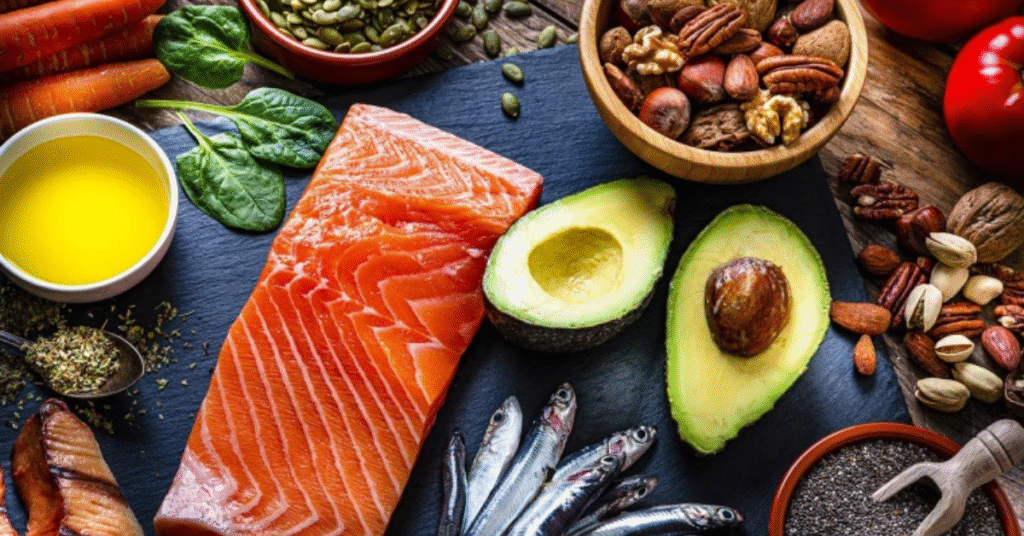
10. Dark Chocolate
Dark chocolate, often celebrated as a decadent treat, possesses numerous heart health benefits primarily attributed to its rich antioxidant properties. The primary antioxidants in dark chocolate are flavonoids, which are compounds that have been shown to enhance heart function in a variety of ways. These flavonoids play a critical role in improving blood circulation, reducing inflammation, and lowering blood pressure, all of which are essential for maintaining overall cardiovascular health.
Research indicates that the consumption of dark chocolate can lead to an increase in the production of nitric oxide in the body. This gas helps to relax and dilate blood vessels, improving blood flow. Enhanced blood circulation can significantly contribute to the prevention of heart disease, as improved blood flow reduces the strain on the heart and lowers the risk of cardiovascular issues.
Moreover, the inclusion of dark chocolate in one’s diet may also help in lowering bad cholesterol levels. Studies have shown that moderate consumption of dark chocolate can reduce levels of low-density lipoprotein (LDL) cholesterol while increasing high-density lipoprotein (HDL) cholesterol. This balancing act supports heart health by minimizing the risk of plaque buildup in the arteries.
It is important to emphasize that not all chocolate varieties offer these benefits. Dark chocolate, typically containing a higher percentage of cocoa (70% or more), contains more beneficial flavonoids than milk chocolate or white chocolate. However, moderation is crucial; excessive consumption may lead to increased calorie intake and other health issues. Therefore, enjoying a small portion of dark chocolate can provide significant heart health benefits without compromising overall health.
9. Avocados
Avocados are often touted as a superfood due to their rich nutrient profile and health benefits, particularly in supporting heart health. One of the key aspects of avocados is their high content of monounsaturated fats, which are known to promote cardiovascular health. Unlike saturated fats, monounsaturated fats can help to reduce bad cholesterol levels (LDL) while increasing good cholesterol levels (HDL). This makes avocados an excellent choice for individuals looking to improve their lipid profiles and overall heart function.
In addition to healthy fats, avocados are a great source of potassium. This vital mineral plays an essential role in maintaining optimal blood pressure levels by counteracting the effects of sodium, thus promoting better heart health. Studies have shown that a diet rich in potassium can significantly lower the risk of stroke, heart disease, and hypertension. Including avocados in your meals can help to ensure adequate potassium intake while providing a delicious and versatile ingredient.
Furthermore, avocados are high in dietary fiber, which is another important component for heart health. A fiber-rich diet has been linked to reduced risk of cardiovascular disease as it helps to lower cholesterol and improve blood sugar levels. Eating avocados regularly can contribute to your daily fiber intake, aiding in digestion and providing a feeling of fullness that can help with weight management.
Incorporating avocados into your diet can be simple and enjoyable. They can be added to salads, blended into smoothies, or spread on whole grain toast. Given their heart-protective properties, avocados deserve a place in the diets of those looking to support their cardiovascular health.
8. Fatty Fish
Fatty fish, including varieties such as salmon, mackerel, sardines, and trout, have garnered recognition as a cornerstone of heart-healthy diets. The significance of these fish lies in their rich content of omega-3 fatty acids, which provide a plethora of benefits specifically for cardiovascular health. Omega-3 fatty acids, particularly eicosapentaenoic acid (EPA) and docosahexaenoic acid (DHA), are essential fats that play a critical role in mitigating inflammation throughout the body.
Chronic inflammation is a recognized risk factor for heart disease, and the consumption of fatty fish can help counteract this by promoting anti-inflammatory processes. Regular intake of fatty fish has been shown to decrease levels of triglycerides, a type of fat found in blood that, when elevated, can lead to increased risk of heart diseases. Lowering triglyceride levels is vital for maintaining overall cardiovascular health, and fatty fish serve as an efficient dietary tool to achieve this objective.
Moreover, fatty fish are not only beneficial for inflammation and triglyceride management but also provide a significant source of proteins and vital nutrients such as vitamin D and selenium. Enriching one’s diet with fatty fish can be an excellent strategy for individuals aiming to improve their heart health while enjoying flavorful meals. Integrating at least two servings of fatty fish into one’s weekly diet can lead to substantial improvements in heart function and reduced risk of cardiovascular conditions.
7. Berries
Berries, including blueberries, strawberries, and raspberries, are renowned for their numerous health benefits, particularly for heart health. These small but powerful fruits are rich in antioxidants, which play a crucial role in combating oxidative stress in the body. The primary antioxidants present in berries are anthocyanins, flavonoids, and vitamin C, all of which have been linked to improved cardiovascular health.
Research indicates that the consumption of berries can significantly lower blood pressure and reduce inflammation, both of which are critical factors in maintaining a healthy heart. For instance, a study published in the American Journal of Clinical Nutrition demonstrated that individuals who regularly consume blueberries and strawberries have a lower risk of heart disease compared to those who do not include these berries in their diet. The flavonoids present in these fruits support blood vessel function and improve circulation, ultimately enhancing heart health.
Strawberries, in particular, are unique in their capacity to improve cholesterol levels. They have been shown to help lower LDL cholesterol, often referred to as
6. Nuts and Seeds
Nuts and seeds are celebrated for their myriad health benefits, particularly when it comes to supporting heart health. Incorporating a variety of these nutrient-dense options into one’s diet can play a crucial role in reducing the risk of cardiovascular diseases. Specifically, walnuts and flaxseeds have garnered attention for their exceptional qualities.
Walnuts, known for their rich content of omega-3 fatty acids, are invaluable in promoting heart health. These healthy fats have been linked to lower cholesterol levels and improved blood vessel function. The anti-inflammatory properties of walnuts also contribute to a reduced risk of heart disease. Furthermore, they are a significant source of antioxidants, which help combat oxidative stress that can lead to arterial damage.
Flaxseeds, on the other hand, are packed with dietary fiber and alpha-linolenic acid (ALA), another type of omega-3 fatty acid. This combination is essential for maintaining optimal heart function. Flaxseeds aid in lowering blood pressure and improving lipid profiles. The high fiber content promotes healthy digestion while also assisting in the regulation of cholesterol levels, making flaxseeds a powerful ally for heart health.
In addition to walnuts and flaxseeds, other nuts like almonds, pistachios, and hazelnuts, along with seeds such as chia and pumpkin seeds, also provide beneficial nutrients including magnesium, which is vital for cardiovascular function. Magnesium supports proper muscle function, including the heart, and helps regulate blood pressure.
Incorporating a handful of nuts or a sprinkle of seeds into daily meals can significantly bolster heart health. This simple dietary change not only enhances nutritional intake but also provides a flavorful, satisfying snack option.
5. Oats
Oats are not only a versatile ingredient, but they also play a significant role in promoting heart health. The secret to their heart-protective properties lies mainly in their high content of beta-glucan, a type of soluble fiber that has been shown to effectively lower cholesterol levels. High levels of low-density lipoprotein (LDL), commonly referred to as “bad cholesterol,” are a primary risk factor for cardiovascular diseases. Regular consumption of oats can help mitigate this risk by binding to cholesterol molecules in the gut and facilitating their removal from the body.
Incorporating oats into one’s diet is relatively easy, whether consumed as oatmeal, used in baking, or added to smoothies. This dietary fiber not only aids in cholesterol management but also contributes to feelings of fullness, which can assist in weight management—a crucial aspect of maintaining heart health. Furthermore, oats contain other essential nutrients, including vitamins, minerals, and antioxidants, which can provide additional cardiovascular benefits.
Research supports the heart-healthy effects of oats, with studies indicating that individuals who include oat-based products in their diets show improved cholesterol levels and reduced cardiovascular risk factors. The American Heart Association recommends incorporating whole grains, such as oats, into a balanced diet, emphasizing their potential in managing blood pressure, reducing inflammation, and improving overall heart health.
To maximize the benefits, it is advisable to choose minimally processed oat products, such as steel-cut or rolled oats, as they retain more of their natural fiber and nutrients compared to instant varieties. By making oats a staple in daily meals, individuals can significantly contribute to their heart health while also enjoying a range of delicious and nutritious dishes.
4. Spinach
Spinach and other leafy greens are often touted as powerhouses of nutrition, particularly in relation to heart health. These vegetables are rich in vital nutrients, and their contributions to cardiovascular wellness are significant. One of the most important components found in spinach and various leafy greens is vitamin K, which plays a crucial role in blood clotting and supports overall cardiovascular function. By helping maintain healthy blood vessels, vitamin K contributes to a well-functioning heart.
Additionally, spinach and other greens contain a bounty of antioxidants that combat oxidative stress. Oxidative stress can negatively affect heart health by promoting inflammation and contributing to arterial plaque buildup. The antioxidants present in these greens, including flavonoids and carotenoids, assist in neutralizing free radicals, thereby protecting the heart and fostering overall cardiovascular health.
An often-overlooked benefit of spinach and leafy greens is their natural nitrate content. Nitrates are converted in the body to nitric oxide, a compound that helps improve blood flow and lower blood pressure. Improved blood flow is essential for optimal heart function, as it ensures that oxygen and nutrients are delivered efficiently throughout the body. Incorporating spinach and leafy greens into your diet can, therefore, significantly enhance cardiovascular performance and reduce the risk of heart disease.
In summary, the inclusion of spinach and leafy greens in one’s diet offers multiple heart health benefits. Their high vitamin K content, rich antioxidant profile, and beneficial nitrates collectively work to improve blood flow and lower blood pressure, making them a vital component of a heart-healthy diet.
3. Olive Oil
In recent years, olive oil has gained recognition as a vital component of a heart-healthy diet. This exceptional oil is primarily composed of monounsaturated fats, which are known to lower levels of bad cholesterol (LDL) while boosting good cholesterol (HDL). The heart benefits of including olive oil in one’s diet are supported by numerous studies indicating its potential to reduce the risk of cardiovascular diseases.
One of the remarkable aspects of olive oil is its rich content of antioxidants, including polyphenols and vitamin E. These compounds play a significant role in combating oxidative stress, a key factor that contributes to the development of heart-related conditions. The antioxidants found in olive oil help to protect blood vessels and improve endothelial function, which is crucial for maintaining good heart health.
Additionally, olive oil has anti-inflammatory properties that further enhance its cardiovascular benefits. Chronic inflammation is another contributor to heart disease, and the regular inclusion of olive oil in meals can help to mitigate this risk. It is particularly effective when consumed as part of a Mediterranean diet, which emphasizes whole foods, fruits, vegetables, and healthy fats.
Using olive oil as a primary fat source in cooking and food preparation not only promotes heart health but also enhances the overall flavor and nutrition of meals. It is versatile enough for various culinary applications, from dressings and marinades to sautéing and baking. Substituting olive oil for less healthy fats can lead to significant improvements in heart health and should be encouraged as part of an overall healthy eating pattern.
In regulatory terms, the consumption of olive oil has also been endorsed by various health organizations, which recommend integrating it into a balanced diet. As research continues to affirm the positive impact of olive oil on heart health, it remains a staple for those aiming to maintain vitality and longevity.
2. Legumes
Legumes, which include beans, lentils, and chickpeas, are recognized for their numerous health benefits, particularly in supporting cardiovascular health. These foods are packed with protein, making them an excellent alternative to animal-based sources, while also being low in saturated fat. This characteristic is vital, as diets low in saturated fat have been associated with a reduced risk of heart disease.
Moreover, legumes are notable for their high fiber content. Dietary fiber plays a crucial role in maintaining healthy cholesterol levels; it helps reduce serum cholesterol levels by facilitating its excretion from the body. Regular consumption of fiber-rich foods, such as legumes, can lead to improved cholesterol profiles, which in turn supports overall heart health.
Additionally, legumes are enriched with essential nutrients that are beneficial for the heart. They are significant sources of vitamins and minerals, including potassium, iron, and magnesium. Potassium, in particular, is vital as it aids in regulating blood pressure. High potassium intake is linked to lower blood pressure levels, thereby decreasing the risk of hypertension and subsequent heart complications. Furthermore, the antioxidant properties of legumes contribute to reducing inflammation, a key factor in many cardiovascular diseases.
Incorporating legumes into your diet can be straightforward and versatile. They can be added to salads, soups, and stews or served as side dishes. With their rich culinary diversity and health benefits, legumes warrant a prominent place in any heart-healthy eating plan.
1. Whole Grains
Whole grains are integral to a heart-healthy diet, offering a plethora of benefits that contribute to both cardiovascular health and overall wellness. Unlike refined grains, whole grains retain their bran, germ, and endosperm, providing a higher concentration of essential nutrients. These nutrients include vitamins, minerals, fiber, and antioxidants, all of which play a crucial role in maintaining heart health.
One of the significant advantages of whole grains is their ability to help manage blood pressure. The dietary fiber found in whole grains can improve cholesterol levels by reducing the absorption of cholesterol in the intestines. This reduction in cholesterol levels can, in turn, lower the risk of heart disease. Furthermore, whole grains are known to improve insulin sensitivity and help maintain a healthy body weight, both of which are critical in managing blood pressure.
The fiber content in whole grains also aids in the regulation of blood sugar levels, which is essential for preventing conditions such as diabetes that often accompany cardiovascular issues. The presence of antioxidants in whole grains assists in combating oxidative stress, thus reducing inflammation and promoting heart health.
Incorporating whole grains into your diet can be straightforward. One might consider switching to brown rice instead of white rice, opting for whole grain bread, or choosing oatmeal for breakfast. The key is to ensure that whole grains constitute a significant portion of daily food intake.
In summary, whole grains are a vital component of a heart-healthy diet, contributing to the regulation of blood pressure and cholesterol levels while supplying essential nutrients needed for optimal heart function. By choosing whole grains, individuals can make informed dietary choices that foster long-term cardiovascular health.