
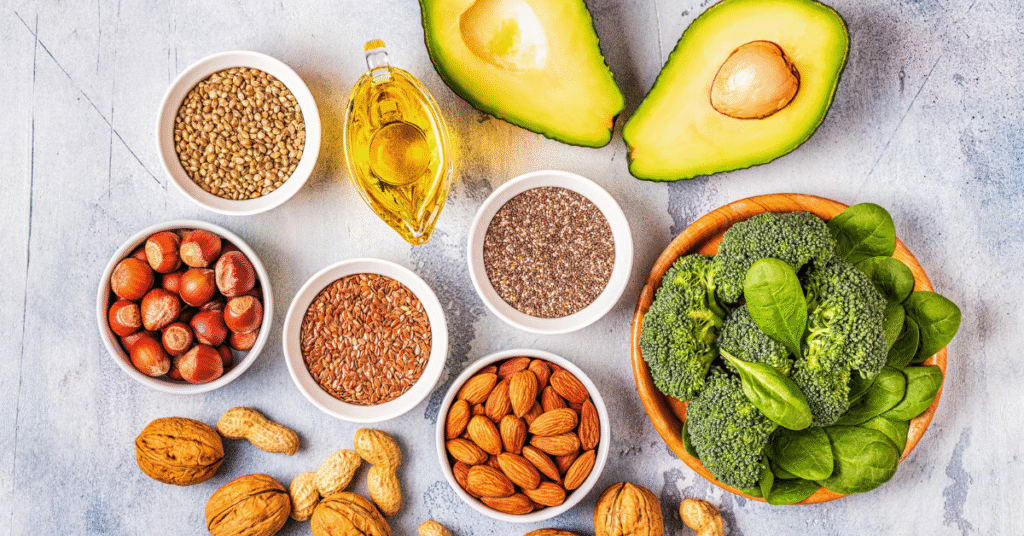
10. Chia Seeds
Chia seeds, though small in size, deliver substantial health benefits, making them a remarkable addition to a diet aimed at improving digestive health. These tiny seeds are a powerhouse of dietary fiber, providing about 11 grams of fiber per ounce, which is crucial for maintaining a healthy digestive tract. When chia seeds come into contact with liquid, they absorb water and expand to form a gel-like substance. This gel can significantly aid in digestion by smoothing the passage of food through the gastrointestinal tract, making it easier to achieve regular bowel movements.
The high fiber content of chia seeds contributes to their role in digestion by promoting satiety, helping individuals feel full for longer periods. This can prevent overeating and help maintain a balanced diet. Furthermore, their soluble fiber can help regulate blood sugar levels, which in turn supports digestive health by preventing spikes and crashes that might lead to cravings for unhealthy snacks.
Incorporating chia seeds into meals is straightforward; they can be sprinkled on salads, blended into smoothies, or used in baking. By adding chia seeds to your diet, you not only benefit from their fiber content but also from essential nutrients such as omega-3 fatty acids, proteins, and various vitamins and minerals. Moreover, the seeds’ ability to absorb water can help manage bowel regularity, prevent constipation, and potentially deal with issues like irritable bowel syndrome.
Overall, chia seeds represent an excellent source of fiber that supports digestive health effectively. By integrating this tiny seed into your daily routine, you can take a natural approach to enhancing your gut health and improving overall digestive function.
9. Oats
Oats are widely recognized for their significant fiber content, making them an excellent choice for anyone looking to enhance their digestive health. This whole grain is a rich source of both soluble and insoluble fiber, which play distinct yet complementary roles in promoting a healthy digestive system. The soluble fiber found in oats, specifically beta-glucan, is renowned for its ability to absorb water and form a gel-like substance in the gut. This process aids in regulating bowel movements and can help alleviate issues such as constipation.
Moreover, incorporating oats into your diet can assist in regulating blood sugar levels. The fiber content slows the absorption of glucose into the bloodstream, which can help prevent spikes in blood sugar. This property is particularly beneficial for individuals managing diabetes or those at risk of developing the condition. Furthermore, by maintaining stable blood sugar levels, oats contribute to sustained energy throughout the day, promoting overall well-being.
The fiber in oats also fosters a healthy gut environment by acting as a prebiotic. Prebiotics serve as food for beneficial gut bacteria, promoting a balanced microbiome which is essential for optimal digestion. A healthy balance of gut flora can lead to improved nutrient absorption and a stronger immune system. Thus, including oats in your diet supports not only gut health but overall digestive efficiency.
To maximize the health benefits oats provide, consider enjoying them in various forms, such as oatmeal, overnight oats, or as an ingredient in baked goods. By incorporating this nutritious whole grain into your meals, you can effectively harness its many digestive benefits.
8. Lentils
Lentils, often referred to as a superfood, are an exceptional source of both fiber and protein, making them a staple in many nutritious diets. These small legumes not only pack a punch in terms of nutritional value but also play a crucial role in promoting healthy digestion. With approximately 15-17 grams of dietary fiber per cooked cup, lentils significantly contribute to daily fiber intake, which is vital for digestive health.
The fiber found in lentils can be categorized into soluble and insoluble fiber, both of which are beneficial for gut health. Soluble fiber helps regulate blood sugar levels and can aid in lowering cholesterol, whereas insoluble fiber adds bulk to the stool, facilitating its movement through the intestines. As a result, incorporating lentils into your diet can help prevent constipation and promote regular bowel movements.
Moreover, the high protein content of lentils, approximately 18 grams per cooked cup, makes them an excellent alternative to meat for those pursuing a plant-based lifestyle. They are also rich in essential nutrients, including iron, folate, and magnesium, which are important for overall bodily functions. This nutritional profile not only supports digestion but also contributes to overall gut health.
Lentils are incredibly versatile and can easily be integrated into a variety of meals. They can be used in soups, stews, salads, or even as a base for veggie burgers. Additionally, they can serve as a hearty side dish or be mixed into grain bowls for enhanced texture and flavor. With their ease of preparation and ability to absorb spices and flavors, lentils can be enjoyed in a multitude of ways, making them a great addition to any meal plan aimed at improving digestion.
7. Apples and Their Digestive Benefits
Apples are not only a popular snacking choice but also a powerhouse of nutrients that promote digestive health. The skin of the apple is particularly notable, as it contains a significant amount of pectin, a type of soluble fiber. Pectin plays a pivotal role in maintaining a healthy gut by enhancing digestion and facilitating regular bowel movements. When consumed, pectin can help to increase the bulk of stool, making it easier to pass and potentially alleviating constipation.
In addition to its fiber content, pectin acts as a prebiotic, feeding the beneficial bacteria in the gut microbiome. This is essential for overall gut health, as a balanced microbiome can aid in digestion, strengthen the immune system, and even improve mood. Regular consumption of apples, a rich source of vitamins, minerals, and antioxidants, can therefore contribute positively to one’s digestive health.
Furthermore, apples are low in calories and sodium, making them an excellent choice for individuals looking to enhance their diet for better digestive function without unnecessary additives. Eating apples with the skin intact maximizes their fiber content and helps to ensure a higher intake of nutrients that support digestion.
The versatility of apples allows them to be easily incorporated into various meals or snacks, from raw consumption to adding them in salads, smoothies, and desserts. Including apples regularly in your diet can be a simple yet effective way to promote healthy digestion and overall well-being.
6. Avocados
Avocados are not only a creamy delight but also a powerhouse of essential nutrients, especially fiber. A single avocado can contain around 10 grams of fiber, which is significant considering that daily fiber intake recommendations suggest between 25 to 30 grams for optimal health. This unique fruit is rich in both soluble and insoluble fiber, making it a vital component for enhancing digestion.
The soluble fiber in avocados aids in regulating blood sugar levels, while insoluble fiber promotes a healthy gut by adding bulk to stool, facilitating smoother bowel movements. Furthermore, avocados are high in healthy fats, particularly monounsaturated fatty acids, which have been linked to improved digestive health. These fats help maintain the integrity of the intestinal lining, ensuring that digestion occurs efficiently and effectively.
Incorporating avocados into your diet can be both delicious and versatile. They can be added to salads, smoothies, and sandwiches, or enjoyed as guacamole with whole grain tortilla chips. Additionally, blended into soups or spreads, avocados not only enhance flavor but also contribute to satiety, thus promoting healthier eating habits. Their creamy texture makes them an excellent substitute for dairy products in various recipes, appealing to both health-conscious individuals and those with dietary restrictions.
In summation, avocados stand out as a valuable inclusion in a fiber-rich diet aimed at improving digestive health. Their unique combination of fiber and healthy fats can lead to enhanced digestion and overall well-being. As you explore various culinary uses for avocados, consider their role in not just providing essential nutrients, but also enhancing your body’s digestive processes.
5. Broccoli
Broccoli is widely regarded as a superfood due to its impressive nutritional profile, particularly when it comes to fiber content. A single cup of cooked broccoli contains about five grams of dietary fiber, which significantly contributes to the recommended daily intake for adults. This fiber is primarily of the soluble type, which is essential for maintaining a healthy digestive system. Soluble fiber aids in forming a gel-like substance in the gut, which can help regulate bowel movements and support overall digestive function.
In addition to its fiber richness, broccoli is loaded with a variety of essential vitamins and minerals. It is an excellent source of Vitamins C, K, and A, along with significant amounts of folate and potassium. These nutrients work synergistically to enhance gut health and improve digestion. Vitamin C, for instance, helps repair tissues and maintain a healthy colon, while Vitamin K plays a crucial role in digestion by ensuring effective calcium absorption and influencing gut microbiota.
The inclusion of cruciferous vegetables like broccoli in your diet is vital for overall health. They are not only high in fiber but also contain phytonutrients that can promote a healthy gut microbiome. A well-balanced gut flora is critical for effective digestion and nutrient absorption. Regular consumption of broccoli can help maintain this balance, which may prevent digestive issues such as constipation and bloating.
Moreover, with its low calorie count and high nutrient density, broccoli serves as an ideal addition to weight management plans, making it easier to maintain a healthy diet without sacrificing essential vitamins or fiber. Incorporating broccoli into meals is simple and versatile; it can be steamed, roasted, or added raw to salads, contributing not just to digestive health but also to the overall well-being.
4. Quinoa
Quinoa, often hailed as a superfood, stands out as a nutrient-dense grain that offers numerous health benefits. This ancient seed, which originates from the Andean region of South America, is recognized not only for being a complete protein source but also as a rich supplier of dietary fiber. Unlike many other grains, quinoa’s unique amino acid profile makes it a versatile alternative for those seeking plant-based protein options.
The fiber content in quinoa plays a significant role in enhancing digestive health. With approximately 5 grams of fiber per cooked cup, quinoa promotes regular bowel movements by adding bulk to stool and supporting the growth of beneficial gut bacteria. A high-fiber diet, enriched with foods like quinoa, is linked to reduced risks of digestive disorders and improved gut health overall.
Incorporating quinoa into your meals is both simple and versatile. It can be used in various culinary applications, such as salads, soups, or as a side dish. To prepare quinoa, rinse it under cold water to remove its natural coating, called saponin, which can impart a bitter taste. Then, cook it with water or broth in a ratio of 1:2, bringing it to a boil and letting it simmer until all the liquid is absorbed. This fluffy grain can be easily mixed with vegetables, spices, or proteins, allowing it to seamlessly blend into a variety of dishes.
Additionally, quinoa can be used as a substitute for rice or pasta in many recipes, providing an added boost of nutrients without compromising flavor or texture. Experimenting with quinoa in breakfast dishes, such as adding it to smoothies or as a base for fruit bowls, can also enhance your fiber intake early in the day. By integrating quinoa into your dietary routine, you can leverage its many benefits while promoting a healthy digestive system.
3. Pears
Pears are a delectable fruit that not only satisfies the palate but also serves as an excellent source of dietary fiber, making them an ideal choice for promoting a healthy digestive system. A medium-sized pear contains about 5 to 6 grams of fiber, primarily found in the skin. The soluble fiber in pears, called pectin, plays a significant role in digestion by helping to form a gel-like substance in the gut, which can aid in softening stool and enhancing bowel regularity.
Moreover, the insoluble fiber content in pears contributes to digestive health by promoting proper intestinal function and preventing constipation. This dual-action of fiber can help individuals experience fewer digestive issues and maintain a healthy gut environment. Regular consumption of pears may also assist in managing weight, as fiber promotes a feeling of fullness, potentially leading to reduced overall caloric intake.
It is essential to consume pears with the skin on to maximize fiber intake and reap the full health benefits of this nutritious fruit. The skin contains a significant portion of the fiber, along with a range of antioxidants and essential vitamins. Including pears in your diet can be very versatile; they can be eaten raw, added to salads, blended into smoothies, or baked in desserts. The natural sweetness of pears also makes them an appealing choice for those looking to satisfy a sweet craving in a healthier way.
Incorporating pears into your regular diet can play a crucial role in enhancing digestive health through their rich fiber content. Not only are they delicious, but they also offer numerous health benefits that make them a worthwhile addition to any fiber-rich diet.
2. Beans
Beans represent a diverse group of highly nutritious legumes that are rich in dietary fiber, making them an excellent food choice for improving digestive health. Common varieties of beans include black beans, kidney beans, navy beans, and pinto beans, each providing substantial fiber content. A half-cup serving of cooked beans can provide anywhere from 6 to 10 grams of fiber, significantly contributing to the daily recommended intake.
The high fiber content in beans aids digestion by adding bulk to the stool and promoting regular bowel movements, thereby reducing the risk of constipation. Additionally, beans have prebiotic properties, which means they serve as food for the beneficial bacteria residing in the gut. This process is vital for maintaining gut health, as a balanced gut microbiome can enhance digestion, improve nutrient absorption, and support overall immunity.
However, many individuals experience gas and bloating when consuming beans due to their complex carbohydrates and certain sugars, such as oligosaccharides. To minimize these digestive issues, it is advisable to gradually increase bean consumption, allowing the digestive system to adapt. Soaking beans before cooking can also help eliminate some of these sugars, making them easier to digest. Furthermore, thoroughly cooking beans can enhance their digestibility and reduce gas production.
Incorporating beans into the diet can be as simple as adding them to salads, soups, or stews, or using them as a protein source in various dishes. With their remarkable fiber content and prebiotic benefits, beans are indeed a powerhouse for promoting digestive health.
1. Raspberries
Raspberries are among the most fiber-rich fruits available, making them an exceptional choice for enhancing digestive health. Each cup of raspberries contains approximately 8 grams of dietary fiber, which constitutes nearly a third of the recommended daily intake for adults. This high fiber content significantly supports gut health by promoting the growth of beneficial bacteria within the intestinal microbiome.
Dietary fiber is crucial for maintaining bowel regularity. It adds bulk to the stool and helps it pass more easily through the digestive tract, thereby preventing constipation and reducing the risk of developing more severe gastrointestinal conditions. The soluble fiber found in raspberries, particularly pectin, plays a vital role in regulating digestion. This type of fiber can absorb water, forming a gel-like substance in the gut, which slows digestion and allows for better nutrient absorption.
Moreover, the antioxidants present in raspberries, such as quercetin and ellagic acid, contribute additional health benefits. These compounds can help reduce inflammation in the digestive system, potentially alleviating discomfort often associated with irregular digestion. Furthermore, the natural sweetness and vibrant flavor of raspberries make them a delightful addition to various meals, from smoothies to salads, ensuring that incorporating fiber into one’s diet does not have to compromise on taste.
In addition to their digestive benefits, raspberries are low in calories and high in vitamins C and K, making them a nutritious choice for overall health. Including raspberries in meals or snacks not only supports digestive health through their high fiber content but also enhances general wellness, making this fruit a top contender in the category of high-fiber foods.