
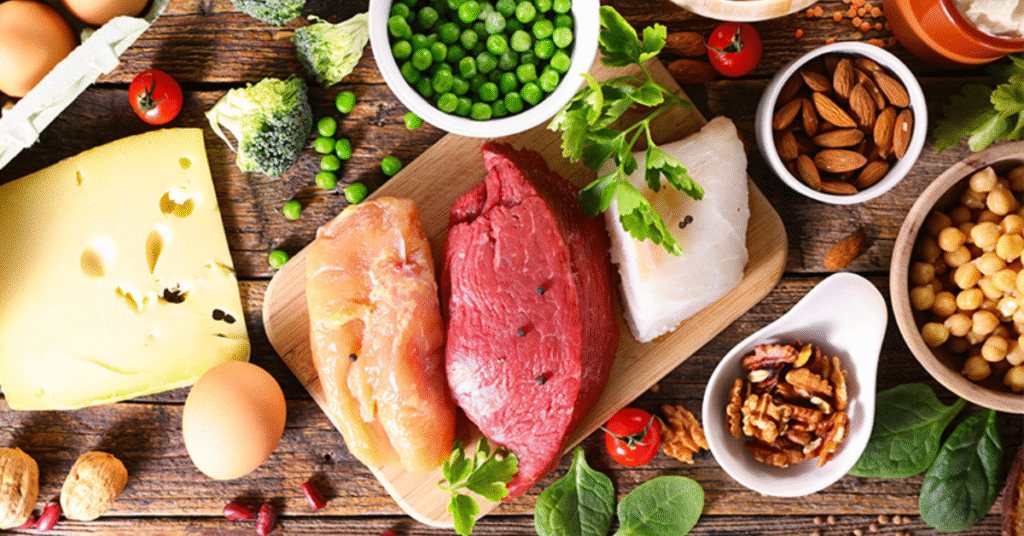
1. Greek Yogurt
Greek yogurt has gained immense popularity as a staple in health-conscious diets due to its impressive protein content and versatility. With approximately 20 grams of protein per cup, it stands out as one of the best high-protein foods that can keep you satiated throughout the day. This dairy product is thicker and creamier than regular yogurt, making it an appealing option for many individuals looking to boost their protein intake.
One of the notable health benefits of Greek yogurt is its rich content of probiotics, which are beneficial bacteria that support gut health. These probiotics can aid in digestive regularity and may enhance the immune system. Furthermore, Greek yogurt is an excellent source of calcium, which is essential for maintaining strong bones and overall skeletal health. Additionally, its high protein content contributes to muscle repair and growth, making it a great post-workout food.
Incorporating Greek yogurt into your meals is quite simple and can be done in various ways. For breakfast, you can enjoy it plain or topped with fresh fruits, nuts, or granola to create a nutritious start to your day. As a snack, consider mixing it with honey or a sprinkle of cinnamon for added flavor. Greek yogurt also serves as an excellent base for smoothies, providing a creamy texture and a protein boost. You can blend it with leafy greens, berries, and a source of healthy fat like avocado for a nutrient-rich drink. Furthermore, it can be used in savory dishes; for example, it can replace sour cream in dips or as a topping for baked potatoes and tacos.
In summary, Greek yogurt is a versatile, high-protein food that supports overall health, making it a perfect choice for those looking to feel full and satisfied throughout the day.
2. Quinoa
Quinoa, often hailed for its impressive nutritional profile, stands out as a complete protein source, providing approximately 8 grams of protein per cooked cup. This gluten-free grain contains all nine essential amino acids, making it an excellent option for those seeking a nutritious alternative to traditional grains. Unlike many other plant-based proteins, quinoa offers a balanced amino acid composition, which is crucial for muscle repair and general health.
Beyond being a protein powerhouse, quinoa is also rich in dietary fiber, enabling it to promote satiety and digestion. Furthermore, it is packed with micronutrients such as magnesium, iron, and B vitamins, contributing to overall well-being. The combination of protein and fiber in quinoa makes it an ideal food choice for individuals aiming to maintain fullness throughout the day.
Quinoa’s versatility allows it to be incorporated into a variety of meals seamlessly. It can serve as an excellent grain replacement in numerous dishes, from vegetable stir-fries to vibrant salads and nourishing bowls. For those looking to maximize its use, consider preparing a quinoa salad loaded with diced vegetables, a drizzle of olive oil, and a squeeze of lemon juice for a refreshing meal. Alternatively, quinoa can be used in breakfast recipes, such as a quinoa porridge topped with fruits and nuts, offering a healthy start to the day.
For a heartier option, quinoa can be used as a base for grain bowls, garnished with your choice of protein, such as grilled chicken or chickpeas, plus your favorite sauces or dressings. This not only boosts protein intake but also enhances flavor and texture, ensuring every meal is satisfying. Whether served cold or hot, quinoa is a delightful addition to any dish, making it an essential fixture in a high-protein diet.
3. Lentils
Lentils are an exceptional source of plant-based protein, providing approximately 18 grams of protein per cooked cup. This makes them an ideal choice for individuals seeking to enhance their protein intake without consuming animal products. Beyond their protein content, lentils are also rich in dietary fiber, which is essential for maintaining a healthy digestive system. Fiber helps regulate blood sugar levels and promotes a feeling of fullness, making lentils a fantastic food to keep hunger at bay.
One of the many advantages of lentils is their affordability and versatility. They can be found in various forms, including green, brown, red, and black lentils, each offering unique textures and flavors. This variety allows for a wide range of culinary uses. Lentils can be easily incorporated into soups, stews, and casseroles, or enjoyed as a hearty addition to salads. Their ability to absorb flavors allows them to pair well with various herbs, spices, and other ingredients.
In addition to their protein and fiber content, lentils also boast numerous health benefits. They are packed with essential nutrients, including iron, folate, and magnesium, which are crucial for maintaining overall health. Regular consumption of lentils has been associated with improved heart health due to their cholesterol-lowering properties. Furthermore, their low glycemic index makes them an excellent choice for individuals looking to manage their weight, as they help regulate appetite and provide sustained energy throughout the day.
Incorporating lentils into your diet can be as simple as adding them to your favorite recipes or experimenting with new ones. Whether you choose to create a comforting lentil soup or a refreshing lentil salad, this high-protein food offers both nourishment and satisfaction, making it a vital part of any balanced diet.
4. Chicken Breast
Chicken breast is widely recognized for its high protein content and low-fat profile, making it a staple in many diets, especially those aiming for muscle gain or weight management. A typical serving of approximately 3 ounces contains about 26 grams of protein while providing minimal fat, contributing to its reputation as a healthy protein source. This characteristic makes chicken breast an excellent option for individuals looking to maintain satiety throughout the day without adding unnecessary calories.
One of the challenges with chicken breast is ensuring it remains moist and flavorful during cooking. Several methods can help achieve this goal. Grilling, poaching, and baking can be effective techniques. For example, marinating chicken breast in a mix of lemon juice, garlic, and herbs prior to grilling can infuse it with flavor, while also helping to tenderize the meat, preventing it from drying out. Additionally, using a food thermometer to ensure the interior reaches 165°F can prevent overcooking while preserving juiciness.
Meal prep ideas featuring chicken breast abound, catering to various culinary preferences. One simple approach is to prepare a large batch of grilled chicken breasts to use throughout the week. They can be sliced and added to salads, wraps, or grain bowls, ensuring that each meal is balanced and satisfying. Another delicious option is creating a chicken stir-fry with colorful vegetables and a light sauce, which not only enhances the dish’s flavor but also contributes additional nutrients. By incorporating chicken breast into recipes and meal prep, it becomes easy to enjoy this lean protein source while remaining full and satisfied.
5. Tofu
Tofu, derived from soybeans, is a highly adaptable plant-based protein option that contains approximately 20 grams of protein per cup. Its low-calorie content combined with a high protein profile makes it an excellent choice for those looking to maintain satiety throughout the day. Tofu is particularly notable in vegetarian and vegan diets due to its ability to emulate various textures and flavors, ensuring it remains a culinary staple.
When it comes to preparing tofu, understanding the different types available is pivotal. The three main varieties include firm, soft, and silken tofu. Firm tofu is suitable for stir-fries, grilling, or baking, as it holds its shape well under heat. Soft tofu, on the other hand, is ideal for soups or as a dairy substitute in dishes such as smoothies and desserts. Silken tofu has a creamy texture perfect for blending into sauces or puddings, making it a versatile ingredient in both savory and sweet recipes.
Preparing tofu properly enhances its flavor and texture. A popular method is pressing the tofu to remove excess moisture, allowing it to better absorb marinades and spices. To press tofu, wrap it in a clean kitchen towel and place a weight on top for about 30 minutes. Once pressed, tofu can be marinated in various sauces, such as soy sauce, sesame oil, or teriyaki sauce, for at least 15 minutes before cooking. This step enriches the flavor profile, transforming tofu into a delightful addition to any meal.
Tofu serves as an excellent protein source in vegetarian and vegan diets, providing essential amino acids that are crucial for overall health. Incorporating tofu into meals can help meet daily protein needs while also contributing to a balanced diet. Its versatility allows for diverse culinary applications, ranging from salads and stir-frys to smoothies and desserts, making it an indispensable ingredient for health-conscious individuals.
6. Eggs
Eggs are a remarkable source of nutrition, offering approximately 6 grams of high-quality protein per large egg. This protein is essential for muscle repair, boosting metabolism, and keeping one feeling full throughout the day. In addition to their impressive protein content, eggs are packed with healthy fats, which play a significant role in satiety. They also provide a wealth of vitamins and minerals, including vitamin D, B vitamins, and selenium, contributing to overall health.
One of the most popular ways to consume eggs is for breakfast. Scrambled, poached, or boiled, eggs make for a quick and versatile meal that can be easily paired with vegetables, whole grains, or avocados for added flavor and nutrition. Their culinary flexibility allows them to shine not only at breakfast but also in lunches and dinners. Egg-based dishes, such as frittatas, omelets, and quiches, can be loaded with an array of vegetables, thereby enhancing their nutritional profile and making them a great choice for any meal.
Moreover, eggs’ satiating properties are well-documented. Studies have shown that incorporating eggs into a balanced meal can lead to increased feelings of fullness, which may help reduce calorie intake later in the day. This makes eggs an excellent option for those looking to manage their weight. A high-protein breakfast featuring eggs can stave off hunger, potentially reducing the temptation to snack during mid-morning hours. Additionally, eggs can aid in maintaining lean muscle mass, which is vital for a healthy metabolism and effective weight control.
7. Cottage Cheese
Cottage cheese is a protein-rich dairy product that is often underestimated in terms of its culinary versatility and health benefits. With approximately 28 grams of protein per cup, it stands out as an excellent choice for those striving to increase their protein intake. Its creamy texture makes it an appealing addition to both sweet and savory dishes, providing adaptability for various meals and snacks throughout the day.
The rich protein content of cottage cheese plays a significant role in muscle growth and repair, making it particularly beneficial for athletes and those involved in strength training. Additionally, cottage cheese can aid in weight management, as it promotes satiety due to its high protein levels. Consuming foods that are high in protein like cottage cheese can help individuals feel fuller for longer periods, reducing the temptation to snack on less nutritious options.
Incorporating cottage cheese into your diet is simple and can be tailored to personal taste preferences. One popular approach is to enjoy it as a snack, paired with fruits such as berries or sliced peaches, which enhance its flavor profile while adding vitamins and minerals. Alternatively, it can be utilized in savory dishes; for instance, mixing cottage cheese with herbs and spices provides a nutritious dip for vegetables or whole-grain crackers. It can also be added to salads, baked goods, or even blended into smoothies for an extra protein boost.
Overall, cottage cheese is a nutrient-dense food that can play a crucial role in a balanced diet. Its high protein content, creamy texture, and versatility make it an ideal choice for those looking to stay full, manage their weight efficiently, and support muscle health.
8. Chia Seeds
Chia seeds are an exceptional source of protein, providing approximately 5 grams of protein for every 2 tablespoons. This small but mighty seed not only contributes to your daily protein intake but also offers an impressive amount of fiber and heart-healthy omega-3 fatty acids. Due to their unique property of absorbing liquid, chia seeds can swell significantly and form a gel-like texture when soaked. This characteristic makes them a versatile ingredient for various culinary applications, particularly in recipes for puddings, smoothies, and health bars.
When incorporated into meals, chia seeds add a delightful crunch and enhance the nutritional value without overwhelming the dish’s flavor. For example, combining soaked chia seeds with almond milk, vanilla extract, and a hint of sweetener creates a delightful pudding that can be enjoyed as a wholesome breakfast or snack. Additionally, adding them to smoothies not only boosts the protein content but also helps create a creamy texture, making every sip satisfying.
The health benefits of consuming chia seeds extend beyond their protein content. The high fiber content promotes digestive health by facilitating regular bowel movements and reducing bloating. Moreover, the omega-3 fatty acids found in chia seeds support heart health by lowering inflammation and improving cholesterol levels. By incorporating chia seeds into your diet, you not only enhance the protein profile of your meals but also contribute positively to your overall well-being.
In summary, chia seeds are a high-protein food that offers numerous health advantages and versatile culinary possibilities. Whether as a pudding or blended into your favorite smoothie, these tiny seeds can significantly contribute to a filling, nutritious diet.
9. Almonds
Almonds are a nutrient-dense food that offer a well-rounded profile of essential nutrients, contributing significantly to daily protein needs. Each ounce contains approximately 6 grams of protein, making them an excellent source for individuals seeking to increase protein intake. In addition to their protein content, almonds are rich in healthy monounsaturated fats and dietary fiber, both of which play a pivotal role in promoting satiety and managing hunger throughout the day.
One important health benefit of almonds is their positive impact on heart health. Research suggests that the consumption of almonds may lead to improved cholesterol levels and reduced inflammation, factors that are crucial in reducing the risk of cardiovascular diseases. Furthermore, the fiber content in almonds aids in digestion, while the array of vitamins and minerals, such as vitamin E and magnesium, support overall well-being.
Incorporating almonds into your diet can be both easy and enjoyable. They can be added to a variety of dishes for enhanced flavor and texture. For instance, tossing a handful of sliced almonds into a green salad can provide a delightful crunch while boosting protein and healthy fat content. Alternatively, mixing almonds into yogurt with fresh fruits can serve as a satisfying and nutritious snack. Furthermore, blanched almonds can be ground into almond flour, allowing you to create healthier versions of baked goods, thereby maintaining a balance in calorie intake.
Ultimately, integrating almonds into your diet not only enhances your daily protein consumption but also contributes to multiple health benefits. Their versatility ensures that they can be seamlessly included in various meals and snacks, supporting weight management efforts without compromising taste or satisfaction.
10. Edamame
Edamame, which refers to young soybeans, is increasingly recognized as a highly nutritious food choice, particularly for those seeking to increase their protein intake. A single cup of cooked edamame can provide approximately 17 grams of protein, making it an exceptional option for vegetarians and vegans looking to enhance their daily protein consumption. This plant-based protein source not only satisfies hunger but also delivers a host of other nutritional benefits.
One of the appealing aspects of edamame is its versatility as a snack. It can be enjoyed steamed and lightly salted, offering a delicious and healthy mid-afternoon pick-me-up. Additionally, edamame can be seamlessly incorporated into various dishes, enhancing both flavor and nutrient density. For example, it serves as a vibrant addition to salads, where its unique texture contrasts with crisp vegetables, or can be blended into pasta dishes, imparting a satisfying protein boost. Furthermore, edamame is a staple in many Asian cuisines, frequently appearing in dishes such as stir-fries and sushi, where it adds a nutritious component without excessive calories.
The nutritional profile of edamame extends beyond protein. This food is a good source of dietary fiber, aiding digestion and promoting a feeling of fullness that helps curb overeating. Edamame is also rich in antioxidants, which play a crucial role in combating oxidative stress and reducing inflammation in the body. These beneficial compounds contribute to overall health and well-being.
Preparing edamame at home is straightforward and quick. You can easily boil or steam the pods for just a few minutes and season them according to your preference, making it a convenient choice for a nutrient-rich addition to any meal. Overall, incorporating edamame into your diet can be an effective way to bolster your protein intake while enjoying its various health benefits.