
10. Yogurt
Yogurt is widely recognized as a probiotic-rich food that plays a significant role in promoting digestive health. This dairy product is fermented with beneficial bacteria, including live cultures such as Lactobacillus and Bifidobacterium. These probiotics are vital for maintaining a balanced gut microbiome, which is essential for optimal digestion. A healthy gut flora not only aids digestion but also enhances the body’s ability to absorb essential nutrients from the foods consumed.
One of the key benefits of yogurt is its potential to alleviate digestive discomfort. Regular consumption of yogurt can help to relieve symptoms associated with conditions such as irritable bowel syndrome (IBS), bloating, and constipation. The presence of probiotics in yogurt works to restore the natural balance of bacteria in the gut, which can alleviate issues related to gut dysbiosis. Additionally, yogurt contains prebiotic fibers that feed the beneficial bacteria, promoting their growth and stability within the digestive system.
Moreover, yogurt has been shown to promote regular bowel movements, an essential aspect of digestive health. The live cultures in yogurt can enhance gut motility, ensuring that food moves smoothly through the digestive tract. This is particularly beneficial for individuals who struggle with sluggish digestion or irregular bowel patterns. Furthermore, yogurt can be an excellent option for those who may be lactose intolerant, as many varieties are easier to digest than other dairy products.
Incorporating yogurt into your daily diet is simple and versatile. It can be enjoyed on its own, added to smoothies, or used as a base for dressings and sauces. With its multifaceted role in supporting digestive health, yogurt is undoubtedly a valuable addition to any nutrition plan aimed at improving digestion and overall well-being.
9. Ginger
Ginger, scientifically known as Zingiber officinale, has been used for centuries in various cultures for its medicinal properties, particularly in enhancing gastrointestinal health. Its carminative qualities make it particularly effective in reducing bloating, gas, and discomfort associated with poor digestion. The active compounds in ginger, such as gingerol and shogaol, are known to stimulate the secretion of digestive enzymes. This stimulation leads to a more efficient breakdown and absorption of nutrients, promoting overall digestive health.
Incorporating ginger into your diet can be quite simple and enjoyable. Fresh ginger can be grated and added to various dishes, including stir-fries, soups, or smoothies, providing a spicy kick while improving digestion. Additionally, ginger tea is an excellent option; brewing fresh ginger slices in hot water for several minutes releases its beneficial compounds. This soothing beverage not only aids in digestion but also calms nausea and upset stomachs, making it a favorite remedy for morning sickness and motion sickness.
Another way to consume ginger is by incorporating it into marinades or salad dressings. Ginger’s unique flavor enhances a variety of meals while providing the digestive benefits it is renowned for. Furthermore, ginger supplements are available for those who may find it inconvenient to include fresh ginger in their meals regularly. However, it is advisable to consult with a healthcare professional before starting any supplements.
Overall, ginger stands out as an effective natural food that can significantly enhance digestive health. Its ability to alleviate symptoms of bloating, gas, and nausea makes it a valuable addition to any diet. Embracing ginger in various culinary forms not only contributes to better digestion but also adds flavor and health benefits to meals.
8. Apples
Apples are not only a delicious fruit but also serve as an excellent addition to any diet, particularly for individuals seeking to enhance their digestive health. One of the primary reasons apples are revered for their digestive benefits is their high dietary fiber content. Specifically, apples are rich in pectin, a soluble fiber that acts as a prebiotic, feeding the beneficial bacteria in the gut. This can lead to improved gut health and a more balanced microbiome.
The fiber in apples promotes regular bowel movements by adding bulk to the stool, which can help prevent constipation. A single medium-sized apple contains about 4 grams of dietary fiber, which is approximately 17% of the daily recommended intake for adults. By incorporating apples into your diet, you can increase your fiber intake, thus facilitating smoother digestion and preventing gastrointestinal issues.
In addition to aiding in digestion, apples also contain various antioxidants and flavonoids that can promote overall health. These nutrients are essential for reducing inflammation and protecting the gut lining, which can further enhance digestive wellness. The high water content in apples facilitates hydration, which is also crucial for regular digestion.
Moreover, apples have been known to support weight management, as their fiber content can promote feelings of fullness, potentially leading to reduced calorie intake throughout the day. This control can also help manage digestive health by minimizing the risk of overeating, which can strain the digestive system.
Incorporating apples into your meals is simple; they can be eaten raw, added to salads, cooked into dishes, or blended into smoothies. By making apples a staple in your diet, you can harness their numerous benefits for improved digestion and overall well-being.
7. Leafy Greens
Leafy greens, such as spinach, kale, arugula, and Swiss chard, are largely recognized for their nutritional benefits, particularly in relation to digestive health. These vegetables are abundant in dietary fiber, which plays a crucial role in promoting regular bowel movements and preventing constipation. Consuming adequate fiber from sources like leafy greens helps to maintain gut harmony by supporting the growth of healthy gut bacteria and facilitating the efficient elimination of waste from the digestive tract.
Additionally, leafy greens are rich in essential vitamins such as vitamins A, C, K, and several B vitamins, which are vital for overall health. Vitamin C is particularly noteworthy as it can enhance the absorption of iron found in plant-based foods, while vitamin K contributes to gut health by assisting in blood clotting and maintaining a healthy balance of gut bacteria. Furthermore, the high water content in leafy greens contributes to hydration, which is also key for proper digestion.
Incorporating leafy greens into your meals can be both creative and enjoyable. They can serve as the base for salads or be blended into smoothies, allowing for easy consumption of multiple servings at once. Cooking options like sautéing spinach with olive oil and garlic or adding kale to soups can also enhance flavor while reaping the digestive benefits. For a quick dietary boost, consider adding arugula or baby spinach to sandwich spreads or wraps. These subtle changes not only elevate the nutritional value of everyday meals but also contribute to improved digestive function.
By embracing a variety of leafy greens, individuals can bolster their digestive health effectively while enjoying a range of flavors and textures in their diets.
6. Bananas
Bananas are widely recognized not only as a convenient snack but also as a natural food that offers numerous health benefits, particularly for digestion. Rich in potassium, these fruits play a vital role in maintaining electrolyte balance and regulating muscle contractions, which is essential for digestive function. Additionally, bananas are an excellent source of fiber, especially soluble fiber, which has a unique role in enhancing gastrointestinal health.
The soluble fiber found in bananas, primarily in the form of pectin, helps to form a gel-like consistency in the gut. This characteristic provides a soothing effect on the digestive tract and aids in slowing down the digestion process, allowing for better nutrient absorption. Moreover, the fiber content in bananas helps to regulate bowel movements by adding bulk to the stool, effectively preventing constipation. This preventive quality is particularly beneficial for individuals who experience irregular digestive patterns or discomfort.
Including bananas in your diet can be simple and enjoyable. Whether eaten raw, blended into smoothies, or incorporated into baked goods, bananas offer versatility in meal preparation. They can also be paired with other digestive-friendly foods like yogurt, nut butter, or oats, creating a wholesome and balanced meal or snack option. Furthermore, their natural sweetness eliminates the need for added sugars, making them a wholesome choice for those mindful of their sugar intake.
Incorporating bananas into your daily diet not only promotes digestive health but also contributes to your overall well-being. By considering this simple yet effective food, you can take a proactive step toward improving your digestion naturally and supporting a healthy gut environment.
5. Fermented Foods
Fermented foods have gained increasing recognition for their profound impact on digestive health. These foods, which include items like sauerkraut, kimchi, yogurt, and kefir, are rich in probiotics—beneficial bacteria that play a vital role in maintaining gut health. The fermentation process enhances the bioavailability of nutrients and results in the creation of these beneficial microorganisms. Regular consumption of fermented foods can significantly contribute to improved digestion.
One of the most widely known fermented foods is yogurt, which contains live cultures that can help balance gut flora. The bacteria in yogurt aid in breaking down food and facilitate efficient digestion, reducing the likelihood of gastrointestinal discomfort. Another popular fermented option is sauerkraut, made from fermented cabbage. This tangy dish not only provides fiber but also a rich source of probiotics, which can enhance the gut microbiome, promoting overall digestive health.
Kimchi, a staple in Korean cuisine, is another excellent choice for those looking to improve their digestion. This spicy fermented vegetable dish is packed with nutrients and offers an array of beneficial bacteria. Research suggests that consuming kimchi regularly can support digestion by regulating gut health and stimulating beneficial gut bacteria growth.
Kefir, a fermented dairy product similar to yogurt, is also highly regarded for its probiotic content. Its unique combination of beneficial yeasts and bacteria can help increase the diversity of gut flora, which is crucial for healthy digestion. Incorporating these fermented foods into one’s diet not only supports digestive function but also enhances nutrient absorption and immunity.
By focusing on fermented foods, individuals can take significant steps toward improving their digestive health. Including these foods in daily meals can aid in restoring the balance of gut bacteria, contributing to a more effective and efficient digestive process.
4. Oats
Oats, a popular whole grain, are highly regarded for their significant health benefits, especially when it comes to digestion. Rich in soluble fiber, oats contain a specific type of fiber known as beta-glucan. This soluble fiber not only aids in promoting smooth bowel movements but also contributes to the sensation of fullness, helping to regulate appetite. The presence of beta-glucan slows down the digestion process, allowing for better nutrient absorption and facilitating a gentle passage of food through the digestive tract.
Including oats in your diet can be particularly advantageous for maintaining stable blood sugar levels. The fiber within oats forms a gel-like consistency in the gut, which slows glucose absorption, thereby preventing spikes and drops in blood sugar. This regulation is crucial, especially for individuals with diabetes or those seeking to manage their weight effectively.
There are myriad ways to incorporate oats into your daily meal plan. A classic method is enjoying a warm bowl of oatmeal. To prepare oatmeal, simply cook rolled or steel-cut oats in water or milk until they reach the desired consistency. Topping your oatmeal with fresh fruits, nuts, or a dash of honey can further enhance its nutritional profile while adding appealing flavors. Alternatively, oats can be cold-soaked overnight to make overnight oats, a convenient on-the-go breakfast option that retains all nutritional benefits. Furthermore, ground oats can be utilized in smoothies or baked goods, such as muffins or pancakes, providing a nutritious twist to your favorite recipes.
By integrating oats into breakfasts or snacks, individuals can significantly enhance their digestive health while enjoying a versatile and nutritious food. They serve as an easy addition to various meals, making them an ideal choice for those looking to improve their overall digestive function.
3. Chia Seeds
Chia seeds, derived from the Salvia hispanica plant, have garnered attention for their numerous health benefits, particularly concerning digestive health. These tiny seeds are incredibly rich in dietary fiber, containing approximately 34 grams of fiber per 100 grams. This high fiber content is instrumental in promoting optimal digestion. When chia seeds come into contact with water, they can absorb up to 12 times their weight, forming a gel-like consistency. This property not only helps to soften stools but also aids in regulating bowel movements.
Incorporating chia seeds into your diet is relatively straightforward. They can be added to smoothies, oatmeal, and yogurt, enhancing the fiber content of these meals. Additionally, chia seeds can be used as a thickening agent in various recipes. To create a simple chia pudding, combine three tablespoons of chia seeds with a cup of your choice of milk (or a dairy-free substitute) and allow it to sit for at least 30 minutes until it reaches a thick consistency. Flavor the pudding with fruits, nuts, or honey to create a delicious and nutritious breakfast or snack.
The benefits of chia seeds extend beyond their fiber content. They are rich in omega-3 fatty acids, antioxidants, and essential minerals, all contributing to overall health. The presence of these nutrients not only helps in improving digestion but also supports heart health and regulates blood sugar levels. Regular consumption of chia seeds has been linked to reduced inflammation, which can further aid in digestive processes. Thus, adding chia seeds to your diet offers a simple yet effective strategy to enhance digestive health while enjoying a versatile food source.
2. Pineapple
Pineapple is not only a delicious tropical fruit; it is also well-documented for its digestive benefits. One of the key components of pineapple is bromelain, a proteolytic enzyme that assists in the breakdown of proteins, thereby facilitating the digestive process. This enzyme plays a significant role in improving digestion, making pineapple an excellent addition for individuals seeking to alleviate various digestive issues. By enhancing protein digestion, bromelain may help reduce symptoms such as bloating, gas, and indigestion.
The consumption of fresh pineapple can have a positive impact on digestive health. This fruit contains a wealth of dietary fiber, which is crucial for promoting regular bowel movements and preventing constipation. Fiber contributes to overall gut health by fostering the growth of beneficial gut bacteria. In addition, the natural acidity of pineapple can stimulate gastric juices, further aiding in the digestive process. Incorporating pineapple into one’s diet can not only be a tasty option but also a practical approach to promote a healthier digestive system.
There are numerous ways to enjoy fresh pineapple and reap its digestive benefits. One can simply slice it and consume it as a refreshing snack or add it to fruit salads for added sweetness and nutrition. Pineapple can also be blended into smoothies, allowing for the incorporation of other digestive-friendly ingredients like spinach or yogurt. For those who enjoy cooking, adding pineapple to savory dishes, such as stir-fries or grilled meats, can provide a delightful contrast of flavors while enhancing digestive support.
For individuals experiencing digestive discomfort, fresh pineapple serves as a palatable and effective remedy. By integrating this nutrient-rich fruit into meals or snacks, you can harness the digestive benefits it offers while enjoying its tropical taste.
1. Nuts and Seeds
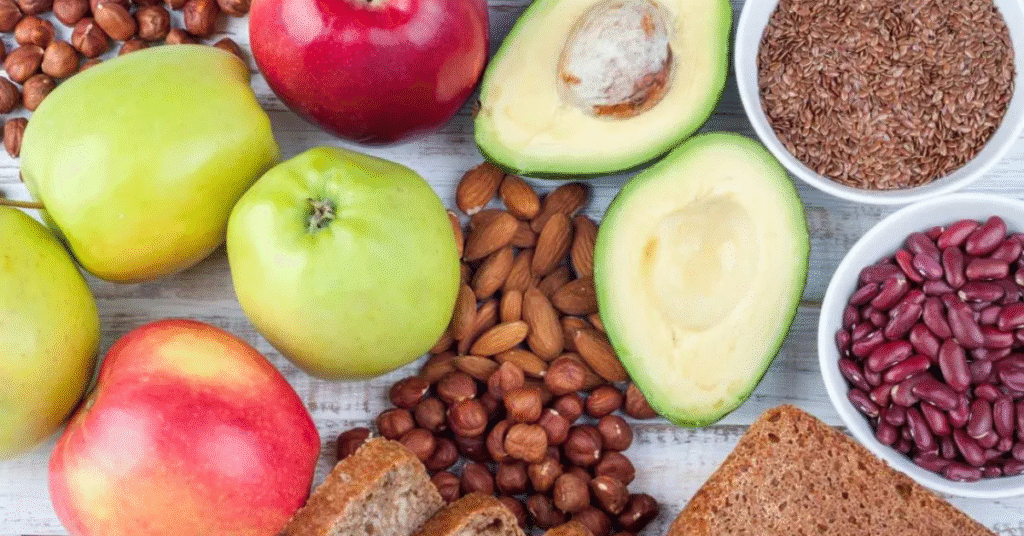
Nuts and seeds are not only popular snack options but also play a crucial role in enhancing digestive health. Among various types, almonds and flaxseeds stand out due to their unique combination of healthy fats, protein, and fiber. These components are essential for smooth digestion and can significantly help alleviate common digestive issues.
Almonds are a powerhouse of nutrients that contribute positively to digestive health. Their high fiber content helps regulate bowel movements, thereby preventing constipation. Additionally, almonds contain healthy fats that aid in the absorption of essential nutrients. Incorporating a handful of almonds into your daily diet can bolster your digestive system while promoting overall well-being.
Flaxseeds, on the other hand, are renowned for their exceptional fiber content and omega-3 fatty acids. The soluble fiber in flaxseeds can help retain water in the intestines, resulting in softer stool and easier passage. Moreover, flaxseeds contain lignans, which have been shown to support gut health and may help combat digestive disorders. Including ground flaxseeds in your smoothies or salads can enhance your digestive efficiency and provide added nutritional benefits.
Incorporating a variety of nuts and seeds into your meals can be simple. Whether you opt for a trail mix, add them to your breakfast cereals, or use nut butter on whole-grain bread, these foods can seamlessly fit into your daily diet. It is advisable to consume them in moderation, as they are calorie-dense. By making these diet changes, you can enjoy improved digestion and experience the multitude of health benefits that nuts and seeds offer.