
12. Sweet Potatoes
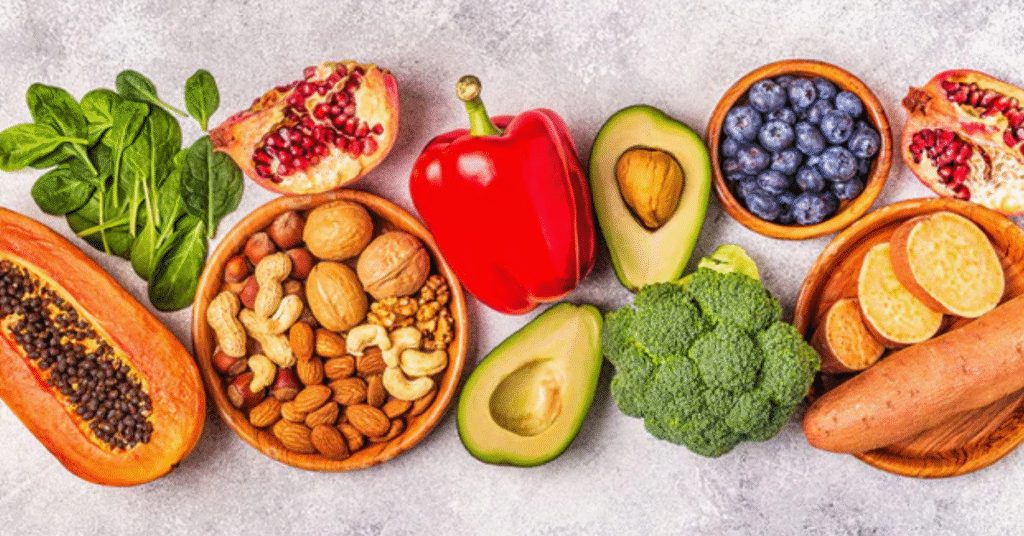
Sweet potatoes are often lauded for their numerous health benefits, particularly in the context of anti-aging. Rich in beta-carotene, this vibrant root vegetable is transformed in the body into vitamin A, which plays a vital role in maintaining healthy skin. Vitamin A is known for its ability to promote cell turnover, aiding in the skin’s ability to renew itself. This contributes to a youthful appearance by diminishing the appearance of fine lines and enhancing skin elasticity.
Additionally, sweet potatoes are an excellent source of vitamin C, another crucial nutrient for skin health. Vitamin C is essential in the synthesis of collagen, a protein that helps maintain skin structure and firmness. By incorporating sweet potatoes into your diet, you are not only boosting your vitamin C intake but also supporting overall skin resilience and hydration. The antioxidant properties of vitamin C also help to combat oxidative stress caused by free radicals, further contributing to the skin’s vitality.
Furthermore, sweet potatoes are high in dietary fiber, which benefits the overall digestive system. A healthy gut can lead to better nutrient absorption and improved skin health. Fiber assists in regulating blood sugar levels, reducing inflammation, and promoting a healthy balance of gut bacteria, all of which are essential for a youthful look. The combination of these nutrients makes sweet potatoes a beneficial addition to an anti-aging diet.
Incorporating sweet potatoes into daily meals is simple and versatile. They can be baked, boiled, or mashed, allowing for easy inclusion in various dishes. Whether enjoyed as a main dish or a side, sweet potatoes serve as a delicious ally in the pursuit of a more youthful appearance.
11. Blueberries
Blueberries, often celebrated for their vibrant color and delightful taste, are notably rich in antioxidants, making them a vital addition to any anti-aging diet. The primary antioxidants found in blueberries are called anthocyanins, which are responsible for their deep blue hue. These powerful compounds play a significant role in combating oxidative stress by neutralizing free radicals, which are unstable molecules that can cause cellular damage and accelerate the aging process.
The rich anthocyanin content in blueberries has been linked to numerous health benefits, particularly in promoting skin health. By effectively reducing oxidative stress, blueberries support the maintenance of skin elasticity, which is crucial for a youthful appearance. With age, skin tends to lose its firmness and elasticity, leading to wrinkles and sagging. Incorporating blueberries into one’s daily diet can enhance skin resilience and contribute to a more vibrant complexion.
Furthermore, studies have suggested that regular consumption of blueberries may improve overall skin health not just by providing antioxidants but also by enhancing collagen production. Collagen is an essential protein that helps to keep the skin plump and supple. As one ages, collagen production declines, leading to visible signs of aging. Therefore, including antioxidant-rich foods such as blueberries can be a strategic approach in the quest for youthful skin.
In addition to their skin benefits, blueberries offer various other health advantages, such as supporting heart health and cognitive function. They are low in calories yet packed with vitamins and minerals, making them an ideal snack or addition to smoothies, oatmeal, and salads. Embracing the consumption of blueberries is not only a delicious choice, but also a proactive measure towards maintaining one’s youthful vitality.
10. Spinach
Spinach is a nutrient-dense leafy green that is particularly beneficial when striving for a healthy and youthful appearance. It is abundant in essential vitamins such as A, C, and K. These vitamins play a crucial role in promoting skin health. Vitamin A is known for its ability to rejuvenate the skin, helping to increase cell turnover and reduce the visibility of fine lines and wrinkles. Meanwhile, vitamin C is a powerful antioxidant that protects the skin against oxidative stress, ultimately supporting collagen production, which is vital for maintaining skin elasticity.
In addition to vitamins, spinach is a remarkable source of lutein, a carotenoid that contributes significantly to skin hydration and elasticity. Lutein works by supporting the skin’s moisture barrier, which is essential for keeping the skin plump and radiant. This increased hydration can serve to diminish the appearance of dryness and improve overall skin texture—two characteristics that contribute to a more youthful look.
Furthermore, the antioxidants found in spinach help neutralize free radicals that can lead to premature aging. Regular consumption of spinach not only aids in maintaining skin health but also supports the body’s overall well-being. Incorporating spinach into your daily diet can be simple and enjoyable; it can be used in salads, smoothies, or as a cooking ingredient in various dishes. Thus, the inclusion of spinach as a part of your anti-aging strategy can significantly boost your skin’s youthful appearance while providing a wealth of health benefits.
9. Salmon
Salmon is widely recognized as one of the most beneficial foods you can consume for maintaining youthful skin and overall health. This fatty fish is particularly rich in omega-3 fatty acids, which have been shown to significantly impact skin health. Omega-3s play a crucial role in maintaining the skin’s lipid barrier, which helps to lock in moisture and keep the skin hydrated. This hydration is essential for maintaining a plump and youthful appearance, as well as reducing the visibility of fine lines and wrinkles.
Moreover, the anti-inflammatory properties of omega-3 fatty acids help to combat inflammation in the body, which can otherwise contribute to a range of skin conditions, including acne, eczema, and psoriasis. By incorporating salmon into your diet regularly, you not only provide your body with essential nutrients but also help reduce skin-related inflammation, promoting a healthier complexion. This anti-inflammatory effect underscores the importance of omega-3 fatty acids in an anti-aging diet.
In addition to its omega-3 content, salmon is an excellent source of high-quality protein, which is vital for skin elasticity and repair. Protein acts as a building block for collagen and elastin, two proteins fundamental to maintaining the skin’s structure and firmness. Insufficient protein intake can lead to sagging skin and a loss of elasticity, which often accompanies the aging process. Therefore, including salmon as part of a balanced diet not only provides essential fatty acids but also supports the body’s natural processes for skin regeneration and repair.
8. Avocados
Avocados are a nutrient-dense fruit that should be a staple in any anti-aging diet. They are rich in healthy monounsaturated fats, which play a crucial role in maintaining skin health. These fats not only support the skin’s barrier function but also help in keeping it hydrated and pliable. Maintaining skin moisture is vital for a youthful appearance, as dehydration can lead to the formation of fine lines and wrinkles.
In addition to healthy fats, avocados are an excellent source of vitamins E and C. Vitamin E is a potent antioxidant that protects the skin from oxidative damage caused by environmental stressors such as pollution and UV radiation. It also helps to improve skin texture and tone. Vitamin C, on the other hand, is essential for collagen production, which is necessary for skin elasticity. A diet rich in these vitamins can significantly enhance the skin’s overall health and improve its resilience against aging.
Moreover, avocados contain a significant amount of potassium, which aids in regulating fluid balance and can prevent the skin from becoming puffy. Potassium also supports the healthy functioning of cells and tissues, further contributing to a vibrant complexion. The anti-inflammatory properties inherent in avocados provide additional benefits by reducing skin redness and irritation, leading to a more even skin tone.
Incorporating avocados into your daily meals can be a delicious way to nourish your skin from within. Whether blended into smoothies, spread on toast, or added to salads, the versatility of avocados makes it easy to enjoy their myriad of health benefits. By doing so, you can harness their powerful nutrients to maintain youthful, glowing skin.
7. Nuts
Nuts, particularly almonds and walnuts, play a vital role in promoting skin health due to their rich nutritional profile. These small yet powerful foods are packed with healthy fats, specifically mono- and polyunsaturated fats, which contribute to maintaining skin moisture and elasticity. This is especially important as skin tends to lose its firmness and hydration with age, leading to the formation of wrinkles and fine lines. Consuming nuts regularly helps support the structure of healthy cell membranes, which is essential for achieving a youthful appearance.
Almonds, for instance, are an exceptional source of vitamin E, a critical antioxidant that protects skin cells from oxidative stress caused by free radicals. Free radicals are unstable molecules that can damage skin proteins like collagen and elastin, resulting in premature aging. Vitamin E, found in abundance in nuts, aids in neutralizing these harmful molecules, encouraging a smoother and more resilient skin texture. Moreover, vitamin E is known for its inflammatory properties that soothe the skin, making it a perfect addition to an anti-aging diet.
Walnuts, on the other hand, provide a unique combination of omega-3 and omega-6 fatty acids, which can help to bolster skin hydration and resilience. These essential fatty acids improve cell membrane functionality, keeping skin cells plump and well-nourished. In addition, walnuts contain polyphenolic compounds that exhibit antioxidant properties, which support skin’s defense against environmental stressors such as UV radiation and pollution.
In essence, regularly incorporating nuts, especially almonds and walnuts, into your daily meals can significantly enhance skin health. Their combined effects of healthy fats, vitamin E, and antioxidants underscore their importance as powerful anti-aging foods that contribute to radiant and youthful skin.
6. Dark Chocolate
Dark chocolate, particularly varieties with a high cocoa content, is not only a delicious treat but also a significant source of beneficial compounds known as flavonoids. These naturally occurring antioxidants play a crucial role in protecting the skin from harmful UV rays, which is a common cause of premature aging and skin-related issues. By enhancing skin’s natural defense mechanisms, flavonoids contribute to a healthier, more youthful appearance.
In addition to providing protection against the damaging effects of sun exposure, dark chocolate is known to improve blood circulation. Enhanced circulation facilitates better oxygen and nutrient delivery to skin cells, promoting a radiant complexion. Furthermore, improved circulation supports the skin’s ability to repair itself, thereby reducing the appearance of fine lines and wrinkles and contributing to overall skin vitality.
When incorporating dark chocolate into your diet, moderation is crucial. While the health benefits are noteworthy, overconsumption can lead to excessive calorie intake and negate its positive effects. Nutritionists recommend aiming for a modest daily serving, roughly 1 ounce or 30 grams, of dark chocolate with at least 70% cocoa content. This allows you to enjoy the rich flavor and health perks without overindulging.
In summary, dark chocolate offers a range of benefits that can significantly contribute to skin health, primarily through its high flavonoid content. By consuming it in moderation, individuals can enjoy its delicious taste and age-defying properties, making it a worthy addition to an anti-aging diet routine.
5. Quinoa
Quinoa has gained significant recognition in the realm of nutrition, particularly as a source of complete protein. This ancient grain contains all nine essential amino acids, making it an excellent choice for those seeking to enhance their dietary intake of protein, especially for individuals adhering to vegetarian or vegan diets. Beyond its protein content, quinoa is rich in mucopolysaccharides, which play a vital role in maintaining skin hydration. These compounds help retain moisture in the skin, effectively minimizing the appearance of fine lines and wrinkles, thus providing an anti-aging benefit.
Furthermore, quinoa is brimming with antioxidants, which are essential in fighting free radicals that can lead to cellular damage. Its antioxidant properties contribute to skin repair and regeneration, combating the effects of aging that result from environmental stressors such as pollution and UV radiation. By incorporating quinoa into one’s daily diet, individuals can harness these beneficial attributes, supporting skin vitality and overall health.
Not only does quinoa supply essential nutrients beneficial for the skin, but it also offers a versatile addition to various meals. It can be used as a base for salads, incorporated into smoothies, or served as a side dish, making it simple to integrate into daily eating habits. By regularly consuming quinoa, one can improve skin texture, promote hydration, and aid the body in mitigating age-related changes. Overall, the inclusion of quinoa in your diet serves as a small yet impactful step toward maintaining youthful and healthy skin.
4. Broccoli
Broccoli stands out as a remarkable vegetable in the realm of anti-aging foods, primarily due to its rich content of essential vitamins and antioxidants. Packed with vitamin C, this cruciferous vegetable plays a crucial role in collagen production, which is vital for maintaining skin elasticity and reducing the appearance of wrinkles. Collagen is a protein that provides structure and strength to the skin, thereby promoting a youthful complexion.
Additionally, broccoli is a significant source of vitamin K, which contributes to skin health by aiding in its repair and regeneration. Vitamin K is known for its role in reducing dark circles and promoting an even skin tone. A consistent intake of broccoli may therefore support not only the health of the skin but also its overall aesthetic appeal.
One of the key antioxidants present in broccoli is sulforaphane. This compound has been studied extensively for its protective effects against cellular damage caused by oxidative stress, a major factor in the aging process. By combating free radicals, sulforaphane can mitigate the aging of skin cells and further enhance skin rejuvenation.
Incorporating broccoli into your daily diet is relatively easy; it can be enjoyed raw in salads, steamed as a side dish, or blended into smoothies. The versatility of broccoli allows for its seamless integration into various meals, making it an excellent choice for anyone looking to fight the signs of aging. Regular consumption of this nutrient-dense vegetable can thus aid in preserving skin vitality and promoting long-term health.
3. Pomegranates
Pomegranates are widely regarded as a superfood due to their remarkable health benefits, particularly stemming from their high antioxidant content. These antioxidants, including polyphenols and anthocyanins, play an essential role in combating oxidative stress, which is a significant contributor to skin aging. By neutralizing free radicals, the antioxidants found in pomegranates help reduce cellular damage and maintain the skin’s youthful appearance.
In addition to their antioxidant benefits, pomegranates possess strong anti-inflammatory properties. Chronic inflammation is often linked to the aging process, and consuming anti-inflammatory foods such as pomegranates can mitigate this effect. The compounds within the fruit can help lower the levels of inflammatory markers in the body, which in turn could enhance skin health and appearance.
Furthermore, pomegranates are known to support collagen production. Collagen is a critical protein that maintains the skin’s elasticity and firmness. As we age, collagen synthesis diminishes, leading to wrinkles and sagging skin. The vitamin C found in pomegranates plays a crucial role in collagen formation. By integrating pomegranates into one’s daily diet, individuals may boost their collagen levels, thereby improving skin texture and reducing the visible signs of aging.
Incorporating pomegranates into your daily routine can be as simple as adding fresh pomegranate seeds to salads, smoothies, or yogurt. Additionally, drinking pomegranate juice, preferably without added sugars, can further maximize these health benefits.
2. Green Tea
Green tea is renowned for its extensive health benefits, largely attributed to its rich content of catechins. These powerful antioxidants play a vital role in protecting skin and overall health. One of the most well-researched catechins, epigallocatechin gallate (EGCG), has been shown to provide protective effects against UV damage, which is a significant factor in premature skin aging and the development of skin cancers.
Incorporating green tea into your daily diet can help improve skin elasticity and hydration. Studies suggest that the antioxidants found in green tea can help enhance the skin’s barrier function, allowing it to better retain moisture. By drinking green tea regularly, individuals may notice a marked improvement in the overall appearance and texture of their skin. This effect is attributed to the ability of catechins to improve blood circulation and boost collagen production, which are essential components for maintaining skin firmness and resilience.
Additionally, the anti-inflammatory properties of green tea may aid in reducing redness and irritation associated with various skin conditions. As inflammation is often linked to skin aging, consuming green tea can serve as a preventative measure against these effects. Moreover, replacing sugary beverages with green tea not only contributes to skin health but also aligns with healthier lifestyle choices, ultimately promoting a more youthful appearance.
In conclusion, green tea is a potent anti-aging food that offers numerous benefits for skin health. The catechins found in this beverage provide protective effects against UV damage while enhancing skin elasticity and hydration. Including green tea in one’s daily regimen could be a simple yet effective strategy for maintaining youthful and vibrant skin.
1. Tomatoes
Tomatoes are not only a versatile ingredient in various culinary dishes but also a powerful ally in the quest for youthful skin. One of the most significant compounds found in tomatoes is lycopene, a potent antioxidant that contributes to skin protection against damage caused by ultraviolet (UV) rays. Research indicates that lycopene can effectively reduce the risk of sunburn and may play a role in diminishing the development of skin cancer. By neutralizing free radicals produced by sun exposure, lycopene thereby assists in maintaining skin integrity and promoting a healthier appearance.
In addition to lycopene, tomatoes are rich in vitamin C, an essential nutrient renowned for its role in collagen synthesis. Collagen is a protein that provides structure and elasticity to the skin. As we age, our body’s natural collagen production decreases, leading to fine lines and sagging skin. Regularly incorporating tomatoes into one’s diet can help bolster collagen levels, promoting a firmer and more youthful complexion. This vitamin also plays an integral role in repairing skin cells and healing wounds, further enhancing overall skin health.
Moreover, tomatoes are low in calories and high in water content, making them an excellent food choice for hydration. Hydrated skin appears plumper and more radiant, showcasing the benefits of eating tomatoes regularly. To maximize these benefits, consuming tomatoes in a variety of ways, whether raw in salads or cooked in sauces, can ensure that the body absorbs an optimal amount of lycopene and vitamin C. Therefore, including tomatoes in your daily diet may significantly contribute to anti-aging efforts, promoting not only skin health but also overall well-being.