
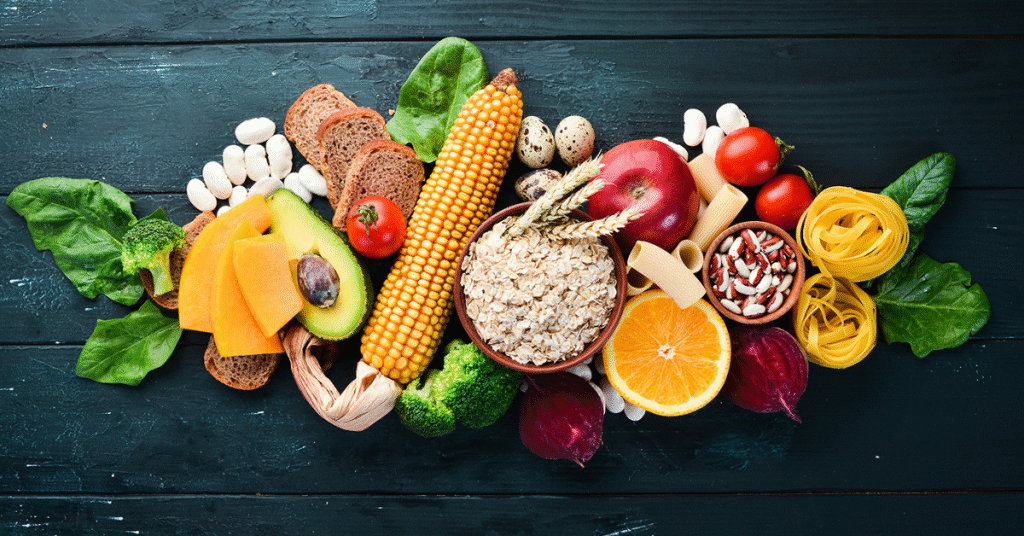
1. Adopt a Heart-Healthy Diet
One of the most effective strategies to lower bad cholesterol levels is to adopt a heart-healthy diet. This type of diet emphasizes the intake of foods that can help manage and reduce low-density lipoprotein (LDL) cholesterol, commonly referred to as “bad cholesterol.” Central to this dietary approach is the incorporation of a variety of fruits and vegetables, whole grains, and healthy fats while simultaneously minimizing the consumption of saturated and trans fats.
Fruits and vegetables are rich in dietary fiber, which plays a key role in lowering cholesterol. Foods such as oats, beans, and nuts are particularly beneficial. Oats, for instance, contain beta-glucans, a type of soluble fiber that helps reduce LDL cholesterol levels. Similarly, beans are packed with soluble fiber and can help to lower blood cholesterol levels and improve overall heart health. Nuts, particularly almonds and walnuts, contain healthy monounsaturated fats that can also contribute to healthier lipid profiles.
In addition to these fiber-rich foods, fatty fish such as salmon, mackerel, and sardines are important components of a heart-healthy diet due to their high levels of omega-3 fatty acids. These fats not only lower triglycerides but also have the potential to improve overall cardiovascular health. Incorporating these foods into meals can be simple; for example, starting the day with a bowl of oatmeal topped with fresh fruit or adding beans to soups and salads are easy adjustments that enhance the diet.
Moreover, it is advisable to read food labels carefully to avoid hidden saturated and trans fats, which can be detrimental to cholesterol levels. Substituting butter with olive oil or avocado can also contribute to healthier fat consumption. By making these dietary changes, individuals can effectively work towards lowering their LDL cholesterol and improving their overall heart health.
2. Increase Physical Activity
Engaging in regular physical activity is a highly effective method to lower bad cholesterol levels and improve overall cardiovascular health. The American Heart Association recommends that adults aim for at least 150 minutes of moderate-intensity aerobic exercise or 75 minutes of vigorous-intensity exercise each week. These guidelines underscore the importance of consistent movement and its direct correlation to cholesterol management.
Several types of exercises are particularly beneficial for lowering low-density lipoprotein (LDL) cholesterol, commonly referred to as bad cholesterol. Aerobic activities, such as brisk walking, jogging, cycling, swimming, and dancing, have shown significant positive effects. These exercises not only elevate the heart rate but also contribute to weight management, which plays a crucial role in cholesterol levels. Additionally, incorporating strength training exercises at least two days a week can further enhance metabolic health and cholesterol profiles.
Incorporating physical activity into daily routines does not necessarily mean dedicating entire hours at the gym. Simple changes can lead to substantial benefits. For instance, taking the stairs instead of the elevator, parking further away from store entrances, or engaging in a short walk during lunch breaks can accumulate additional movement throughout the day. Even small increases in physical activity can lead to improvements in cholesterol levels and overall health, making these adjustments valuable for those seeking to manage their cholesterol effectively.
Furthermore, regular physical activity positively influences other risk factors for heart disease, including blood pressure and blood sugar levels. The combination of improved cholesterol levels and enhanced cardiovascular fitness ultimately contributes to a healthier lifestyle. Therefore, actively making choices that integrate exercise into everyday life is essential for those aiming to lower their bad cholesterol efficiently.
3. Maintain a Healthy Weight
The relationship between body weight and cholesterol levels is significant, particularly concerning low-density lipoprotein (LDL), often referred to as “bad” cholesterol. Excess body weight can contribute to elevated levels of LDL cholesterol, hence lowering body weight can lead to both improved cholesterol profiles and enhanced overall health. Aiming to achieve a healthy weight can thus be a crucial step in managing cholesterol levels effectively.
One of the first steps towards maintaining a healthy weight involves setting realistic and attainable weight loss goals. Gradual weight loss, typically 1 to 2 pounds per week, is more sustainable and conducive to long-term success. Implementing a structured plan where targeted goals are established can motivate individuals to stay on track. Apart from setting goals, another effective strategy is to monitor food intake meticulously. Keeping a food diary or using mobile applications can help individuals visualize their eating habits, encouraging more informed dietary choices that align with their goals.
A balanced approach to calorie consumption and physical activity is paramount in weight management. To achieve a caloric deficit, one must either reduce calorie intake or increase physical activity levels, or ideally, a combination of both. Engaging in regular physical activity not only aids in weight loss but also has the added benefit of raising high-density lipoprotein (HDL) cholesterol, which is known as “good” cholesterol. Incorporating a mix of cardiovascular, strength training, and flexibility exercises can enhance overall physical fitness and support weight management.
Finally, maintaining motivation is key to successful weight management. Setting up a support system, be it friends, family, or online communities, can provide encouragement and accountability. Additionally, celebrating small achievements along the way can foster a positive outlook and reinforce the importance of lifestyle changes. By embracing these strategies, individuals can effectively maintain a healthy weight and thereby lower their LDL cholesterol levels.
4. Quit Smoking and Limit Alcohol Intake
Quitting smoking is one of the most impactful changes one can make to improve overall heart health and positively influence cholesterol levels. Smoking has been shown to raise levels of low-density lipoprotein (LDL), often referred to as bad cholesterol, while simultaneously lowering high-density lipoprotein (HDL), or good cholesterol. This dual effect exacerbates the risk of cardiovascular diseases. Furthermore, smoking damages blood vessels, making it harder for the body to transport cholesterol, leading to an increased buildup of plaque in the arteries.
To assist individuals in successfully quitting smoking, numerous resources are available. Programs such as the American Lung Association’s “Freedom From Smoking” and the CDC’s “Tips From Former Smokers” provide valuable guidance and support. Additionally, smoking cessation aids, including nicotine patches, chewing gum, and prescription medications, can significantly increase the chances of quitting. It is vital to recognize that overcoming nicotine addiction is a challenging journey, but the health benefits are vast, ranging from improved cholesterol levels to enhanced respiratory and cardiac function.
Moreover, moderating alcohol consumption can also play a crucial role in managing cholesterol levels. While some studies suggest that light drinking may increase HDL cholesterol, excessive alcohol intake can lead to various health issues, including increased triglycerides and the risk of cardiovascular diseases. Therefore, adhering to the recommended guidelines of up to one drink per day for women and two for men is important. Strategies for limiting alcohol intake include setting specific days for sobriety each week, opting for smaller portion sizes, or replacing alcoholic beverages with non-alcoholic alternatives in social settings.
Making the conscious decision to quit smoking and limit alcohol consumption will significantly improve your cholesterol levels, thus contributing to a healthier heart and overall well-being. Such lifestyle changes are integral for anyone looking to lower their bad cholesterol and enhance cardiovascular health.