
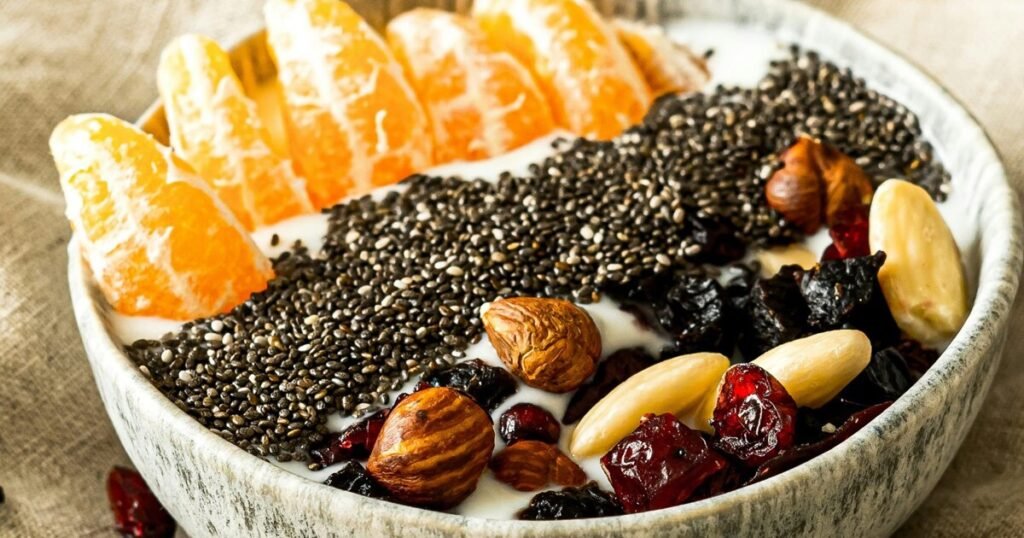
1. Nutrient-Dense Superfood
Chia seeds are often celebrated as a nutrient-dense superfood, providing a vast array of essential nutrients that can significantly enhance one’s diet. These small black seeds, derived from the Salvia hispanica plant, are primarily known for their high fiber content, boasting approximately 11 grams of fiber per ounce. This fiber is important for digestive health as it promotes regular bowel movements and contributes to overall gut health. Moreover, with approximately 4 grams of protein per serving, chia seeds serve as a viable plant-based protein source, making them particularly beneficial for vegetarians and vegans.
The healthy fats found in chia seeds are predominantly omega-3 fatty acids, which are crucial for maintaining heart health. These fats help lower cholesterol levels and reduce inflammation within the body. Omega-3 fatty acids are also recognized for their cognitive benefits, aiding in brain health and function. In addition to these macronutrients, chia seeds are packed with vital vitamins and minerals. They are rich in calcium, providing roughly 18% of the daily recommended intake per ounce. Calcium is essential for maintaining strong bones and teeth, functioning well alongside magnesium, which is also present in chia seeds and plays a role in muscle function and energy production.
Additionally, chia seeds are a significant source of iron, providing about 12% of the daily value per serving, which is fundamental for the production of hemoglobin and the transportation of oxygen in the blood. These nutrients collectively support various bodily functions, underscoring the benefits of incorporating chia seeds into a balanced diet. Their versatile nature makes them easy to add to smoothies, baked goods, or even salads, allowing for an effortless enhancement of one’s nutrient intake.
2. Rich Source of Omega-3 Fatty Acids
Chia seeds, sourced from the Salvia hispanica plant, serve as one of the most effective plant-based means to obtain omega-3 fatty acids, particularly alpha-linolenic acid (ALA). Omega-3 fatty acids, essential for various bodily functions, play a crucial role in maintaining heart health, improving brain function, and mitigating inflammation throughout the body. Due to the body’s inability to produce omega-3s naturally, dietary sources become vital for overall well-being.
One of the most significant health benefits associated with omega-3 fatty acids is their contribution to cardiovascular health. ALA, present in chia seeds, has been shown to lower blood pressure and reduce levels of triglycerides, which are known risk factors for heart disease. Continued consumption of foods rich in omega-3s can help in maintaining a healthy heart and improving overall circulatory function.
Furthermore, omega-3 fatty acids are essential for optimal brain function. Studies suggest that a diet rich in ALA may lead to improved cognitive performance, delay the onset of age-related cognitive decline, and even play a role in reducing the risk of neurodegenerative diseases such as Alzheimer’s. The anti-inflammatory properties of omega-3s also aid in fostering a healthier brain by protecting nerve cells and supporting mental clarity.
Chia seeds can easily be integrated into various meals, making it simple for individuals, especially those on vegetarian or vegan diets, to enhance their omega-3 intake. Whether sprinkled onto salads, blended into smoothies, or used in baking, chia seeds offer a versatile option for nourishing the body with essential fatty acids. Therefore, including chia seeds in regular dietary routines can significantly boost omega-3 levels and lead to improved health outcomes.
3. Supports Digestive Health
Chia seeds are renowned for their remarkable fiber content, which plays a critical role in supporting digestive health. Each serving of chia seeds provides an impressive 10 grams of dietary fiber, which can significantly aid in promoting regular bowel movements. There are two types of dietary fiber found in chia seeds: soluble and insoluble. Soluble fiber absorbs water, forming a gel-like substance in the digestive tract that helps to slow digestion while making stools easier to pass. On the other hand, insoluble fiber adds bulk to the stool and helps food move through the digestive system, preventing constipation and promoting a healthy gut.
The incorporation of chia seeds into the diet can profoundly benefit gut health. The soluble fiber in chia seeds can also act as a prebiotic, providing nourishment for beneficial gut bacteria. A balanced gut flora is essential for optimal digestive function and overall health. Research has shown that maintaining a healthy balance of these microorganisms can help reduce the risk of various digestive disorders, such as irritable bowel syndrome (IBS) and inflammatory bowel disease (IBD).
To reap the digestive benefits of chia seeds, proper preparation is essential. Chia seeds can be eaten whole, but they are often more beneficial when soaked in water or other liquids before consumption. Soaking allows the seeds to expand and absorb moisture, which enhances their digestibility. Ground chia seeds are another option, as they are easier for the body to absorb compared to whole seeds. For a nutritious addition to your diet, consider incorporating chia seeds into smoothies, yogurt, or oatmeal. This not only enhances flavor but also boosts the fiber content of your meals, thereby further supporting digestive health.
4. Aids in Weight Management
Chia seeds have gained significant attention for their potential to aid in weight management, primarily attributed to their unique ability to absorb water and expand in the stomach. This expansion can create a feeling of fullness, thereby potentially reducing overall calorie intake. A study published in the journal Nutrients highlighted that participants who consumed chia seeds before meals reported increased satiety, leading to a decrease in subsequent food consumption. This effect is particularly beneficial for those looking to control appetite as part of a weight loss strategy.
The soluble fiber in chia seeds plays a crucial role in this process. When mixed with liquid, chia seeds form a gel-like substance, which slows down digestion. This slower digestive process can contribute to prolonged feelings of fullness, helping individuals manage their hunger levels more effectively. In essence, integrating chia seeds into one’s diet can provide a natural mechanism for controlling appetite, which is vital for successful weight management.
Incorporating chia seeds into meals can be simple and versatile. They can be added to smoothies, yogurt, or oatmeal to enhance nutrition while promoting feelings of satiety. Moreover, chia seeds can serve as an effective thickening agent in recipes, allowing for creativity in various dishes such as puddings or soups. Their neutral flavor makes them easy to blend into both sweet and savory foods, ensuring they can fit into multiple dietary preferences.
Additionally, anecdotal evidence from individuals who include chia seeds in their diets often points to positive experiences regarding weight loss outcomes. By leveraging the benefits of chia seeds as a weight management tool, individuals may find a practical ally in their journey towards healthier eating habits and maintaining their ideal weight. Providing proper nutrition, coupled with mindful eating practices, supports not only weight management but also overall wellness.