
7. Avocado
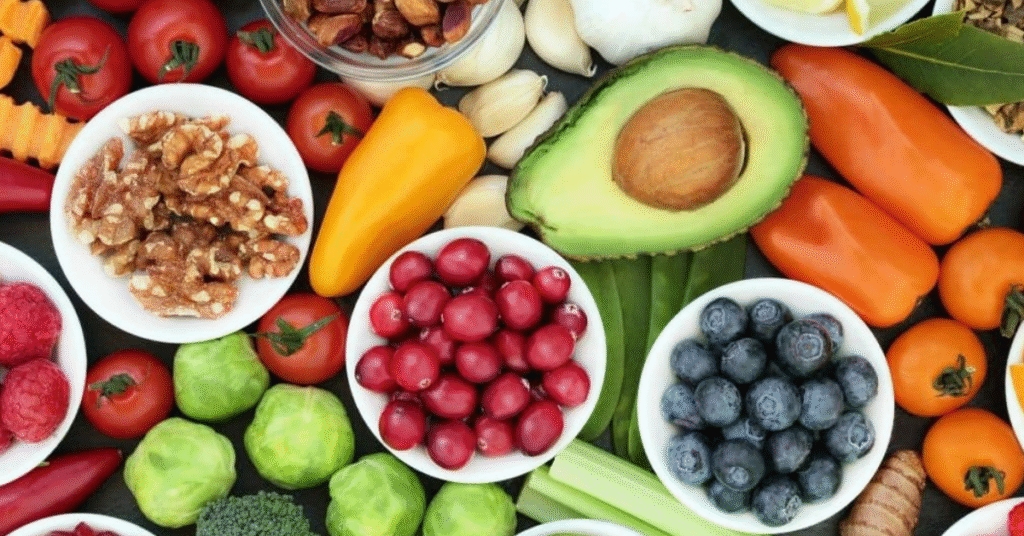
Avocados have gained considerable recognition for their unique nutritional profile and significant benefits, particularly concerning liver health. This creamy fruit is a powerhouse of healthy fats, primarily oleic acid, which has been associated with reducing inflammation in the body. Inflammation can adversely affect liver function, and incorporating anti-inflammatory foods like avocados can be beneficial in maintaining overall liver health.
Additionally, avocados are rich in glutathione, a potent antioxidant that plays a critical role in the body’s detoxification processes. Glutathione aids the liver in breaking down harmful substances, effectively promoting liver cleansing. By supporting the liver in its natural detoxification capacity, avocados can contribute to enhanced liver function and better overall well-being.
Including avocados in your diet is straightforward due to their versatility. They can be enjoyed in various culinary applications, ranging from salads to smoothies, or simply spread on whole-grain toast. For a nutritious salad, consider combining diced avocado with leafy greens, tomatoes, and a sprinkle of lemon juice for a refreshing meal that contributes to liver health. Alternatively, adding avocado to smoothies can create a creamy texture while also boosting the nutrient content, making it an excellent choice for a healthy breakfast or snack.
Moreover, opting for guacamole as a condiment can provide both flavor and health benefits. Pair it with colorful vegetables or whole-grain tortilla chips for a delightful snack that promotes liver function. Recognizing the importance of including avocados in your diet not only enhances the flavor of your meals but also supports your body’s vital detoxification processes, ensuring a well-functioning liver.
6. Turmeric
Turmeric, a vibrant yellow spice commonly used in culinary traditions, is renowned for its numerous health benefits, particularly for liver support. The active compound found in turmeric, curcumin, is celebrated for its robust anti-inflammatory and antioxidant properties. These characteristics make turmeric an essential component in maintaining and promoting overall liver health.
One of the primary ways turmeric benefits the liver is by stimulating bile production. Bile is crucial for digesting fats and aiding in the detoxification processes of the liver. Curcumin has been shown to assist in boosting the liver’s ability to detoxify harmful substances, thereby enhancing its overall effectiveness in filtering blood and eliminating toxins. This detoxification capability is vital for maintaining good health and preventing liver-related illnesses.
Incorporating turmeric into your daily diet is simple and can be done in various ways. One popular option is to add turmeric powder to smoothies, which can complement fruit flavors while providing added health benefits. Another method is to create a warm cup of turmeric tea, combined with hot water, honey, and a splash of lemon juice for a refreshing drink. Additionally, turmeric can be sprinkled onto roasted vegetables or mixed into soups and stews, creating a delectable dish that is not only flavorful but also nourishing.
For those looking to further amplify the benefits of turmeric, combining it with black pepper enhances curcumin absorption, making the spice even more effective. While turmeric is generally safe for consumption, it is advisable to consult a healthcare professional if you have pre-existing conditions or are on medication. Incorporating turmeric into your diet can significantly contribute to liver health, ensuring that your body functions optimally.
5. Garlic
Garlic, known for its robust flavor and pungent aroma, is not just a culinary favorite; it also plays a significant role in promoting liver health. The presence of sulfur compounds in garlic, particularly allicin, activates liver enzymes that are essential for the detoxification process. These enzymes aid in flushing out harmful substances, ensuring that the liver functions efficiently. Consequently, incorporating garlic into one’s diet can enhance the organ’s detoxification capabilities, supporting overall health.
Studies have indicated that garlic can help reduce inflammation and oxidative stress in the liver, thereby decreasing the risk of liver diseases. The antioxidant properties of garlic contribute to the protection of liver cells from damage caused by toxins and free radicals, reinforcing its status as a superfood for liver cleansing. Regular consumption of garlic may not only promote liver healing but also improve its rejuvenation processes, making it a valuable addition to a liver-focused diet.
For those looking to integrate garlic into their meals, the options are plentiful and straightforward. One popular method is to incorporate minced or chopped garlic into sauces, soups, and stews, which lends a rich flavor to dishes. Furthermore, roasting whole garlic cloves can create a sweet, caramelized element suitable for spreads or as a side dish. Adding garlic to vegetables during stir-frying enhances the taste while delivering health benefits.
Additionally, garlic supplements are available for those who may not enjoy the taste of garlic in its raw form. However, it is important to consult with a healthcare professional before starting any supplement regimen. Overall, elevating garlic consumption can serve as a cost-effective strategy to support liver health, ultimately enabling the body to maintain its detoxifying functions efficiently.
4. Beetroot
Beetroot, a root vegetable renowned for its vibrant color, is packed with antioxidants, vitamins, and minerals that offer several health benefits, particularly for liver health. One of the key components of beetroot is betaine, a compound known to enhance liver function by stimulating bile production. Bile is crucial for digestion and nutrient absorption, facilitating the liver’s detoxification processes. Moreover, beetroot is rich in dietary nitrates, which can improve blood flow and reduce blood pressure, thereby supporting overall cardiovascular health, a vital aspect of optimal liver function.
Beyond its nutritional benefits, beetroot can be easily incorporated into various diets. One popular way to consume beetroot is by juicing it, allowing for a concentrated source of nutrients in a refreshing drink. This method preserves the integrity of beneficial compounds and provides a convenient option for those looking to detoxify their liver. Additionally, it can be roasted or boiled, yielding a sweet and earthy flavor that pairs well with various dishes. Sliced raw beetroot can also be added to salads, providing a crunchy texture and vibrant color.
Another delightful variant is beetroot soup, often referred to as borscht, which not only showcases the vegetable’s unique flavor but also creates a warming meal perfect for colder months. For those who enjoy experimenting in the kitchen, beetroot can be blended into smoothies, marrying its sweetness with other fruits and vegetables while enhancing the drink’s nutritional value. Lastly, pickled beetroot offers a tangy alternative that can be used as a condiment or side dish, further diversifying ways to incorporate this nutritious vegetable into daily meals.
3. Green Tea
Green tea, revered for its numerous health benefits, is particularly noteworthy for its positive impact on liver health. This beverage is rich in catechins, a category of antioxidants that play a crucial role in improving liver function. Studies suggest that the regular consumption of green tea can enhance the liver’s ability to process fats and support various metabolic functions. These antioxidants help to protect liver cells from damage, which is essential for maintaining overall well-being.
Incorporating green tea into your daily routine is quite versatile and can be done in several enjoyable ways. The most straightforward method is to brew loose green tea leaves or tea bags in hot water for a refreshing drink. For those who prefer a twist, adding a slice of lemon or a hint of honey can enhance the flavor while providing additional health benefits. Iced green tea is also popular, particularly during warmer months, and can be prepared by steeping the tea and then cooling it, allowing you to enjoy it cold with added fruits like berries for a refreshing treat.
Moreover, green tea can be incorporated into smoothies or used as a base for herbal concoctions. For instance, blending matcha powder, a concentrated form of green tea, into yogurt or smoothies adds a nutritional kick that favors liver health. Furthermore, green tea extract supplements are available for those seeking concentrated doses of catechins for liver support.
Regular consumption of green tea not only aids liver detoxification but also brings benefits such as improved metabolism and potential weight management. Therefore, integrating this powerful beverage into your diet may significantly contribute to maintaining liver vitality, enhancing overall health, and promoting a sense of well-being.
2. Leafy Greens
Incorporating leafy greens such as spinach, kale, and Swiss chard into your diet is a beneficial strategy for promoting liver health and detoxification. These greens are abundant in chlorophyll, which plays a critical role in neutralizing heavy metals and harmful chemicals that accumulate in the liver. By supporting the body’s natural detoxification processes, leafy greens can help reduce the burden on this vital organ.
There are numerous ways to integrate these nutritious greens into your meals. For those looking to enhance their salads, consider a vibrant kale salad mixed with sliced apples, walnuts, and a light vinaigrette. This combination not only provides essential vitamins and minerals but also adds a delightful crunch and flavor profile. Spinach can be a versatile base for a salad or can be blended into smoothies, offering not just a burst of nutrition but also an easy way to consume more greens.
For a refreshing smoothie, try combining a handful of spinach with bananas, almond milk, and a spoonful of nut butter. The spinach blends seamlessly, while the sweetness of the banana masks any bitterness, making it appealing to all ages. Additionally, leafy greens can easily be incorporated into soups and stews; for instance, adding Swiss chard to a vegetable soup enhances both nutritional value and flavor. You can also sauté these greens lightly with garlic and olive oil for a delicious side dish reminiscent of Mediterranean cuisine.
Incorporating a variety of leafy greens into your daily meals not only enhances the taste and presentation of your dishes but also significantly contributes to the well-being of your liver. Their detoxifying properties and rich nutrient profile make them a powerful ally in maintaining liver function and overall health.
1. Lemons
Lemons, a citrus fruit rich in vitamin C, play a vital role in supporting liver health and detoxification. The high concentration of vitamin C in lemons aids in the conversion of toxins into water-soluble compounds, thereby facilitating their excretion from the body. This property is crucial for the liver, which serves as the body’s primary detoxification organ. When liver enzymes are stimulated, the detoxification process becomes more efficient, enabling the liver to manage and eliminate harmful substances effectively.
Including lemon juice in your daily diet is an excellent way to harness its detoxifying benefits. One practical approach is to start your day with a glass of warm water mixed with fresh lemon juice. This simple habit can kickstart liver enzyme production and stimulate digestion. Additionally, consider incorporating lemon zest into salads, sauces, and marinades to enhance flavor while reaping its health benefits. The tangy taste of lemons can elevate various dishes, from roasted vegetables to seafood, making them a versatile kitchen staple.
Lemon-infused beverages, such as lemon water or herbal teas with a splash of lemon juice, can also support the liver’s detoxifying role. For those interested in a more structured detox regimen, lemon juice can be combined with other ingredients, such as ginger or apple cider vinegar, to create a potent mix aimed at cleansing the liver. This combination can enhance digestion while providing additional antioxidant properties. Overall, embracing lemons in your daily meals not only promotes liver health but also contributes to overall well-being.