
1. Fatty Fish
Fatty fish, including species like salmon, mackerel, and sardines, are often hailed as powerhouse foods for brain health, primarily due to their high content of omega-3 fatty acids. These essential fatty acids are critical for maintaining optimal brain function and play a vital role in various cognitive processes. Research has demonstrated that omega-3s are integral components of cell membranes in the brain, which supports cellular communication and function.
The cognitive benefits of omega-3 fatty acids are well-documented. Studies have shown that individuals who consume a diet rich in these fats often experience improvements in memory and focus. Moreover, they may exhibit enhanced mood stabilization, which is particularly beneficial in reducing symptoms of depression and anxiety. Omega-3s contribute to the production of neurotransmitters, such as serotonin and dopamine, which are crucial in regulating mood and emotional well-being.
Incorporating fatty fish into one’s diet offers an array of health benefits that extend beyond cognitive enhancement. Consuming these fish regularly can support heart health, reduce inflammation, and potentially lower the risk of neurodegenerative diseases like Alzheimer’s and dementia. The anti-inflammatory properties of omega-3 fatty acids help protect brain cells from damage, promoting longevity and functionality of neuronal health.
To reap the maximum cognitive benefits, it is recommended to include fatty fish in the diet at least twice a week. This can be achieved through various culinary methods, including grilling, baking, or incorporating fish into stews and salads. By making fatty fish a staple in the diet, individuals can significantly contribute to the overall health of their brain, fostering improved cognitive abilities throughout their lives.
2. Blueberries
Blueberries are widely recognized for their nutritional profile, particularly their high antioxidant content. These small berries are loaded with flavonoids, a group of compounds that have been scientifically linked to enhanced cognitive function. Research indicates that the regular consumption of blueberries can lead to improvements in memory, learning abilities, and overall brain health.
A substantial study published in the journal “Frontiers in Nutrition” highlighted that participants who consumed blueberry juice exhibited significant improvements in working memory and cognitive processing speed compared to a control group. This is attributed to the ability of flavonoids to promote better communication between neurons, thereby boosting synaptic plasticity, which is essential for memory formation. Furthermore, blueberries have been shown to combat oxidative stress and inflammation in the brain, both of which are detrimental to cognitive health.
Incorporating blueberries into your diet can be both simple and enjoyable. These versatile berries can be eaten raw, added to smoothies, or included in a variety of dishes. For a quick snack, consider mixing them with Greek yogurt or oatmeal, providing not only a tasty option but also a host of nutrients essential for brain function. Additionally, blueberries can be utilized in baking, such as in muffins or pancakes, offering a delicious way to enhance your meals while simultaneously contributing to cognitive enhancement.
For those looking to maximize the benefits, it is advisable to consume fresh, organic blueberries whenever possible, as they are free from pesticides that could compromise health. For individuals who have difficulty accessing fresh berries, frozen blueberries retain much of their nutritional value and can be a practical alternative. By integrating blueberries into your daily routine, you can support your brain health while enjoying a flavorful and nutritious treat.
3. Broccoli
Broccoli is often celebrated as a superfood, particularly for its rich content in antioxidants and vitamin K, both of which play significant roles in supporting optimal brain health. The presence of vitamin K in broccoli is especially notable, as this fat-soluble vitamin has been linked to improved cognitive function and stronger neural connections. Research indicates that vitamin K aids in the synthesis of sphingolipids, a type of fat that is crucial for brain cell membranes. This structural integrity contributes to enhanced cognitive abilities and overall brain performance.
In addition to its vitamin K content, broccoli is packed with a variety of other nutrients that bolster brain function. These include vitamin C, folate, and a range of phytochemicals that exhibit anti-inflammatory properties. These components work synergistically to protect the brain from oxidative stress and inflammation, both of which are associated with cognitive decline and neurodegenerative diseases.
When it comes to incorporating broccoli into your diet, the possibilities are endless. It can be enjoyed steamed, roasted, or raw, making it a versatile ingredient in numerous dishes. For a healthy side dish, consider steaming broccoli lightly to retain its nutrients and vibrant color. It can also be seasoned with olive oil, garlic, and lemon for added flavor. When blended into smoothies, raw broccoli provides a nutritious boost without overpowering other ingredients. Additionally, consider adding broccoli to stir-fries, salads, and casseroles to enhance the nutritional profile of your meals.
Incorporating broccoli into your regular diet not only introduces a wealth of beneficial nutrients but also contributes to sustained energy levels and better cognitive performance. Regular consumption of this cruciferous vegetable—due to its high antioxidant properties—can significantly benefit brain health and enhance focus, supporting a sharper mind over time.
4. Pumpkin Seeds
Pumpkin seeds, also known as pepitas, are small yet potent sources of essential nutrients that are crucial for maintaining and boosting brain health. These seeds are particularly rich in magnesium, iron, zinc, and copper, all of which play significant roles in cognitive function and memory enhancement. Magnesium, for instance, is vital for nerve transmission and can help improve mood and alleviate anxiety, subsequently enhancing focus. Iron is essential for oxygen delivery to the brain, and a deficiency could lead to cognitive decline. Zinc contributes to synaptic function and is known to impact memory often negatively affected by a deficiency. Copper is fundamental in cognitive functioning as well and helps maintain neuron health.
Incorporating pumpkin seeds into your daily diet is simple, and there are various delightful ways to do so. For a quick snack, roast pumpkin seeds with your favorite spices for a crunchy treat. They serve as a perfect topping for salads, adding texture and nutritional value, thereby enhancing their overall health benefits. Adding pumpkin seeds to your morning oatmeal or yogurt not only boosts the nutritional content but also adds a pleasant crunch. Additionally, they can be ground and mixed into smoothies, ensuring you receive the essential nutrients without sacrificing flavor.
Moreover, pumpkin seeds can be used in baking, such as in bread or granola bars, providing a delicious way to incorporate them into healthy snacks. With their subtle flavor, they can blend seamlessly into both sweet and savory dishes. By including pumpkin seeds in your meals and snacks, you can support your cognitive function, enhance your memory, and maintain mental sharpness. These versatile seeds are an excellent choice for anyone looking to elevate their brain power naturally.
5. Dark Chocolate
Dark chocolate is renowned not just for its rich and indulgent flavor but also for its impressive potential to enhance brain function. This specific type of chocolate contains high levels of flavonoids, particularly a subclass known as flavanols. These compounds have been shown to improve blood flow to the brain, which can lead to enhanced cognitive performance, better focus, and improved memory. Such improvements are crucial for students, professionals, and anyone engaged in tasks requiring concentrated mental effort.
One of the primary health benefits of dark chocolate lies in its ability to stimulate the production of endorphins and serotonin, neurotransmitters that promote feelings of well-being and happiness. This psychological boost can further enhance focus and concentration, making it an ideal treat during demanding tasks. However, not all chocolate is created equal—selecting varieties with a cocoa content of 70% or higher is essential to maximize health benefits. Higher cocoa content means a greater concentration of flavonoids, which contributes more significantly to improved brain functions compared to their milk chocolate counterparts.
Incorporating dark chocolate into a balanced diet is quite simple. Consider enjoying a small piece as an afternoon pick-me-up or adding it to healthy meals. For example, you can grate dark chocolate over oatmeal or yogurt, mix it into smoothies, or incorporate it into healthy dessert recipes that use whole ingredients, ensuring you don’t feel guilty about your indulgence. However, moderation is key; while dark chocolate is beneficial, its calorie content can add up quickly. By maintaining portion control, you can enjoy this delicious brain booster without overindulging.
6. Nuts
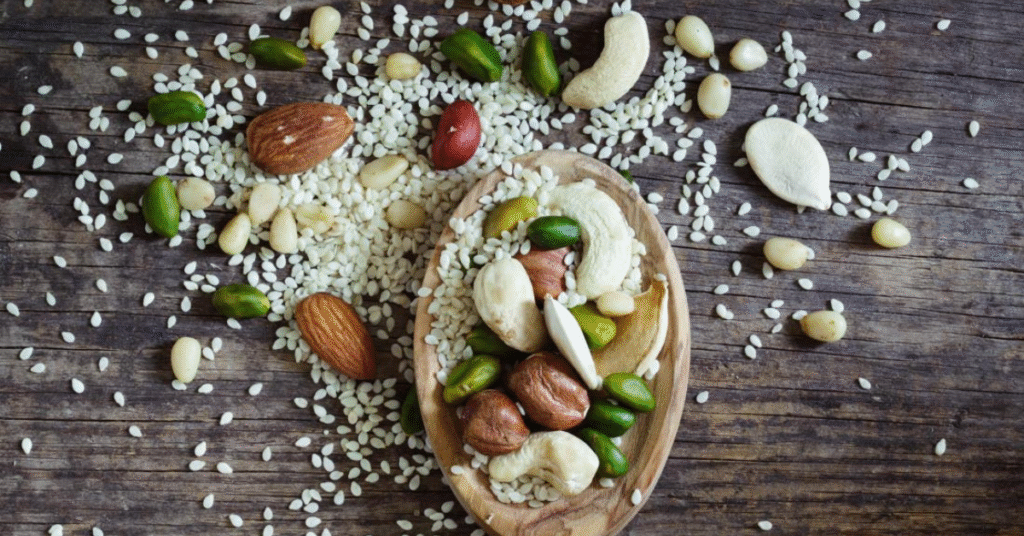
Nuts are a remarkable food group known for their dense nutritional value, particularly in relation to brain health. Among the various types of nuts, walnuts stand out due to their high concentration of omega-3 fatty acids, which are essential for maintaining optimal cognitive function. These healthy fats play a crucial role in enhancing memory and overall brain performance. Studies have shown that consuming walnuts can improve neurogenesis, which is the process of forming new neurons, thus leading to better learning and retention capabilities.
In addition to walnuts, almonds, hazelnuts, and pistachios are also beneficial additions to the diet. Almonds, for instance, are rich in vitamin E, an antioxidant that has been linked to a decrease in cognitive decline as individuals age. Hazelnuts also contribute significant amounts of vitamin E and healthy fats, which can support brain function over time. Pistachios are notable for their high levels of lutein, a carotenoid that has shown promise in improving cognitive abilities as well.
To enjoy the full cognitive benefits of nuts, moderation is key. A healthy serving size typically ranges from a quarter to a half cup, depending on the type of nut. This portion can be easily incorporated into various meals; for example, adding a handful to salads, blending into smoothies, or consuming as a nutritious snack. Choosing unsalted and raw or dry-roasted nuts is advisable to ensure maximum health benefits. Incorporating a variety of nuts into one’s diet not only offers a range of flavors and textures but also provides a diverse set of nutrients that jointly contribute to improved brain health.
7. Whole Grains
Whole grains are vital for brain health, acting as a steady source of energy due to their high fiber content. Foods such as oats, quinoa, and brown rice provide complex carbohydrates that release glucose gradually into the bloodstream. This gradual release is particularly important for maintaining consistent energy levels, enhancing cognitive functions such as focus, concentration, and memory throughout the day.
The brain requires a constant supply of glucose, its primary energy source, to function optimally. When the body’s blood sugar levels are stable, individuals may experience improved alertness and mental clarity, particularly during tasks that require sustained attention. Conversely, relying on refined grains can lead to fluctuating energy levels, which may detract from one’s ability to concentrate effectively. Incorporating whole grains into daily meals can mitigate these energy dips and help maintain cognitive performance.
To foster an enjoyable transition to a whole grain-rich diet, individuals can explore a variety of meal ideas. For breakfast, consider oatmeal topped with fresh fruits and nuts, which not only provides fiber but also essential vitamins and minerals. Lunch options might include a quinoa salad enriched with vegetables, seeds, and lean proteins, promoting both nourishment and satisfaction. For dinner, brown rice served as a base for stir-fried vegetables and lean meats can create a hearty, brain-boosting dish.
Incorporating whole grains into snacks is also beneficial. Whole grain crackers paired with cheese or hummus provide an excellent energy boost while keeping hunger at bay. By intentionally integrating these foods into your diet, you can enhance your brain power, ensuring that you maintain focus and memory function throughout the day.