
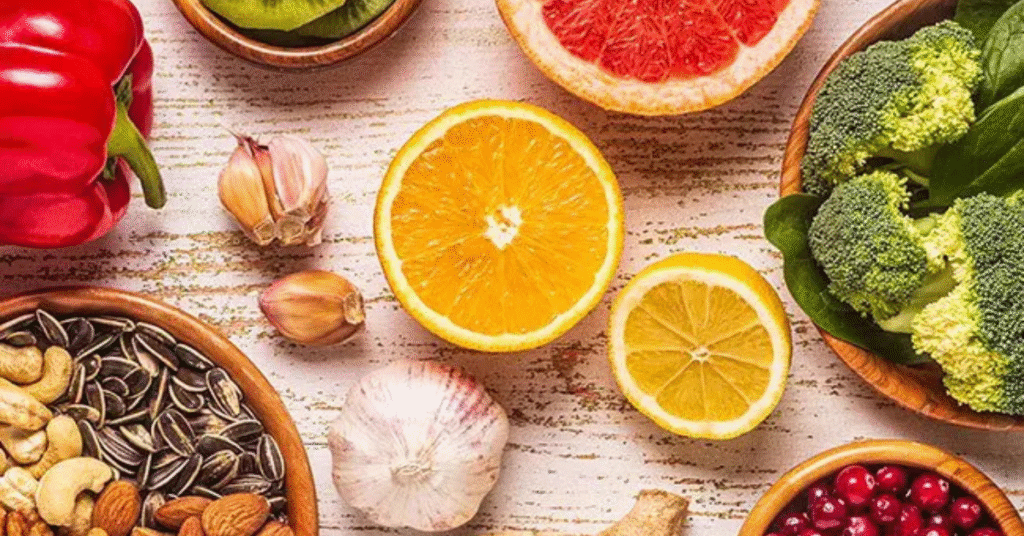
1. Citrus Fruits
Citrus fruits, such as oranges, lemons, limes, and grapefruits, have gained recognition for their remarkable health benefits, particularly their high vitamin C content. Vitamin C is an essential nutrient that is pivotal in the production of white blood cells, which serve as the body’s primary defense against infections. A robust immune system is crucial for overall health, and incorporating citrus fruits into your diet can be an effective way to enhance it.
Oranges are perhaps the most popular of the citrus family, known for their sweet taste and refreshing juiciness. They contain approximately 70 mg of vitamin C per medium fruit, far exceeding the daily recommended intake of 65 to 90 mg for adults. Lemons and limes, while more tart, offer similar health benefits. Their high acidity can aid in digestion while also providing a substantial amount of vitamin C. Grapefruits, especially the pink and red varieties, not only are packed with vitamin C but also contain antioxidants that support general health.
To incorporate citrus fruits into your daily regime, consider adding lemon juice to your morning water or using lime in salad dressings. Oranges make for a nutritious snack or can be added to yogurt and smoothies for a refreshing flavor. Grapefruits can be eaten on their own or included in a fruit salad. By integrating these fruits into your meals, you will not only enjoy their delectable tastes but also fortify your immune system against ailments.
Maintaining an adequate intake of vitamin C through citrus fruits can play a vital role in fending off infections and supporting overall health. Therefore, making a conscious effort to include these vibrant fruits in your diet will contribute positively to your well-being and help bolster your body’s defenses.
2. Garlic
Garlic, scientifically known as Allium sativum, has long been celebrated not only for its distinct flavor but also for its remarkable health benefits, particularly its ability to boost immunity. The primary active compound in garlic, allicin, is responsible for many of its therapeutic properties. This sulfur-containing compound is formed when garlic is crushed or chopped, offering significant antioxidant effects that can help strengthen the immune system and protect the body against various pathogens.
Research has demonstrated that garlic can enhance the functioning of the immune cells, such as macrophages and lymphocytes, which play pivotal roles in the body’s defense against illnesses. In addition, garlic is noted for its antimicrobial effects, potentially aiding in the prevention of infections caused by bacteria, viruses, and fungi. Incorporating garlic into one’s diet can therefore contribute to overall health and improve the body’s resistance to infections.
Both raw and cooked garlic have their unique advantages. Raw garlic, consumed in small quantities or added to salad dressings, tends to contain higher levels of allicin, as heat can diminish this compound. Conversely, cooked garlic can still provide health benefits while being easier to digest for some individuals. A popular method to maximize its immune-boosting properties is to crush raw garlic and let it sit for about 10 minutes before cooking. This technique allows for the optimal formation of allicin.
Numerous scientific studies support the immune-enhancing abilities of garlic. For instance, studies have indicated that those who regularly consume garlic may experience fewer colds and respiratory infections. Additionally, garlic supplements are available for those who may not enjoy the taste or smell but still wish to benefit from its health-promoting properties. Overall, integrating garlic into the daily diet is a simple yet effective way to support immune health naturally.
3. Ginger
Ginger, a popular root used both as a spice and a medicinal herb, is well-renowned for its myriad health benefits, particularly in boosting the immune system. Celebrated for its anti-inflammatory and antioxidant properties, ginger plays a critical role in reducing oxidative stress, which can adversely affect the body’s immune response. The presence of bioactive compounds, such as gingerol, renders ginger an effective agent in combating inflammation, thereby promoting overall health and resilience against illness.
Oxidative stress results from an imbalance between free radicals and antioxidants in the body, leading to cellular damage and a compromised immune function. By incorporating ginger into one’s diet, individuals can effectively enhance their antioxidant defenses. This proactive approach can reduce the risk of infections and bolster the body’s overall response to pathogens. Moreover, studies suggest that ginger may also serve as a preventive measure against respiratory infections, providing an added layer of protection during flu season or in times of widespread illness.
There are numerous ways to enjoy ginger, ensuring its incorporation into your daily routine. One of the most popular methods is brewing ginger tea, an easy and soothing option that maximizes its health benefits. Simply steep fresh ginger slices in hot water and, for additional flavor, add honey or lemon. Alternatively, ginger can be blended into smoothies, imparting a zesty kick while delivering antioxidant properties. It can also be used as a spice in various recipes, enhancing both flavor and nutrition in dishes ranging from stir-fries to roasted vegetables.
Incorporating ginger into your diet is not only beneficial for individual health but can also significantly enhance your immune system’s capabilities, making it a valuable addition to a balanced diet. Its versatility allows for easy integration, ensuring that everyone can find a delicious way to reap the rewards of this remarkable root.
4. Spinach
Spinach is one of the most nutrient-dense vegetables, making it an excellent choice for anyone looking to boost their immunity naturally. It is rich in essential vitamins and minerals, particularly vitamins C and E, which play crucial roles in the body’s immune response. Vitamin C is known for its ability to enhance the production of white blood cells, which are vital for combating infections. On the other hand, vitamin E acts as an antioxidant, helping to protect immune cells from oxidative stress.
Moreover, spinach is an excellent source of beta carotene, a precursor to vitamin A. This nutrient contributes to the maintenance of healthy mucosal surfaces, such as those found in the respiratory tract, acting as a barrier against pathogens. The antioxidant properties of spinach are also attributed to various phytonutrients present in the leafy green, which further support overall immune system function.
For optimal health benefits, it is advisable to consume spinach raw or lightly cooked. Cooking methods that involve high heat, like boiling, can lead to significant nutrient loss. Steaming or sautéing spinach with a small amount of healthy fat, like olive oil, can help enhance the absorption of fat-soluble vitamins, allowing the body to utilize these nutrients more effectively.
Incorporating spinach into meals is easy and versatile. It can be used in a variety of recipes, ranging from fresh salads to nutrient-packed smoothies and even as a key ingredient in main dishes. For instance, a spinach salad with slices of citrus fruits not only adds to the immune-boosting properties but also provides a delightful flavor combination. Additionally, adding spinach to a morning smoothie with yogurt and bananas can create a delicious and nutritious start to the day. Such meals focus on supporting immune health, making spinach a valuable addition to an immune-supportive diet.
5. Yogurt
Yogurt has emerged as a popular dietary choice, largely due to its richness in probiotics—beneficial bacteria that are essential for promoting gut health. The relationship between gut health and immune function cannot be overstated. A healthy gut microbiome plays a pivotal role in regulating the immune system, enhancing the body’s ability to fight off infections and diseases. Recent studies have suggested that a balanced gut flora can significantly improve immune responses, highlighting the importance of including yogurt in a well-rounded diet.
Available in various forms, yogurt comes in many flavors and types to cater to different dietary needs. For individuals with lactose intolerance, options such as lactose-free yogurt and non-dairy alternatives (like coconut or almond-based yogurts) provide the same probiotic benefits without the discomfort associated with lactose. Additionally, when selecting yogurt, it is crucial to pay attention to the product labels. Look for terms like “live and active cultures,” and ensure that the yogurt contains at least one billion CFUs (colony-forming units) of probiotic bacteria per serving. This ensures that consumers are choosing yogurts that have substantial probiotic content, enhancing their gut health.
Incorporating yogurt into daily meals can be done in various enjoyable ways. For a quick snack, consume it plain or with added fruits and nuts for a nutrient-packed boost. Blending yogurt into smoothies enhances not only the taste but also the nutritional profile, making it an excellent choice for breakfast or a post-workout replenishment. Yogurt can also serve as a creamy dressing or dip in salads or as a base in cooking, adding versatility and additional immune-supporting properties to meals. Overall, yogurt stands out as a simple yet effective food that naturally boosts immunity. It enables individuals to promote gut health while elevating the taste and nutrition of their everyday meals.
6. Almonds
Almonds are renowned for their impressive nutrient profile, most notably their high content of vitamin E, an essential antioxidant that plays a crucial role in supporting immune function. Vitamin E assists in regulating immune responses and protecting cells from oxidative stress, which can compromise the body’s defenses against infections. With about 7.3 milligrams of vitamin E per 100 grams, almonds enable individuals to meet the recommended daily intake with just a small handful.
In addition to vitamin E, almonds are rich in healthy fats, protein, and fiber, making them a well-rounded snack option. They also contain magnesium, which supports various biochemical reactions in the body, further aiding in immune function. A standard serving size of almonds is approximately 1 ounce or about 23 nuts, which provides a perfect balance of nutrition without excessive caloric intake.
Incorporating almonds into one’s diet can be both easy and enjoyable. For breakfast, consider adding sliced almonds to oatmeal or yogurt for added crunch and nutritional value. Almond milk is another excellent alternative that can be used in smoothies or cereals, enhancing both flavor and health benefits. As a snack, raw or lightly roasted almonds can be mixed with dried fruits for a nutritious trail mix. Moreover, almond flour can serve as a gluten-free alternative in various baking recipes, allowing individuals to enjoy treats while reaping the immune-boosting benefits of almonds.
Overall, including almonds in your diet not only provides essential vitamins and minerals necessary for a robust immune system but also contributes to overall health and well-being. By embracing these versatile nuts in various meals and snacks, you are taking proactive steps towards enhanced nutritional intake and improved immunity.
7. Turmeric
Turmeric, a vibrant yellow spice derived from the root of the Curcuma longa plant, has been widely recognized for its potential health benefits, particularly due to its active ingredient, curcumin. Curcumin possesses potent anti-inflammatory properties that can play a crucial role in enhancing the human immune response. By modulating the immune system, curcumin may help in reducing the risk of chronic diseases, making turmeric a valuable addition to any diet.
The antioxidant properties of turmeric are also noteworthy. Antioxidants are essential for combating oxidative stress in the body, which can lead to the development of various illnesses. Studies suggest that curcumin can neutralize free radicals and stimulate the body’s own antioxidant enzymes, further amplifying its protective effects. This characteristic positions turmeric as more than just a flavorful spice; it acts as a natural protector of overall health.
Incorporating turmeric into daily meals is relatively straightforward. One of the most popular methods is through cooking; turmeric can be added to soups, curries, and rice dishes for both flavor and health benefits. A noteworthy preparation is “golden milk,” a warm beverage made by mixing turmeric with milk (or a dairy-free alternative), a pinch of sweetener, and optional spices like cinnamon and ginger. This delicious drink not only calms the body but also provides an immune-boosting effect.
To enhance the absorption of curcumin in the body, it is recommended to combine turmeric with black pepper, which contains piperine. This active component has been shown to significantly improve curcumin bioavailability, making the immune-boosting properties of turmeric even more effective. By including turmeric in your diet along with black pepper, you can maximize its health advantages while enjoying its rich flavor.