
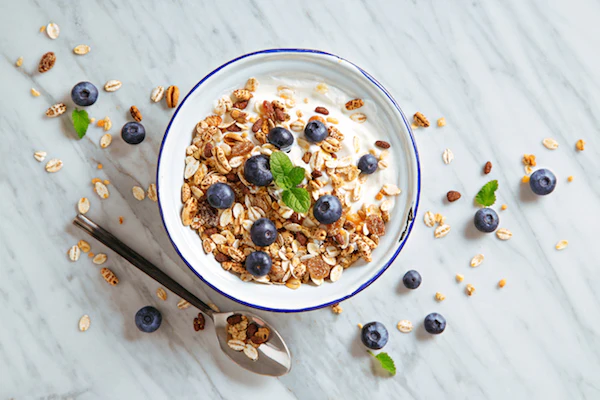
1. Yogurt
Yogurt is renowned for its numerous health benefits, particularly its role as a potent source of probiotics. Probiotics are live microorganisms that confer health benefits when consumed in adequate amounts, primarily supporting gut health and enhancing digestion. These beneficial bacteria play a crucial role in maintaining a balanced gut microbiome, which is essential for optimal digestive function. By introducing probiotics into the diet, yogurt can significantly aid in the digestion process, promoting the breakdown of food and absorption of nutrients.
For individuals who are lactose intolerant, yogurt can present a viable option to dairy consumption. The fermentation process that transforms milk into yogurt decreases lactose levels, rendering it easier to digest for many who struggle with dairy products. Furthermore, certain yogurts contain strains of probiotics, such as Lactobacillus bulgaricus and Streptococcus thermophilus, which can further enhance lactose digestion, potentially alleviating discomfort associated with lactose intolerance.
When selecting yogurt, it is vital to choose varieties that contain live and active cultures. Labels that specify “live cultures” indicate the presence of beneficial bacteria, ensuring that consumers reap the maximum digestive benefits. Greek yogurt is another popular choice, not only due to its thick and creamy texture but also for its higher protein content, which can aid in satiety and overall health.
Incorporating yogurt into daily meals is simple and versatile. It can be enjoyed alone as a snack, mixed with fruits and nuts for breakfast, or blended into smoothies for a nutritious boost. Furthermore, yogurt can serve as a base for salad dressings or can be used in cooking to add creaminess to dishes without the extra fat of creamy sauces. Embracing yogurt in various forms can lead to improved digestive health and an overall enhanced diet.
2. Leafy Greens
Leafy greens play a vital role in promoting digestive health due to their high fiber content and rich array of essential nutrients. Varieties such as spinach, kale, and Swiss chard are particularly beneficial. Fiber is crucial for maintaining regular bowel movements as it adds bulk to the stool, thus facilitating smoother passage through the digestive tract. This can significantly relieve constipation, a common issue that affects many individuals and can lead to discomfort and various gastrointestinal disorders.
Incorporating leafy greens into one’s diet not only supports digestive health but also provides a plethora of other nutritional benefits. These greens are low in calories yet packed with vitamins A, C, and K, along with essential minerals like calcium and iron. The antioxidants present in leafy vegetables help combat oxidative stress and inflammation, contributing further to overall gut health. Furthermore, the dietary fiber found in these greens acts as a prebiotic, fostering a healthy gut microbiome by nourishing beneficial bacteria.
To increase your intake of leafy greens, consider incorporating them into meals in varied and creative ways. Smoothies are an excellent option, allowing for a quick mix of spinach or kale with fruits for a nutritious breakfast. Salads can serve as a foundation for lunches or dinners, easily combined with other ingredients such as nuts, seeds, and proteins. Alternatively, adding sautéed greens to soups or stews can enhance both flavor and nutritional content. By finding new methods to enjoy these healthy vegetables, individuals can significantly improve their digestive function while reaping the numerous health benefits associated with leafy greens.
3. Ginger
Ginger, a widely revered spice and medicinal herb, has long been utilized for its numerous health benefits, particularly its ability to support digestion. Its active components, such as gingerol and shogaol, exhibit anti-inflammatory properties that can help soothe the digestive tract. This effect is especially beneficial for individuals experiencing nausea or discomfort related to digestive disturbances.
One of the primary ways ginger aids digestion is by stimulating the production of digestive enzymes. These enzymes play a crucial role in breaking down food, allowing for better nutrient absorption and a more efficient digestive process. Moreover, ginger may help alleviate symptoms of indigestion by accelerating gastric emptying, which can diminish feelings of fullness and bloating after meals. These aspects make ginger a popular remedy for various gastrointestinal issues.
Incorporating ginger into one’s diet is both simple and versatile. One of the most common methods is through ginger tea, which can be easily prepared by steeping fresh ginger slices in hot water. For those seeking a more robust flavor, ginger can be added to smoothies, enhancing not only the taste but also the nutritional profile of the beverage. Additionally, ginger can be used as a spice in countless dishes, from stir-fries to soups, allowing individuals to enjoy its benefits without significant changes to their eating habits.
Moreover, ginger supplements, available in various forms such as capsules or powders, offer another convenient option for enhancing digestion. However, while ginger is generally safe for most individuals, it is advisable to consult a health professional before significantly increasing its consumption, particularly for those with existing health conditions or those taking medication that could interact with ginger.
4. Bananas
Bananas are not only a popular fruit but also a powerhouse of nutrients that contribute significantly to digestive health. They are an excellent source of dietary fiber, particularly soluble fiber known as pectin, which aids in regulating bowel movements. This fiber content helps in softening stools and alleviating constipation, while also promoting a feeling of fullness that can prevent overeating.
Moreover, the potassium present in bananas plays a vital role in maintaining fluid balance in the body, which is essential for normal bowel function. By helping to regulate electrolyte levels, bananas can mitigate the uncomfortable symptoms of bloating and diarrhea, making them an ideal choice for those experiencing digestive distress.
The nutritional profile of bananas is impressive; they are rich in vitamins C and B6, as well as magnesium. These nutrients support overall digestive health by enhancing nutrient absorption and promoting a balanced gut environment. When included in a well-rounded diet, bananas provide essential nutrients while also simply being easy to digest.
In terms of consumption, there are numerous creative ways to incorporate bananas into your meals and snacks. They can be enjoyed on their own, blended into smoothies for a creamy texture, or sliced atop oatmeal and yogurt to add natural sweetness. Additionally, mashed bananas can serve as a healthier substitute for sugar in baking, making banana bread or muffins a delicious way to enhance both flavor and fiber intake.
Whether you consume them raw or utilize them in your recipes, integrating bananas into your diet may significantly benefit your digestive health, making them a wise addition to any balanced meal plan.
5. Apples
Apples are widely recognized for their numerous health benefits, especially in promoting a healthy digestive system. These fiber-rich fruits contain pectin, a type of soluble fiber that plays a crucial role in regulating digestion. Pectin has the ability to absorb water, forming a gel-like substance that helps to bulk up the stool and facilitate its passage through the digestive tract. This property is particularly beneficial for individuals experiencing constipation, as it can help to alleviate symptoms and encourage regular bowel movements.
In addition to aiding digestion, pectin also has prebiotic effects, meaning it serves as food for beneficial gut bacteria. A healthy gut microbiome is essential for overall digestive health, and the consumption of apples can contribute to this balance. Apples are low in calories and high in vitamins and antioxidants, making them an excellent choice for a healthy diet. The most common varieties, such as Fuji, Gala, and Granny Smith, offer diverse flavors and textures, allowing for multiple culinary applications.
Incorporating apples into your diet can be simple and enjoyable. They can be eaten fresh as a convenient snack, sliced into salads for added crunch, or baked for a warm dessert option. Additionally, apple sauce provides a versatile ingredient for various recipes, from smoothies to baked goods. Furthermore, opting for organic apples when possible can enhance the benefits by reducing exposure to pesticides. Overall, including apples in your daily meals not only promotes gastrointestinal health but also adds a delicious and nutritious component to your diet.
6. Fermented Foods
Fermented foods, which have been consumed for thousands of years, play a crucial role in promoting digestive health. The fermentation process involves the transformation of food by beneficial bacteria, yeasts, or molds, resulting in various probiotic-rich options that positively influence gut microbiota. These probiotics are live microorganisms that confer health benefits when consumed in adequate amounts. Foods such as kimchi, sauerkraut, and kefir are prime examples of fermented products, each offering unique taste profiles and vital nutrients.
The presence of probiotics in these fermented foods enhances digestion by balancing the gut flora. A diverse gut microbiome can improve nutrient absorption and reduce gut-related issues, such as bloating and constipation. For individuals suffering from digestive disorders, incorporating these foods into the diet can serve as a natural remedy. Regular consumption of fermented foods may also help alleviate symptoms of irritable bowel syndrome (IBS) and other gastrointestinal problems.
In addition to digestive advantages, fermented foods provide broader health benefits. They are known to support immune function, as a healthy gut plays a pivotal role in overall immune response. Furthermore, fermented options can produce certain vitamins, such as B vitamins and vitamin K, during the fermentation process, providing additional nutritional value. Adding fermented foods to meals is relatively simple; for instance, one can top a salad with sauerkraut, incorporate kimchi into stir-fries, or blend kefir into smoothies.
Overall, the integration of fermented foods into one’s diet can lead to significant improvements in digestive health and overall well-being. By embracing these probiotic-rich options, individuals not only enhance their digestion but also contribute to their immune support, making them a valuable addition to a balanced diet.
7. Oats
Oats have emerged as a powerhouse food that can significantly enhance digestive health. Their high fiber content, particularly a type known as beta-glucan, plays a pivotal role in promoting bowel regularity. Beta-glucan is a soluble fiber that forms a gel-like substance in the gut, which aids the movement of waste through the intestines. This not only helps in preventing constipation but also can be beneficial for those experiencing digestive disorders.
In addition to their positive effects on digestion, oats are known to contribute to cardiovascular health. They can lower cholesterol levels by binding with bile acids in the intestine, leading to improved overall heart health. This dual benefit makes oats not only a nutritious addition to breakfast but also a versatile ingredient to incorporate into various meals throughout the day.
There are numerous ways to enjoy oats, which can easily be integrated into one’s daily diet. Starting with a simple bowl of oatmeal is an ideal and popular choice. Cooking steel-cut or rolled oats with water or milk and adding toppings such as fresh fruit, nuts, or honey can create a satisfying breakfast. Additionally, overnight oats have gained popularity due to their convenience; simply soak oats in yogurt or milk overnight along with fruits or spices for a ready-to-eat meal in the morning.
Oats can also be used in baking; incorporating them into muffins or pancakes adds a nutritious twist. Oat flour, derived from ground oats, serves as a gluten-free alternative for baking, providing a healthy base for various recipes. Furthermore, blending oats into smoothies can enhance the fiber content without compromising taste.
Ultimately, oats are not merely a healthy breakfast option; their significant contributions to digestive health and versatility in various recipes make them an exceptional choice for anyone looking to improve their overall well-being.