
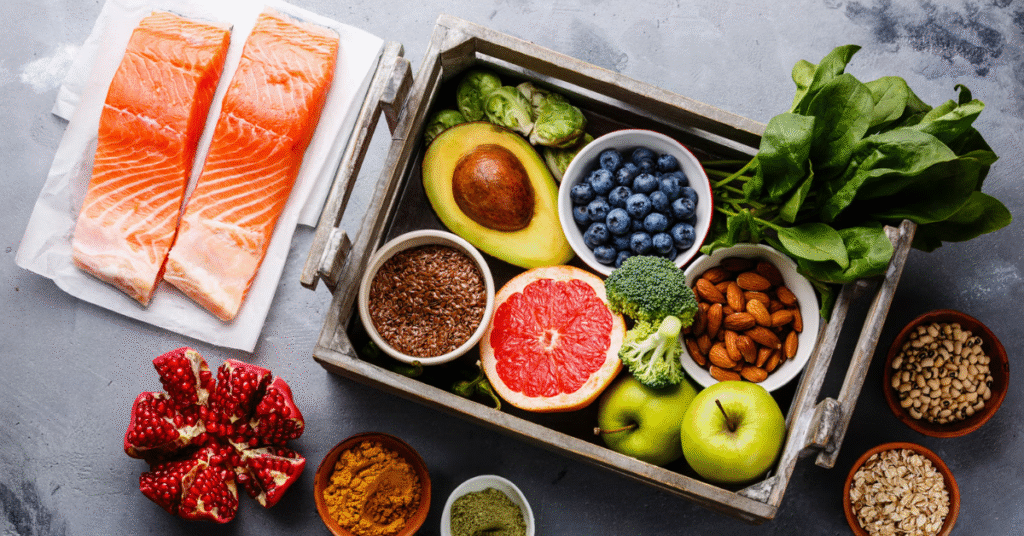
1. Leafy Greens
Leafy greens are essential components of a heart-healthy diet, particularly due to their high potassium content. Vegetables such as spinach, kale, and Swiss chard not only serve as versatile additions to various meals but also play a crucial role in managing blood pressure levels. Potassium aids in neutralizing the effects of sodium in the body, which is key in maintaining healthy blood pressure levels.
Among the leafy greens, spinach stands out for its impressive nutrient profile. A serving of cooked spinach contains approximately 840 milligrams of potassium, making it one of the top sources available. Kale, another highly nutritious leafy green, offers about 300 milligrams of potassium per serving and is also rich in fiber, which can further contribute to cardiovascular health. Swiss chard, with its slightly distinct flavor, is equally beneficial, providing over 600 milligrams of potassium and an array of antioxidants that support overall heart health.
Incorporating these leafy greens into daily meals can enhance nutrition while promoting better blood pressure management. They can be easily added to salads, smoothies, and soups, providing both flavor and health benefits. For instance, a spinach salad topped with a range of colorful vegetables and a light vinaigrette offers a delicious way to enjoy this nutrient-dense green. Similarly, sautéing kale with garlic and olive oil creates a tasty side dish rich in essential nutrients.
Moreover, the regular consumption of leafy greens can contribute to long-term health benefits beyond blood pressure regulation. Their rich composition of vitamins A, C, K, and minerals provides additional support for various bodily functions, contributing to improved overall wellness. Thus, enjoying a diverse range of leafy greens can not only be a delicious addition to one’s diet but also a wise decision for heart health.
2. Berries
Berries are not only a delicious and versatile addition to any diet but also play a significant role in promoting heart health. Among the various types of berries, blueberries and strawberries stand out due to their high concentrations of antioxidants, particularly flavonoids. Flavonoids are natural compounds that have been associated with numerous health benefits, including the ability to lower blood pressure levels. Regular consumption of these fruits has shown potential in improving vascular function and reducing hypertension.
Blueberries are particularly noteworthy; they contain compounds called anthocyanins, which contribute to their blue hue. Research suggests that these compounds may help relax blood vessels and improve circulation, ultimately aiding in the maintenance of healthy blood pressure. Similarly, strawberries are rich in polyphenols, which may also positively influence blood pressure regulation through their anti-inflammatory and antioxidant properties.
Incorporating berries into your daily meals can be both enjoyable and beneficial for your cardiovascular health. One of the simplest ways to do this is by adding a handful of berries to your morning smoothie or yogurt. This not only boosts the nutritional value of your breakfast but also adds natural sweetness. Furthermore, berries can serve as an excellent topping for salads, providing a burst of flavor along with essential vitamins and minerals.
Additionally, berries make for a convenient and healthy snack option. Whether enjoyed fresh, frozen, or dried, they are easy to carry and can be enjoyed anytime throughout the day. By experimenting with various berry recipes, such as berry-infused water or berry compotes, individuals can enhance their diets while reaping the benefits associated with these nutritious fruits. Therefore, integrating blueberries, strawberries, and other berries into your meals can contribute significantly to lowering blood pressure naturally.
3. Beets
Beets are a nutritious root vegetable that has gained attention for their potential to lower blood pressure. This beneficial effect primarily stems from their high nitrate content. Nitrates, which are naturally occurring compounds found in various vegetables, have the ability to convert into nitric oxide in the body. Nitric oxide acts as a vasodilator, relaxing and widening blood vessels, which in turn can lead to improved blood flow and lower blood pressure levels.
The relationship between dietary nitrates and blood pressure management is supported by several scientific studies. Research indicates that consuming foods rich in nitrates, such as beets, can lead to a significant reduction in both systolic and diastolic blood pressure. This makes beets a valuable addition to the diet for individuals looking to mitigate hypertension. As a versatile vegetable, beets can be prepared in numerous ways to enhance their consumption. They can be roasted, steamed, or boiled and served as a side dish. Roasting beets intensifies their natural sweetness and produces a tender texture, making them an enjoyable complement to various meals.
In addition to roasting, beets can be thinly sliced and added to salads, where their vibrant color not only becomes a visual highlight but also contributes to the dish’s nutritional profile. Another popular method of consuming beets is through juice, often combined with other vegetables or fruits for a nutrient-packed beverage. Beet juice, known for its refreshing taste, serves as a convenient option for those aiming to increase their nitrate intake efficiently. Regardless of how they are prepared, incorporating beets into one’s diet offers a delicious way to naturally support healthy blood pressure levels and overall cardiovascular health.
4. Oats
Oats are a whole grain that has gained recognition for their numerous health benefits, especially in the context of cardiovascular health. One of the standout features of oats is their high content of soluble fiber, particularly beta-glucans. This unique form of fiber dissolves in water to form a gel-like substance in the gut, which can help to lower cholesterol levels and subsequently reduce blood pressure. The incorporation of oats into a balanced diet can contribute significantly to heart health.
In addition to their cholesterol-lowering properties, oats are rich in essential nutrients, including vitamins, minerals, and antioxidants. They provide a good source of magnesium, which has been shown to support overall cardiovascular function and may play a role in regulating blood pressure. Moreover, oats are low in calories and high in dietary fiber, making them an excellent addition to any weight management plan as maintaining a healthy weight is crucial for blood pressure control.
Preparation methods for oats are diverse, allowing for flexibility in incorporating them into daily meals. One of the most popular ways to enjoy oats is as oatmeal, prepared by boiling rolled or steel-cut oats with water or milk. To enhance flavor and nutritional value, various toppings can be added, such as fresh fruits, nuts, or a drizzle of honey. Additionally, oats can be used in smoothies, pancakes, and baked goods, providing versatile options for breakfast or snacks.
For heart health, consider starting your day with a bowl of oatmeal topped with berries and a sprinkle of flaxseeds, which adds additional fiber and omega-3 fatty acids. Alternatively, overnight oats can be an easy and convenient option, allowing for a quick breakfast that can be prepared in advance. By integrating oats’ healthful qualities into breakfast routines, individuals can harness the benefits of this nutritious grain in achieving lower blood pressure and overall well-being.
5. Fatty Fish
Fatty fish, such as salmon, mackerel, sardines, and herring, are notable for their high content of omega-3 fatty acids. These essential fats are well-documented for their positive effects on cardiovascular health, particularly in reducing inflammation and promoting optimal blood pressure levels. Omega-3 fatty acids are linked to a lower risk of heart disease and can significantly assist in maintaining healthy blood flow.
Research indicates that regular consumption of fatty fish can be beneficial for individuals striving to manage their blood pressure. These varieties of fish not only provide omega-3s but are also abundant in protein and vital nutrients like vitamin D and selenium, which collectively contribute to heart health. Incorporating fatty fish into one’s diet can be both delicious and beneficial. For instance, grilled salmon or mackerel can serve as the centerpiece of a nutritious meal.
When it comes to preparation methods, opting for grilling, baking, or steaming is preferable, as these techniques retain the healthy properties of the fish without adding excessive fats or calories. It is recommended that individuals include fatty fish in their diets at least twice a week to reap the heart health benefits effectively. This frequency aligns with dietary guidelines emphasizing the importance of omega-3 rich foods.
For those who may not enjoy fish, omega-3 fatty acids can also be obtained from other sources such as walnuts, flaxseeds, and chia seeds, although these options may not provide the same level of beneficial EPA and DHA found in fatty fish. As a part of a balanced diet, including these nutrient-rich fish can play a crucial role in lowering blood pressure and enhancing overall well-being.
6. Bananas
Bananas are not only a popular and convenient snack but also an essential dietary component for those looking to maintain or lower their blood pressure. Rich in potassium, this fruit plays a critical role in warding off the adverse effects of sodium. Potassium helps to counterbalance sodium levels in the body, making it an important nutrient for blood pressure regulation. A medium-sized banana contains approximately 422 milligrams of potassium, which can significantly contribute to daily intake recommendations.
The nutritional value of bananas extends beyond potassium. They are also a good source of dietary fiber, vitamin C, and vitamin B6, all of which contribute to overall health. The combination of potassium and fiber in bananas can facilitate better digestion, reduce bloating, and support cardiovascular health. Furthermore, the natural sugars present in bananas provide a quick energy boost, making them an ideal pre- or post-workout snack.
Incorporating bananas into your diet can be straightforward. They can be eaten raw, added to smoothies, or sliced atop breakfast cereals and yogurt. Additionally, bananas can be baked into healthy muffins, used to sweeten oatmeal, or blended into pancake batter for added nutrition. To explore culinary versatility, consider making banana-based snacks such as banana chips or smoothies that combine bananas with other fruits and vegetables, enhancing their nutritional benefits.
However, individuals on specific dietary plans, such as those who need to monitor carbohydrate intake, should be mindful of portion sizes, as bananas do contain sugars. Overall, bananas are an excellent choice for anyone looking to support lower blood pressure naturally while enjoying a delicious fruit snack.
7. Dark Chocolate
Dark chocolate, distinguished by its high cocoa content, is increasingly recognized for its potential health benefits, particularly concerning cardiovascular health and blood pressure regulation. The primary active components in dark chocolate are flavonoids, which are naturally occurring compounds found in various plants. Research indicates that these flavonoids can enhance endothelial function, improve blood flow, and relax blood vessels, thereby contributing to lower blood pressure levels.
Specifically, flavonoids have been shown to stimulate the production of nitric oxide in the body. Nitric oxide is crucial for vasodilation, the process through which blood vessels widen to facilitate better blood circulation. A study published in the journal “Hypertension” suggests that regular consumption of dark chocolate can lead to modest reductions in systolic and diastolic blood pressure in individuals with hypertension. However, it is essential to note that the benefits are most pronounced when opting for dark chocolate with at least 70% cocoa content, as this variety typically contains higher levels of beneficial flavonoids compared to milk chocolate.
When integrating dark chocolate into a balanced diet, moderation is key. Despite its advantages, dark chocolate is dense in calories and fat, which could counteract its health benefits if consumed excessively. Most nutritionists recommend limiting intake to a small portion—approximately one ounce—several times a week, ensuring that it complements a diet rich in fruits, vegetables, whole grains, and lean proteins. This holistic approach to nutrition not only supports heart health but also contributes to overall wellness.
In conclusion, dark chocolate can be a delicious addition to a heart-healthy diet, providing enjoyment alongside potential blood pressure-lowering effects. By choosing varieties with high cocoa content and enjoying them in moderation, individuals can savor this indulgent treat while reaping its health benefits.