
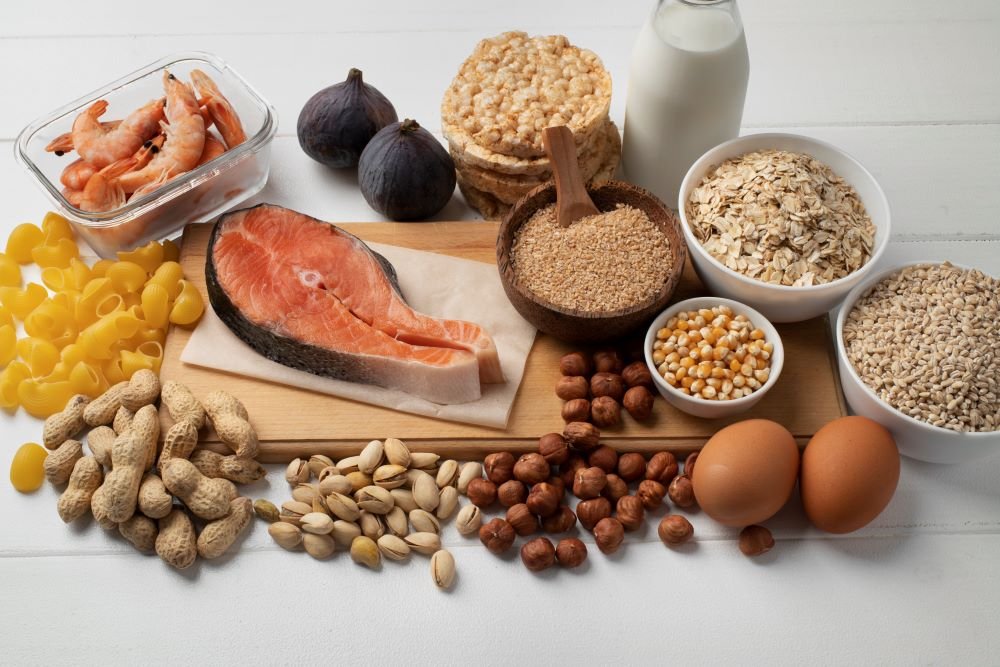
1. Greek Yogurt: The Protein Powerhouse
Greek yogurt has emerged as a prominent superfood, particularly noted for its substantial protein content and unique probiotic properties. This dairy product is strained to remove excess whey, resulting in a thicker consistency compared to regular yogurt, along with a higher concentration of protein. This feature makes Greek yogurt an excellent choice for those seeking to enhance their meal plans while promoting weight loss. The high protein content of Greek yogurt serves to prolong feelings of satiety, thereby reducing overall caloric intake. Studies have shown that diets enriched with protein can help individuals feel fuller longer, effectively curbing cravings that often lead to overeating.
Furthermore, the inclusion of probiotics in Greek yogurt plays a pivotal role in fostering overall gut health. Probiotics are beneficial bacteria that assist in maintaining a healthy balance in the digestive system, which is integral to weight management. A balanced gut microbiome can improve metabolic processes and may even influence how the body stores fat. Research has indicated that individuals with a diverse gut microbiota can experience more efficient weight loss and improved metabolic outcomes. Therefore, incorporating Greek yogurt into your daily diet not only enhances protein intake but also supports gut health, providing dual benefits for those concerned with maintaining a healthy weight.
When selecting Greek yogurt, one should opt for varieties that are low in added sugars and artificial ingredients to maximize its health benefits. Plain Greek yogurt can be versatile in many recipes or can be enjoyed as a snack. It can be paired with fruits, nuts, or seeds, making it a satisfying choice that aligns with weight loss objectives. The combination of protein, probiotics, and versatility makes Greek yogurt a valuable asset in any weight loss strategy, offering a nutritious and delicious way to stay on track with health goals.
2. Quinoa: The Complete Protein Grain
Quinoa, often referred to as a superfood, stands out in the realm of whole grains due to its impressive nutritional profile. Unlike many other grains, quinoa is classified as a complete protein, meaning it contains all nine essential amino acids that our bodies cannot produce on their own. This unique characteristic makes quinoa an invaluable dietary choice, particularly for those following vegetarian or vegan lifestyles, as it provides an excellent source of protein without the need for animal products.
One of the primary benefits of quinoa is its high fiber content. Each serving of quinoa is rich in dietary fiber, which is essential for promoting satiety. When included in meals, quinoa can help to create a feeling of fullness, thereby potentially reducing overall calorie intake. This inherent property makes it an excellent addition to weight loss diets. Moreover, the fiber in quinoa contributes to better digestive health, promoting regularity and aiding in the management of blood sugar levels. This stable blood sugar maintenance is crucial, as it helps in preventing energy crashes and cravings, further supporting weight management goals.
Additionally, quinoa is a versatile grain that can be easily incorporated into various dishes. Whether used as a base for salads, added to soups, or even prepared as a breakfast porridge, quinoa offers culinary flexibility alongside its health benefits. Furthermore, its low glycemic index makes it a suitable option for those monitoring their carbohydrate intake, as it promotes gradual releases of energy rather than spikes in blood sugar. This makes quinoa not only a nutritious option for weight loss but also for general health and wellbeing.
3. Berries: Antioxidant-Rich Fruits for Satiety
Berries, including blueberries, strawberries, and raspberries, represent a category of superfoods that are highly beneficial for those seeking to manage their weight effectively. These fruits are characterized by their low-calorie content and high nutritional value, making them an ideal choice for individuals who wish to incorporate more healthy options into their diets. The natural sweetness of berries offers a satisfying alternative to sugary snacks, allowing one to curb sugar cravings without the associated calorie overload.
One of the remarkable qualities of berries is their high fiber content. Fiber plays a crucial role in aiding digestion and enhancing satiety, which is pivotal in any weight loss plan. Consuming berries can help individuals feel fuller for extended periods, reducing the likelihood of overeating. Moreover, the fiber found in berries aids in regulating blood sugar levels, which is essential for maintaining steady energy and minimizing cravings throughout the day.
Additionally, berries are rich in antioxidants, which contribute to overall health by combating free radicals and reducing inflammation in the body. These properties not only support weight loss efforts but also promote a general sense of well-being. Their small size and vibrant colors make them a delightful addition to a variety of dishes, including salads, smoothies, and desserts, enhancing both nutritional value and flavor without adding excessive calories.
Incorporating a variety of berries into one’s diet can be a strategic method for those looking to lose weight naturally. Whether enjoyed fresh, frozen, or dried, these nutrient-dense fruits can significantly aid in achieving satiety and promoting overall health, rendering them an exceptional choice in any weight management regimen.
4. Leafy Greens: Low-Calorie Nutrient Powerhouses
Leafy greens, such as spinach, kale, and Swiss chard, are considered among the most beneficial food choices for individuals aiming to lose weight. These vegetables are exceptionally low in calories, making them ideal for enhancing meals without significantly increasing caloric intake. For example, a generous serving of spinach contains only about seven calories, which allows for the consumption of larger portions while maintaining low energy consumption.
In addition to being low in calories, leafy greens are rich in essential vitamins and minerals, including vitamins A, C, K, and various B vitamins. They are also packed with dietary fiber, which plays a critical role in promoting feelings of fullness and satiety. By incorporating these nutrient-dense foods into your diet, it becomes easier to manage hunger levels, which can help reduce overall calorie consumption throughout the day.
Furthermore, the high fiber content found in leafy greens can facilitate digestion and support metabolic health. When you consume foods that are high in fiber, they create a sense of fullness that can prolong the time between meals, thereby assisting in weight reduction efforts. A salad filled with greens can serve as a satisfying base for a meal, allowing for creativity with additional toppings like lean proteins, nuts, or beans without compromising your weight loss goals.
Incorporating various leafy greens into your regular diet can be achieved through simple additions to smoothies, salads, or stir-fries. The versatility of leafy greens means they can be easily incorporated into different meals throughout the day, providing a nutritional boost without adding excessive calories. By regularly enjoying these low-calorie, nutrient-dense foods, you can enhance your weight loss journey effectively.
5. Chia Seeds: Tiny Seeds, Big Benefits
Chia seeds, though small in size, have gained recognition for their impressive nutritional profile and their potential role in weight loss. These tiny seeds are rich in omega-3 fatty acids, high-quality protein, and dietary fiber, making them a powerhouse of essential nutrients that can support a balanced diet. The unique composition of chia seeds allows them to absorb liquid and expand, forming a gel-like substance known as chia gel. This property is particularly beneficial for those looking to manage their appetite, as the gel can enhance satiety, helping individuals feel fuller for a more extended period.
Incorporating chia seeds into your diet can be easy and versatile. They can be added to a variety of dishes, such as smoothies, oatmeal, yogurt, or salads, seamlessly enhancing the meal’s nutritional value without overwhelming its flavor. The soluble fiber present in chia seeds plays a critical role in promoting digestive health and regularity, which is essential for an effective weight management strategy. Additionally, the high protein content may also contribute to muscle maintenance and growth, further supporting a healthy metabolism.
Moreover, chia seeds are gluten-free and suitable for various dietary preferences, making them a convenient option for many people. When consumed as part of a balanced diet, they can serve as an effective approach for individuals seeking to promote weight loss and overall well-being. By integrating chia seeds into daily meals, one may experience not only enhanced feelings of fullness but also a boost in nutrient intake, supporting overall health objectives. Their benefits extend beyond weight management, affirming chia seeds as a valuable addition to any dietary regimen.
6. Apples: A Natural Snack for Weight Loss
Apples are often celebrated as one of the most practical dietary choices for individuals seeking to manage their weight. This popular fruit is not only delicious but also comes with a host of benefits that make it an ideal snack for those who aim to lose weight. The primary advantage of apples lies in their high fiber content. With approximately 4 grams of fiber per medium apple, they play a pivotal role in promoting satiety. Fiber is known to slow down digestion, which can help individuals feel fuller for longer. This prolonged feeling of fullness can serve as a natural deterrent against overeating and snacking on less nutritious options.
Moreover, the low-calorie content of apples makes them an excellent choice for weight-conscious individuals. A medium apple typically contains about 95 calories, which makes it a guilt-free snack option. Integrating apples into your daily meals can also enhance variety in a weight loss diet, allowing for a range of options that still align with caloric goals. Their naturally sweet flavor can satisfy dessert cravings without the need for added sugars or high-calorie treats. This characteristic makes apples a great alternative for those trying to make healthier choices while still enjoying the sweetness they desire.
Incorporating apples in various forms, such as sliced with peanut butter or chopped into salads, can keep meal planning interesting while ensuring that you derive the benefits of their nutrients. Furthermore, apples are rich in antioxidants and vitamins, contributing to overall health beyond just weight management. The next time you’re in need of a quick snack, consider reaching for an apple. Not only does it support weight loss efforts, but it also complements a balanced and nutritious diet effectively.
7. Green Tea: A Natural Metabolism Booster
Green tea is widely recognized for its myriad health benefits, particularly its role as a natural metabolism booster. Rich in antioxidants, specifically a type known as catechins, green tea has garnered significant attention in the realm of weight loss. Studies have demonstrated that the catechins present in green tea can enhance fat oxidation, which essentially means that they assist the body in breaking down fat more efficiently. This fat-burning capability not only contributes to weight loss but also improves overall metabolic function.
Moreover, the caffeine content found in green tea works synergistically with catechins to elevate energy expenditure and promote fat burning. Research indicates that consuming green tea can significantly improve exercise performance, augmenting the benefits of physical activity in weight loss endeavors. Individuals who incorporate green tea into their daily regimen often report enhanced stamina and a more effective workout experience, which can be particularly beneficial for those aiming to shed pounds.
It is recommended that individuals aiming to utilize green tea as a weight loss aid consume it on a regular basis – ideally two to three cups per day. This consistent intake can help the body maintain an elevated metabolic rate while supporting the fat-burning processes during workouts. Additionally, replacing sugary beverages with green tea can lower caloric intake, thereby contributing to a weight loss plan.
Overall, integrating green tea into a balanced diet can assist in achieving weight loss goals while simultaneously enhancing well-being. Its natural properties make it a simple yet effective addition to any health-focused lifestyle.