
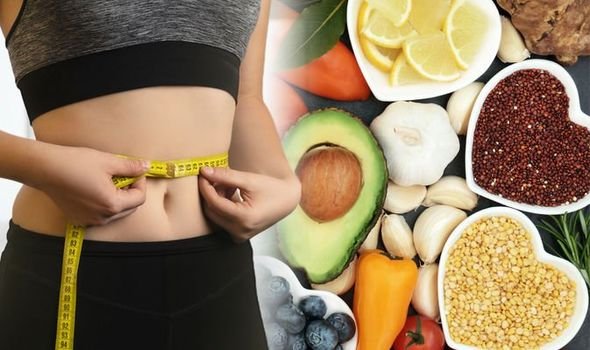
1. Avocado: A Nutritional Powerhouse for Weight Loss
Avocados are celebrated not only for their creamy texture and rich flavor but also for their impressive nutritional profile. They are an excellent source of healthy monounsaturated fats, particularly oleic acid, which has been linked to improved heart health. These beneficial fats contribute to satiety, helping to control appetite and minimize overeating, which can play a significant role in weight loss efforts. Furthermore, avocados are high in dietary fiber, which can aid in digestion and enhance feelings of fullness. A single avocado contains approximately 10 grams of fiber, making it an effective choice for those looking to reduce caloric intake without feeling deprived.
Research supports the notion that including avocados in one’s diet can accelerate weight loss. A study published in the journal “Nutrition” indicated that individuals who incorporated half an avocado into their meals experienced reduced hunger and decreased desire to eat for hours afterward. This effect can be attributed to both the fiber content and the healthy fats found in avocados, which slow digestion and promote longer-lasting energy. Additionally, the presence of vitamins and minerals, such as potassium and vitamin K, further enhances the health benefits of this superfood.
Incorporating avocados into daily meals is easy and versatile. They can be enjoyed fresh in salads, blended into smoothies for a creamy texture, or spread on whole-grain toast as a nutritious breakfast option. Moreover, avocados can serve as a substitute for less healthy fats in recipes, providing a healthier alternative in baking or cooking. In essence, adding avocados to your diet not only enriches flavor but also provides nutritional benefits that may assist in weight loss goals.
2. Quinoa
Quinoa, often hailed as a superfood, is a remarkable grain that offers numerous health benefits, particularly for those aiming to lose weight. As a complete protein, quinoa contains all nine essential amino acids, making it an excellent option for individuals following a plant-based diet or looking to enhance their protein intake without consuming meat. This quality is particularly beneficial in maintaining muscle mass while on a calorie-restricted diet, thereby facilitating effective weight loss.
One of the standout features of quinoa is its high fiber content. Fiber plays a crucial role in digestion, promoting regular bowel movements and preventing constipation. Additionally, the fiber in quinoa helps to create feelings of fullness, which can aid in reducing overall calorie intake throughout the day. By incorporating quinoa into meals, individuals may find it easier to manage their portions and stick to their weight loss goals.
Moreover, quinoa has been shown to have a positive impact on blood sugar levels. Its low glycemic index indicates that it is digested slowly, which helps to prevent spikes in blood glucose levels. This feature is particularly beneficial for those managing diabetes or aiming to regulate their energy levels while losing weight. Quinoa is versatile and can be easily integrated into various meals; it can be used in salads, soups, or as a base for stir-fries, making it adaptable to different culinary preferences.
In essence, quinoa stands out not only for its nutritional benefits but also for its practicality in everyday meal planning. As a gluten-free grain, it can be an excellent choice for individuals with gluten sensitivities or celiac disease. Thus, adding quinoa to a weight loss regimen can provide a satisfying, nutritious, and versatile food option that supports overall health and wellness.
3. Berries
Berries, including blueberries, strawberries, raspberries, and blackberries, are often heralded as a quintessential superfood due to their remarkable nutritional profiles and health benefits. These fruits are not only low in calories but also rich in essential vitamins, minerals, and antioxidants. Their vibrant colors are indicative of high antioxidant levels, which can play a significant role in neutralizing harmful free radicals in the body. This antioxidant property is key to combating oxidative stress, potentially lowering the risk of chronic diseases.
One of the appealing aspects of berries is their ability to satisfy sweet cravings while remaining low in sugar. A cup of strawberries contains approximately 50 calories and just seven grams of sugar, making them an ideal snack for those seeking to maintain or lose weight. Moreover, berries are high in dietary fiber, which promotes a sense of fullness and can assist in appetite regulation, thus helping individuals adhere to their weight-loss goals.
Research has indicated that consumption of berries may contribute positively to heart health and metabolic function. A study published in the “American Journal of Clinical Nutrition” found that individuals who regularly consumed anthocyanin-rich berries, such as blueberries, had a lower risk of heart disease. Furthermore, the fiber content in berries aids digestion and may improve metabolic rates. The anti-inflammatory properties of these fruits might also play a role in enhancing overall health and wellness.
Incorporating berries into your daily diet can be both simple and enjoyable. Consider adding them to smoothies, yogurt, or oatmeal for a nutritious breakfast or snack. They can also be blended into sauces for savory dishes or used as natural sweeteners in desserts. Frozen berries can serve as a convenient alternative, providing year-round access to these healthful foods. By including berries in meal preparations, individuals can enjoy their health benefits while indulging in delicious flavors.
4. Greek Yogurt
Greek yogurt has garnered attention for its numerous health benefits, especially in the context of weight loss. One of the standout features of Greek yogurt is its high protein content, which is significantly more than traditional yogurt. This elevated protein level plays a crucial role in muscle building and fat loss. Protein is known to promote feelings of fullness, helping individuals manage their appetite more effectively. By incorporating Greek yogurt into a balanced diet, one may support their weight loss endeavors while also preserving muscle mass.
In addition to its protein benefits, Greek yogurt is rich in probiotics, which are live bacteria that can positively impact gut health. A healthy gut microbiome is essential for proper digestion and absorption of nutrients, as well as for maintaining a balanced metabolism. Regular consumption of probiotics found in Greek yogurt can help enhance gut health, potentially leading to improved overall well-being, which is vital during any weight loss journey.
When selecting Greek yogurt, it is advisable to choose varieties that are low in added sugars and artificial flavors. Look for plain Greek yogurt, as it can be easily customized with fresh fruits, a drizzle of honey, or a sprinkle of nuts and seeds to enhance flavor and nutritive value. Furthermore, Greek yogurt can be effortlessly incorporated into daily meals. It serves as an excellent base for smoothies, adding creaminess and nutritional benefits without the high calories associated with ice cream or sugary yogurt. It can also be enjoyed as a quick snack or used as a substitute for sour cream in various recipes, making it a versatile addition to diverse culinary practices.
Overall, including Greek yogurt in your diet may not only provide you with a nutrient-dense option but also assist in appetite control, thereby supporting weight loss goals.
5. Leafy Greens
Leafy greens, such as spinach, kale, and Swiss chard, are an essential part of a balanced diet and are particularly beneficial for those aiming to lose weight. One of the standout features of these superfoods is their low-calorie density, which allows individuals to consume larger portions without exceeding their caloric intake. By incorporating leafy greens into meals, one can enjoy a sense of fullness while significantly cutting down on overall calories, thereby supporting weight loss efforts.
These greens are not only low in calories but also packed with a wealth of nutrients. They are an excellent source of dietary fiber, which aids in digestion and helps maintain feelings of satiety. The high fiber content in leafy greens contributes to regulating appetite, making them a powerful ally in managing weight. Moreover, they boast a rich profile of vitamins and minerals, including vitamin A, vitamin K, and various antioxidants that offer additional health benefits beyond weight loss.
Incorporating leafy greens into your diet can be simple and versatile. They can be enjoyed raw in salads, blended into smoothies for a nutrient boost, or cooked into a variety of dishes. For instance, kale chips offer a crunchy snack alternative, while sautéed spinach pairs well with eggs for a nutritious breakfast or as a side dish. Swiss chard, with its vibrant colors, can add a visual appeal to meals, either steamed or incorporated into soups. The versatility of leafy greens makes them an easy addition to any meal, enhancing both nutritional value and satisfaction.
6. Nuts and Seeds: Nutritional Powerhouses
Nuts and seeds are often omitted from discussions regarding weight loss, primarily due to their high calorie density. However, their contributions to a healthy diet are significant, making them valuable additions for those seeking to manage their weight. These nutrient-rich foods are packed with healthy fats, protein, and fiber, which not only enhance overall nutrition but also promote satiety. This means that including appropriate portions of nuts and seeds in one’s diet can lead to a feeling of fullness, potentially preventing overeating later on.
The healthy fats found in nuts and seeds, such as monounsaturated and polyunsaturated fatty acids, have been shown to support heart health and may even aid in weight management. Protein further complements their nutritional profile, playing a vital role in muscle repair and growth while also contributing to satiety. Additionally, the fiber content in nuts and seeds slows down digestion, leading to prolonged feelings of fullness and reduced hunger. Common varieties like almonds, walnuts, chia seeds, and flaxseeds not only offer myriad health benefits but also provide a variety of flavors and textures to meals and snacks.
Despite their calorie density, portion control is key to reaping the benefits of nuts and seeds without excessive calorie intake. A handful, equivalent to about one ounce, is often sufficient. This portion can be incorporated into salads, yogurts, or as a standalone snack. To further enhance their versatility, nuts and seeds can be blended into smoothies, used in baking, or sprinkled over oatmeal. It is crucial to choose unsalted and unflavored varieties to maximize health benefits. By integrating nuts and seeds wisely into the diet, individuals can enjoy their unique flavors and textures while supporting their weight management goals effectively.
7. Chia Seeds
Chia seeds, derived from the Salvia hispanica plant, have emerged as a prominent superfood due to their impressive nutritional profile. Rich in omega-3 fatty acids, fiber, and protein, these tiny seeds play a significant role in promoting weight loss and overall health. The omega-3 fatty acids found in chia seeds can help reduce inflammation and support heart health, while the high fiber content enhances digestive health and promotes feelings of fullness. This unique blend of nutrients makes chia seeds an excellent addition to a weight management regimen.
One of the remarkable characteristics of chia seeds is their ability to absorb water. When combined with liquid, they expand and form a gel-like consistency. This property not only increases the volume of food consumed but also enhances satiety, potentially helping individuals to eat less during meals. Studies have indicated that incorporating chia seeds into one’s diet may lead to improved weight management outcomes. For example, a study published in the journal Nutrition Research found that participants who consumed chia seeds experienced reduced appetite and increased weight loss compared to those who did not include them in their regimen.
Creative uses for chia seeds abound, making it easy to incorporate them into various dishes. One popular option is chia seed pudding, which combines the seeds with a liquid such as almond milk or coconut milk, allowing them to absorb the liquid overnight. The result is a nutrient-dense, creamy dessert that can be flavored with fruits, vanilla, or cocoa. Additionally, chia seeds can serve as a delightful topping for smoothies or yogurt, enhancing the texture and nutritional value of these meals. As a versatile ingredient, chia seeds offer numerous possibilities for those looking to enhance their diets and support weight loss efforts.