
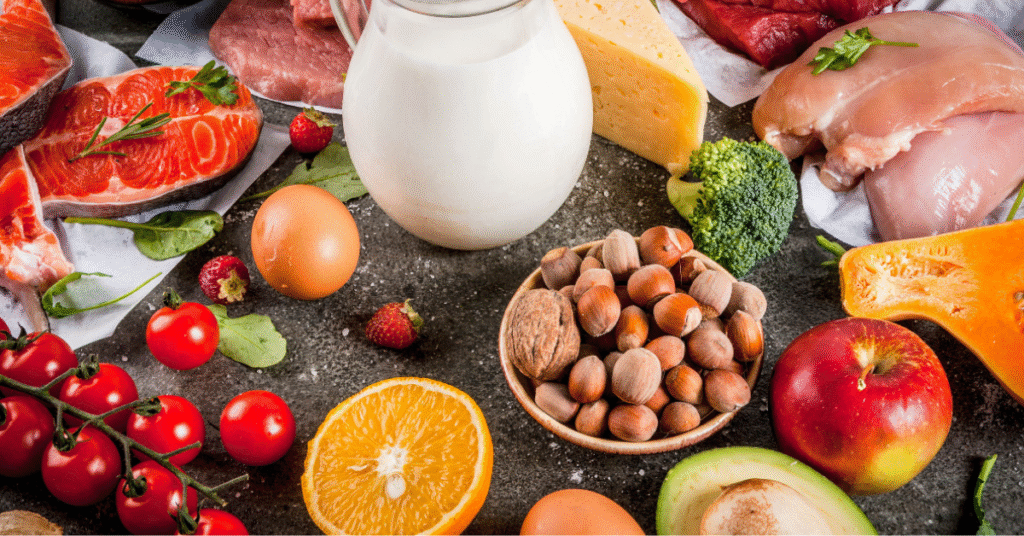
1. Avocados
Avocados have gained popularity not just as a delicious food choice but also for their remarkable benefits to skin health. This fruit is a powerhouse of nutrients, particularly rich in healthy monounsaturated fats, which play a critical role in keeping the skin hydrated and supple. These healthy fats act as a barrier that helps retain moisture, ensuring that the skin remains elastic and glowingly youthful. This is especially important since adequate hydration is a key factor in maintaining skin’s appearance and texture.
Furthermore, avocados are loaded with essential vitamins such as E and C, both of which are vital for achieving and preserving a healthy complexion. Vitamin E, a potent antioxidant, helps protect the skin from oxidative stress caused by free radicals, which can accelerate the aging process. Meanwhile, vitamin C aids in collagen synthesis, crucial for maintaining skin firmness and reducing the appearance of fine lines and wrinkles. These vitamins work synergistically to guard against environmental factors that can contribute to skin aging.
The antioxidant properties of avocados also enhance their role in promoting skin health. The fruit contains various phytonutrients that have been shown to combat signs of aging by neutralizing harmful compounds in the body. Regular consumption of avocados may contribute to a reduction in inflammation and improvement in overall skin tone, leading to a more radiant complexion. Thus, incorporating avocados into one’s diet is more than just a culinary choice; it is a proactive approach to nurturing youthful skin.
In light of their impressive nutritional profile, avocados stand out as a functional food that occupies an important place in any skin-care-oriented diet. Their combination of healthy fats, vitamins, and antioxidants makes them a compelling choice for anyone looking to maintain their skin’s vitality and resilience.
2. Blueberries
Blueberries are often celebrated for their numerous health benefits, particularly their remarkable antioxidant properties. Rich in anthocyanins, flavonoids responsible for their deep blue hue, these small berries play a crucial role in skin health. Antioxidants are vital in combating oxidative stress, which is a significant contributing factor to skin aging. By neutralizing free radicals, the antioxidants in blueberries help protect the skin from damage that can lead to signs of aging, such as wrinkles and fine lines.
In addition to their antioxidant content, blueberries also offer a host of other nutrients beneficial for skin health. They are a good source of vitamins C and E, both of which contribute to maintaining skin’s suppleness and enhancing its natural glow. Vitamin C, in particular, is known for its role in collagen production, a protein essential for maintaining skin elasticity. By incorporating blueberries into your diet, you can aid in the skin’s repair process and promote a more youthful appearance.
Furthermore, the anti-inflammatory properties of blueberries can help reduce redness and irritation, providing relief for conditions such as acne and eczema. The presence of fiber and other phytochemicals in blueberries also supports overall health, which is fundamental to achieving and maintaining vibrant skin. By ensuring that your body receives a balanced intake of nutrients, including those found in blueberries, you can harness their skin-enhancing benefits.
Ultimately, the consumption of blueberries can be a delicious and effective way to support your skin’s health. Incorporating this nutrient-rich fruit into a balanced diet may not only help in reducing the evident signs of aging but also enhance the skin’s overall appearance, making it look radiant and youthful.
3. Fatty Fish
Fatty fish, such as salmon, mackerel, and sardines, are renowned for their rich content of omega-3 fatty acids. These essential fats play a crucial role in maintaining skin health by promoting hydration and moisture retention. Omega-3 fatty acids assist in preserving the skin’s lipid barrier, which ensures that moisture is locked in and prevents dryness. As a result, incorporating fatty fish into your diet can contribute significantly to achieving supple and youthful skin.
The benefits of omega-3 fatty acids extend beyond mere hydration. They are known to enhance skin elasticity, which is vital for maintaining a firm and youthful appearance. The presence of these fatty acids facilitates the production of collagen and elastin, key proteins that contribute to skin structure and elasticity. This means that regular consumption of fatty fish can help mitigate the signs of aging, such as sagging skin and fine lines.
Moreover, omega-3 fatty acids are highly regarded for their anti-inflammatory properties. They play an instrumental role in reducing inflammation in the body, which can be beneficial for those suffering from skin conditions such as acne and psoriasis. By minimizing inflammation, omega-3s contribute to a more balanced and clear complexion, allowing for healthier skin overall. Additionally, the anti-inflammatory effect helps in soothing irritated skin and may improve overall skin tone.
In conclusion, including fatty fish in your diet is a practical and delicious way to enhance your skin health. The omega-3 fatty acids present in these fish not only hydrate the skin but also promote elasticity and combat inflammation, making them an essential component for maintaining radiant and youthful skin. Integrating fatty fish into your meals can lead to visible improvements in skin texture and appearance.
4. Walnuts
Walnuts have gained recognition not only as a satisfying snack but also as a vital contributor to skin health. Rich in essential fatty acids, particularly omega-3 fatty acids, walnuts serve as a powerful source of nourishment for the skin. These fatty acids play a crucial role in maintaining the skin’s lipid barrier, which is fundamental for retaining moisture and preventing dryness. When skin remains adequately hydrated, it appears plump and youthful, helping to combat the visible signs of aging.
In addition to fatty acids, walnuts are abundant in protein and vitamin E. Protein is essential for the regeneration of skin cells, enabling the skin to repair itself from environmental factors such as UV radiation and pollution. Meanwhile, vitamin E acts as a potent antioxidant, protecting skin cells from oxidative stress that can lead to premature aging. The presence of these nutrients in walnuts makes them a valuable addition to a diet aimed at promoting healthy, glowing skin.
Moreover, walnuts possess anti-inflammatory properties that can help improve skin texture and tone. Chronic inflammation is a significant factor in various skin conditions such as acne, eczema, and psoriasis. By incorporating walnuts into one’s diet, individuals may experience a reduction in inflammation, leading to clearer and healthier skin. The anti-inflammatory benefits, coupled with the aforementioned hydrating properties, make walnuts an essential component for those looking to enhance their overall skin health.
Overall, the impressive nutritional profile of walnuts makes them a superb choice for maintaining youthful and radiant skin. By integrating this nutrient-dense food into your daily meals, you can take significant steps towards improving skin hydration, reducing dryness, and fostering a balanced complexion.
5. Sweet Potatoes
Sweet potatoes are not only a delicious addition to various culinary dishes but also serve as a powerhouse of nutrients that benefit skin health. One of the key components found in sweet potatoes is beta-carotene, a pigment that gives these root vegetables their vibrant orange color. Beta-carotene is a precursor to vitamin A, which plays an essential role in maintaining healthy skin. When consumed, beta-carotene is converted into vitamin A in the body, which is crucial for skin regeneration and repair.
Vitamin A is known for its ability to enhance skin health by promoting cell turnover, reducing the appearance of wrinkles, and preventing premature aging. Additionally, it helps to keep the skin moisturized, which can lead to a smoother, more radiant complexion. Regular intake of sweet potatoes may provide a safeguard against UV damage due to the antioxidant properties of beta-carotene, protecting skin cells from oxidative stress caused by environmental factors such as sun exposure and pollution.
Moreover, sweet potatoes are an excellent source of other beneficial nutrients, including vitamins C and E, manganese, and dietary fiber. Vitamin C contributes to collagen production, offering firmness and elasticity to the skin, while vitamin E acts as a potent antioxidant that aids in further protecting the skin from harmful free radicals. The fiber content in sweet potatoes promotes a healthy digestive system, which is indirectly linked to skin health since proper digestion and nutrient absorption play a vital role in maintaining a glowing appearance.
Incorporating sweet potatoes into your diet can be both enjoyable and health-promoting. Whether baked, mashed, or roasted, they make a versatile side dish or ingredient in various recipes. By doing so, you can harness the benefits of beta-carotene and other skin-friendly nutrients, ultimately contributing to a youthful and glowing complexion.
6. Spinach
Spinach, a leafy green vegetable, is often heralded as a superfood, and for good reason. This vibrant green is loaded with a multitude of vitamins and minerals that are pivotal for maintaining skin health. It is particularly rich in vitamins A, C, and K, each playing a significant role in enhancing skin radiance. Vitamin A promotes cell turnover, which is essential for eliminating dead skin cells and encouraging the growth of new, healthy cells. This process helps to achieve a youthful complexion by reducing the appearance of fine lines and wrinkles.
Moreover, vitamin C serves as a powerful antioxidant that combats free radicals, potentially reducing oxidative stress which can lead to premature aging. Additionally, vitamin C is crucial for collagen synthesis, a protein that maintains skin elasticity and firmness. Collagen production tends to decrease as we age, so ensuring adequate vitamin C intake from foods like spinach can be beneficial for skin integrity.
Spinach is also a good source of vitamin K, which has been shown to aid in the healing of skin blemishes and supports overall skin tone. Alongside these vital vitamins, spinach contains other important nutrients such as iron, folate, and antioxidants like lutein that contribute to skin health. Iron helps deliver oxygen to the skin, promoting a healthy and glowing appearance, while folate aids in cellular repair, thus enhancing the skin’s overall texture.
Regular consumption of spinach in salads, smoothies, or incorporated into various dishes can significantly contribute to a vibrant and clear complexion. By integrating spinach into your diet, you are not only nourishing your body but also providing your skin with the essential nutrients it craves for a youthful glow.
7. Tomatoes
Tomatoes are not only a staple ingredient in numerous cuisines but also a remarkable ally for maintaining youthful skin. They are particularly rich in lycopene, a powerful antioxidant known for its potential skin-loving properties. Lycopene helps protect the skin from ultraviolet (UV) damage caused by sun exposure, which can lead to premature aging and skin conditions. Studies have indicated that this protective effect can be enhanced through the consumption of cooked tomatoes, as cooking increases the bioavailability of lycopene, allowing for more efficient absorption by the body.
Further, tomatoes contribute to improving skin texture due to their high vitamin C content, which plays a crucial role in collagen synthesis. Collagen is a protein that provides the skin with structure and elasticity, reducing the appearance of fine lines and wrinkles. By including both raw and cooked tomatoes in your diet, you can harness the combined benefits of these nutrients. Raw tomatoes can be added to salads, sandwiches, or salsas, while cooked varieties can enhance sauces, soups, or stews.
For individuals looking to incorporate more tomatoes into their meals, consider preparing a nutritious tomato-based dish at least a few times a week. For example, a homemade marinara sauce or roasted tomatoes can amplify flavor while offering significant health benefits. Additionally, pairing tomatoes with healthy fats, such as olive oil, can further enhance the absorption of lycopene and other fat-soluble vitamins. By making tomatoes a regular part of your dietary regime, you can contribute to achieving vibrant, youthful-looking skin while enjoying a variety of delicious dishes.
8. Green Tea
Green tea has garnered significant attention in the wellness community, particularly for its potent antioxidant properties. Rich in catechins, green tea is celebrated for its ability to promote skin health and maintain a youthful appearance. These powerful antioxidants act as free radical scavengers, combating oxidative stress that can accelerate the aging process. The anti-inflammatory properties of green tea further enhance its skin benefits, making it an excellent choice for those seeking to improve their complexion.
One of the most notable advantages of green tea is its ability to combat sun damage. The catechins in green tea can help to protect the skin from harmful ultraviolet (UV) radiation, thereby reducing the risk of skin cancer and photoaging. Incorporating green tea into your skincare regime not only helps mitigate the effects of sun exposure but also aids in reducing redness and irritation, resulting in a more even skin tone.
There are several ways to enjoy green tea beyond simply sipping a warm cup. For a refreshing skincare treatment, consider using green tea as a face mask or toner. Infusing brewed green tea with natural ingredients like honey or yogurt can create soothing masks that hydrate and nourish the skin. Additionally, applying cooled green tea bags directly to the under-eye area can help reduce puffiness and dark circles, giving a rejuvenated appearance.
To reap the full benefits of green tea, it can also be consumed in various forms, such as matcha powder in smoothies or baked goods, or prepared as an iced tea during warmer months. By incorporating green tea into your diet and skincare routine, you can enhance its positive effects on skin health, helping to maintain a youthful and glowing complexion.