
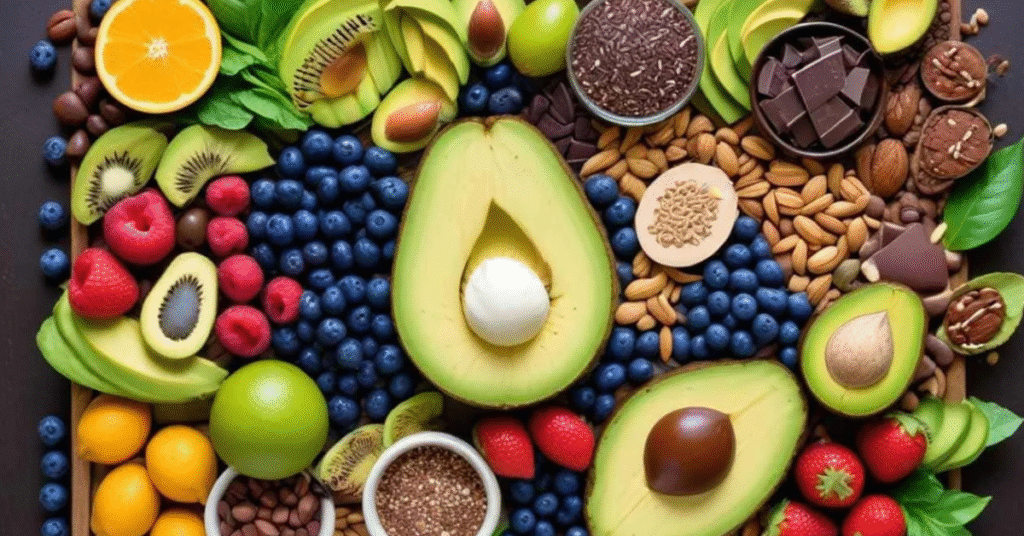
9. Dark Chocolate
Dark chocolate has long been revered not only for its rich, indulgent flavor but also for its remarkable health benefits, especially concerning brain power. This delectable treat is rich in flavonoids, which are compounds known for their antioxidant properties. These antioxidants are crucial for combating free radicals, thereby promoting overall brain health. Studies have indicated that flavonoids found in dark chocolate can enhance brain function by improving blood flow to the brain, leading to enhanced cognition, better memory, and even increased focus.
In addition to boosting cognitive function, dark chocolate has a positive impact on mood. The consumption of this sweet treat stimulates the production of endorphins, the body’s natural feel-good chemicals, which can elevate mood and reduce stress. Furthermore, it contains serotonin, a neurotransmitter that acts as an antidepressant, providing an additional layer of support for mental health.
When selecting dark chocolate, it is essential to choose varieties that are high in cocoa content, ideally 70% or more. This higher percentage ensures a greater concentration of flavonoids and minimizes sugar content, maximizing health benefits. Brands that emphasize high-quality, organic ingredients are often better options as they typically avoid additives and artificial flavors. Dark chocolate can be enjoyed in various forms, whether eaten alone, used in baking, or added to smoothies for a nutritious treat.
In conclusion, incorporating dark chocolate into your diet can serve as a delicious way to enhance brain function and mood. As a powerful source of flavonoids and antioxidants, this food not only satisfies sweet cravings but also contributes positively to cognitive health.
8. Fatty Fish
Fatty fish, such as salmon, mackerel, sardines, and trout, are well-regarded for their unique nutritional profile, particularly their high levels of omega-3 fatty acids. These essential fats play a crucial role in brain health as they contribute to the structure of neuronal membranes and are integral to the maintenance of cognitive function.
Omega-3 fatty acids, which include EPA (eicosapentaenoic acid) and DHA (docosahexaenoic acid), are particularly significant. Research indicates that DHA is highly concentrated in the brain, suggesting its importance in supporting optimal brain performance. Studies have shown that a diet rich in these fatty acids can lead to improvements in memory and cognitive abilities. This is particularly relevant for aging populations, as omega-3s are associated with a reduced risk of cognitive decline and diseases such as Alzheimer’s.
Moreover, fatty fish are not only beneficial for enhancing memory; they are also known to possess anti-inflammatory properties. Inflammation is often linked to various neurological problems, so consuming omega-3-rich fish may help mitigate these risks. The regular inclusion of fatty fish in one’s diet can contribute to lower levels of brain inflammation, potentially leading to better cognitive health.
Incorporating fatty fish into meals can be practical and delicious. Grilling salmon or mackerel, adding sardines to salads, or enjoying a warm bowl of fish stew are just a few ways to savor these nutritious options. Overall, the consumption of fatty fish supports brain power, making it a strategic dietary choice for those seeking to enhance their cognitive performance.
7. Blueberries
Blueberries are not only a delightful treat but also a formidable food for enhancing brain function. These small, vibrant fruits are recognized for their high levels of antioxidants, particularly flavonoids, which play a significant role in protecting the brain from oxidative stress and aging. The aging process can significantly impact cognitive health, leading to declines in memory and reasoning abilities. However, the antioxidants found in blueberries help mitigate this damage.
Research suggests that regular consumption of blueberries can lead to improvements in several aspects of cognitive function. For instance, studies have shown that participants who included blueberries in their diet performed better on tasks involving memory and mental agility compared to those who did not. This cognitive enhancement is attributed to the flavonoids that improve communication between nerve cells, enhancing neural connections and potentially paving the way for better cognitive performance.
Moreover, blueberries are linked to improved brain plasticity, which is the brain’s ability to adapt and reorganize itself by forming new neural connections. This characteristic is particularly vital for learning and memory retention. The rich anti-inflammatory and antioxidant properties of these berries also contribute to reducing neuroinflammation, a condition that can lead to cognitive decline over time.
Incorporating blueberries into your diet can be simple and enjoyable. They can be added to smoothies, cereals, or salads, or consumed alone as a snack. This versatility makes it easy to include blueberries in daily meals, ensuring a consistent intake of the beneficial compounds they offer. With their brain-boosting potential, blueberries represent a delicious approach to maintaining cognitive health throughout the lifespan.
6. Nuts and Seeds
Nuts and seeds are often regarded as nutritional powerhouses, offering an array of benefits that significantly contribute to brain health. Both walnuts and flaxseeds, in particular, have garnered attention for their rich content of essential fatty acids, vitamins, and minerals that support cognitive function.
Walnuts are renowned for their high levels of alpha-linolenic acid (ALA), a plant-based omega-3 fatty acid. This nutrient has been linked to improved brain health and is thought to enhance cognitive processes such as memory and concentration. In addition to ALA, walnuts contain other vital nutrients such as vitamin E, which is known for its antioxidant properties. Antioxidants help to combat oxidative stress, a factor that can lead to neurodegenerative diseases.
On the other hand, flaxseeds are packed with not only omega-3 fatty acids but also lignans and fiber. The lignans found in flaxseeds are unique compounds that have antioxidant and anti-inflammatory effects, which can contribute to overall brain health. The high fiber content aids in improving gut health, which emerging research indicates may also play a role in cognitive functioning by influencing the gut-brain axis.
Moreover, other nuts and seeds, such as almonds, hazelnuts, and pumpkin seeds, also provide an impressive array of nutrients. Almonds are high in vitamin E, which protects the brain’s cells, while pumpkin seeds are rich in magnesium, iron, and zinc—all vital for maintaining optimal neurological function.
Incorporating a variety of nuts and seeds into your diet can be a delicious and effective way to boost brain power. Whether consumed as a snack, added to smoothies, or sprinkled on salads, these foods are versatile and beneficial for enhancing cognitive health.
5. Broccoli
Broccoli is often hailed as a superfood, and its benefits extend well beyond general nutrition. This cruciferous vegetable is a powerhouse of antioxidants and is particularly rich in vitamin K, a nutrient that plays a significant role in enhancing cognitive function. Studies suggest that vitamin K is essential for the formation of sphingolipids, a type of fat that is abundantly found in brain cells. By supporting the integrity of cell membranes, vitamin K can help improve memory and support overall cognitive health.
Moreover, broccoli contains glucosinolates, which have been shown to possess neuroprotective properties. These compounds may help to combat oxidative stress and inflammation, both of which are detrimental to brain health. Antioxidants found in broccoli, such as vitamin C and various flavonoids, further contribute to these protective effects, ensuring that the brain functions optimally throughout life.
An additional advantage of integrating broccoli into your diet is its support for healthy brain aging. As one ages, the decline in cognitive function can be accelerated by oxidative damage. However, the regular consumption of antioxidant-rich foods like broccoli may mitigate this decline, helping to maintain mental acuity. Furthermore, broccoli is low in calories and high in dietary fiber, making it a suitable choice for those looking to maintain a healthy weight while still reaping the brain-boosting benefits.
Whether steamed, roasted, or blended into a smoothie, there are countless ways to include broccoli in your meals. By doing so, you not only nourish your body but also contribute to enhancing your cognitive capabilities, demonstrating that the food we consume can significantly impact our mental performance and longevity.
4. Turmeric
Turmeric, a vibrant yellow spice derived from the Curcuma longa plant, has gained significant attention for its impressive health benefits, particularly in enhancing brain function. The primary bioactive component of turmeric, curcumin, is at the forefront of scientific research due to its potential neurological advantages. Studies have indicated that curcumin possesses potent anti-inflammatory and antioxidant properties, which are essential for maintaining optimal brain health.
One significant benefit of curcumin is its ability to promote the growth of new brain cells, a process known as neurogenesis. This is particularly critical in regions of the brain such as the hippocampus, which is responsible for memory and learning. By stimulating the production of brain-derived neurotrophic factor (BDNF), curcumin can significantly enhance cognitive function and even contribute to the prevention of neurodegenerative diseases such as Alzheimer’s.
Moreover, curcumin is known to reduce inflammation within the brain. Chronic inflammation has been linked to many cognitive disorders, and reducing this inflammation may be crucial for maintaining brain health as one ages. By counteracting the inflammatory processes, turmeric can help safeguard neural connections and protect the brain’s overall integrity.
Incorporating turmeric into daily meals can be straightforward. It can be added to soups, curries, and smoothies, or taken as a supplement. However, it is important to note that curcumin is not easily absorbed by the body. Consuming it with black pepper, which contains piperine, can significantly enhance its bioavailability, allowing for greater absorption and utilization of curcumin in the body. These attributes make turmeric a valuable addition to a diet aimed at improving cognitive health and promoting a robust brain function.
3. Oranges
Oranges are a well-known fruit that not only provides a refreshing taste but also offers a plethora of health benefits, particularly for brain health. One medium orange is renowned for containing ample amounts of vitamin C, a critical nutrient that plays a vital role in cognitive function and overall brain health. The significance of vitamin C in the context of cognitive function cannot be overstated, as it is essential for the synthesis of neurotransmitters. These neurotransmitters are crucial for communication between neurons, affecting our mood, memory, and learning capabilities.
Additionally, vitamin C serves as a powerful antioxidant, helping to combat oxidative stress and inflammation in the brain. This protective effect is particularly beneficial in safeguarding against cognitive decline that often accompanies aging. Studies have indicated that adequate levels of vitamin C are associated with better mental agility and a lower risk of developing neurodegenerative diseases such as Alzheimer’s. Thus, integrating oranges into one’s diet can be a simple yet effective strategy to enhance brain health.
Moreover, the consumption of oranges can help maintain overall wellness, further supporting brain function. The hydration provided by this juicy fruit, along with its combination of vitamins and minerals, aids in optimizing cognitive processes. In essence, the nutrient density of a single orange can positively impact mental clarity and performance. So, when seeking to boost brain activity and protect cognitive health, consider reaching for an orange as a delicious and nutritious option.
2. Eggs
Eggs are often regarded as a superfood, particularly for their remarkable assortment of nutrients that contribute to overall health, including brain function. One of the standout components in eggs is choline, a nutrient that is integral to maintaining optimal cognitive health. Choline plays a crucial role in the development of the brain and is essential for the synthesis of acetylcholine, a neurotransmitter that aids in memory and muscle control. As such, incorporating eggs into one’s diet can yield significant benefits for brain development and function.
The dietary significance of choline cannot be overstated, as it is vital for cellular membranes and the regulation of nerve signaling. Research indicates that adequate intake of choline can enhance memory and cognitive processes, particularly in early development stages and throughout the lifespan. For adults, higher levels of choline are associated with improved performance on memory tasks, showcasing its importance in learning and cognitive retention.
Moreover, eggs are rich in other vital nutrients, including omega-3 fatty acids, vitamins B6 and B12, and selenium. Omega-3 fatty acids, known for their anti-inflammatory properties, have been found to support brain health, particularly in aging populations. These fatty acids aid in neuronal membrane function and can even help ward off cognitive decline.
By including eggs in one’s daily diet, individuals can not only enjoy their culinary versatility but also promote improved cognitive function. Whether scrambled, poached, or boiled, eggs offer a tasty means of bolstering brain health. Overall, the combination of choline and other essential nutrients positions eggs as a potent food for enhancing brain power and supporting neurodevelopment.
1. Leafy Greens
Leafy greens, such as spinach and kale, are increasingly recognized for their significant role in enhancing cognitive function and promoting overall brain health. These vegetables are particularly rich in essential nutrients, including vitamins E and K, which are pivotal in safeguarding the brain from age-related cognitive decline.
Vitamin E, a powerful antioxidant, helps combat oxidative stress in the brain, thereby protecting against neuronal damage. This nutrient not only supports cognitive function but also improves memory performance. On the other hand, vitamin K is vital for synthesizing certain proteins that are necessary for brain health, contributing to improved cognition and potentially playing a role in preventing neurodegenerative diseases.
Furthermore, leafy greens are abundant in chlorophyll, fiber, and a variety of phytochemicals that may also support cognitive functions. Regular incorporation of such greens into the diet is linked with improved memory and learning abilities, making them an important component of a brain-healthy diet. Studies have indicated that individuals who consume higher quantities of leafy greens experience slower rates of cognitive decline compared to those who consume lower amounts.
It is advisable to incorporate a variety of leafy greens to reap the maximum benefits. Adding spinach to smoothies, tossing kale in salads, or sautéing Swiss chard as a side dish can enhance both the taste and nutritional profile of meals. This strategy not only enriches dietary fiber intake but also ensures a supply of essential vitamins crucial for maintaining brain health and cognitive longevity.