
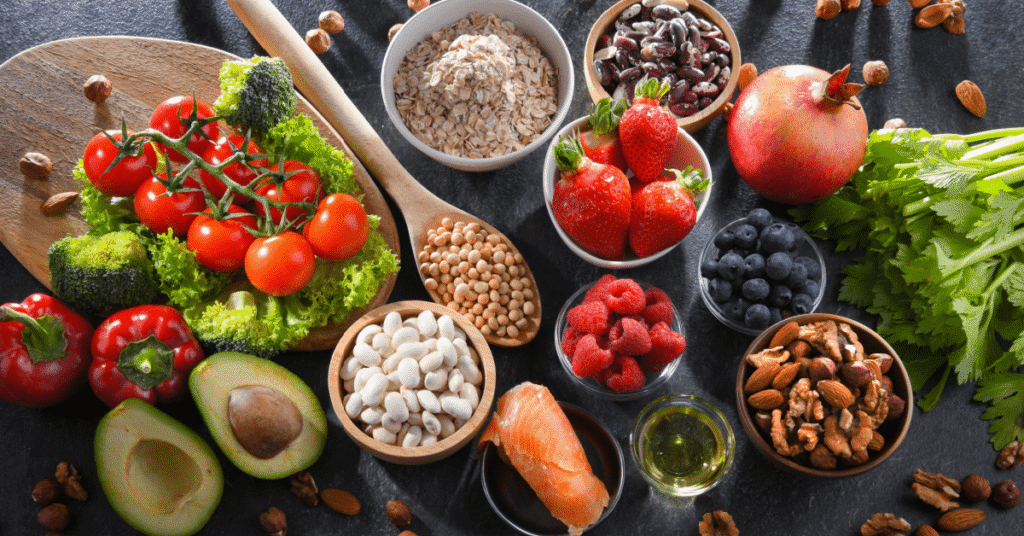
1. Oats
Oats are a highly nutritious grain that serves as a beneficial component in a heart-healthy diet, particularly due to their high content of soluble fiber, particularly beta-glucan. This specific type of fiber has been extensively studied and recognized for its ability to lower levels of bad cholesterol, known scientifically as low-density lipoprotein (LDL). By forming a gel-like substance in the digestive tract, beta-glucan can effectively bind to cholesterol and bile acids, facilitating their excretion from the body and thereby contributing to lower cholesterol levels.
For optimal heart health, it is generally recommended that individuals aiming to manage their cholesterol intake around three grams of soluble fiber daily. Consuming just one cup of cooked oatmeal typically provides about 1 to 2 grams of beta-glucan, illustrating that oats can be an essential part of one’s daily dietary regimen. To meet the recommended intake, individuals might consider starting their day with a serving of hot oatmeal, which can be enhanced with fruits or nuts for added flavor and nutrition.
Moreover, there are numerous ways to incorporate oats into your diet beyond the traditional bowl of oatmeal. For example, overnight oats made by soaking rolled oats in milk or yogurt overnight can serve as a convenient breakfast option. Oat-based snacks, such as granola bars or energy bites, can also be created at home, ensuring a healthy and satisfying option for on-the-go consumption. By integrating oats into your meals throughout the day, you can reap their cardiovascular benefits and promote overall cholesterol management.
2. Barley
Barley is a whole grain that has garnered attention for its impressive health benefits, particularly its ability to lower cholesterol levels naturally. The key component responsible for this effect is beta-glucan, a soluble fiber found in high concentrations in barley. This type of fiber has been shown to bind to cholesterol in the digestive system, preventing its absorption and resulting in reduced levels in the bloodstream. Regular consumption of barley can lead to significant improvements in heart health, making it an excellent dietary choice for those looking to manage their cholesterol.
When comparing barley to other whole grains, it is worth noting that barley often outshines its counterparts in fiber content and heart-healthy nutrients. While oats are also well-known for their cholesterol-lowering properties due to their beta-glucan content, barley provides a unique set of vitamins and minerals that contribute to overall wellness. In addition to fiber, barley is a good source of antioxidants, which help combat oxidative stress and inflammation, further promoting cardiovascular health.
Incorporating barley into your diet is straightforward, with several delicious meal options available. One popular way to enjoy barley is by adding it to soups, where it can enhance the dish’s texture and provide a hearty component. Additionally, barley makes an excellent base for salads when cooked and cooled, allowing for a satisfying and nutritious addition to leafy greens and vegetables. As a side dish, barley can be seasoned with herbs and spices, offering a flavorful alternative to rice or pasta. These various preparation methods highlight barley’s versatility and deliciousness, making it a valuable grain in any heart-healthy diet.
3. Fatty Fish
Incorporating fatty fish into your diet significantly contributes to lowering cholesterol levels and enhancing overall heart health. Rich in omega-3 fatty acids, fish such as salmon, mackerel, and sardines are renowned for their ability to balance cholesterol profiles by reducing triglycerides and increasing high-density lipoprotein (HDL), often referred to as “good” cholesterol. The heart-healthy benefits of omega-3 fatty acids extend beyond cholesterol management; they also possess anti-inflammatory properties, which can further support cardiovascular wellness.
Among the varieties of fatty fish, salmon stands out as an excellent source of omega-3s. Wild-caught salmon is particularly nutritious, containing high levels of beneficial fatty acids while also being lower in contaminants compared to farmed varieties. Mackerel, such as Atlantic and king mackerel, offers similar benefits and may be an affordable alternative. Additionally, sardines are often praised not only for their omega-3 content but also for their abundant nutrients, including vitamin D and calcium. Incorporating a diverse range of fatty fish in your meals ensures a broader intake of essential nutrients and decreases the likelihood of nutritional deficiencies.
To maximize the benefits of these fish, it is recommended to include them in your diet at least two times per week. Various cooking methods can preserve their properties, such as grilling, baking, or broiling, which allow these fish to retain their healthy fats while avoiding excessive added calories from frying or heavy sauces. Simple seasoning with herbs, spices, or lemon juice can enhance flavor without negating their health properties. Whether enjoyed as a main dish or incorporated into salads, fatty fish provide a delicious and health-promoting way to help lower cholesterol levels naturally.
4. Nuts and Their Cholesterol-Lowering Properties
Nuts have emerged as a significant component of heart-healthy diets, attributed largely to their unique nutritional composition. Varieties such as almonds, walnuts, and pistachios are particularly effective in helping to lower cholesterol levels naturally. These nuts are rich in monounsaturated and polyunsaturated fats, which are known to promote heart health by reducing levels of low-density lipoprotein (LDL) cholesterol—the so-called “bad” cholesterol—in the bloodstream.
Almonds, for instance, are not only a source of healthy fats but are also packed with dietary fiber, which aids in the digestion process and helps lower overall cholesterol. A daily serving of about 1 ounce, or roughly 23 almonds, has been linked with a significant decrease in LDL cholesterol levels, demonstrating their impact on cardiovascular health.
Walnuts, on the other hand, are an excellent source of omega-3 fatty acids. These fatty acids are known for their anti-inflammatory properties and their ability to improve heart function. Studies suggest that incorporating approximately 1 ounce of walnuts into the daily diet can lead to improvements in cholesterol profiles, making them a potent ally in cholesterol management.
Pistachios are another beneficial nut worthy of attention. They not only provide healthy fats but also contain plant sterols, which are compounds that can block cholesterol absorption in the intestines. A serving of about 1 ounce, equating to approximately 49 pistachios, can be an effective snack option that contributes to lowering cholesterol levels while also being a satisfying and nutritious choice.
For those looking to include nuts in their diet, there are myriad ways to do so. Nuts can be consumed alone as snacks, added to salads for extra crunch, or blended into smoothies for a nutrient boost. In baking, nuts can replace less healthy fats or be mixed into granola for a nutritious breakfast option. Incorporating these nutrient-dense foods into the diet can significantly assist in the journey to maintain healthy cholesterol levels.
5. Avocado
Avocado is widely recognized as a nutrient-dense fruit that plays a significant role in heart health. One of the primary reasons for this is its high content of monounsaturated fats, which are considered heart-friendly fats. These types of healthy fats help lower low-density lipoprotein (LDL), often referred to as bad cholesterol, while simultaneously raising high-density lipoprotein (HDL), known as good cholesterol. This dual action positions avocados as an essential part of a cholesterol-lowering diet.
In addition to healthy fats, avocados are also rich in fiber. Dietary fiber helps to reduce cholesterol levels by improving digestion and keeping you feeling full longer. The combination of healthy fats and fiber makes avocados not only satisfying but also a smart choice for those aiming to manage their cholesterol levels effectively.
Integrating avocados into your meals can be both simple and versatile. They can be sliced into salads, adding a creamy texture and rich flavor that complements a variety of greens and vegetables. For those looking for a refreshing beverage, avocado can be blended into smoothies, providing a nutritious base that enhances flavor profiles. Additionally, avocados can serve as a healthy spread, replacing less nutritious options such as butter or mayonnaise on toast, sandwiches, or wraps.
Creativity in using avocados can extend beyond traditional methods. For example, consider preparing a guacamole dip, which can be easily enjoyed with whole-grain chips or vegetable sticks. You might also experiment with avocado in various savory dishes, such as tacos or grain bowls, where it can provide a satisfying component. Whether consumed raw or cooked, the health benefits of avocados contribute significantly to a heart-healthy diet, making them a powerhouse food for those aiming to lower their cholesterol naturally.
6. Beans and Legumes
Beans and legumes are recognized for their remarkable ability to support heart health, primarily due to their high content of soluble fiber and protein. These foods are not only low in saturated fat, but they also contribute significantly to lowering cholesterol levels. The soluble fiber found in beans helps to bind cholesterol in the digestive system, facilitating its excretion from the body and thus aiding to maintain healthy cholesterol levels.
Among the types of beans particularly effective at reducing cholesterol are black beans, kidney beans, and chickpeas. Black beans, for instance, are not just rich in fiber but also packed with antioxidants, enhancing their cholesterol-lowering properties. Kidney beans are another fantastic choice, providing a hearty dose of protein and fiber, while also being versatile for various dishes. Chickpeas are a staple in many diets and can be included in salads, hummus, and stews, adding both flavor and nutritional benefits.
To incorporate beans and legumes into your diet, consider adding them to salads, soups, or stews, or using them as a key ingredient in chili. They can serve as a great meat substitute in many dishes, promoting a plant-based diet. One delicious way to enjoy beans is to prepare a three-bean salad, combining kidney beans, black beans, and garbanzo beans with a light vinaigrette. Alternatively, try a homemade bean dip made with black beans and spices as a nutritious snack. Cooking a batch of beans at the beginning of the week can also lead to quick additions in various meals throughout the week.
As you experiment with different recipes, keep in mind that the variety of beans available allows for numerous culinary possibilities. This versatility can help maintain interest and enjoyment in your meals while reaping the cholesterol-lowering benefits of these nutrient-rich foods.
7. Olive Oil
Olive oil, especially extra virgin olive oil, is often celebrated for its heart-healthy properties. Rich in monounsaturated fats, it serves as an excellent alternative to saturated fats commonly found in animal products and processed foods. Studies have shown that incorporating olive oil into the diet can contribute to lowering LDL cholesterol, the so-called “bad” cholesterol, while simultaneously raising HDL cholesterol levels, or “good” cholesterol. This positive shift in lipid profiles is attributed to the unique composition of olive oil, which is packed with antioxidants, particularly oleocanthal, that help reduce inflammation and improve cardiovascular health.
When selecting olive oil, it is essential to consider quality and origin. Extra virgin olive oil is the highest quality grade available, obtained from the first pressing of olives and requiring minimal processing. Look for oils that are cold-pressed, as this method retains more beneficial compounds. Additionally, pay attention to the bottle’s labeling; it should have a harvest date, a designation of origin, and an indication that it is free from impurities. Dark glass bottles are preferable, as they protect the oil from light degradation, which can compromise its health benefits.
Incorporating olive oil into your daily cooking can be simple and effective. One of the best ways to use it is as a dressing for salads, enhancing flavor while also imparting health benefits. You can also substitute olive oil for butter or margarine in baking and cooking, which not only reduces saturated fats but also enriches dishes with a unique taste. Drizzling olive oil over roasted vegetables or combining it with herbs and spices for marinating meats can further elevate the culinary experience. With its myriad of health benefits and versatile applications, including olive oil in your diet can be a straightforward step toward better heart health.
8. Fruits and Vegetables
A diet abundant in fruits and vegetables plays a significant role in promoting overall heart health, including effective cholesterol management. These food groups are rich in essential nutrients, dietary fiber, and antioxidants, all of which contribute to lowering cholesterol levels and preventing cardiovascular diseases. The fiber found in fruits and vegetables aids in binding bile acids, promoting their excretion, and consequently reducing LDL cholesterol levels in the bloodstream.
Some of the most beneficial fruits for managing cholesterol include apples, berries, and citrus fruits. Apples, for instance, contain soluble fiber known as pectin, which is effective in reducing cholesterol absorption in the intestines. Berries, with their high antioxidant content, not only lower cholesterol but also improve heart health overall. Citrus fruits, such as oranges and grapefruits, are rich in flavonoids and fiber, which can also have a positive effect on cholesterol levels.
Vegetables such as leafy greens, carrots, and cruciferous vegetables like broccoli and Brussels sprouts should also be included for their cholesterol-lowering properties. Leafy greens are packed with nutrients that help in reducing cholesterol and maintaining a healthy weight. Carrots, with their high fiber and antioxidant levels, contribute to improved cholesterol management, while cruciferous vegetables have compounds that support the liver’s ability to filter and eliminate cholesterol.
To integrate a variety of fruits and vegetables into daily meals, individuals should aim to fill half their plate with these foods at every meal. Innovative ways of incorporation might include adding fresh fruits to breakfast cereals, mixing berries into yogurt, or blending vegetables into smoothies. Preparing diverse salads or stir-fries with assorted colorful vegetables can also provide a delightful way to enhance one’s diet while effectively working towards lowering cholesterol levels.
9. Whole Grains and Cholesterol Management
Whole grains, which include options like quinoa, brown rice, and whole wheat, have garnered attention for their role in promoting heart health and lowering cholesterol levels. Unlike refined grains, whole grains retain their bran, germ, and endosperm, which are rich in fiber, vitamins, and minerals. The presence of soluble fiber in whole grains contributes significantly to cholesterol reduction by binding bile acids, facilitating their removal from the body.
When selecting whole grain products, it is essential to read labels carefully. Look for terms like “100% whole grain” or “100% whole wheat,” as these indicate that the product is made entirely from whole grain ingredients. Be wary of products labeled as “multigrain” or “made with whole grains,” as they may contain a higher proportion of refined grains. Incorporating a variety of whole grains into your diet can enhance your nutrient intake while also helping to maintain healthy cholesterol levels.
Integrating whole grains into daily meals can be relatively easy and enjoyable. For breakfast, consider switching to whole grain oatmeal or whole grain bread. Lunchtime sandwiches can be upgraded by choosing whole grain wraps or breads. In evening meals, replacing white rice with brown rice or substituting quinoa in salads and stir-fries not only adds nutritional value but also introduces new textures and flavors to your dishes. Cooking in bulk and making meals with whole grains can save time and promote healthier eating habits.
Overall, whole grains are a powerful ally in the fight against high cholesterol. By focusing on whole grains instead of refined options, not only can one experience a decrease in cholesterol levels, but also benefit from sustained energy levels and overall health improvement.