
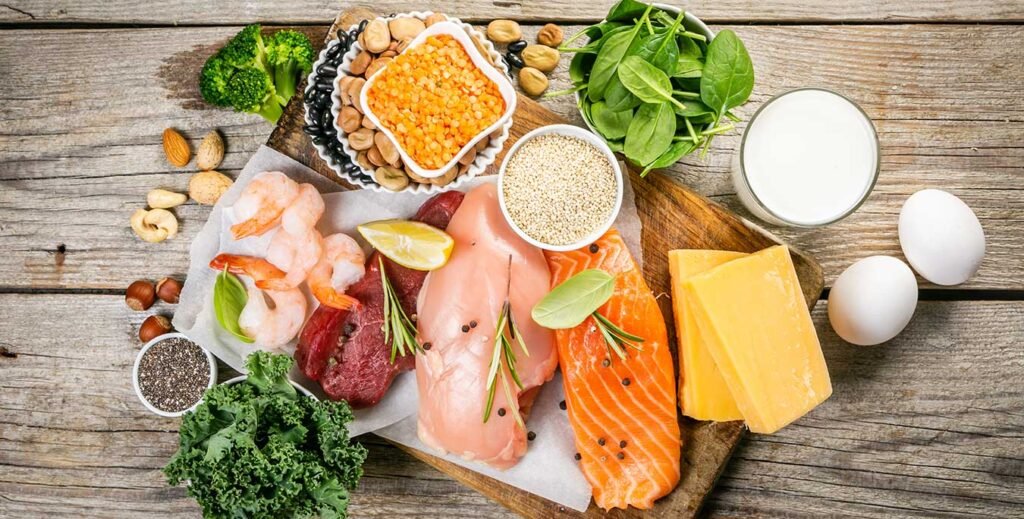
1. Greek Yogurt
Greek yogurt has gained considerable popularity as a high-protein breakfast option, largely due to its impressive nutritional profile. Typically containing around 15 to 20 grams of protein per serving, Greek yogurt stands out compared to regular yogurt, which generally has a lower protein content. The unique straining process used to create Greek yogurt not only concentrates the protein but also reduces its sugar content, making it a suitable choice for those mindful of their carbohydrate intake.
Incorporating Greek yogurt into your breakfast routine can be both versatile and satisfying. Many enjoy it as a base for a parfait, layering it with fresh fruits, nuts, or granola for added texture and flavor. Others opt to blend it into smoothies, which can be an excellent way to start the day with a protein-packed beverage. Adding a dollop of Greek yogurt to pancake or waffle batter can also enhance the protein content of these options, providing a better nutritional foundation for your meal.
Beyond its convenience and versatility, the health benefits of Greek yogurt are significant. Each serving is rich in probiotics, which are beneficial bacteria that support gut health and may enhance digestive function. Additionally, Greek yogurt is an excellent source of essential nutrients, including calcium, which is vital for bone health, as well as B vitamins that can help in energy metabolism. The protein found in Greek yogurt not only provides a feeling of fullness, potentially aiding in weight management but also contributes to muscle repair and growth, making it an excellent food choice for those leading an active lifestyle.
Overall, Greek yogurt is a nutritious and delicious breakfast option that offers high-quality protein and numerous health benefits, ensuring you start your day on a positive note.
2. Cottage Cheese: A High-Protein Breakfast Choice
Cottage cheese has emerged as a staple in high-protein diets, and for good reason. With its impressive nutritional profile, it serves as an excellent choice for those looking to incorporate more protein into their morning meals. A typical serving of low-fat cottage cheese can contain about 28 grams of protein per cup, making it a formidable ally in meeting daily protein requirements.
In addition to its high protein content, cottage cheese is also rich in essential nutrients such as calcium, which contributes to bone health, and various B vitamins that are crucial for energy metabolism. This nutrient-dense food offers a low-calorie option that helps individuals feel fuller for longer periods, thereby supporting weight management efforts. Its blend of casein protein provides a slow release of amino acids, making it particularly effective for sustaining energy levels throughout the morning.
Incorporating cottage cheese into your breakfast routine is both versatile and easy. It can be enjoyed on its own or paired with a variety of ingredients. For a refreshing start to your day, consider mixing cottage cheese with fresh fruits such as berries or sliced bananas, providing natural sweetness and additional vitamins. Alternatively, you can enhance the flavor profile by adding a sprinkle of nuts or seeds, which not only boosts the nutritional value but also introduces healthy fats into your meal.
For those who prefer savory options, cottage cheese can be paired with tomatoes, cucumbers, or avocados, creating a delicious and filling breakfast bowl. This adaptability makes it a favorable option for breakfast, catering to different tastes and dietary preferences. By choosing cottage cheese in the morning, individuals can significantly increase their protein intake, aiding in muscle recovery and overall wellness.
3. Eggs
Eggs have long been celebrated as a staple in many households, particularly for breakfast, due to their high protein content and versatility in preparation. A single large egg contains approximately six grams of protein, making it an excellent source for those looking to elevate their morning meal with nutrient-dense options. The numerous ways to prepare eggs, including boiling, scrambling, or making an omelet, allow for a variety of flavors and presentations. This adaptability caters to a wide range of dietary preferences and culinary styles.
Boiled eggs, for instance, can be consumed on their own or added to salads and grain bowls, providing a satisfying protein boost. Scrambled eggs, often enjoyed with vegetables or cheese, can be tailored to suit individual tastes. On the other hand, omelets offer the possibility for even greater creativity, allowing for the incorporation of various ingredients such as herbs, spices, and different types of cheese, enhancing both flavor and nutritional value.
When considering the choice between whole eggs and egg whites, it’s essential to recognize the benefits of including whole eggs in a balanced diet. Whole eggs contain not only protein but also essential nutrients such as vitamins D and B12, selenium, and choline. While egg whites are lower in calories and devoid of fat, they lack some of the nutritional benefits that come from the yolk. For many people, consuming whole eggs can contribute to a feeling of satiety, which may aid in controlling overall calorie intake throughout the day.
Ultimately, eggs present an ideal high-protein breakfast that can be quickly prepared and enjoyed, providing an array of health benefits to support an active lifestyle. By incorporating them into your morning routine, you can effectively fuel your day and enhance your overall nutritional intake.
4. Quinoa: A Protein-Packed Breakfast Choice
Quinoa, often regarded as a versatile grain, serves as an excellent high-protein option for breakfast. This ancient seed, native to the Andean region of South America, is recognized for being a complete protein, meaning it contains all nine essential amino acids that the body cannot produce on its own. This quality makes quinoa an outstanding choice for individuals seeking to boost their protein intake first thing in the morning.
To prepare quinoa for breakfast, start by rinsing one cup of quinoa under cold water to remove its natural coating, known as saponin, which can impart a bitter taste. Then, combine the rinsed quinoa with two cups of water or milk (dairy or plant-based) in a saucepan. Bring to a boil, then reduce the heat, cover, and let it simmer for about 15 minutes, or until the liquid is fully absorbed and the quinoa is fluffy. Once cooked, it can be served warm, providing a nutritious and satisfying base for various toppings.
To enhance the flavor and nutritional profile of quinoa, consider adding ingredients that not only complement its naturally nutty taste but also increase its health benefits. For a sweet option, mix in freshly sliced bananas, a drizzle of honey, or a sprinkle of cinnamon. Alternatively, for a savory twist, incorporate scrambled eggs, avocado slices, or sautéed vegetables. Nuts and seeds can also be added for additional crunch and healthy fats, ensuring a balanced and fulfilling breakfast. Utilizing quinoa as the main breakfast ingredient allows for endless possibilities, making it a delightful way to start the day with sustained energy and vitality.
5. Protein Smoothies
Protein smoothies offer a quick and convenient breakfast option for individuals seeking to kickstart their day with a nutrient-dense meal. Combining various ingredients can create a balanced and satisfying smoothie that not only fuels the body but also enhances overall health. A typical protein smoothie may include a base of fruits and vegetables, a protein source, and a liquid, which can be tailored to personal preferences and dietary needs.
Incorporating protein powder is a common practice to boost the protein content of smoothies. There are multiple types available, including whey, casein, soy, pea, and hemp protein, each with unique benefits. Whey protein, for example, is rapidly absorbed and ideal for post-workout recovery, whereas plant-based proteins can cater to those following vegan or vegetarian diets. When selecting a protein powder, it is essential to consider factors such as taste, texture, and nutritional profile to ensure it complements the smoothie without compromising flavor.
To create a balanced protein smoothie, the inclusion of healthy fats and complex carbohydrates is advisable. Ingredients such as nut butter, chia seeds, or avocado can provide essential fatty acids and keep you feeling satiated longer. Meanwhile, incorporating whole grains like oats or using a base of yogurt can add texture and promote digestive health. Additionally, a variety of fruits and leafy greens can enhance the vitamin and mineral content, further supporting your daily nutritional needs.
To summarize, creating nutritious protein smoothies involves a thoughtful combination of ingredients. By focusing on quality protein sources, incorporating healthy fats, and adding fruits and vegetables, one can easily craft a breakfast that is both satisfying and energizing, paving the way for a productive day ahead.
6. Chia Seed Pudding
Chia seed pudding is an increasingly popular breakfast option, renowned for its impressive nutritional profile. Chia seeds are not only rich in protein but also packed with dietary fiber, essential fatty acids, and antioxidants. This makes chia seed pudding a nourishing choice that can help you stay satisfied and energized throughout the day.
To prepare chia seed pudding, begin with a base of your choice, such as almond milk, coconut milk, or even regular dairy milk. The ratio of chia seeds to liquid typically stands at one part chia seeds to three parts liquid. For instance, you can mix 1/4 cup of chia seeds with 3/4 cup of milk or a non-dairy alternative. It is advisable to combine these ingredients in a bowl or jar and stir thoroughly to ensure that the chia seeds are well distributed and do not clump together.
After mixing, cover the bowl or jar and refrigerate it for at least four hours, although overnight soaking is ideal. This allows the chia seeds to absorb the liquid and swell, resulting in a creamy and pudding-like texture that’s both satisfying and healthful.
When it comes to flavor variations, the possibilities are extensive. You can add natural sweeteners like honey, maple syrup, or agave nectar to enhance the taste. Additionally, incorporating vanilla extract or a pinch of salt can elevate the flavors even further. For those who prefer fruit, topping your chia seed pudding with fresh berries, sliced bananas, or diced mango can add a burst of freshness and natural sweetness, while also increasing the nutrient content.
Moreover, consider adding nuts, seeds, or granola for texture, providing additional protein and healthy fats. By customizing your chia seed pudding with different flavors and toppings, you can create a variety of delicious and protein-rich breakfasts to suit your preferences. This makes chia seed pudding an easy and adaptable meal that aligns well with any dietary requirement while ensuring you start your day on a nutritious note.
7. Oatmeal with Nut Butter
Oatmeal is a traditional breakfast choice renowned for its numerous health benefits. Rich in dietary fiber, this wholesome grain aids digestion and promotes a feeling of fullness, making it an excellent option for those looking to manage their weight. Beyond its fiber content, oatmeal serves as a versatile base that allows for the incorporation of various nutrient-dense ingredients, the most notable being nut butter.
Adding nut butter to oatmeal significantly enhances its protein profile, which is essential for muscle repair and growth, especially for those engaging in regular physical activity. Nut butters, such as almond, peanut, or cashew, not only contribute healthy fats but also deliver an array of vitamins and minerals. For example, almond butter is particularly rich in vitamin E, while peanut butter offers a good source of magnesium and potassium. Combining these butters with oatmeal creates a balanced breakfast that is both satisfying and nourishing.
The process of preparing oatmeal with nut butter is straightforward. Begin by cooking rolled or steel-cut oats according to package instructions, typically on the stove or in the microwave. Once the oats reach the desired consistency, stir in your preferred nut butter. For additional flavor and nutrition, consider adding toppings such as slices of banana, berries, or a sprinkle of chia seeds. These ingredients not only enhance the taste but also complement the protein boost provided by the nut butter.
Furthermore, incorporating oatmeal with nut butter into your diet may lead to improved heart health due to the presence of heart-healthy unsaturated fats and antioxidants. This combination can help stabilize blood sugar levels, making it an ideal choice for sustained energy throughout the day. Overall, oatmeal with nut butter stands out as a high-protein breakfast food that fuels the body effectively while supporting overall wellness.
8. Tofu Scramble
Tofu scrambles represent a nutritious and versatile option for those seeking a high-protein breakfast that aligns with a plant-based diet. Made primarily from tofu, this dish mirrors the texture and appearance of scrambled eggs, making it an appealing alternative for vegans and vegetarians. The essential ingredients for a basic tofu scramble include firm tofu, vegetables, and a variety of seasonings.
To begin, press the tofu to remove excess moisture, which helps to enhance its flavor and texture. Crumbling the tofu into a skillet enables it to cook evenly. Over medium heat, the crumbled tofu can be sautéed with a splash of olive oil or vegetable broth, ensuring it doesn’t stick to the pan. Adding onions, bell peppers, spinach, or other preferred vegetables enriches the dish with additional nutrients and flavors.
One of the notable advantages of a tofu scramble is the variety of flavoring options available. Common spices include turmeric, which not only imparts a vibrant yellow hue akin to traditional scrambled eggs but also provides anti-inflammatory benefits. Other seasonings, such as garlic powder, smoked paprika, and nutritional yeast, can enhance the overall taste profile. Nutritional yeast, in particular, delivers a cheesy flavor while boosting the dish’s protein content, making it an excellent choice for those looking to optimize their breakfast nutrition further.
The appeal of tofu scramble lies in its adaptability; it can be modified to suit personal preferences or dietary requirements. Whether served with whole-grain toast, in a wrap, or alongside avocado and salsa, a tofu scramble can serve as a fulfilling meal to fuel your day. Its high protein content ensures sustained energy levels, making it an ideal choice for breakfast.
9. Smoked Salmon
Smoked salmon is a versatile and nutritious food that provides an excellent source of protein, essential fats, and various vitamins and minerals. This delicacy, often enjoyed with bagels, can serve as a high-protein breakfast option when incorporated into a variety of dishes. Its rich flavor and smooth texture make it an appealing choice for those looking to enjoy a luxurious yet health-conscious meal.
One of the key health benefits of smoked salmon is its high protein content, which contributes to muscle repair and growth, making it an ideal breakfast option for athletes and fitness enthusiasts. A typical serving of smoked salmon can contain around 18 grams of protein, helping to keep you satiated and energized for the day ahead. Additionally, it contains omega-3 fatty acids that are known to support heart health and brain function, providing further incentive to include smoked salmon in your breakfast routine.
Smoked salmon can be enjoyed in a variety of ways. While it pairs classically with cream cheese and bagels, it can also be used in omelets, scrambled eggs, or as a topping for avocado toast. For those seeking lighter options, serving smoked salmon on a bed of leafy greens or alongside sliced cucumbers can create a refreshing breakfast that balances protein with fibrous vegetables. Moreover, the addition of capers, dill, or red onion can enhance the flavors, creating an appetizing and nutritious meal.
Incorporating smoked salmon into breakfast can also complement other nutrient-dense foods, allowing for a balanced meal that supports overall wellness. By pairing it with whole grains or healthy fats, such as nuts or seeds, you can elevate the nutritional profile of your breakfast. Embracing smoked salmon as a regular part of your breakfast repertoire can contribute significantly to an enjoyable and health-supportive way to start your day.