9. Greek Yogurt
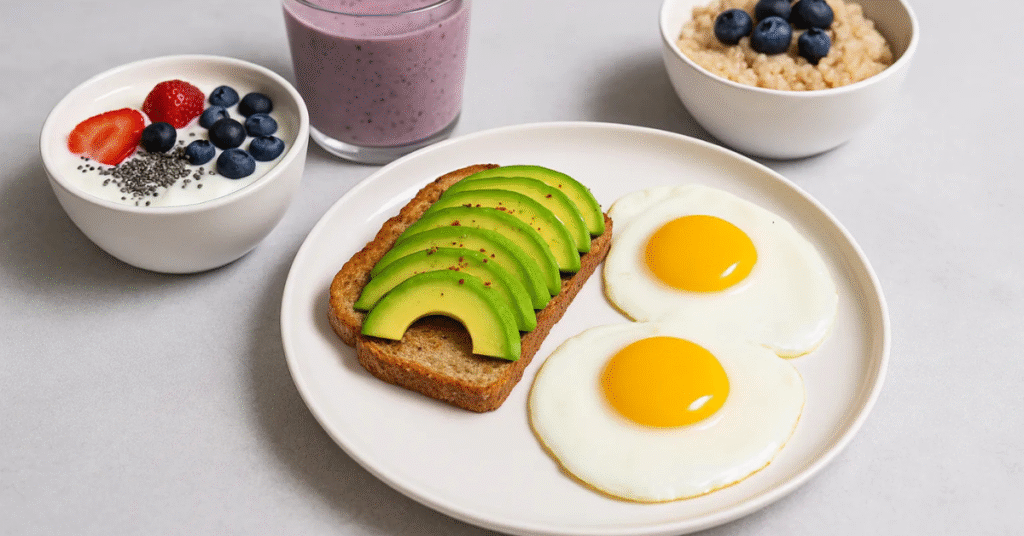
Greek yogurt stands out as an exceptional high-protein food that can significantly contribute to fat loss while enhancing overall health. One of the primary advantages of Greek yogurt is its impressive protein content, which is notably higher than that of regular yogurt. This elevated level of protein can lead to increased satiety, helping individuals feel full for longer periods and potentially reducing overall calorie intake.
Moreover, Greek yogurt typically contains less sugar compared to its conventional counterparts. This low sugar content is particularly beneficial for those aiming to manage their weight, as excessive sugar intake can hinder fat loss efforts. Additionally, Greek yogurt is rich in probiotics, which are beneficial bacteria that promote a healthy gut environment. A well-functioning digestive system is crucial for efficient metabolism, thereby supporting fat loss goals and enhancing nutrient absorption.
Incorporating Greek yogurt into your daily meals is straightforward and versatile. It can be blended into smoothies, providing a creamy texture and a protein boost without excess sugars. For a nutritious snack, Greek yogurt pairs excellently with fresh fruits and a sprinkle of nuts, offering a combination of protein, healthy fats, and fiber. This combination not only satisfies hunger but also provides essential vitamins and minerals.
Furthermore, Greek yogurt can be utilized in various recipes; it serves wonderfully as a base for salad dressings or as a healthier alternative in desserts, replacing higher-calorie ingredients. Its multifunctional nature makes Greek yogurt a convenient and smart addition to any eating plan aimed at reducing fat while ensuring adequate protein intake.
8. Eggs
Eggs are widely recognized as one of the most efficient and powerful sources of protein, making them a staple in many diets. Not only are they packed with essential amino acids, but they are also rich in vital nutrients such as vitamins B2, B12, and D, as well as minerals like selenium and phosphorus. This nutrient density is crucial for those looking to reduce body fat while preserving lean muscle mass, enhancing overall metabolic function.
The satiating qualities of eggs play a significant role in supporting weight loss. Research indicates that incorporating eggs into breakfast can lead to increased feelings of fullness, ultimately reducing daily calorie intake. This is particularly beneficial for individuals striving to control their appetite throughout the day, allowing for more balanced meal choices and snacking behavior.
One of the remarkable aspects of eggs is their culinary versatility. They can be prepared in numerous ways, catering to various tastes and dietary preferences. Popular cooking methods include boiling, poaching, frying, or scrambling. Each method offers a unique texture and flavor profile, ensuring that eggs can suit breakfast, lunch, or dinner. For those seeking quick meal solutions, an omelet filled with vegetables can provide a nutritious, high-protein meal within minutes.
Additionally, eggs can be integrated into a wide array of recipes beyond traditional meals. They can be used as binding agents in dishes like meatballs and burgers, or as a protein boost in baked goods such as muffins and pancakes. By exploring different preparation techniques and recipes, individuals can enrich their diet with high-quality protein while enjoying the many benefits of eggs.
7. Lean Chicken Breast
Lean chicken breast is widely recognized as a fundamental component of high-protein diets, owing to its exceptional nutritional profile and versatility in culinary applications. With its low fat content, typically ranging from 2 to 4 grams of fat per 100 grams, it serves as an ideal protein source for those seeking to lose fat and build lean muscle mass. Additionally, it provides around 31 grams of protein per 100 grams, making it one of the best sources of lean protein available.
One of the remarkable aspects of lean chicken breast is its adaptability to various cooking methods. Whether grilled, baked, poached, or stir-fried, chicken breast can be prepared in numerous ways to suit both flavor preferences and dietary goals. For instance, a grilled chicken breast seasoned with herbs and spices can create a nutritious main dish, while poached chicken can be utilized in salads or sandwiches for a lighter option.
To ensure a balanced meal, it is vital to consider portion sizes of lean chicken breast. A serving size of approximately 85-100 grams is generally sufficient to derive its health benefits while allowing room for the incorporation of vegetables. Pairing lean chicken with a variety of colorful vegetables not only enhances the meal’s nutritional value but also introduces additional fiber, vitamins, and minerals essential for overall health.
Incorporating lean chicken breast into your meals can be both satisfying and beneficial for weight management. By utilizing seasonality and preparing it in diverse ways, you can maintain dietary interest while strategically boosting your protein intake. Using lean chicken breast as a primary protein source can help you achieve your fitness goals, especially when combined with a balanced approach that includes ample vegetables.
6. Quinoa
Quinoa is an exceptional plant-based protein source that has gained significant popularity due to its impressive nutritional profile. This ancient grain is not only a complete protein, but it also contains all nine essential amino acids that the human body cannot produce on its own. Additionally, quinoa is rich in fiber, which aids in digestion, promotes feelings of fullness, and ultimately supports weight management efforts. With a unique combination of protein and fiber, quinoa emerges as a valuable ally in any diet aimed at melting away fat.
Beyond its protein content, quinoa serves as a versatile base for a variety of dishes. Its mild, nutty flavor and fluffy texture allow it to seamlessly integrate into salads, side dishes, or grain bowls. When used as a salad base, quinoa can elevate the dish by providing a hearty texture while still allowing for an array of toppings, such as fresh vegetables, beans, or lean proteins. This adaptability makes quinoa an integral component of meal prepping, as it can be cooked in batches and incorporated into multiple recipes throughout the week.
Moreover, quinoa is naturally gluten-free, making it an excellent choice for individuals with gluten sensitivities or those following a gluten-free diet. This property broadens quinoa’s appeal, allowing it to be enjoyed by a diverse range of consumers. In summary, quinoa is not just a nutritious option; its versatility and health benefits make it a staple food that supports a balanced, high-protein diet while facilitating fat loss.
5. Cottage Cheese
Cottage cheese is revered for its impressive nutritional profile, particularly its high protein content combined with low fat levels. This dairy product serves as an excellent source of casein protein, which digests slowly, providing a sustained release of amino acids—ideal for muscle repair and recovery post-exercise. A typical serving can contain over 25 grams of protein, making it a desirable option for those looking to enhance their protein intake while minimizing fat consumption.
In addition to being protein-rich, cottage cheese boasts a low calorie count, which can be beneficial in weight management. It is low in carbohydrates, with a significant portion of the nutrition derived from protein, making it a suitable choice for individuals following various dietary regimens, including low-carb or ketogenic diets. The presence of important micronutrients such as calcium, phosphorus, and B vitamins further enhances its role in promoting optimal health.
Cottage cheese can be easily incorporated into your daily diet in various ways. It makes for a convenient snack, either plain or with the addition of fruits such as berries or peaches for a hint of sweetness. For a savory alternative, consider mixing it with herbs and spices to create a dip or spread. Furthermore, cottage cheese can be added to smoothies or used as an ingredient in baking recipes, enriching dishes like pancakes or muffins with protein.
The benefits of cottage cheese extend beyond just meals; its high protein content significantly aids in post-workout recovery. Consuming cottage cheese after exercise provides the essential amino acids needed for muscle repair and growth, helping to optimize the body’s recovery process. This makes it an invaluable food item for athletes and fitness enthusiasts striving to achieve their health and fitness goals.
4. Salmon
Among the plethora of protein sources available, salmon stands out as a remarkably nutrient-dense option. This fatty fish is not only rich in high-quality protein but also boasts a significant amount of omega-3 fatty acids, which are essential for optimal health. Omega-3s have been shown to support heart health by lowering blood pressure, reducing triglycerides, and preventing the formation of blood clots. Consuming salmon as part of a balanced diet can contribute to overall cardiovascular wellness.
Not only is salmon beneficial for heart health, but it can also be a strategic addition to a weight loss plan. The high protein content in salmon helps promote feelings of fullness and satiety, which can reduce cravings and aid in portion control. This fat-burning food encourages the body to utilize fat as energy, thus enhancing its ability to shed unwanted weight. Furthermore, the presence of healthy fats supports hormonal balance, which plays a crucial role in weight management.
When preparing salmon, there are various cooking methods that preserve its nutritional integrity. Grilling, baking, and steaming are all excellent cooking techniques that ensure the retention of healthy fats and proteins while enhancing flavor. For a simple yet delicious meal, consider seasoning the salmon with herbs like dill or parsley, and baking it with a drizzle of lemon juice for added zest. Another popular option is to grill salmon fillets and serve them alongside roasted vegetables or a fresh salad.
In terms of recipe ideas, salmon can be incorporated in a variety of dishes such as salmon salads, wraps, or even as a topping on whole-grain pizzas. These variations not only create appetizing meals, but they also showcase the versatility of salmon as a high-protein food that effectively contributes to fat loss and overall health.
3. Lentils
Lentils are an excellent source of plant-based protein and fiber, making them a formidable addition to any diet aimed at fat loss and improved health. With a high protein content of approximately 18 grams per cooked cup, lentils play a crucial role in muscle building and repair, while also being low in calories. This makes them an outstanding option for individuals looking to control their weight without sacrificing nutrient intake.
One of the significant advantages of lentils is their rich fiber content, which aids in digestion and helps maintain stable blood sugar levels. This can be particularly beneficial for those managing diabetes or seeking to avoid sugar spikes. The fiber found in lentils also promotes a feeling of fullness, reducing overall calorie consumption and aiding in weight loss efforts.
Lentils are versatile and can be incorporated into various meals in creative ways. One popular method is to use them in soups, where they not only add texture but also enhance the flavor profile. For instance, a hearty lentil soup with vegetables and spices can serve as a nutritious and satisfying dish. Moreover, lentils can also be added to salads, offering a protein boost and a complementary chewy texture. They can easily replace meat in cooking, making them an ideal protein source for vegetarians and vegans. By mixing cooked lentils with spices and herbs, they can create delicious patties for burgers or be added to stir-fries for added flavor and nutrition.
In summary, lentils are a nutrient-dense food that offers numerous health benefits, including effective blood sugar management and increased satiety. Their versatility in the kitchen allows you to incorporate them into diverse recipes, making them an essential component of a high-protein diet aimed at fat loss.
2. Tofu
Tofu, a staple in many vegetarian diets, stands out as a versatile high-protein food option. It is made from soybeans, making it an excellent protein source for vegetarians and vegans alike, offering about 8 grams of protein per 100 grams. Tofu’s unique ability to absorb flavors makes it a favorite choice in various cuisines—from Asian stir-fry dishes to Western salads.
This nutritious food comes in several textures, including silken, soft, firm, and extra-firm, each suited to different cooking methods. Silken tofu is ideal for blending into smoothies or soups, whereas firm and extra-firm tofu can be pan-fried, grilled, or stir-fried. To enhance its flavor, marinating tofu is an effective method; ingredients such as soy sauce, garlic, ginger, and sesame oil can create a delectable flavor profile that complements various dishes.
Incorporating tofu into your meals can maximize its nutritional benefits. For instance, pairing it with leafy greens and whole grains creates a balanced meal rich in protein and essential vitamins. You could also combine tofu with colorful vegetables for a visually appealing and nutritious stir-fry. Additionally, using tofu in soups adds creaminess and a boost of protein without excessive calories. This adaptability not only makes tofu a popular choice but also allows for creative culinary expressions.
Through various cooking techniques such as grilling or baking, tofu can achieve a crispy texture and delicious taste, highlighting its appeal as a protein source. Ultimately, incorporating tofu into your diet not only contributes to weight management strategies but also enhances overall wellness through its high protein content, making it an extraordinary asset in any health-oriented meal plan.
1. Beef Jerky
Beef jerky is not only a popular snack but also a highly regarded choice among health enthusiasts and those pursuing effective weight loss strategies. This protein-rich food provides a convenient option for individuals with busy lifestyles, as it is easily portable and doesn’t require refrigeration. For anyone looking to incorporate more protein into their diet, beef jerky can serve as an ideal solution, especially for those engaged in physical activities or exercising regularly.
When selecting beef jerky, it is essential to pay attention to ingredient quality. Opting for low-sodium and preservative-free varieties can greatly enhance its health benefits, as many commercial products may contain high levels of salt, artificial flavors, and unhealthy preservatives. These additives can counteract some of the potential weight loss benefits of the protein itself. Therefore, it is advisable to choose jerky made from grass-fed beef or organic sources, which often provide a cleaner nutritional profile.
In a weight loss plan, beef jerky can play a pivotal role. Its high protein content contributes to satiety, making it an effective snack option that reduces the likelihood of overeating during meals. Additionally, the protein in beef jerky aids in preserving lean muscle mass, particularly when coupled with physical exercise. This is crucial for anyone aiming to lose fat, as maintaining muscle is vital for metabolic health. Furthermore, beef jerky can provide a quick energy boost during outdoor activities, hiking, or sports, making it an advantageous choice anytime, anywhere.