
9. Leafy Greens
Leafy greens are an essential component of a nutrient-rich diet, especially when it comes to promoting bone health. Varieties such as kale, spinach, and collard greens are particularly notable for their high content of calcium and vitamin K. Calcium is a vital mineral that constitutes the primary building block of bones, while vitamin K is crucial for the effective absorption of calcium and aids in the process of bone mineralization.
Kale stands out as a powerhouse of nutrients, providing a whopping 90 mg of calcium per cooked cup, along with an ample supply of vitamin K, which contributes to bone strength. Spinach, although containing oxalates that may inhibit calcium absorption, still delivers approximately 245 mg of calcium per cooked cup. This means that while its calcium may not be as bioavailable as in other greens, it is still a valuable addition to a balanced diet. Collard greens, another excellent option, contain about 268 mg of calcium per cooked cup, making them a top choice for those focused on bone health.
Incorporating these leafy greens into your daily meals is relatively straightforward. They can be added to smoothies, salads, soups, or stir-fries, enhancing not just their nutritional value but also their flavor profile. For instance, a morning smoothie combining spinach with fruits can serve as a refreshing start, while a hearty kale salad can make for a nutritious lunch or dinner option. Furthermore, sautéing collard greens with garlic and olive oil presents a delicious side dish that complements various main courses.
In summary, including leafy greens in your diet is a proactive way to support bone health. Their high content of essential nutrients such as calcium and vitamin K positions them as critical players in building and maintaining strong bones.
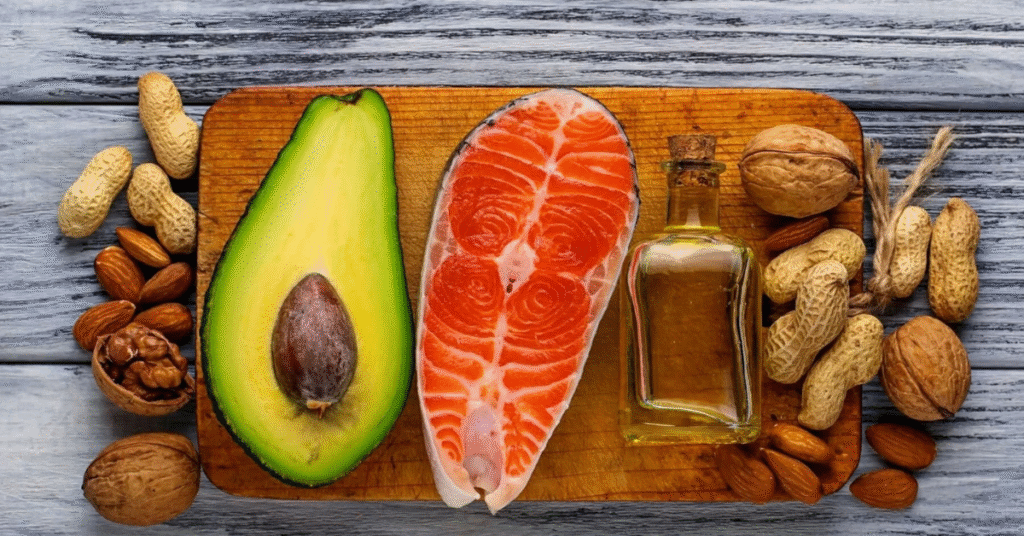
8. Fatty Fish
Fatty fish, including varieties such as salmon, mackerel, and sardines, are highly regarded for their impressive nutritional profiles, particularly in terms of bone health. These fish are abundant in omega-3 fatty acids, which play a critical role in reducing inflammation throughout the body. Chronic inflammation can have detrimental effects on bone density, making the inclusion of omega-3s in one’s diet an essential strategy for maintaining robust bone structure. Additionally, fatty fish are key sources of vitamin D, a nutrient that is vital for calcium absorption. Adequate calcium levels are crucial for the development and maintenance of strong bones, and vitamin D facilitates this process.
The consumption of fatty fish not only provides these essential nutrients but also contributes to the overall health of the skeletal system. Research has indicated that higher intakes of omega-3 fatty acids are associated with improved bone mineral density. Vitamin D, on the other hand, has been linked to a decreased risk of fractures, particularly in the elderly population, who are more susceptible to bone loss. Therefore, incorporating fatty fish into one’s diet can be a proactive measure to enhance bone health.
When it comes to preparation methods, grilling, broiling, or baking fatty fish are methods that preserve their nutritional benefits while enhancing flavor. To maximize omega-3 and vitamin D intake, it is advisable to consume fatty fish at least two servings per week. Additionally, pairing these fish with other nutrient-dense foods, such as leafy greens which provide calcium and vitamin K, can create a balanced meal that further supports bone health. Through mindful dietary choices, including fatty fish, individuals can take significant steps toward strengthening their bones.
7. Nuts and Seeds for Bone Health
Nuts and seeds are not only popular snacks but serve as essential sources of nutrients that contribute significantly to bone health. Specifically, almonds, walnuts, and sesame seeds stand out due to their remarkable nutrient profiles, particularly rich in magnesium, phosphorus, and healthy fats, which are vital for maintaining strong and healthy bones.
Almonds, for instance, are an excellent source of magnesium—a mineral critical to various bodily functions, including bone development. Magnesium aids in converting vitamin D into its active form, which subsequently helps the body absorb calcium effectively. One ounce of almonds provides approximately 76 mg of magnesium, which is about 20% of the recommended daily intake.
Walnuts, on the other hand, supply omega-3 fatty acids and minerals like phosphorus. Omega-3s have been shown to enhance bone density and are believed to have anti-inflammatory properties that contribute to overall skeletal health. Furthermore, just one ounce of walnuts contains around 98 mg of phosphorus, which works alongside calcium to form strong bones and teeth.
Sesame seeds are also noteworthy, being particularly high in calcium, which is crucial for bone formation. A tablespoon of sesame seeds offers about 88 mg of calcium, supporting the maintenance of a healthy bone matrix. Additionally, they provide lignans and other phytochemicals that may offer further protective effects on bones.
Incorporating nuts and seeds into your daily diet is straightforward. They can be added to smoothies, sprinkled onto salads, or enjoyed as a simple snack. A handful of mixed nuts can provide not only essential nutrients but also a satisfying crunch and depth of flavor to various dishes, promoting better bone health and overall well-being.
6. Dairy Products
Dairy products, including milk, yogurt, and cheese, are often highlighted for their rich content of calcium and protein, both of which play crucial roles in maintaining and enhancing bone density. Calcium is a primary mineral responsible for forming and strengthening bones, while protein contributes to bone structure and helps in repairing and maintaining bone tissue. The World Health Organization recommends adequate calcium intake for optimal bone health, and dairy serves as a practical source of this essential nutrient.
Moreover, vitamin D, which is often fortified in milk and dairy products, aids in calcium absorption, further elevating the benefits of these foods for bone strength. Yogurt, in particular, not only provides these key nutrients but also contains probiotics, which can promote gut health, potentially enhancing nutrient absorption. Given these attributes, incorporating dairy products into one’s diet can be an effective strategy for bolstering bone health.
However, it is important to recognize that not everyone can consume traditional dairy products. Individuals who are lactose intolerant often experience discomfort when consuming regular dairy, necessitating alternative approaches to obtain similar benefits. For these individuals, lactose-free dairy options are available, offering the same calcium and protein without the adverse effects. Additionally, plant-based alternatives such as fortified almond, soy, or oat milk can provide valuable nutrients, including calcium and vitamin D, thereby assisting in maintaining bone health for those who opt out of dairy.
In conclusion, dairy products are a cornerstone of dietary approaches aimed at strengthening bones due to their rich nutrient profile. For those who are lactose intolerant or prefer non-dairy options, a variety of alternatives exist, ensuring that everyone has the opportunity to support their bone health effectively.
5. Legumes
Legumes, including chickpeas, lentils, and various types of beans, are an essential component of a nutrient-dense diet that can significantly contribute to bone health. These foods are rich in protein, which is vital for maintaining muscle mass and ensuring optimal function of the skeletal system. Furthermore, legumes are an excellent source of calcium and magnesium, two minerals critical for bone density and overall structure.
Calcium is well-known for its role in bone health, helping to build and maintain strong bones. A diet that includes legumes offers an alternative source of calcium for those who may seek to limit dairy intake. Similarly, magnesium plays a vital role in calcium metabolism and is essential for the proper functioning of osteoblasts, the cells responsible for bone formation. This synergistic relationship between calcium and magnesium in legumes aids in promoting bone development and reducing the risk of osteoporosis, particularly in populations at higher risk.
In addition to their mineral content, legumes are high in dietary fiber. This nutrient not only aids in digestion but also has been shown to improve calcium absorption in the body. Including fiber-rich foods like legumes in one’s diet helps create a balanced nutritional profile, ensuring adequate intake of all essential nutrients for optimal bone health.
To incorporate legumes into your meals, consider adding them to salads, soups, and stews, or using them as a base for dips like hummus. Their versatility makes it easy to include legumes in various culinary traditions, promoting better bone health through diverse and creative meal options.
4. Fortified Foods
Fortified foods play a pivotal role in supporting bone health, as they are specifically enhanced with essential vitamins and minerals that may be lacking in the average diet. One of the most beneficial nutrients often added to these products is calcium, a critical component of bone formation and maintenance. In addition to calcium, fortified foods frequently contain vitamin D, which aids in calcium absorption and further supports bone density. Common examples of fortified foods include various breakfast cereals, plant-based milk alternatives, and some fruit juices, making it easier for individuals to incorporate these essential nutrients into their daily meals.
Breakfast cereals, widely available in supermarkets, are frequently enriched with vital nutrients, including iron, folic acid, and notably, calcium. When choosing cereals, it is prudent to select those that specifically state they are fortified with calcium and vitamin D. Highlighting the nutrient content on the packaging, these products can ensure that consumers are aware of their bone-strengthening benefits. In addition, plant-based milk, such as almond, soy, and oat milk, has become increasingly popular as alternatives to traditional dairy. Many brands fortify their plant-based options with calcium and vitamin D, making them a suitable choice for individuals who are lactose intolerant or prefer a vegan diet.
When considering fortified foods, it is crucial to scrutinize nutritional labels. Not all fortified products are created equal, and some may contain excess sugars or unhealthy additives that could negate their health benefits. By paying attention to the serving sizes and the percentage of daily values for bone-related nutrients, consumers can make more informed choices. Ultimately, incorporating fortified foods into one’s diet can significantly contribute to maintaining strong bones, ensuring that individuals receive adequate amounts of calcium and vitamin D necessary for optimal bone health.
3. Mushrooms
Mushrooms, particularly those exposed to ultraviolet (UV) light, present a compelling dietary option for individuals seeking to bolster their bone health. Unlike most fruits and vegetables, mushrooms have the unique capacity to produce vitamin D when exposed to sunlight. This crucial vitamin plays a pivotal role in calcium absorption, which is fundamental for maintaining strong bones and preventing bone-related ailments such as osteoporosis.
Among various types of mushrooms, two notable varieties are shiitake and maitake. These mushrooms, especially when exposed to UV light, can significantly elevate vitamin D levels in the body. For instance, a serving of UV-exposed shiitake mushrooms can provide a substantial percentage of the daily recommended allowance of vitamin D. In comparison, regular maitake mushrooms are also good sources, although less potent than their UV-exposed counterparts.
Integrating mushrooms into one’s diet can be both simple and delicious. They can be sautéed, grilled, or added to soups and casseroles. To maximize their health benefits, consider using them in dishes alongside other vitamin D-rich foods, such as fortified dairy products or fatty fish. Additionally, culinary techniques such as roasting can enhance their flavor, making meals more enjoyable. When considering a dietary approach to strengthening bones, it is beneficial to include mushrooms as part of a broader strategy that encompasses various nutrient-dense foods.
Conclusively, incorporating mushrooms into your daily meals not only enhances the flavor profile but also provides vital nutrients essential for bone health, particularly through their contribution to vitamin D levels. This makes them an excellent addition to a well-rounded diet aimed at promoting optimal bone strength.
2. Whole Grains and Bone Health
Whole grains have gained recognition as key components of a healthy diet, not only for their energy-providing carbohydrates but also for their significant contributions to bone health. Among these grains, options like brown rice, quinoa, and oats are particularly noteworthy due to the essential vitamins and minerals they provide. One such mineral is magnesium, which plays a critical role in bone formation and density. Studies indicate that a higher magnesium intake is associated with greater bone mineral density, emphasizing the importance of including whole grains in one’s diet to achieve optimal skeletal health.
The fiber content in whole grains also facilitates a healthy digestive system, which can indirectly benefit bone health. A well-functioning digestive system aids in the efficient absorption of trace elements and nutrients vital for bone maintenance. Furthermore, whole grains hold a low glycemic index, which helps in maintaining steady blood sugar levels, further promoting overall well-being.
Among the various whole grain sources, quinoa stands out as a complete protein, offering all nine essential amino acids along with a rich supply of calcium—another crucial nutrient for bone strength. Incorporating whole grains into daily meals can be both simple and appealing. For instance, a breakfast of quinoa porridge topped with fresh fruits can serve as a nutritious start to the day. Alternatively, adding oats to smoothies or using brown rice as a base for stir-fries are excellent ways to enhance the nutrient profile of one’s diet.
In exploring whole grains, it is clear that their nutrient density extends beyond carbohydrates. They offer magnesium, fiber, and other essential nutrients that collectively contribute to maintaining and improving bone health. By prioritizing whole grains in meal planning, individuals can take significant steps toward strengthening their bones while enjoying the additional health benefits these grains provide.
1. Berries
Berries, including blueberries, strawberries, and raspberries, are not only delicious but also incredibly beneficial for bone health. These small fruits are rich in antioxidants, particularly vitamin C, which plays a crucial role in collagen synthesis. Collagen is a vital protein that provides structure to bones, ensuring their integrity and strength. Furthermore, the phytochemicals present in berries exhibit anti-inflammatory properties, contributing to the overall health of bones by reducing inflammation and promoting better bone density.
The anti-inflammatory effects of berries can help mitigate the risk of bone-related conditions such as osteoporosis. Chronic inflammation is known to hinder bone formation and contribute to bone resorption, a process where bone is broken down and minerals released into the bloodstream can create imbalances. By incorporating a variety of berries into your diet, you may help counteract these negative effects, thereby supporting your skeletal system.
There are numerous enjoyable ways to include berries in your daily meals. For breakfast, consider adding a mix of berries atop oatmeal or yogurt, providing both flavor and nutritional benefits. Smoothies are another excellent option, easily blended with spinach or other greens to boost both taste and nutrient density. For a delightful dessert, fresh berries can be served with a dash of honey or incorporated into a fruit salad. Berries can also be incorporated into baked goods, such as muffins or pancakes, enhancing their nutritional profile while adding a natural sweetness.
Incorporating berries into your diet is not only a tasty choice but a wise one for supporting bone health. With their multitude of vitamins and minerals, they can play a significant role in achieving optimal bone strength and resilience.