
1. Berries
Berries, such as blueberries, strawberries, and raspberries, are widely recognized for their health benefits, particularly in relation to heart health. These vibrant fruits are rich in antioxidants, with flavonoids being the most notable compounds that contribute to their protective effects on the cardiovascular system. The consumption of berries has been linked to the reduction of blood pressure and inflammation, which are two critical factors in the development of heart diseases.
The key nutrients found in berries, including vitamin C, fiber, and various phytochemicals, play a significant role in promoting heart health. Vitamin C is an essential nutrient that supports the immune system and acts as an antioxidant, helping to combat oxidative stress within the body. Additionally, the high fiber content in berries aids in maintaining healthy cholesterol levels by promoting the excretion of bile acids, which can help lower low-density lipoprotein (LDL) cholesterol, often referred to as “bad” cholesterol.
Moreover, studies have demonstrated that consumption of berries can positively influence the levels of fatty acids in the blood. This effect is attributed to the ability of berries to improve endothelial function, which is crucial for maintaining proper blood circulation. Improved endothelial function not only supports healthy blood flow but also plays a vital role in reducing the formation of arterial plaque, a leading risk factor for cardiovascular diseases.
Incorporating a variety of berries into one’s diet can be an enjoyable way to enhance cardiovascular health. Whether added to breakfast cereals, blended into smoothies, or enjoyed as a snack, these fruits offer a delicious and nutrient-dense option for those aiming to protect their heart. The numerous health benefits associated with berries highlight their importance as a heart-healthy food choice in a balanced diet.
2. Fatty Fish
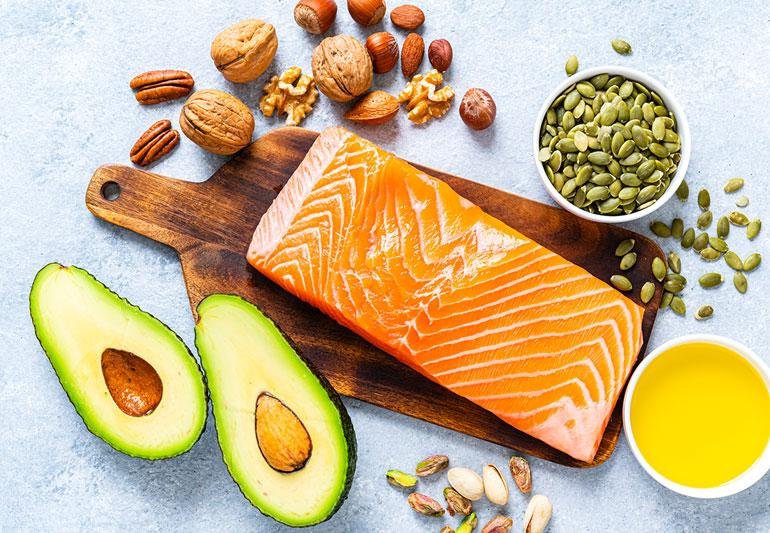
Fatty fish, including salmon, mackerel, and sardines, are renowned for their heart-protective qualities, primarily attributed to their high omega-3 fatty acid content. Omega-3s play a crucial role in promoting cardiovascular health by offering a range of benefits. Research indicates that these essential fatty acids can significantly lower triglyceride levels, thereby reducing the overall risk of heart disease. Furthermore, omega-3 fatty acids exhibit antithrombotic properties, which means they help prevent blood clot formation, an important factor in maintaining healthy circulation.
The anti-inflammatory effects of omega-3 fatty acids are particularly noteworthy. Chronic inflammation is a contributing factor to various cardiovascular diseases, and the consumption of fatty fish can help mitigate this risk. Regularly incorporating fatty fish into one’s diet can be an effective strategy to bolster heart health. The American Heart Association recommends that individuals consume at least two servings of fatty fish each week. This amount ensures that the body receives an adequate supply of omega-3s, promoting optimal cardiac function.
When selecting fatty fish, both the variety and preparation methods are important considerations. Wild-caught salmon is often hailed as one of the most nutritious options, providing a rich source of omega-3s alongside other vital nutrients such as vitamin D and selenium. Mackerel and sardines are also excellent choices, offering comparable benefits. Preparing these fish through grilling, baking, or steaming can help preserve their nutritional value while minimizing the addition of unhealthy fats.
Incorporating fatty fish into a balanced diet not only contributes to heart protection but also enhances overall well-being. Its frequent consumption can lead to long-term health benefits while satisfying culinary preferences. Therefore, recognizing the advantages of fatty fish is essential for anyone seeking to improve their heart health.
3. Nuts and Seeds
Nuts and seeds serve as excellent dietary components for promoting heart health due to their rich nutrient profiles. The essential fatty acids commonly found in almonds, walnuts, and various seeds are pivotal in maintaining cardiovascular wellness. These foods are not only sources of healthy fats but also contribute valuable fiber and protein, which together can improve cholesterol levels and support overall heart function.
Almonds, for example, are particularly noted for their high concentration of monounsaturated fats. Research indicates that consuming a handful—approximately 1 ounce or about 23 almonds—daily can significantly lower bad cholesterol (LDL) levels. They are also rich in vitamin E, an antioxidant that combats oxidative stress, thereby ensuring the heart remains healthy. Walnuts, on the other hand, are exceptional due to their alpha-linolenic acid (ALA), a type of omega-3 fatty acid. Regular intake of walnuts, around 1 ounce or approximately 14 halves, has been linked to reduced inflammation and improved endothelial function.
Seeds such as flaxseeds and chia seeds also play a crucial role in heart health. Flaxseeds are brimming with omega-3 fatty acids, fiber, and lignans, which contribute to enhanced heart health by reducing cholesterol levels and improving arterial health. A daily serving of about 1 tablespoon of ground flaxseeds can offer substantial benefits. Chia seeds, noted for their high fiber content, can absorb water and expand in the stomach, promoting satiety and aiding in weight management—factors essential for maintaining a healthy heart. A recommended serving size of about 1 ounce, equivalent to approximately 2 tablespoons, can enrich your diet with essential omega-3s and other nutrients.
Incorporating a variety of these nuts and seeds into your daily diet is advisable for anyone seeking to enhance their cardiovascular health. Whether as snacks, toppings on meals, or included in smoothies, these heart-friendly foods are both versatile and impactful.
4. Leafy Greens
Leafy greens are essential components of a heart-healthy diet, renowned for their high nutritional value. Spinach, kale, Swiss chard, and other varieties abound with vitamins, minerals, and antioxidants that contribute significantly to cardiovascular well-being. Notably, these greens are rich in vitamins A, C, K, and several B vitamins, along with essential minerals like potassium, magnesium, and calcium.
One of the key benefits of incorporating leafy greens into your diet is their ability to help lower blood pressure. Research indicates that the high levels of potassium found in these vegetables can assist in balancing sodium levels in the body, thereby supporting optimal blood pressure levels. Additionally, the presence of nitrates in leafy greens has been linked to improved endothelial function, which can enhance blood flow and reduce the risk of heart disease.
Antioxidants present in these greens, including flavonoids and carotenoids, play a crucial role in combating oxidative stress and inflammation in the cardiovascular system. This action is particularly beneficial since chronic inflammation is a risk factor for heart disease. The fiber content in leafy greens also assists in lowering bad cholesterol, contributing further to heart health.
Incorporating leafy greens into daily meals can be both simple and enjoyable. Consider adding spinach or kale to smoothies for a nutrient boost, using them as a base for salads, or adding them to cooked dishes like soups and stews. Experimenting with different leafy greens can enhance your meals while promoting better health. Regular consumption of these powerful foods can significantly contribute to maintaining a healthy heart and reducing the risk of cardiovascular issues.
5. Avocados
Avocados have garnered significant attention in recent years due to their impressive array of health benefits, particularly in relation to heart health. Known for their high content of monounsaturated fats, these nutrient-dense fruits can play a vital role in lowering cholesterol levels. Research indicates that diets rich in monounsaturated fats, such as those found in avocados, are associated with a decreased risk of cardiovascular disease. By substituting saturated fats with healthier fats, individuals can enhance their heart health and overall well-being.
In addition to healthy fats, avocados are an excellent source of potassium, a mineral that is crucial for maintaining optimal heart function. Adequate potassium intake can help regulate blood pressure, further reducing the risk of heart disease. The combination of healthy fats and potassium makes avocados a superfood for anyone looking to improve their cardiovascular health.
Including avocados in your diet can be both simple and delicious. They can be seamlessly incorporated into various meals and snacks. For example, avocados make a perfect addition to salads, providing a creamy texture and enhancing flavor while boosting nutritional value. They can also be mashed to create guacamole, a popular dip that pairs well with whole grain chips or fresh vegetables.
Moreover, avocados can be used in smoothies, blending well with other fruits while adding a rich, creamy consistency. They can serve as a nutritious topping on toast, combined with ingredients like tomatoes, eggs, or spices to create a fulfilling breakfast. The versatility of avocados allows them to complement a wide range of recipes, ensuring that individuals can easily find ways to enjoy this heart-healthy food.
In conclusion, avocados stand out as powerful allies in the pursuit of heart health. Their high monounsaturated fat and potassium content make them an essential part of a balanced diet, providing delicious ways to enhance meals while protecting cardiovascular wellness.
6. Beans and Legumes
Beans and legumes, including lentils, chickpeas, and black beans, are increasingly recognized for their beneficial role in promoting heart health. Rich in both fiber and protein, these foods contribute significantly to cardiovascular well-being. The high fiber content found in beans and legumes helps to lower levels of LDL cholesterol—the “bad” cholesterol—thereby reducing the risk of heart disease. Additionally, the soluble fiber present in these legumes improves overall blood lipid profiles and regulates cholesterol metabolism, which is essential for maintaining a healthy heart.
In terms of blood sugar management, beans and legumes offer a low glycemic index, making them an ideal food choice for individuals looking to stabilize their blood sugar levels. This attribute is particularly important, as high blood sugar levels can lead to an increased risk of cardiovascular diseases. By incorporating beans and legumes into your daily diet, you can promote better blood sugar control, which is beneficial for heart health.
Integrating beans and legumes into your diet is both versatile and simple. They can be easily added to a variety of dishes, such as salads, soups, and stews, or used as a main dish in vegetarian meals. For instance, lentils can be prepared in a hearty soup, while chickpeas can be blended into a nutritious hummus, perfect for dipping vegetables or spreading on whole grain bread. Black beans can enhance the flavor and nutritional profile of rice dishes or tacos. These easy-to-prepare options encourage regular inclusion of heart-healthy legumes into meals.
Incorporating beans and legumes into your diet not only provides essential nutrients but also enhances the overall flavor and texture of meals. By doing so, you are taking a proactive step toward better heart health.
7. Whole Grains
Whole grains play a crucial role in promoting cardiovascular health, distinguishing themselves from refined grains in multiple significant ways. Whole grains, which include oatmeal, brown rice, quinoa, barley, and whole wheat, contain the entire grain kernel—its bran, germ, and endosperm. This comprehensive composition contributes to their high fiber content, essential vitamins, and minerals, all of which are vital for maintaining heart health.
On the other hand, refined grains, such as white rice and white bread, have undergone processing that strips away the bran and germ. This removal significantly decreases the overall nutrient density of these products, leading to a loss of beneficial fiber, antioxidants, and other key nutrients. Consequently, refining grains often results in increased glycemic indices, contributing to higher blood sugar levels and various cardiovascular issues.
Incorporating whole grains into your daily diet can lead to various heart health benefits. The high fiber content found in whole grains is particularly effective in lowering cholesterol levels. Soluble fiber, in particular, helps to reduce low-density lipoprotein (LDL) cholesterol, which is commonly referred to as “bad” cholesterol. Furthermore, whole grains have been associated with improved blood pressure control, as they can aid in maintaining healthier blood vessel function.
The American Heart Association recommends replacing refined grains with whole grains to help manage weight, lower blood pressure, and regulate cholesterol levels effectively. Practical dietary strategies to incorporate whole grains include replacing white rice with brown rice or opting for whole grain bread and pasta instead of their refined counterparts. By making such adjustments, individuals can significantly enhance their heart health through better nutritional choices.
8. Dark Chocolate
Dark chocolate is often celebrated not only for its rich flavor but also for its numerous health benefits, particularly regarding heart health. This confectionery contains a significant amount of flavonoids, a type of antioxidant that has been shown to help lower blood pressure and improve circulation. Antioxidants play a crucial role in protecting the body from oxidative stress, which can lead to various cardiovascular issues.
When consumed in moderation, dark chocolate can offer several advantages for cardiovascular well-being. Studies have indicated that the flavonoids present in dark chocolate can enhance the functionality of blood vessels, thereby reducing the risk of heart disease. Furthermore, it has been shown to lower levels of LDL cholesterol, commonly referred to as “bad” cholesterol, while simultaneously increasing HDL cholesterol, the “good” cholesterol. These changes in cholesterol levels contribute to an overall healthier heart.
To reap the maximum heart-protective benefits of dark chocolate, it is essential to choose varieties that contain at least 70% cocoa. The higher cocoa content ensures a more substantial concentration of flavonoids and fewer added sugars and unhealthy fats that often accompany lower-quality chocolate products. Additionally, opting for organic or ethically sourced dark chocolate can provide not only health advantages but also align with broader ethical consumption practices.
It is important to emphasize moderation when including dark chocolate in one’s diet. A small amount, such as one ounce a few times a week, is generally regarded as sufficient to gain its health benefits without overindulging in calories and sugar. Thus, incorporating dark chocolate thoughtfully can serve as a delightful yet health-conscious choice that promotes heart health.
9. Olive Oil
Olive oil, particularly extra virgin olive oil, is renowned for its significant benefits to heart health. This oil is extracted from the flesh of olives and is rich in monounsaturated fats, which are known for their ability to improve cholesterol levels and reduce the risk of cardiovascular diseases. The high concentration of these healthy fats in olive oil helps to lower levels of low-density lipoprotein (LDL), often referred to as “bad” cholesterol, while promoting higher levels of high-density lipoprotein (HDL), or “good” cholesterol. This balance is crucial for maintaining a healthy heart.
In addition to its favorable fat profile, extra virgin olive oil is packed with antioxidants such as polyphenols. These compounds play a vital role in combating oxidative stress and inflammation within the body, further protecting cardiovascular health. Research has consistently shown that the regular consumption of olive oil is linked to a decreased incidence of heart-related issues.
When selecting olive oil, it’s beneficial to opt for extra virgin varieties. These oils are produced through the cold-pressing method, which preserves the beneficial nutrients and flavors. Standard olive oil often undergoes refining processes that can diminish its health-promoting properties. It’s also important to store olive oil properly, keeping it in a cool, dark place to prevent rancidity and maintain its flavor and health benefits.
Incorporating olive oil into your daily routine can be straightforward. It can be used as a dressing for salads, drizzled over roasted vegetables, or as a base for marinades. Additionally, using olive oil for sautéing or grilling can enhance the flavor of various dishes while boosting their nutritional value. By making olive oil a staple in your kitchen, you can enjoy its delicious taste while reaping its heart-healthy benefits.