
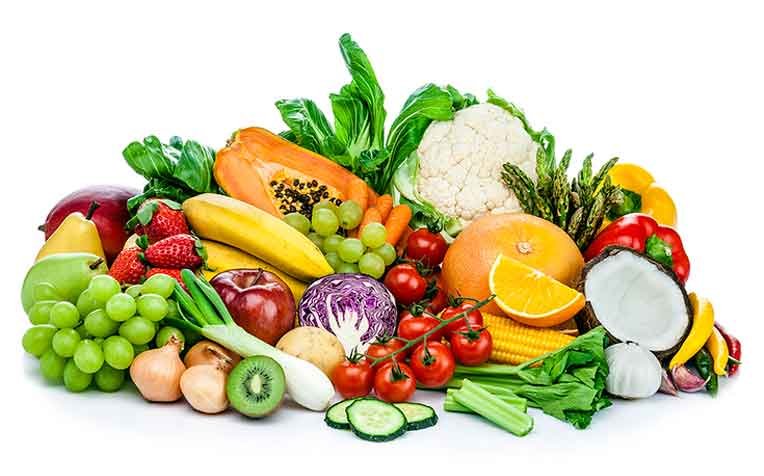
1. Leafy Greens
Leafy greens play a significant role in a balanced diet, particularly for individuals looking to manage their blood pressure. Varieties like spinach, kale, and Swiss chard are particularly beneficial due to their high potassium content. Potassium is a crucial mineral that helps balance sodium levels in the body, which can directly influence blood pressure. When sodium levels are high, the body tends to retain more water, leading to increased blood volume and, consequently, higher blood pressure. By consuming foods rich in potassium, such as leafy greens, individuals can counteract this effect.
In terms of nutritional content, these leafy vegetables are not only low in calories but also packed with essential vitamins and minerals. Aside from potassium, they offer a wealth of nutrients such as vitamin K, vitamin A, and folate, which contribute to overall health and wellness. The presence of antioxidants in leafy greens also provides additional cardiovascular benefits, helping to reduce inflammation and improve blood circulation.
Incorporating leafy greens into your daily diet can be seamless and enjoyable. One simple way is by adding spinach to smoothies for a nutrient boost without altering the flavor significantly. Kale can be tossed into salads or soups, while Swiss chard makes a flavorful addition to stir-fries. For an easy side dish, sautéing these greens with garlic and olive oil can enhance both taste and nutrition. Additionally, consider exploring recipes that feature leafy greens as the main ingredient, such as stuffed chard wraps or kale chips.
Overall, the inclusion of leafy greens in your diet is a practical step towards maintaining a healthy blood pressure. By understanding their nutritional value and discovering various culinary techniques to enjoy them, individuals can take proactive measures to support their cardiovascular health.
2. Berries
Berries, particularly blueberries, are a delicious and nutritious addition to the diet that can contribute to lower blood pressure. These small fruits are rich in flavonoids, a type of antioxidant that has been scientifically linked to various health benefits, including the regulation of blood pressure levels. The consumption of berries, such as strawberries, raspberries, and blackberries, not only adds flavor but also enhances the overall nutritional profile of meals.
The key to the blood pressure-lowering effects of berries lies in their high concentration of flavonoids, which help improve blood vessel function and reduce inflammation. Studies have indicated that incorporating these fruits into one’s diet can yield significant improvements in cardiovascular health. For instance, regular consumption of blueberries has been associated with reduced systolic blood pressure, making them an excellent choice for individuals aiming to manage their hypertension.
To effectively include berries in daily meals, one can explore a variety of creative options. Starting the day with a berry smoothie or adding mixed berries to cereal can provide a refreshing and healthful breakfast. Additionally, berries can be tossed into salads for a burst of flavor and vivid color, or used as a topping for yogurt and desserts, enhancing both taste and nutrition. For those interested in baking, integrating berries into muffins or pancakes can be both satisfying and beneficial for heart health.
In conclusion, berries are more than just a tasty treat; they are an essential component for anyone looking to naturally lower their blood pressure. Their rich flavonoid content, coupled with their versatility in various dishes, makes them an excellent choice for promoting cardiovascular health. Incorporating a variety of berries into one’s daily diet can play a significant role in maintaining healthy blood pressure levels and improving overall well-being.
3. Beets
Beets, also known as beetroot, are a vibrant and nutritious root vegetable that is renowned for its numerous health benefits, particularly in relation to blood pressure management. Rich in nitrates, beets have been shown to help relax blood vessels and enhance blood flow, making them an excellent dietary choice for those seeking to lower their blood pressure naturally.
There are various types of beets available, with red beets being the most common. However, other varieties such as golden beets and chioggia beets, which feature a striking pink and white striped interior, also provide similar health benefits. When selecting beets, one should look for firm, smooth, and unblemished specimens, as these indicate freshness and quality.
In terms of preparation, beets can be enjoyed in numerous ways. They can be boiled, roasted, or steamed, each method offering a distinct flavor profile. For instance, roasting beets enhances their natural sweetness and creates a tender texture, while boiling them results in a softer consistency. When preparing beets, it’s advisable to wear gloves, as their vibrant color can easily stain the skin.
Incorporating beets into your meals can be both enjoyable and delicious. One simple recipe includes a roasted beet salad, where sliced roasted beets are combined with arugula, goat cheese, and walnuts, topped with a balsamic vinaigrette. Alternatively, beet juice is a popular option; it can be enjoyed on its own or blended with other fruits and vegetables for a nutrient-rich beverage. Furthermore, beets can be added to smoothies or used as a colorful ingredient in soups and stews.
In conclusion, beets are a versatile vegetable that not only adds a splash of color to your diet but also significantly contributes to lowering blood pressure. By exploring various preparation methods and recipes, individuals can easily include beets in their nutrition regimen. This delicious root vegetable may very well become a staple in a heart-healthy diet.
4. Oats
Oats are a versatile and nutritious whole grain known for their heart-healthy properties. Rich in beta-glucans, a specific type of soluble fiber, oats have been shown to effectively lower cholesterol levels, contributing to better overall cardiovascular health and reduced blood pressure. The presence of these soluble fibers aids in the maintenance of healthy arterial function and can significantly impact hypertension.
Oats come in various forms, each offering unique textures and cooking times. The most common types include rolled oats, steel-cut oats, instant oats, and oat flour. Steel-cut oats are made from whole oat groats that are chopped into pieces, providing a chewy texture and subtle nutty flavor. Rolled oats are steamed and then flattened, making them quicker to cook while retaining their nutritional benefits. Instant oats, although convenient, can often contain added sugars, so it’s essential to read labels carefully. Oat flour is a gluten-free alternative, suitable for baking and thickening sauces.
Incorporating oats into your daily diet is simple and enjoyable. For breakfast, consider preparing a hearty bowl of oatmeal topped with fresh fruits, nuts, or a drizzle of honey for a nutrient-rich start to your day. Overnight oats are another excellent option; combine rolled oats with yogurt or milk and your favorite toppings, and let them sit overnight for an effortless morning meal. Additionally, oats can easily be added to smoothies for a creamy texture, used as a healthy binder in recipes for energy bars, or even incorporated into baked goods for added fiber and flavor.
Ultimately, including oats in your diet can play a significant role in managing blood pressure levels while providing substantial health benefits. Their versatility and rich nutrient profile make them an excellent choice for those looking to improve their diet.
5. Bananas
Bananas are widely recognized for their rich potassium content, which plays a crucial role in regulating blood pressure levels. Potassium is an essential mineral that helps to negate the effects of sodium in the body, promoting the relaxation of blood vessel walls and thereby lowering the overall blood pressure. A medium-sized banana contains approximately 422 mg of potassium, which represents a significant portion of the recommended daily intake. This makes bananas an optimal choice for individuals seeking to manage their blood pressure through dietary adjustments.
Beyond their potassium benefits, bananas boast an impressive nutritional profile that includes vitamin C, vitamin B6, and dietary fiber. These nutrients collectively contribute to overall cardiovascular health. Fiber, in particular, is important for heart health as it aids in lowering cholesterol levels and improving blood vessel function. The presence of antioxidants in bananas also supports overall wellness, helping to combat oxidative stress in the body.
Moreover, bananas are incredibly versatile, making them easy to incorporate into various meals and snacks. They can be enjoyed on their own, added to smoothies, sliced onto cereals, or even incorporated into baked goods. Their natural sweetness serves as a healthy alternative to processed sugars, fitting seamlessly into balanced diets. This adaptability ensures that individuals can enjoy bananas while adhering to their nutritional goals.
In conclusion, the inclusion of bananas in the diet can provide a valuable source of potassium and other essential nutrients. Their ability to support blood pressure regulation, combined with their versatility in preparation, makes them a recommended food choice for individuals aiming to maintain healthy blood pressure levels. Integrating bananas into the daily diet serves not only health benefits but also enhances meal enjoyment.
6. Fatty Fish
Fatty fish, such as salmon, mackerel, sardines, and herring, are recognized as excellent sources of omega-3 fatty acids, which play a crucial role in promoting heart health. These types of fish are particularly valued for their anti-inflammatory properties, which can significantly contribute to lowering blood pressure. The omega-3 fatty acids in fatty fish help to reduce inflammation throughout the body, enhancing vascular function and improving overall cardiovascular well-being.
Incorporating fatty fish into one’s diet not only provides essential nutrients but also offers a delicious way to support heart health. The American Heart Association recommends consuming fatty fish at least twice a week to take advantage of their numerous health benefits. For those who may not be accustomed to including fish in their meals, there are various methods to prepare them that can make incorporating fatty fish into your diet easier and more enjoyable.
Simple recipes can include grilled salmon with herbs, baked mackerel with lemon, or a hearty sardine salad. By seasoning the fish with fresh herbs and citrus, you can enhance the flavor profile while also reaping the benefits of the omega-3 fatty acids. Additionally, fatty fish can be easily integrated into a variety of dishes such as pasta, rice bowls, or tacos, providing versatility and taste to your meals.
Beyond their direct effects on blood pressure, the consumption of fatty fish has been linked to improved overall heart health, including reducing the risk of arrhythmias and lowering triglyceride levels. Thus, incorporating fatty fish into your weekly meal plan is a proactive approach to not only lower blood pressure but also promote a heart-healthy lifestyle.
7. Garlic
Garlic has been utilized for centuries not only as a culinary ingredient but also for its various health benefits, particularly in managing blood pressure. At the heart of garlic’s medicinal properties lies a compound known as allicin, which is released when garlic is crushed or chopped. Research indicates that allicin possesses significant antihypertensive effects, meaning it can effectively help lower blood pressure when incorporated into a regular diet. Studies have shown that those who consume garlic supplements or raw garlic may experience a noticeable decrease in both systolic and diastolic blood pressure readings.
In addition to its blood pressure-lowering capabilities, garlic is a powerful antioxidant, which can protect the body from oxidative stress, further contributing to overall cardiovascular health. Its anti-inflammatory properties also play a role in enhancing blood circulation, which is essential for maintaining healthy blood pressure levels. Furthermore, garlic has been linked to improved cholesterol levels, another important factor in heart health.
Incorporating garlic into your daily meals can be straightforward and enjoyable. It can be used in various forms: fresh, roasted, minced, or powdered. Adding raw garlic to dressings or marinating meats can infuse your dishes with flavor while reaping its health benefits. Roasting garlic not only softens its pungent flavor but also enhances its sweetness, making it a delicious addition to spreads or as a complement to vegetables. For those less inclined to enjoy its taste, garlic supplements are also widely available, providing a convenient alternative.
Overall, garlic represents a simple yet effective method to support heart health and manage blood pressure naturally. With its versatile nature, it can easily be incorporated into multiple cuisines, making it a valuable ingredient in your culinary repertoire.
8. Dark Chocolate
Dark chocolate is not only a popular treat but also a functional food that can contribute to cardiovascular health. Rich in flavonoids, particularly flavanols, dark chocolate has been shown to improve circulation and assist in lowering blood pressure. These flavonoids promote the dilation of blood vessels, enhancing blood flow and potentially reducing hypertension-related risks. To reap the health benefits, it is essential to choose the right type of chocolate.
When selecting dark chocolate, aim for products that contain at least 70% cocoa. The higher cocoa content is linked to increased levels of flavonoids, making it more effective for blood pressure management. Avoid chocolates that have excessive sugar or unhealthy additives, as these can negate the positive effects on health. It’s important to read labels carefully to ensure the quality and purity of the chocolate.
Portion size is crucial when incorporating dark chocolate into your diet. While it offers health benefits, moderation is key to preventing potential calorie overload. A typical serving is around 1 ounce (approximately 28 grams) per day. Consuming dark chocolate in this limited quantity allows individuals to indulge while still prioritizing their health. Pairing dark chocolate with fruits such as strawberries or bananas can also enhance its taste while providing additional health benefits.
Incorporating dark chocolate into a healthy diet can be simple. Add it as a topping on oatmeal or yogurt, blend it into smoothies, or enjoy a small piece as an afternoon snack. By integrating dark chocolate into a balanced diet rich in fruits, vegetables, and whole grains, individuals can enjoy its delightful flavor alongside its heart-healthy properties. Embracing dark chocolate as part of a comprehensive approach to managing blood pressure is a delicious and beneficial choice for many.
9. Nuts and Seeds
Nuts and seeds are often overlooked components of a heart-healthy diet, yet they play a significant role in maintaining healthy blood pressure levels. These small but nutrient-dense foods, including almonds, walnuts, flaxseeds, chia seeds, and sunflower seeds, are abundant in magnesium, potassium, healthy fats, and antioxidants. Magnesium is particularly important because it helps relax blood vessels, thereby promoting optimal blood flow and lower blood pressure.
Almonds, for instance, are well-known for their heart-healthy properties. A handful of almonds provides not only essential fatty acids but also vitamin E, an antioxidant that supports cardiovascular health. Similarly, flaxseeds are an excellent source of omega-3 fatty acids, which have demonstrated the ability to lower inflammation and improve endothelial function. Including these nuts and seeds in your diet can contribute to better overall heart health, making them valuable for those managing high blood pressure.
Moreover, the healthy fats found in nuts and seeds can also aid in controlling cholesterol levels. Regular consumption of these foods has been linked to reduced risks of heart disease, particularly in individuals with pre-existing hypertension. Nuts and seeds can be easily incorporated into daily meals: sprinkle them on yogurt or salads, blend them into smoothies, or enjoy as a simple, nutritious snack. By diversifying your meals with these nutritious options, you can effectively increase your nutrient intake while enjoying various culinary experiences.
To sum up, integrating nuts and seeds into your diet not only enhances flavor but also provides a wealth of nutrients that support healthy blood pressure levels. Remember to choose unsalted varieties to maximize health benefits while minimizing sodium intake. With so many delicious options available, it is simple to add these remarkable foods into your daily routine.
10. Whole Grains
Whole grains, including brown rice, quinoa, and whole wheat products, have become increasingly recognized for their numerous health benefits, particularly in relation to blood pressure control. Unlike refined grains, which have undergone processing that strips away their nutrients and fiber, whole grains retain their complete nutrient profile. This makes them a vital component of a health-conscious diet aimed at lowering blood pressure.
The richness of whole grains in essential nutrients such as magnesium, potassium, and dietary fiber contributes to better cardiovascular health. Magnesium and potassium are particularly important as they play critical roles in regulating blood pressure levels. Elevated fiber content assists in lowering cholesterol levels and improving overall heart function, which can lead to significant improvements in blood pressure management.
Incorporating whole grains into your daily meals is both straightforward and versatile. Substituting refined grains with whole grains in your diet can begin with simple changes such as choosing whole grain bread instead of white bread, or opting for brown rice over white rice. Quinoa, a complete protein that is also high in fiber, serves as a fantastic base for salads, lunch bowls, or as a side dish. Whole grain pasta can be another nutritious alternative, paired with tomato sauce and vegetables for a wholesome meal.
For those looking to enjoy delicious recipes featuring whole grains, consider trying a quinoa salad with mixed vegetables and a lemon vinaigrette, or a hearty brown rice stir-fry enriched with colorful vegetables and lean proteins. These meals not only support heart health but also offer satisfying flavor profiles that appeal to a variety of palates. By prioritizing whole grains in your diet, you are taking a proactive step towards achieving and maintaining healthy blood pressure levels.