
1. Prioritize Nutrient-Dense Foods
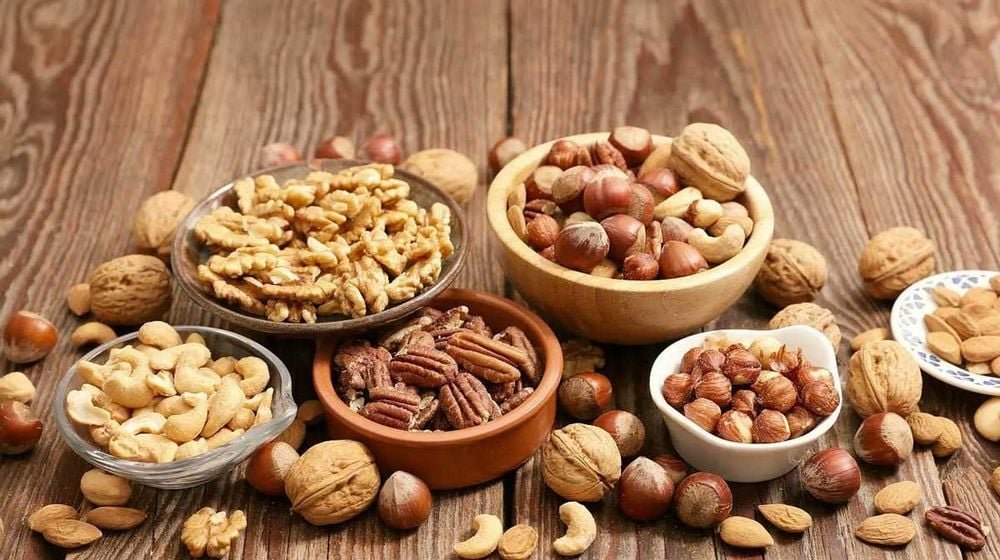
When the goal is to gain weight healthily, the importance of prioritizing nutrient-dense foods cannot be overstated. Nutrient-dense foods are those that provide a high number of vitamins, minerals, and calories relative to their volume. By incorporating foods like nuts, seeds, avocados, whole grains, lean proteins, and dairy products into your daily diet, individuals can effectively increase their caloric intake while also nourishing their bodies. Each of these food groups offers significant benefits that contribute to overall health, making them essential components of any weight gain strategy.
For example, nuts and seeds are excellent sources of healthy fats and proteins. They can be easily added to salads, yogurts, or smoothies, significantly increasing the caloric content without compromising nutritional value. Similarly, avocados are widely recognized for their heart-healthy fats, and they can enhance various dishes with their creamy texture and rich flavor. On the whole grain front, options like quinoa, brown rice, and whole wheat products provide complex carbohydrates, which are crucial for energy and muscle building.
Lean proteins play a critical role as well, supporting muscle repair and growth. Incorporating lean meats, poultry, fish, legumes, and plant-based proteins ensures that the body receives adequate amino acids essential for building muscle mass. Additionally, dairy products like milk, yogurt, and cheese serve as excellent calcium sources while also being comparatively high in calories. These foods should ideally be incorporated into all meals, creating balanced plates that help in achieving desired weight gain goals.
Moreover, opting for whole foods over processed alternatives is vital in this pursuit. Processed foods often contain high levels of sugars, unhealthy fats, and additives that can detract from the overall nutritional value of a meal. By emphasizing whole foods, individuals can derive maximum health benefits while also consuming the necessary calories to promote healthy weight gain.
2. Increase Meal Frequency
To effectively gain weight in a healthy manner, one of the most beneficial strategies is to increase meal frequency. This approach involves shifting from the traditional three large meals to five to six smaller meals distributed throughout the day. By doing so, you can consume more calories without experiencing the discomfort of overeating during a single sitting.
Planning is essential when it comes to this meal frequency adjustment. Begin by creating a meal schedule that spaces out your eating occasions every two to three hours. This not only ensures a steady intake of energy throughout the day but also helps maintain metabolic activity, which is advantageous for weight gain. Set a reminder on your phone or utilize a meal planning app to stay consistent with your new eating pattern.
When selecting foods for your meals and snacks, aim for nutrient-dense options that are high in calories yet provide essential vitamins and minerals. For instance, incorporating nuts and seeds can offer healthy fats and proteins without requiring large portions. Consider setting aside time each week to prepare snacks such as energy bars or trail mix, which can easily fit into your busy schedule.
Moreover, smoothies can serve as an excellent meal option. By blending fruits, vegetables, protein powders, and even nut butters, you can create delicious and calorie-rich beverages. These can be consumed on the go, ensuring you never skip a meal, even during hectic days. Additionally, whole grains like quinoa and brown rice can be used in various dishes, providing complex carbohydrates that contribute to higher caloric intake.
Incorporating these practices into your daily routine can significantly enhance your calorie consumption while still allowing for a balanced diet. By focusing on meal frequency, you promote overall wellness alongside your weight gain goals.
3. Use Caloric Beverages Wisely
When aiming for healthy weight gain, incorporating caloric beverages into your daily diet can be an effective strategy. By carefully choosing high-calorie drinks such as smoothies, protein shakes, and milk, individuals can significantly increase their caloric intake without the need to consume large volumes of food. This approach is particularly useful for those who may experience difficulties eating sufficient meals throughout the day.
Smoothies are versatile and can be tailored to individual taste preferences and nutritional needs. A potent recipe might include a base of full-fat yogurt or milk, combined with fruits such as bananas or avocados, which contribute healthy fats and additional calories. For added protein, consider incorporating protein powder or nut butters. Spinach can be added for a nutrient boost without altering the taste, making it an ideal option for even the most discerning palate.
Another excellent choice for caloric beverages is homemade protein shakes. These shakes can be simple to create and allow for considerable customization. Begin with a base of whole milk or an alternative such as almond milk, then blend in your preferred protein powder. Incorporating oats, honey, or chia seeds not only enriches the shake with calories but also enhances its nutritional value. Variations can easily provide a balance of carbohydrates, fats, and proteins, essential for healthy weight gain.
Additionally, consider fortified beverages like full-fat milk or plant-based milk alternatives, as these can offer high caloric counts. If you enjoy coffee or tea, infusing these drinks with cream, sugar, or milk can also contribute to a higher caloric intake. When well-planned, caloric beverages serve as an enjoyable and effective way to support healthy weight gain while maintaining a balanced diet.
4. Strength Training and Resistance Exercises
Engaging in regular strength training and resistance exercises is a proven method to build muscle mass, which effectively contributes to healthy weight gain. When one aims to increase weight in a balanced manner, incorporating a structured routine of resistance training becomes essential. This category of exercise involves using free weights, resistance bands, or body-weight movements to challenge the muscles.
Some popular types of strength training exercises include squats, deadlifts, bench presses, and overhead presses. Each of these exercises targets different muscle groups, ensuring a well-rounded approach to muscle gain. For those interested in muscle development, a typical routine might involve lifting weights three to five times a week, focusing on compound movements that engage multiple muscle groups. Additionally, performing exercises such as lunges, pull-ups, and rows can further enhance muscle strength and contribute to overall mass increase.
However, strength training alone may not yield optimal results. It is crucial to combine these workouts with proper nutrition to maximize gains. Consuming an adequate amount of calories, particularly from protein-rich sources, plays a vital role in muscle recovery and growth. Foods rich in protein, such as lean meats, fish, eggs, legumes, and dairy products, should be integrated into daily meals. Furthermore, healthy fats and complex carbohydrates can provide energy for workouts and support the body’s overall needs during the weight-gaining process.
Ultimately, a well-structured strength training regimen, alongside a balanced diet, contributes to healthy weight gain while promoting muscle development and enhancing overall fitness. Adopting such an approach can lead to sustainable results, ensuring that any increase in weight is primarily derived from muscle rather than excess fat.
5. Healthy Snacking
In the pursuit of healthy weight gain, incorporating nutrient-dense snacks into your daily routine can be an effective approach. High-protein and high-calorie snacks not only help to maintain energy levels but also significantly contribute to your overall caloric intake. Understanding the importance of snacking is crucial when attempting to increase body weight in a healthy manner.
One of the simplest and most efficient strategies for healthy snacking is to choose foods rich in protein, as they promote muscle growth and repair. Options such as Greek yogurt, cottage cheese, and hard-boiled eggs can serve as excellent snacks, providing both protein and healthy fats. Additionally, nuts and nut butters offer a calorie-dense option that is easy to prepare and transport. A handful of almonds, walnuts, or a tablespoon of peanut butter spread on whole grain toast are not only satisfying but also packed with nutrients.
Another effective way to include healthy snacks is through the use of smoothies. Blending ingredients such as bananas, oats, spinach, and protein powder can create a nutrient-rich drink that is both tasty and calorie-dense. This method allows for variety and customization according to individual preferences while ensuring essential nutrients are included.
Trail mixes that combine dried fruits, seeds, and nuts can also be a practical snack choice. These mixtures are portable and can easily be stored in small containers for convenience. Hummus with whole-grain crackers or fresh vegetables can serve as another nutritious option, delivering both fiber and protein to promote satiety.
Incorporating these snack ideas into your diet can facilitate balanced weight gain while keeping energy levels stable throughout the day. Remember, the key is to choose snacks that are not only calorie dense but also rich in nutrients, contributing to both energy and overall health.
6. Don’t Skip Breakfast
Starting the day with a nutritious breakfast is essential for anyone looking to gain weight in a healthy manner. A balanced breakfast that incorporates a good mix of protein, healthy fats, and carbohydrates can set a positive tone for the day ahead, ensuring that the body receives the necessary nutrients to fuel activities and maintain energy levels. Skipping breakfast may lead to overeating later in the day or choosing less nutritious options, which can be counterproductive for those aiming to increase their weight healthily.
Incorporating a variety of food groups into breakfast can not only support weight gain efforts but also promote overall well-being. For example, consider options such as oatmeal topped with nut butter and sliced bananas. This combination provides complex carbohydrates, healthy fats, and a dose of protein that can sustain energy levels until lunch. Alternatively, a smoothie made with yogurt, fruits, and chia seeds is another excellent choice; it is quick to prepare and can be easily customized to individual taste preferences.
Eggs are also a staple breakfast choice, offering high-quality protein and versatile cooking options. Preparing scrambled eggs with spinach and whole-grain toast can create a fulfilling meal that contributes to healthy weight gain. Whole-grain pancakes or waffles topped with Greek yogurt and a selection of berries can also be an indulgent yet nutritious option.
To ensure a consistent morning routine that includes this vital meal, individuals can benefit from meal prep strategies. Planning and preparing breakfast components ahead of time can make it easier to prioritize this meal during busy mornings. In conclusion, a well-rounded breakfast is not only crucial for weight gain but also serves to enhance focus, productivity, and overall health throughout the day.
7. Monitor and Track Your Progress
Monitoring and tracking your progress is essential when implementing a strategy to gain weight healthily. By keeping an accurate record of your daily caloric intake and weight gain, you can gain valuable insights into what works best for your body. This self-awareness enables you to make informed adjustments to your diet and lifestyle, enhancing your overall success in achieving your weight gain goals.
One effective method for tracking your caloric intake is to maintain a food diary. Writing down everything you eat and drink can provide you with a clearer picture of your consumption patterns. In addition, a food diary can help you identify any unintentional calorie deficits or excesses that may arise during your weight gain journey. You may choose to keep this diary in a physical notebook or opt for digital formats to streamline the process.
Another increasingly popular approach is to utilize mobile applications designed for tracking food intake and weight progress. These apps often feature user-friendly interfaces and can automatically calculate caloric values based on your entries. They can also chart your weight fluctuations over time, making it easier to visualize your progress and adjust your strategies as needed. Many of these tools offer customizable settings to cater to individual dietary preferences and goals.
Being aware of your progress also serves as a motivational tool. Knowing how far you’ve come, in terms of both weight gain and caloric consumption, can encourage you to stay committed to your plan. Furthermore, tracking allows you to pinpoint periods of stagnation or regression, prompting you to reassess your methods and make necessary adjustments. By integrating monitoring techniques into your weight gain approach, you establish a comprehensive strategy that contributes to sustainable progress and overall success.
8. Cook with Healthy Fats
Incorporating healthy fats into your cooking routine is an effective strategy for achieving weight gain in a nutritious manner. Healthy fats, including olive oil, coconut oil, and nut butters, are calorie-dense, offering a substantial increase in caloric intake without significantly increasing the volume of food consumed. This approach is particularly advantageous for individuals aiming to gain weight while maintaining a balanced diet and avoiding excessive bulk in meals.
Olive oil is a versatile ingredient that can enhance the flavor of various dishes while adding healthy monounsaturated fats. It is ideal for sautéing vegetables, drizzling over salads, or blending into sauces. One way to increase caloric intake is by preparing a Mediterranean-style salad, tossing greens with an ample amount of olive oil, nuts, and seeds, which elevates both taste and nutritional value.
Coconut oil, rich in medium-chain triglycerides (MCTs), is another excellent source of healthy fat. It can be used for baking, frying, or as a replacement for other oils in recipes. For instance, you can substitute coconut oil in your favorite cookie recipes to add calories while enhancing flavor. A simple recipe might include mixing coconut oil with oats, bananas, and dark chocolate chips to create nourishing energy bites.
Nut butters, such as almond or cashew butter, are not only delicious but also packed with calories and essential nutrients. They can be spread on whole-grain toast, blended into smoothies, or incorporated into a variety of desserts. For example, creating a smoothie with yogurt, bananas, and a generous spoonful of nut butter provides a rich snack high in healthy fats and calories.
Incorporating these oils and fats into your meals can significantly contribute to your overall caloric intake, making it an integral aspect of a weight-gaining strategy that prioritizes health.
9. Understanding Your Caloric Needs
To effectively gain weight in a healthy manner, it is crucial to first understand your unique caloric needs. This involves calculating the number of calories you require daily based on multiple factors, including age, sex, weight, height, and activity levels. Each individual’s metabolic rate can differ significantly; hence, what works for one person may not necessarily apply to another.
A common method for estimating daily caloric needs is the Mifflin-St Jeor Equation, which helps in determining the Basal Metabolic Rate (BMR). For men, the formula is BMR = 10 * weight(kg) + 6.25 * height(cm) – 5 * age(y) + 5. For women, the equation is BMR = 10 * weight(kg) + 6.25 * height(cm) – 5 * age(y) – 161. Once the BMR is established, it can be multiplied by an activity factor (sedentary, lightly active, moderately active, very active, or extremely active) to attain the Total Daily Energy Expenditure (TDEE).
Knowing your TDEE is essential in your weight gain journey, as it provides a benchmark for how many calories you need to consume to achieve your goals. Aim to create a calorie surplus, typically by consuming 300 to 500 extra calories per day, depending on your personal objectives and preferences. This surplus promotes gradual weight gain, allowing for the increase of muscle mass rather than fat accumulation.
Moreover, it is not only vital to track calorie intake but also to focus on the quality of the calories you consume. Prioritize nutrient-dense foods such as lean proteins, whole grains, healthy fats, fruits, and vegetables. This strategy ensures that your body receives adequate nutrition while supporting sustainable weight gain. Understanding your caloric needs helps to set a solid foundation for a successful and health-conscious weight gain plan.
10. Incorporate Protein-Rich Foods
Protein plays a crucial role in building muscle and gaining weight in a healthy manner. It is an essential macronutrient required for the growth and repair of tissues. Additionally, consuming adequate protein can contribute to a higher caloric intake, which is necessary for those aiming to gain weight. Including protein-rich foods in your diet not only supports muscle mass increase but also aids in overall bodily functions.
Various food sources provide high-quality protein. Animal-based options such as lean meats, chicken, fish, eggs, and dairy products like milk, cheese, and yogurt are excellent choices. For individuals following a plant-based diet, legumes, nuts, seeds, and whole grains offer substantial protein. Tofu and tempeh are also advantageous protein sources for vegetarians and vegans. The variety of protein sources ensures that dietary preferences and restrictions can be accommodated while still meeting protein needs.
To effectively increase protein intake, consider including protein in every meal and snack. For breakfast, options such as Greek yogurt with fruit and nuts, or scrambled eggs with vegetables can be beneficial. Incorporating protein shakes or smoothies as snacks, made with protein powder, nut butter, or high-protein yogurt, can also enhance your protein consumption. Furthermore, adding beans or legumes to salads, soups, or stews can bolster the protein content of these meals.
In promoting healthy weight gain, aiming for approximately 1.2 to 2.0 grams of protein per kilogram of body weight can be beneficial, especially for those engaging in strength training or intense physical activities. Balancing sufficient protein intake with carbohydrates and healthy fats will ensure a comprehensive nutritional approach. By integrating these protein-rich foods into your diet regularly, you will create a foundation for healthy weight gain while supporting muscle development and overall health.
11. Stay Hydrated, But Smartly
Maintaining proper hydration is crucial for anyone embarking on a weight gain journey. Water plays a vital role in numerous bodily functions, including digestion, nutrient absorption, and overall energy levels. Therefore, ensuring adequate hydration can significantly assist in achieving calorie surplus, which is essential for effective weight gain. However, the timing of water intake is equally important in this context. Drinking large amounts of water just before meals can lead to a feeling of fullness, potentially resulting in reduced food consumption. This can hinder the effort to increase caloric intake.
To manage your hydration effectively without sacrificing your caloric goals, consider consuming most of your fluids in between meals rather than during them. Aim to hydrate well throughout the day; doing so can help keep your energy levels high and aid in the metabolic processes required for weight gain. You may benefit from keeping a water bottle accessible, allowing you to take small sips rather than large gulps. In this manner, you can maintain hydration without overfilling your stomach, which may deter you from consuming enough caloric-rich foods at mealtime.
Additionally, incorporating hydrating foods such as fruits and vegetables into your diet can contribute to your overall fluid intake while providing essential nutrients. For instance, options like watermelon, cucumbers, and oranges are excellent sources of hydration and can complement your meals. Furthermore, beverages such as smoothies made with full-fat yogurt and protein sources can serve the dual purpose of hydration and calorie intake. This approach not only meets your hydration needs but also supports your weight gain objectives efficiently, ensuring you consume a balanced and nutritious diet.
12. Consult with Health Professionals
When seeking to gain weight in a healthy manner, it can be highly beneficial to consult with health professionals, particularly nutritionists and dietitians. These experts can provide invaluable guidance tailored to your individual health goals, ensuring you create an effective and sustainable weight gain strategy. By engaging with a professional, you can receive personalized assessments that take into account your unique lifestyle, preferences, and nutritional needs.
One significant advantage of working with nutritionists is the ability to develop a customized meal plan. These plans are specifically designed to help you achieve your desired weight while ensuring you receive adequate nutrients, vitamins, and minerals. A qualified nutritionist can analyze your current dietary habits and identify areas for improvement, such as increasing caloric intake without compromising on health. They may recommend incorporating nutrient-dense foods, which can boost your overall caloric intake while providing essential nutrients necessary for maintaining balance in your diet.
Furthermore, health professionals are well-versed in creating optimal macronutrient ratios tailored to individual goals. Whether aiming to build muscle, prevent malnutrition, or promote overall wellness, a dietitian can suggest the appropriate amounts of carbohydrates, proteins, and fats required for effective weight gain. This scientific approach not only facilitates the process but also enhances the likelihood of success in achieving your health targets.
Additionally, regular check-ins with a nutritionist allow for adjustments to your food plan based on progress, making it a dynamic and responsive approach to health. This ongoing support can provide motivation, accountability, and deeper insights into your individual responses to dietary changes. Therefore, for anyone serious about gaining weight the healthy way, consulting with a qualified health professional is a wise investment in your overall well-being and fitness journey.