
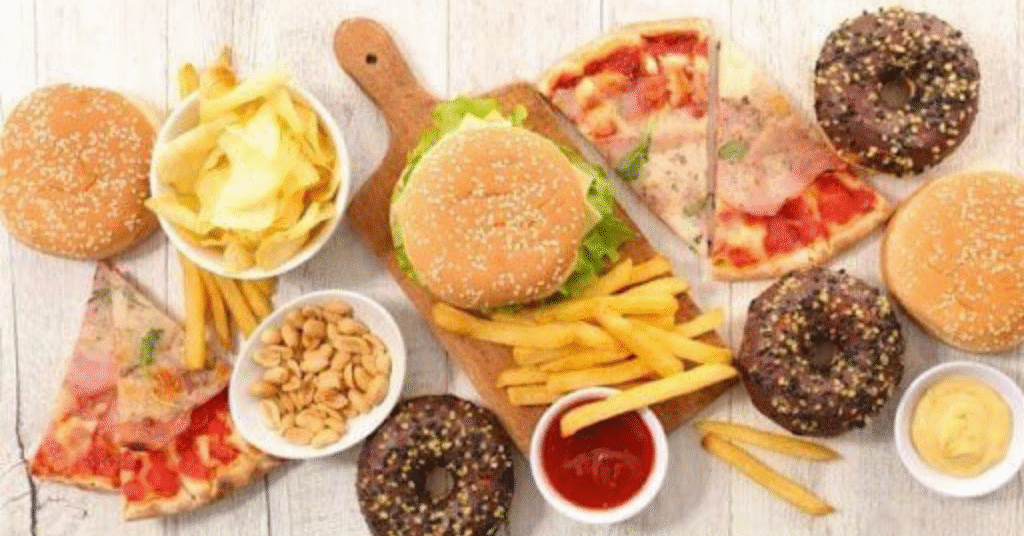
1. Sugary Beverages
Sugary beverages, such as sodas, fruit juices, and energy drinks, have become staples in many diets worldwide, often due to their appealing taste and convenience. However, these drinks are laden with high levels of sugar and artificial sweeteners, which can have detrimental effects on health. The excessive consumption of sugary drinks can lead to inflammation, a common factor that accelerates the aging process. Inflammation can cause damage to cells and tissues, leading to greater susceptibility to various diseases.
One of the major issues with sugary beverages is their impact on triglyceride levels. Consuming high amounts of sugar can spike these levels, which are a type of fat found in the blood. Elevated triglyceride levels are associated with an increased risk of heart disease, a condition that can significantly affect one’s health as they age. In addition, sugary drinks contribute to excessive calorie intake, often leading to weight gain, which is a well-documented factor that can accelerate the aging process.
Furthermore, regular consumption of sugary beverages may influence the body’s metabolic processes, potentially leading to insulin resistance and type 2 diabetes. These chronic conditions not only affect overall well-being but also contribute to various aging markers in the body. Although it might be tempting to indulge in these sweetened beverages for a quick energy boost or refreshing treat, the long-term impacts on health can be far-reaching.
To promote a healthier lifestyle and mitigate the effects of aging, it is advisable to replace sugary beverages with healthier alternatives such as water, herbal teas, or infused water. By making conscious dietary choices and being aware of the potential impact of sugary drinks, individuals can work towards a longer and healthier life.
2. Processed Meats
Processed meats, which include popular items such as sausages, hot dogs, and deli meats, are often associated with numerous health risks. One of the primary concerns regarding these foods is their high content of nitrates and preservatives. These additives, commonly used to enhance flavor and extend shelf life, can lead to oxidative stress within the body. Oxidative stress occurs when there is an imbalance between free radicals and antioxidants, leading to cellular damage and a range of health problems.
Regular consumption of processed meats has been linked to an increased risk of several serious health conditions, including cardiovascular diseases and various forms of cancer. Research has shown that diets high in processed meats can contribute to the development of heart-related issues. Furthermore, the presence of certain chemicals in these products, which are released during processing and cooking, can pose additional health risks.
Beyond the immediate health concerns, the long-term consequences of regularly consuming processed meats can also impact physical appearance, particularly skin health. The compounds found in these meats can lead to the breakdown of collagen and elastin, which are essential proteins that maintain skin elasticity and firmness. As a result, individuals who frequently consume processed meats may experience signs of premature skin aging, such as wrinkles and sagging, due to the accelerating effects on these vital structural proteins.
Considering the potential hazards associated with processed meats, it may be prudent to limit their consumption and opt for healthier alternatives. Plant-based proteins, fresh meats without additives, and whole, unprocessed foods may provide better options for maintaining overall health and supporting youthful skin.
3. White Bread and Pastries
White bread and pastries are staples in many diets, yet they are made from refined flour, which can have significant implications for overall health and aging. The process of refining flour strips away essential nutrients and fiber, leading to a product with a higher glycemic index. Foods high in glycemic index can cause rapid spikes in blood sugar levels. When blood sugar levels rise sharply, the body’s response is to produce more insulin, which can have several unintended consequences on health.
Elevated insulin levels can promote inflammation in the body. Chronic inflammation is linked to various age-related diseases, including heart disease, diabetes, and even some forms of cancer. Furthermore, consistent consumption of high-glycemic foods, such as white bread and pastries, can upset the hormonal balance in the body, leading to weight gain. Excess weight is another risk factor that can contribute to the accelerated aging process, making individuals more prone to age-related illnesses.
Additionally, white bread and pastries often contain added sugars, unhealthy fats, and preservatives, which not only contribute to poor nutrition but also hinder the body’s natural ability to repair itself. While these foods may provide temporary satisfaction, they lack the essential nutrients necessary for maintaining healthy skin, strong muscles, and optimum metabolism. As a result, incorporating more whole grains and nutrient-dense foods into one’s diet is crucial for slowing down the aging process.
In summary, while white bread and pastries may be convenient and palatable, their high glycemic index and low nutritional value can lead to increased insulin levels and inflammation, accelerating the aging process. By opting for whole grain alternatives, individuals can enhance their overall health and potentially reduce the signs of aging over time.
4. Fried Foods
Fried foods are well-known for their appealing taste and texture, but they often come at a high nutritional cost. Typically cooked in oils that are laden with unhealthy trans fats, these foods can contribute significantly to inflammation within the body. Inflammation is a physiological response that, while essential in acute situations, becomes detrimental when it is chronic. The medical community recognizes that persistent inflammation is linked to various age-related conditions and can accelerate the aging process.
Regular consumption of fried foods can lead to increased oxidative stress, which is characterized by excess free radicals that damage cells and their structures, further promoting the aging effect. Additionally, the trans fats in fried foods can disrupt cellular functions and contribute to the breakdown of collagen and elastin, vital proteins that help maintain skin elasticity and firmness. As these proteins degrade, the skin may lose its youthful appearance, exhibiting wrinkles and sagging.
The association between fried foods and obesity cannot be overlooked, as obesity is a significant risk factor for several chronic diseases, including type 2 diabetes, heart disease, and various forms of cancer. These conditions are not only detrimental to health but also have a profound impact on overall well-being and longevity. Focusing on a diet that includes healthier cooking methods, such as baking, steaming, or grilling, can be integral to mitigating these risks. Replacing fried foods with nutrient-rich alternatives that promote health can effectively support the body’s defenses against inflammation, ultimately contributing to healthier aging.
5. Excessive Alcohol
Alcohol consumption presents a nuanced relationship with health. While moderate alcohol intake may offer some potential health benefits, particularly in certain forms like red wine, excessive alcohol consumption has profound adverse effects that can significantly accelerate the aging process. Chronic intake of high amounts of alcohol can lead to dehydration, which is a critical factor contributing to premature aging. Dehydrated skin often appears less plump and more prone to wrinkles, thereby exacerbating the visible signs of aging.
Furthermore, alcohol can disrupt the body’s ability to absorb essential nutrients. Nutrient deficiencies, particularly in vitamins A, C, and E, as well as various B vitamins, can lead to further declines in skin health and overall bodily function. These vitamins play vital roles in skin repair and maintenance, and their deficiency can leave the skin appearing dull and lifeless, detracting from a youthful complexion.
The liver, a crucial organ for detoxification, is also adversely affected by excessive drinking. Liver damage caused by alcohol consumption can impair metabolic processes essential for maintaining healthy skin and bodily function. As the liver’s ability to filter out toxins diminishes, the body’s overall health, including skin appearance, can deteriorate, leading to increased aging signs such as sagging skin and a yellowish undertone. It is essential to take these factors into account when considering lifestyle choices surrounding alcohol. Limiting alcohol intake can protect both your skin and internal health, contributing to a more youthful appearance over the years. Therefore, moderation is key to enjoying alcohol without compromising the aging process.
6. Artificial Trans Fats
Artificial trans fats, often created through the hydrogenation process to improve the shelf life and texture of food products, are a significant concern for overall health and aging. These harmful fats are commonly found in many processed foods, such as baked goods, margarine, snack foods, and fried fast food items. Unfortunately, their prevalence in the food supply has made them a dietary staple for some, albeit an incredibly detrimental one.
The primary health risk associated with artificial trans fats is their adverse effect on cholesterol levels. They are known to raise levels of low-density lipoprotein (LDL), often referred to as “bad cholesterol,” while simultaneously lowering levels of high-density lipoprotein (HDL), recognized as “good cholesterol.” This imbalance can lead to a host of cardiovascular issues, including heart disease and stroke, both of which are associated with accelerated aging.
Additionally, consumption of these unhealthy fats is linked to increased inflammation in the body. Chronic inflammation has been implicated in various aging-related diseases, including diabetes, cancer, and neurodegenerative disorders. Moreover, studies suggest that diets high in artificial trans fats may contribute to skin aging, leading to a decrease in elasticity and an increased appearance of wrinkles. The repercussions of choosing processed foods laden with trans fats extend beyond internal health, visibly affecting the skin and overall youthfulness.
Given the profound implications of artificial trans fats on both cardiovascular health and the aging process, it is advisable to minimize their consumption. Instead, opting for healthier fats, such as those found in avocados, nuts, and olive oil, can help promote better heart health and mitigate the impacts of aging. Maintaining awareness of food labels and choosing whole, minimally processed alternatives can play a crucial role in a longevity-promoting diet.
7. High-Sodium Foods
High-sodium foods are increasingly prevalent in many diets, often due to their convenience and flavor enhancement properties. However, the intake of excessive sodium can pose significant health risks, most notably by contributing to high blood pressure. This condition can exacerbate the risk of heart disease and stroke, two ailments often associated with accelerated aging. Moreover, high sodium consumption can lead to dehydration, which is detrimental to overall health and can particularly affect skin condition and appearance.
One of the lesser-known impacts of sodium-rich foods is their contribution to inflammation. Increased inflammation has been connected to a variety of age-related conditions, such as arthritis and cardiovascular disease. Inflammation damages blood vessels, impairing circulation and nutrient delivery to cells, which can in turn accelerate the aging process. Furthermore, poorly maintained vascular health often leads to reduced skin elasticity. As blood vessels lose their integrity, they can lead to visible signs of aging, including wrinkles and fine lines.
Common sources of high sodium include processed foods, canned goods, and certain condiments, making it easy to exceed the recommended daily intake without even realizing it. Substituting these items with low-sodium alternatives or incorporating fresh ingredients can significantly benefit long-term health. By reducing sodium in one’s diet, individuals may not only lower the risk of hypertension but also help preserve the youthful appearance of their skin. Maintaining hydrated, well-nourished skin is essential for preventing premature aging and ensuring a vibrant, healthy look.
In summary, high-sodium foods can greatly impact both health and aesthetics, promoting inflammation, contributing to high blood pressure, and accelerating the aging process. Prioritizing a balanced diet low in sodium is crucial for maintaining optimal health and prolonging one’s youthful appearance.
8. Ice Cream and Full-Fat Dairy Products
Ice cream and various full-fat dairy products are palette pleasers for many, but they may come with hidden risks related to accelerated aging. These foods are typically high in saturated fats and sugars, which can significantly impact overall health. Regular consumption can lead to weight gain, as these products provide excessive calories without essential nutrients. When weight gain occurs, it can heighten the risk of developing age-related diseases including diabetes and cardiovascular complications.
Moreover, the inflammatory properties of saturated fats can pose an additional threat. Chronic inflammation has been linked to numerous age-related conditions, including arthritis and neurodegenerative diseases. Furthermore, the sugars present in ice creams and full-fat dairy products can lead to a process known as glycation, which affects the collagen and elastin in our skin. This process can diminish the skin’s elasticity and hydration, resulting in premature wrinkles and a tired appearance.
The implications of consuming these indulgent foods extend beyond mere physical appearance. When consumed excessively, the high sugar and fat content may lead to imbalances in metabolic health. These imbalances can contribute to oxidative stress, which has been associated with an increased rate of aging. In combining these factors, individuals may find themselves not only facing weight management issues but also a more rapid aging process.
Thus, while ice cream and full-fat dairy products are enjoyable in moderation, their potential impact on inflammation and skin health is significant. Careful attention to portion sizes and the frequency of consumption can help mitigate the adverse effects associated with these foods, promoting better overall health and a more youthful appearance in the long term.
9. Refined Sugar
Refined sugar has emerged as one of the most significant contributors to premature aging, particularly in relation to skin health. Its excessive consumption can lead to a myriad of health complications, with aging being a prominent concern. The processing of sugar strips it of its natural nutrients, converting it into a substance that has little to no beneficial properties for the body. One of the primary ways refined sugar accelerates aging is through its role in fostering inflammation. Inflammation is known to increase oxidative stress in the body, which can accelerate cellular damage.
Moreover, the intake of refined sugar prompts a substantial increase in insulin levels. Elevated insulin can result in insulin resistance over time, contributing to various metabolic disorders and affecting overall health. This metabolic disruption adds further stress on bodily systems, potentially leading to early signs of aging both internally and externally.
Furthermore, refined sugar is linked to the formation of harmful compounds known as advanced glycation end products (AGEs). These compounds form when sugar molecules bind to proteins or lipids, damaging collagen and elastin—two crucial structural proteins that maintain skin elasticity and firmness. The degradation of these proteins not only results in the loss of skin’s youthful appearance but also manifests in wrinkles and sagging skin. Hence, it’s essential to be conscious of sugar intake, as the repercussions can extend beyond mere weight gain to encompass significant aesthetic changes that signal aging.
By opting for whole foods and natural sugars, individuals can minimize their consumption of refined sugar and, consequently, their risk of associated age-related changes. In doing so, they can support their overall health and potentially maintain a more youthful appearance.