
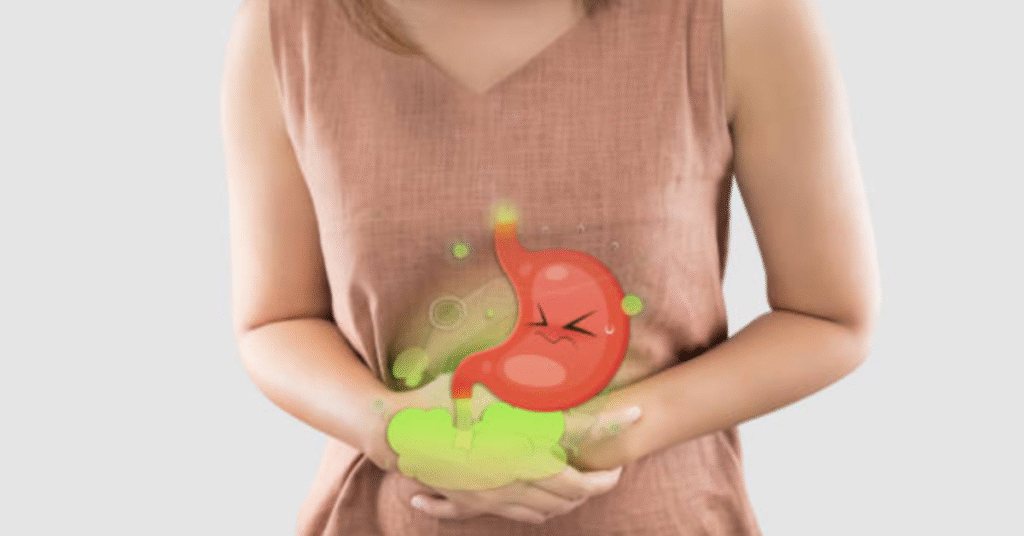
1. Digestive Issues
Digestive health plays a critical role in overall well-being, and issues such as bloating, gas, diarrhea, and constipation are common indicators of an imbalanced gut microbiome. These symptoms are often the result of disturbances in the populations and activities of gut bacteria, which can lead to improper digestion and absorption of nutrients. When the gut microbiome is in harmony, it aids in breaking down food and facilitating the absorption of essential nutrients. However, an imbalance can disrupt this process, causing various digestive issues.
Bloating is characterized by a feeling of fullness and can result from the overgrowth of certain bacteria that produce excessive gas when digesting food. This can lead to discomfort and a noticeable distension of the abdomen. Similarly, excessive gas is a common complaint associated with gut imbalances. When certain foods are not properly digested, they can ferment in the gut and produce gas, leading to feelings of discomfort, embarrassment, and affecting one’s quality of life.
Diarrhea and constipation are two more significant symptoms that signify gut disturbance. Diarrhea may occur due to an imbalance that allows harmful bacteria to proliferate in the gut, leading to inflammation and swift movement of food through the digestive tract. In contrast, constipation can arise from an inadequate amount of beneficial bacteria that results in slow gut motility, causing difficulty in bowel movements. These digestive issues not only cause immediate discomfort, but they can also have long-term implications for overall health, including nutrient deficiencies and a weakened immune system.
Addressing and rectifying gut health should involve a holistic approach aimed at restoring a balanced microbiome. By understanding the connection between these digestive issues and gut health, individuals can take proactive measures to improve their well-being.
2. Food Intolerances and Allergies
The relationship between gut health and food intolerances or allergies is increasingly recognized within the field of nutrition and wellness. A healthy gut plays a vital role in digestion and the overall absorption of nutrients, while an imbalance in gut microbiota can lead to adverse reactions to certain foods. When the gut is impaired, it may struggle to properly digest or process specific nutrients, leading to heightened sensitivity and allergic reactions.
Individuals experiencing food intolerances often report symptoms such as stomach cramps, bloating, gas, or diarrhea following the consumption of trigger foods. These reactions can arise from a compromised gut lining, which may become permeable, allowing undigested food particles to enter the bloodstream. Consequently, this can provoke an immune response, causing inflammation and discomfort that are characteristic of food sensitivities. In some cases, the gut’s imbalanced microbiome can alter how the body responds to certain foods, exacerbating allergic symptoms further.
Food allergies, on the other hand, typically involve an immediate immune system response to specific proteins found in foods. While underlying gut health issues can contribute to the worsening of these allergies, it is essential to differentiate between intolerances and allergies, as they entail different mechanisms and treatment approaches. Monitoring one’s diet and recognizing any adverse reactions can provide essential insights into potential food intolerances or allergies. Consulting a healthcare professional can help individuals obtain proper diagnosis and guidance to better manage their symptoms, including strategies to restore gut balance and improve overall wellbeing.
Ultimately, maintaining gut health is crucial for minimizing food intolerances and allergies. Adopting a balanced diet rich in prebiotics and probiotics, as well as limiting processed foods and sugars, can promote a healthier digestive system, reducing the likelihood of adverse food reactions.
3. Unintended Weight Changes
Gut health plays a crucial role in maintaining a balanced weight, significantly influencing how our bodies regulate metabolism and fat storage. The composition of gut bacteria affects numerous bodily functions, including digestion, the absorption of nutrients, and hormone production. A healthy gut microbiome contributes to optimal metabolic processes, while an imbalance in gut bacteria may lead to unintended weight changes, be it gain or loss.
Research suggests that specific strains of gut bacteria are linked to efficient energy extraction from food. When the balance of these bacteria is disturbed, it can result in the body becoming less efficient at managing calories and storing energy. This inefficiency may manifest as weight gain, as the body might store excess calories due to a slower metabolism or increased cravings for high-calorie foods spurred by hormonal shifts. These hormones, such as ghrelin and leptin, are heavily influenced by gut health and play a critical role in regulating appetite.
Conversely, an imbalance in gut health can also lead to weight loss. This can occur when gut bacteria are unable to extract sufficient nutrients from food, leading to malnutrition or decreased appetite. People suffering from gastrointestinal disorders may find it difficult to maintain weight because their bodies cannot absorb nutrients effectively, causing them to lose weight unintentionally.
Moreover, stress and inflammation, both of which can be exacerbated by poor gut health, may further complicate weight management. Individuals may experience altered eating habits during periods of gut dysbiosis (imbalance of gut bacteria), contributing to fluctuations in weight. Recognizing these potential signs is essential for addressing underlying gut health issues, which can ultimately aid in achieving and maintaining a healthy weight.
4. Fatigue and Sleep Disturbances
The relationship between gut health and sleep quality is a crucial aspect of overall well-being, yet it is often overlooked. Recent studies indicate that an imbalance in the gut microbiome can significantly affect energy levels and contribute to various sleep disturbances. The gut, often referred to as the “second brain,” plays a vital role in the production of neurotransmitters, particularly serotonin, which is essential for regulating mood and sleep. When the gut bacteria are compromised, this can hinder serotonin production, potentially leading to insomnia and excessive fatigue.
Moreover, gut disorders such as dysbiosis, which is the imbalance of gut bacteria, can trigger systemic inflammation. This inflammation can manifest as fatigue, making it difficult for individuals to fall asleep or stay asleep throughout the night. On top of that, conditions such as irritable bowel syndrome (IBS) are commonly linked to sleep disruptions. Many individuals who suffer from IBS report poor sleep quality, which in turn exacerbates their gastrointestinal symptoms. This cyclical nature of gut health and sleep disturbances highlights the importance of addressing gut-related issues to improve restorative sleep.
Furthermore, poor gut health can lead to suboptimal nutrient absorption, which may result in deficiencies that affect sleep quality. For example, insufficient magnesium or vitamin D may contribute to insomnia or frequent awakenings during the night. As gut health deteriorates, the body may struggle to achieve the restorative sleep necessary for physical and mental recovery. Therefore, maintaining a balanced gut microbiome is essential not only for gastrointestinal health but also for ensuring adequate energy levels and enhancing overall sleep quality.
5. Skin Complaints
The connection between gut health and skin conditions is becoming increasingly recognized in both medical and wellness communities. Skin complaints such as acne, eczema, and psoriasis can often indicate an imbalance in the gut microbiome. An unbalanced gut may lead to increased inflammation and the accumulation of toxins, which can ultimately manifest as various skin issues.
Research has shown that a compromised gut health can disrupt the natural barrier function of the skin. When the gut is not operating optimally, it may lead to a condition known as gut permeability, commonly referred to as “leaky gut.” This allows larger particles, including toxins and undigested food particles, to enter the bloodstream, provoking inflammatory responses that can surface as skin irritations, rashes, and acne outbreaks. As a result, individuals with skin complaints may benefit from addressing their gut health.
Moreover, inflammatory pathways are activated when the gut is imbalanced, leading to an overproduction of certain inflammatory markers. These markers can exacerbate existing skin conditions or even contribute to the emergence of new ones. For instance, individuals with eczema experience inflammation that can be intensified by gut imbalances. Nutritional deficiencies stemming from poor gut health can also influence skin vitality and resilience, further exacerbating issues like psoriasis, which depends on an adequately functioning immune system for management.
To improve both gut and skin health, incorporating a nutrient-rich diet, rich in probiotics and prebiotics, is essential. Fermented foods such as yogurt and kimchi may support the restoration of healthy gut bacteria, subsequently improving skin conditions. Overall, prioritizing gut health can be a beneficial strategy for addressing various skin complaints and enhancing overall well-being.
6. Autoimmune Conditions
The relationship between gut health and autoimmune diseases is a crucial area of research that highlights the complex interplay between the microbiome and the immune system. A healthy gut lining serves as a barrier that prevents harmful substances and pathogens from entering the bloodstream. However, when gut health is compromised, this barrier can become permeable, a condition often referred to as “leaky gut.” This permeability allows various toxins and undigested food particles to cross into the bloodstream, potentially triggering an inappropriate immune response.
Autoimmune conditions arise when the immune system mistakenly attacks the body’s own healthy cells. Disorders such as lupus and rheumatoid arthritis are characterized by this malfunction. Emerging evidence suggests that imbalances in gut microbiota can significantly influence these autoimmune responses. For instance, certain bacteria in the gut have been shown to play a role in modulating immune activity, while the absence of beneficial bacteria may lead to an overactive immune response. This imbalance can exacerbate inflammation, which is a common hallmark in many autoimmune diseases.
Moreover, individuals suffering from autoimmune conditions often report gastrointestinal issues, reinforcing the notion that gut health is intertwined with the pathology of these diseases. Dietary factors such as high sugar intake, gluten, and processed foods can further disrupt gut flora, contributing to the onset or worsening of autoimmune symptoms. Through dietary modifications aimed at restoring gut health, individuals may find relief and improved management of their autoimmune conditions.
Therefore, recognizing the signs of poor gut health can be imperative for those at risk of or currently managing autoimmune diseases. Understanding this connection underscores the importance of maintaining a balanced gut microbiome to support overall health and immune function.
7. Frequent Illness or Infections
Gut health is closely linked to the immune system, which serves as the body’s primary defense mechanism against pathogens, viruses, and other harmful invaders. The gut houses trillions of bacteria, forming a complex microbiome that plays a critical role in modulating immune responses. A balanced gut microbiome supports the production of antibodies and the functioning of immune cells, significantly contributing to overall health. Conversely, an imbalance in gut bacteria can disrupt this delicate relationship, leading to increased susceptibility to various illnesses and infections.
When gut bacteria are thriving, they help to prevent pathogens from colonizing in the intestines by competing for resources and producing substances that inhibit harmful bacteria. However, an imbalance—often caused by dietary factors, stress, or antibiotics—can lead to dysbiosis, a condition characterized by the overgrowth of harmful bacteria and a deficiency in beneficial ones. Such dysbiosis can impair the immune system’s ability to respond efficiently, leaving the body vulnerable to recurring infections.
Individuals with imbalanced gut health may notice they experience more frequent illnesses, such as colds, gastrointestinal infections, or even allergic reactions. They might also find it takes longer to recover from illnesses, as a weakened immune response hinders the body’s ability to heal. Furthermore, chronic inflammation stemming from an unhealthy gut can complicate recovery processes, prolonging symptoms and contributing to a cycle of repeated illnesses.
In managing gut health, it is crucial to incorporate a diet rich in fiber, probiotics, and prebiotics, which can help restore balance in gut bacteria and bolster the immune system. This, in turn, may significantly reduce the risk of frequent illness and enhance overall health. However, recognizing the gut’s impact on immune function can be the first step toward better health outcomes.
8. Mood Changes and Mental Health Issues
The connection between gut health and mental well-being is increasingly recognized and is often referred to as the gut-brain axis. This relationship highlights how the balance of microorganisms in the gut can significantly influence mental health outcomes, including anxiety and depression. The gut contains a vast number of neurons and an extensive microbiome that interact with the central nervous system, making it a key player in regulating mood and emotional states.
Research suggests that a healthy gut can enhance the production of neurotransmitters, chemicals that transmit signals in the brain. For instance, approximately 90% of the body’s serotonin, a neurotransmitter associated with mood stabilization and feelings of happiness, is produced in the gut. When gut health is compromised, such as through an imbalance of gut flora or an unhealthy diet, serotonin production may decrease, potentially leading to mood fluctuations and increased incidences of anxiety and depression.
Furthermore, chronic inflammation in the gut, often stemming from poor dietary choices, can exacerbate mental health issues. When the gut lining is damaged, inflammatory markers can enter the bloodstream and affect brain function, leading to symptoms such as depression and anxiety. Individuals experiencing mood changes, irritability, or heightened emotional responses may benefit from examining their gut health as a first step toward improving their overall mental well-being.
Incorporating probiotic-rich foods or supplements into one’s diet may aid in restoring balance to the gut microbiome, potentially alleviating symptoms associated with mood disorders. Maintaining a healthy gut through diet and lifestyle choices is therefore essential, not only for physical health but also for emotional balance and mental resilience.
9. Bad Breath and Bad Taste in Mouth
Oral health serves as a critical indicator of an individual’s overall gut health, reflecting potential imbalances in the gastrointestinal system. One of the more perplexing manifestations of digestive distress includes persistent bad breath, medically referred to as halitosis, as well as an unpleasant taste in the mouth. These symptoms can arise when the balance of bacteria in the gut becomes disrupted. A healthy gut microbiome is essential for effective digestion and nutritional absorption, while an imbalanced gut can lead to digestive issues that may permeate oral health.
Research indicates that poor gut health is closely associated with the production of volatile sulfur compounds, which can contribute to halitosis. When gut bacteria are disproportionate, particularly with an overgrowth of harmful bacteria, they may alter digestion. This imbalance not only affects how food is processed but can also result in the release of odorous gases that lead to bad breath. In many instances, individuals may notice that their breath remains unrefreshing despite regular oral hygiene practices and mouthwashes.
Moreover, an unpleasant taste in the mouth can signal an underlying issue with the gut microbiome. Conditions such as dysbiosis may result in incomplete digestion, leading to an accumulation of undesirable compounds in the digestive tract, which are subsequently reflected in oral taste sensations. This can be compounded by gastrointestinal reflux, where stomach acids flow back into the esophagus, generating further disruption in taste perception.
Addressing these oral symptoms may require a holistic approach that includes examining dietary habits, lifestyle factors, and overall gut health. Proper management and restoration of gut balance can potentially ameliorate symptoms of bad breath and unpleasant tastes. Therefore, awareness of oral indicators, such as bad breath, provides valuable insight into potential gut health issues that warrant further investigation.