
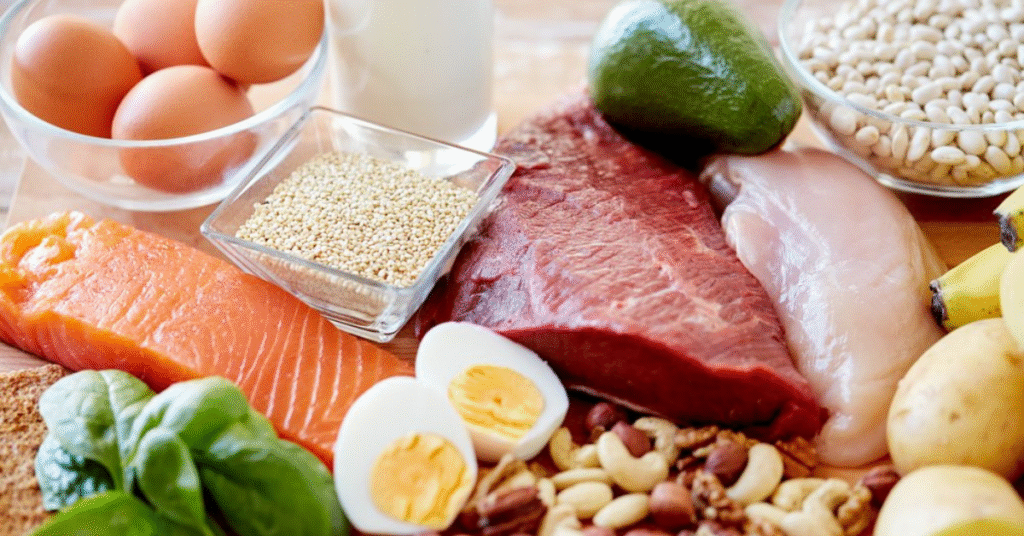
1. Eggs
Eggs are often hailed as a nutritional powerhouse, primarily due to their impressive protein content and array of essential nutrients. A single large egg typically contains about 6 grams of high-quality protein, making them an excellent addition to any diet focused on enhancing satiety. This protein is not only beneficial for building and repairing tissues but also plays a crucial role in hormone production and overall bodily functions.
In addition to their protein content, eggs are packed with vitamins and minerals. They are rich in B vitamins such as B12, riboflavin, and folate, which are vital for energy metabolism. Eggs also contain essential fatty acids and antioxidants, including lutein and zeaxanthin, which support eye health. Notably, the nutrient profile of eggs can vary slightly based on their preparation method, but they remain a consistently beneficial choice regardless of how they are cooked.
There are myriad ways to enjoy eggs, enabling versatility in meal planning for those looking to maximize protein intake. For breakfast, they can be scrambled, poached, or hard-boiled, each preparation offering a unique taste and texture. For a more elaborate dish, consider incorporating eggs into an omelet by adding vegetables, cheeses, or lean meats, which further enhance their nutritional value. Eggs can also serve as a protein-rich snack when paired with whole-grain toast or avocado, contributing to longer-lasting feelings of fullness throughout the day.
Due to their protein-dense nature, eggs can effectively curb hunger, making them a popular choice for weight management strategies. Incorporating eggs into regular meals can aid in maintaining energy levels while promoting satiety, allowing individuals to navigate their day without frequent cravings. Given their numerous benefits, eggs truly stand as a remarkable protein source suitable for anyone aiming to enjoy a balanced, nutritious diet.
2. Greek Yogurt
Greek yogurt has gained popularity as a nutritious, high-protein food that serves as an excellent option for those seeking to maintain satiety throughout the day. Unlike regular yogurt, Greek yogurt undergoes a straining process that removes excess whey, resulting in a thicker, creamier texture. This increased density not only contributes to its appealing mouthfeel but also boosts its protein content, often containing two times the amount of protein found in standard yogurt. This elevated protein level can help stave off hunger, making it a smart choice for those aiming to control their appetite.
The versatility of Greek yogurt is another factor that adds to its appeal. It can be enjoyed on its own or incorporated into a variety of recipes. For instance, it can serve as a base for smoothies, providing both creaminess and protein, or it can be used as a substitute for sour cream in dips and dressings, which enhances their nutritional profile. The incorporation of Greek yogurt into meals not only enriches flavors but also aids in achieving a balanced diet.
Moreover, enhancing Greek yogurt with fruits, nuts, or seeds can significantly elevate its nutritional value. Berries, for example, contribute antioxidants and vitamins, while nuts add healthy fats and additional protein. This combination not only makes the dish more satisfying but also provides essential nutrients that the body requires. Ultimately, Greek yogurt is not only a high-protein food but also a filling option that supports a healthy lifestyle, making it suitable for snacks or breakfast meals. Its creamy consistency and adaptability in various recipes make it a staple food for those seeking sustained energy without compromising on taste.
3. Quinoa
Quinoa, often referred to as a superfood, is a unique grain that stands out due to its status as a complete protein source. Unlike many other grains, quinoa contains all nine essential amino acids, making it an excellent choice for those who follow vegetarian or vegan diets. This property significantly enhances its nutritional profile, allowing individuals to obtain necessary proteins without relying on animal products. Its rich amino acid content not only supports muscle repair and growth but also plays a crucial role in overall health maintenance.
In addition to being a complete protein, quinoa is exceptionally high in fiber, containing about 5 grams per cooked cup. The presence of fiber aids in digestive health and contributes to a feeling of fullness, effectively curbing hunger throughout the day. This satiety factor is particularly beneficial for individuals aiming to manage their weight or those seeking to reduce their calorie intake without sacrificing nutrient quality.
Quinoa is versatile and can be easily integrated into various meals. It can serve as a base for salads, an alternative to rice or pasta, or as an ingredient in breakfast bowls mixed with fruits and nuts. For culinary enthusiasts, adding quinoa to soups and stews can enhance texture and nutritional content. Moreover, it can be used to create delicious quinoa patties or fritters, making it a staple in many modern diets.
For those looking to incorporate quinoa into their meals, preparing it is simple. Rinse the grains under cold water before cooking to remove its natural coating, called saponin, which can impart a bitter taste. Cook quinoa using two parts water to one part grain, bringing to a boil before reducing to a simmer until fluffy. This easy preparation method ensures that quinoa can be enjoyed regularly as a wholesome, high-protein food that promotes fullness and overall well-being.
4. Lentils
Lentils are increasingly recognized as a powerhouse of nutrition, being exceptionally high in protein and dietary fiber. These small legumes pack a significant punch when it comes to health benefits, making them an essential choice for those seeking to maintain a balanced diet. With approximately 18 grams of protein per cooked cup, lentils offer a plant-based protein source that can help satisfy hunger and keep you energized throughout the day.
One of the standout features of lentils is their low caloric density. They provide a fulfilling meal without excessive calories, which can be particularly beneficial for individuals looking to manage their weight. The combination of protein and dietary fiber increases the sensation of fullness, making it less likely to overeat later in the day. Furthermore, lentils are rich in essential nutrients such as iron, folate, and magnesium, which support overall health and well-being.
There are various cooking methods for lentils, ranging from simple boiling to integrating them into stews, salads, and even snacks. Green and brown lentils tend to hold their shape well, making them perfect for salads and side dishes, while red lentils cook down to a creamy texture, ideal for soups and purees. Incorporating lentils into your meals can be as straightforward as adding them to your favorite recipes, thus enhancing nutritional value effortlessly.
Regular consumption of lentils not only contributes to dietary variety but also promotes digestive health due to their high fiber content. They foster a healthy gut microbiome and regulate blood sugar levels, making them suitable for those managing diabetes. Thus, lentils should be considered a staple in your diet, providing a strong foundation for meals that keep you full and satisfied all day long.
5. Chicken Breast
Chicken breast is often lauded as one of the leanest sources of protein available, making it a fundamental component in numerous nutrition plans aimed at promoting satiety and enhancing overall health. With minimal fat content, a single serving of chicken breast provides an impressive amount of protein, typically around 26 grams per 3-ounce portion. This high protein content is instrumental in regulating hunger and helping to maintain a feeling of fullness throughout the day.
One of the key benefits of chicken breast is its culinary versatility. It can be prepared in a multitude of ways, tailored to individual tastes and dietary needs. Whether grilled, baked, sautéed, or poached, the adaptability of chicken breast allows it to soak up various flavors, making it a delightful addition to various dishes. By using marinades or spices, one can significantly enhance the flavor profile of chicken breast, ensuring that it remains an appealing option even for those consuming it regularly.
To maximize the tenderness and flavor of chicken breast, it is essential to employ proper cooking techniques. For instance, brining the chicken prior to cooking can lead to juicier results, as it helps the meat retain moisture. Additionally, cooking the chicken at a lower temperature can prevent it from drying out, resulting in a more enjoyable dining experience. Incorporating vegetables or whole grains into chicken breast dishes can provide additional nutrients and fiber, further enhancing the meal’s satiety. Consequently, chicken breast emerges not only as a lean protein choice but also as a flavorful and fulfilling ingredient that supports dietary goals.
6. Cottage Cheese
Cottage cheese is an excellent high-protein food that stands out for its versatility and rich nutritional profile. With its remarkable protein content, cottage cheese serves as a satisfying snack choice, making it an ideal option for individuals aiming to manage their hunger throughout the day. Typically composed of 28 grams of protein per cup, cottage cheese can effectively support muscle repair, promote satiety, and curb unwanted snacking.
One of the reasons cottage cheese has gained popularity is its adaptability in various culinary applications. It can be enjoyed in both sweet and savory dishes, seamlessly integrating into breakfast, lunch, or dinner menus. When mixed with fruits such as berries, peaches, or pineapple, it creates a refreshing and nutrient-dense snack. Alternatively, combining cottage cheese with nuts, seeds, or granola enhances its flavor and adds healthy fats for sustained energy. For savory options, incorporating herbs, spices, or vegetables like tomatoes and cucumbers can transform it into a flavorful spread or salad topping.
In addition to being a protein powerhouse, cottage cheese offers several health benefits. It is low in fat and calories, which makes it an excellent option for those looking to maintain or lose weight. The presence of calcium in cottage cheese is beneficial for bone health, and its probiotics can support gut health. Furthermore, the combination of protein and low carbohydrates in cottage cheese can lead to improved blood sugar control, making it suitable for insulin management.
Incorporating cottage cheese into a balanced diet is simple and requires minimal preparation. Whether enjoyed on its own, incorporated into recipes, or used as a base for traditional dips, cottage cheese stands out as a nourishing, high-protein snack that effectively keeps hunger at bay.
7. Almonds
Almonds are often celebrated for their impressive nutritional profile, particularly their high protein content. A one-ounce serving, which is about 23 almonds, contains approximately 6 grams of protein. This makes them an ideal choice for individuals seeking to increase their protein intake in a natural and nutritious manner. Additionally, almonds are rich in healthy monounsaturated fats and dietary fiber, which further enhance their ability to promote satiety. The combination of protein, fat, and fiber helps keep hunger at bay, ensuring greater sustained energy throughout the day.
When considering portion sizes, moderation is key. While almonds are nutrient-dense, their calorie content should be taken into account. A standard serving of almonds can easily fit into a balanced diet and serves as a convenient snack option. For those looking to incorporate almonds into meals, they can be added to salads for an added crunch, blended into smoothies for a protein boost, or included in baked goods to enhance flavor and nutrition.
Moreover, almonds can be enjoyed in various forms, such as almond butter, almond milk, or even as almond flour for gluten-free baking alternatives. The versatility of almonds makes it easy to incorporate them into a range of dishes, satisfying both taste and nutritional requirements. As a high-protein food that provides essential nutrients, almonds can play a crucial role in not only maintaining fullness but also supporting overall health and wellness.
In conclusion, almonds are a highly effective approach to increasing protein intake while promoting feelings of fullness. Their healthy fats and fiber make them an excellent snack choice, allowing for easy integration into any meal plan.
8. Salmon
Salmon is widely recognized as one of the best high-protein foods, offering a significant dose of essential nutrients that contribute to overall health. This fatty fish is not only rich in protein but also packed with omega-3 fatty acids, which play a vital role in heart health, brain function, and reducing inflammation. The protein content in salmon is particularly beneficial for maintaining muscle mass, promoting feelings of fullness, and aiding in weight management.
Incorporating salmon into your diet can have numerous health advantages. The omega-3 fatty acids found in salmon, specifically EPA and DHA, are known to support cardiovascular health by lowering triglycerides and blood pressure. Moreover, regular consumption of these healthy fats has been linked to improved mood regulation, which is crucial for mental well-being. The antioxidant properties of salmon also help combat oxidative stress, making it a powerhouse in promoting overall health.
When it comes to preparation techniques, salmon is incredibly versatile. It can be grilled, baked, broiled, or pan-seared, allowing for various cooking styles to suit individual preferences. For those seeking quick and easy meal solutions, baked salmon with a drizzle of lemon juice and a sprinkle of fresh herbs can make for a delicious and nutritious dinner. Additionally, incorporating salmon into salads or grain bowls can enhance both the taste and nutrient density of the meal.
For culinary experimentation, consider recipes such as salmon patties, which can be paired with whole-grain buns, or smoked salmon on whole-grain toast with avocado, providing a satisfying and wholesome breakfast or snack option. Overall, incorporating salmon into your dietary regimen not only enriches your protein intake but also delivers a multitude of health benefits that support long-term wellness.
9. Tofu
Tofu, often referred to as bean curd, is a high-protein, plant-based food derived from soybeans. It is a staple in many vegetarian and vegan diets due to its impressive nutritional profile. With approximately 8 grams of protein per 100 grams, tofu serves as an excellent protein source that can help individuals meet their daily protein requirements. Furthermore, it is low in calories and contains healthy fats, making it a favored choice for those looking to maintain a balanced diet while feeling satiated.
Beyond its nutritional benefits, one of the standout features of tofu is its versatility in cooking. It can be incorporated into a wide range of dishes, from stir-fries and salads to soups and smoothies. The texture of tofu can also vary depending on how it is prepared, with options available such as silken, soft, firm, and extra-firm. Each type lends itself well to different culinary applications. For instance, silken tofu is ideal for blending into creamy dressings or desserts, while firm and extra-firm tofu can be diced and grilled or sautéed to create a crisp, golden exterior.
To maximize flavor and texture when preparing tofu, there are a few tips worth considering. First, pressing tofu before cooking can help remove excess moisture, allowing it to absorb marinades more effectively. Marinating tofu for at least 30 minutes prior to cooking enhances its flavor immensely. Additionally, cooking methods such as frying, baking, or grilling can create a satisfying texture, providing a savory experience that rivals meat-based dishes. Altogether, these techniques help transform tofu into a delicious, high-protein meal option that will keep you full throughout the day.
10. Chia Seeds
Chia seeds, despite their small size, are packed with an impressive nutritional profile that makes them a powerful addition to any diet. These tiny seeds are not only rich in protein but are also abundant in dietary fiber and omega-3 fatty acids. The high protein content of chia seeds is particularly beneficial for individuals looking to maintain muscle mass and enhance satiety, making them a perfect food choice for anyone focused on managing their weight or improving their overall well-being.
One of the standout characteristics of chia seeds is their unique ability to absorb water and expand significantly. When soaked, they can absorb up to 12 times their weight in liquid, forming a gel-like consistency. This property not only contributes to their versatility in various dishes but also enhances their satiating effect. When consumed, chia seeds can help slow down digestion, prolonging the feeling of fullness and regulating appetite throughout the day.
Incorporating chia seeds into your meals is quite simple and can be achieved in numerous delicious ways. For instance, chia seed pudding is a popular choice; by mixing chia seeds with milk or a dairy alternative, along with sweeteners and flavors, you can create a creamy, nutritious dessert or breakfast option. Smoothies are another excellent way to add chia seeds to your diet. Simply blend them into your favorite smoothie recipe to increase the protein and fiber content without altering the flavor significantly.
Additionally, chia seeds can serve as a crunchy topping for yogurt, oatmeal, or salads, enhancing both nutrient density and texture. They can also be used in baked goods, providing an additional protein boost. By diversifying how you use chia seeds, you can seamlessly include this mighty superfood into your daily meals, benefiting from its fullness-promoting properties and nourishing qualities.