
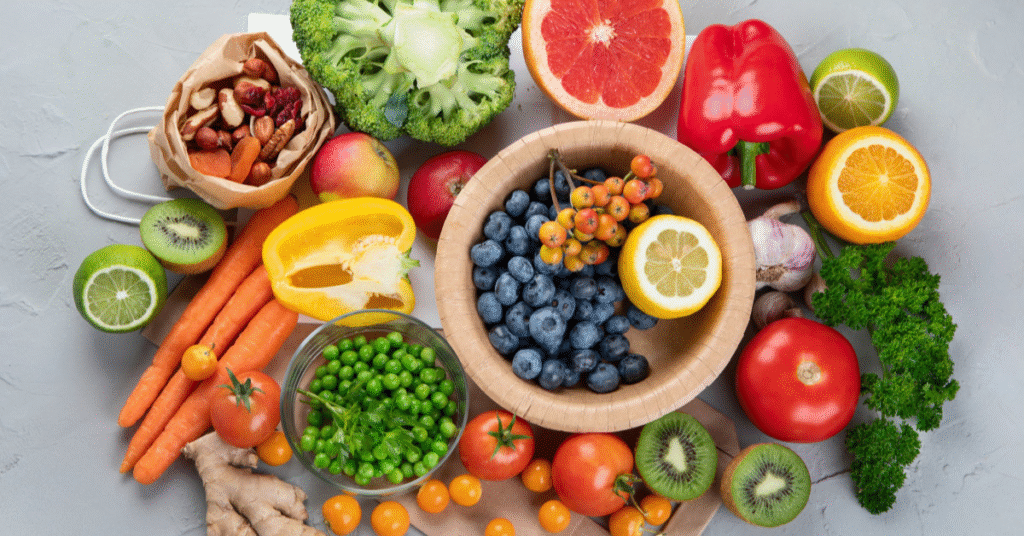
1. Citrus Fruits
Citrus fruits, including oranges, grapefruits, lemons, and limes, are well-known for their high vitamin C content, a nutrient crucial for supporting the immune system. Vitamin C plays an instrumental role in the production and functioning of white blood cells, which are essential for combating infections and maintaining overall health. These white blood cells are the body’s primary defense mechanisms against pathogens, making increased vitamin C intake a vital component of a robust immune response.
Moreover, citrus fruits contain flavonoids, which are potent antioxidants that help to reduce inflammation and act as natural anti-inflammatory agents. These compounds assist in lessening the body’s oxidative stress, thus benefiting the immune system further. In addition to vitamin C and flavonoids, citrus fruits are rich in other beneficial vitamins and minerals such as potassium, folate, and various B vitamins, which play supportive roles in the immune function and body metabolism.
Incorporating citrus fruits into one’s diet can be both easy and delicious. For breakfast, consider a refreshing glass of freshly squeezed orange juice or add grapefruit segments to your yogurt or cereal. For lunch, citrus can enhance salads and provide a flavorful dressing; for example, a lemon vinaigrette adds a bright note to leafy greens. Snacks can include whole fruits, citrus-infused smoothies, or even citrus zest added to baked goods. By integrating these fruits into meals and snacks, individuals can enjoy their delectable taste while effectively enhancing their nutrient intake.
Overall, the consumption of citrus fruits serves as a simple yet effective strategy to bolster the immune system, providing not only a significant dose of vitamin C but also a rich array of additional compounds that contribute to overall well-being.
2. Red Bell Peppers
Red bell peppers are often overlooked in discussions about immune-boosting foods, yet they offer a wealth of nutritional benefits that can significantly enhance the body’s defenses. These vibrant vegetables are renowned for their exceptionally high vitamin C content, which not only plays a crucial role in strengthening the immune system but also aids in the absorption of iron and the production of collagen. Interestingly, red bell peppers contain more vitamin C than many citrus fruits, making them an indispensable part of a health-conscious diet.
Additionally, red bell peppers are a rich source of beta-carotene, which the body converts into vitamin A. This nutrient is vital for maintaining healthy skin and mucous membranes, which serve as the body’s first line of defense against pathogens. Furthermore, red bell peppers are packed with various antioxidants, including flavonoids and phenolic acids, which help combat oxidative stress, potentially reducing the risk of chronic diseases.
Incorporating red bell peppers into your diet can be both simple and delightful. They can be consumed raw in salads, where their sweet and crunchy texture adds a fresh dimension. For those who prefer cooked dishes, red bell peppers can be sautéed, roasted, or stuffed, providing a versatile ingredient that complements a wide range of recipes. Grilling red bell peppers not only enhances their flavor but also preserves many of their nutrients. To maximize their immune-supporting benefits, consider pairing red bell peppers with healthy fats, such as olive oil or avocados, to aid in the absorption of fat-soluble vitamins.
In summary, red bell peppers are a powerhouse of nutrients that effectively strengthen the immune system while providing various other health benefits. By including these colorful vegetables in your meals, you can help support your body’s natural defenses and promote overall well-being.
3. Broccoli
Broccoli is widely recognized as a nutrient powerhouse, offering a multitude of vitamins and minerals that significantly contribute to immune function. This cruciferous vegetable is rich in vitamins A, C, and E, each playing a crucial role in maintaining a robust immune system. Vitamin C, for instance, is essential for the growth and function of immune cells, acting as a powerful antioxidant that protects the body against the damaging effects of free radicals. Vitamin A is involved in the production of white blood cells, which are critical for defending against infections, while vitamin E bolsters immune response and aids in cellular communication.
In addition to vitamins, broccoli is a good source of dietary fiber, which promotes digestive health and facilitates the absorption of nutrients necessary for a well-functioning immune system. Furthermore, it is laden with a variety of antioxidants, including sulforaphane, which has been found to enhance the body’s defenses against pathogens and reduce inflammation. These compounds collectively support the body’s ability to fight off illnesses effectively.
When incorporating broccoli into your diet, it is important to consider cooking methods that preserve its beneficial properties. Steaming is one of the best ways to retain both nutrients and flavor, as boiling can lead to a significant loss of vital vitamins. Lightly sautéing or roasting broccoli can also enhance its taste while maintaining its immune-supporting qualities. For optimal benefits, aim to include this versatile vegetable in salads, stir-fries, or as a side dish, making it a staple in your balanced diet. By prioritizing the consumption of broccoli, individuals can effectively enhance their overall health and strengthen their immune response during challenging health periods.
4. Garlic
Garlic, scientifically known as Allium sativum, has been revered for centuries not only as a culinary ingredient but also for its medicinal properties. One of the most notable compounds found in garlic is allicin, which is produced when garlic is chopped, crushed, or chewed. This compound is primarily responsible for garlic’s distinct flavor and aroma, as well as its numerous health benefits, particularly in relation to the immune system. Allicin possesses antioxidant, antibacterial, and antiviral properties, which can collectively contribute to strengthening the body’s defense mechanisms.
Research indicates that garlic enhances the function of white blood cells, which play a crucial role in the immune response. White blood cells identify and eliminate pathogens, making their proper functioning essential for maintaining overall health. By incorporating garlic into one’s diet, individuals may experience an improvement in their immune response, potentially reducing the risk of infections and illnesses. Furthermore, garlic is thought to stimulate the production of certain immune cells, such as macrophages, which further fortifies the body’s defense against pathogens.
In practical terms, there are numerous ways to incorporate garlic into daily meals. Fresh garlic can be added to soups, sauces, and stir-fries, while roasted garlic can serve as a flavorful spread for bread or vegetables. Furthermore, garlic supplements are available for those who wish to enhance their immune health without the strong taste of raw garlic. In addition to its immune-supporting properties, garlic has been associated with a range of other health benefits, including improved cardiovascular health and potential anti-cancer effects, making it a valuable addition to any diet.
5. Ginger
Ginger, a root widely used in culinary traditions around the world, has garnered attention for its numerous health benefits, particularly its role in bolstering immune health. Its impressive bioactive compounds, such as gingerol, shogaol, and zingerone, are known for their potent anti-inflammatory and antioxidant properties, which can help protect the body from various diseases and promote overall wellness. These compounds contribute to the body’s ability to fend off pathogens, making ginger a valuable addition to any diet focused on strengthening the immune system.
One of the most notable benefits of ginger is its effectiveness in alleviating symptoms associated with common colds and flu. By boosting the body’s antioxidant defenses, ginger helps combat oxidative stress caused by free radicals, which can impair immune function. Additionally, its anti-inflammatory properties reduce sore throats and promote respiratory health, thereby supporting the body’s natural defenses against illness.
Incorporating ginger into your daily routine can be both simple and enjoyable. Fresh ginger can be sliced and added to a variety of dishes, enhancing flavors while delivering health benefits. For a soothing drink, steep freshly grated ginger in hot water to create a nutritious ginger tea; this is especially beneficial when feeling under the weather. Furthermore, ginger can be blended into smoothies or incorporated into stir-fries and soups, showcasing its versatility across various cuisines.
Additionally, ginger can be consumed in powdered form, allowing for easy addition to baking recipes or as a spice in savory dishes. Supplements containing ginger extract are also available, providing an alternative avenue for those looking to harness its immune-boosting potential. By embracing ginger as a regular component of one’s diet, individuals can better equip their bodies to face seasonal ailments and enhance overall immunity.
6. Spinach
Spinach is widely recognized as a powerhouse of nutrients, particularly for its high vitamin C content. This essential vitamin plays a critical role in the functioning of the immune system by stimulating the production of white blood cells, which are vital for fighting off infections. Furthermore, spinach is rich in antioxidants and beta carotene, compounds that aid in combating oxidative stress and inflammation within the body. These components collectively support immune health, making spinach an excellent addition to any diet aimed at strengthening the immune system.
The various nutrients found in spinach work synergistically to bolster your body’s defenses. Vitamin C not only enhances the immune response but also serves to regenerate other antioxidants, thereby amplifying their benefits. Antioxidants present in spinach neutralize harmful free radicals, which can compromise immune function and overall health. The beta carotene in spinach further supports immune health by promoting the integrity of skin and mucosal barriers, the first lines of defense against pathogens.
Incorporating spinach into your meals can be both enjoyable and nutritious. To preserve its rich nutrient profile, cooking methods such as steaming or sautéing are recommended, as these methods minimize nutrient loss compared to boiling. For instance, steaming spinach for just a few minutes can retain most of its vitamins and minerals. Additionally, adding spinach to smoothies, salads, or omelets can enhance the nutritional quality of those dishes. Its mild flavor allows it to pair well with a variety of ingredients, making it easy to integrate spinach into daily meals and ensuring you reap its immune-boosting benefits.
7. Yogurt
Yogurt is widely lauded for its health benefits, particularly in relation to gut health and its integral role in supporting the immune system. The presence of probiotics, or beneficial bacteria, in yogurt is a key factor in bolstering immune responses. These probiotics can enhance the balance of gut microbiota, which is paramount for maintaining overall health. A healthy gut contributes to an effective immune system by helping to regulate inflammation and enhance the body’s ability to fend off pathogens.
Research indicates that probiotics may stimulate the production of antibodies and activate immune cells like macrophages and T lymphocytes, which are crucial for neutralizing pathogens. Furthermore, a well-functioning gastrointestinal tract ensures optimal nutrient absorption, including vitamins and minerals that are vital for immune health. By promoting a diversity of gut microbiota, yogurt can play a pivotal role in developing a strong immune defense.
When choosing yogurt, it is essential to select varieties that contain live and active cultures. Look for labels that specify non-fat, low-fat, or whole-milk options without excessive added sugars. Greek yogurt is also an excellent choice, as it is typically higher in protein and lower in carbohydrates, contributing further to its health benefits. To incorporate yogurt into your diet creatively, consider blending it into smoothies, incorporating it into dressings or marinades, or using it as a base for delicious parfaits topped with fruits and nuts.
Ultimately, yogurt can be both a nutritious snack and a versatile ingredient in numerous recipes, providing a delicious way to reap the benefits of probiotics. By integrating this probiotic-rich food into your daily meals, you can support your gut health and, consequently, strengthen your immune system.