
1. Oats
Oats are an exceptionally nutritious whole grain that offers various health benefits, particularly in relation to cholesterol management. Rich in soluble fiber, oats specifically contain beta-glucan, a compound that has been scientifically proven to lower low-density lipoprotein (LDL) cholesterol, often referred to as “bad” cholesterol. When ingested, beta-glucan forms a gel-like substance in the gut that binds to cholesterol and bile acids, facilitating their excretion from the body. This process ultimately leads to a decrease in total cholesterol levels, making oats a beneficial addition to a heart-healthy diet.
Incorporating oats into your daily meal plan is not only easy but also versatile. For breakfast, consider substituting traditional cereals with oatmeal. A warm bowl of steel-cut or rolled oats topped with fresh fruits, nuts, or a drizzle of honey provides a hearty and satisfying start to your day. Another option is overnight oats, where you can soak oats in milk or plant-based alternatives overnight, allowing flavors and nutrients to meld while saving time in the morning. This can be customized with various toppings, such as chia seeds, yogurt, or nut butters.
Snacks can also be a great opportunity to enjoy oats. Homemade oat bars or energy bites—simple mixtures of oats, honey, and nut butter—can serve as nutritious snacks that help maintain energy levels and control hunger between meals. Baking with oats can introduce additional flavors and nutrients, such as oatmeal cookies or granola, which can be enjoyed in moderation.
In conclusion, the integration of oats into your diet represents a beneficial strategy for managing cholesterol levels, primarily due to their high soluble fiber content. Exploring creative ways to consume oats not only enhances dietary variety but also contributes significantly to overall heart health.
2. Barley and Other Whole Grains
Barley, along with various other whole grains, plays a significant role in supporting heart health, particularly by reducing cholesterol levels. Whole grains, as opposed to refined grains, retain their bran and germ, ensuring that they are rich in essential nutrients and dietary fiber. Among the numerous types of whole grains, barley stands out due to its high soluble fiber content, which has been shown to effectively lower low-density lipoprotein (LDL) cholesterol, commonly referred to as “bad” cholesterol.
In addition to barley, whole grains such as oats, quinoa, brown rice, and whole wheat provide similar benefits. These grains are not only beneficial for cholesterol management, but they also offer a plethora of other health advantages, such as improved digestion and stable blood sugar levels. The recommended daily intake of whole grains varies by individual dietary needs, but it is generally suggested that at least half of the grains consumed each day should be whole grains. This translates to about 3 to 5 servings of whole grains for most adults, contributing significantly to the overall fiber intake required for optimal health.
Incorporating whole grains into everyday meals can be quite simple and rewarding. Consider starting the day with a bowl of oatmeal or adding barley to soups and stews for added texture and nutrition. Whole wheat bread can replace refined bread in sandwiches, while brown rice can serve as a nutritious base for various dishes. Quinoa can be used as a salad topper or as an alternative to pasta. Utilizing a variety of whole grains not only helps in achieving cholesterol-lowering goals but also enhances the overall diversity and flavor of meals, making healthy eating a more enjoyable endeavor.
3. Nuts
Nuts have gained recognition as a powerhouse food for those looking to reduce cholesterol levels. Almonds and walnuts, in particular, are notable for their composition, which includes healthy fats, dietary fiber, and plant sterols. These nutrients work synergistically to support heart health by lowering low-density lipoprotein (LDL), commonly referred to as “bad” cholesterol. The consumption of nuts can thus play a pivotal role in managing cholesterol levels and overall cardiovascular health.
Almonds are particularly beneficial, as they are rich in monounsaturated fats and vitamin E, which have been shown to reduce cholesterol levels significantly. A handful of about 1 ounce, or approximately 23 almonds, is generally recommended as a daily serving. This portion provides not only essential nutrients but also aids in satiety, making it easier to resist unhealthy snacking. Walnuts, on the other hand, are notably high in omega-3 fatty acids, which contribute to lowering triglyceride levels, further enhancing cardiovascular health. A similar serving size of 1 ounce, equivalent to about 14 walnut halves, offers exceptional health benefits.
Incorporating nuts into your diet can be quite versatile. They can be enjoyed on their own as a quick snack or added to various dishes. For example, tossing crushed nuts onto salads can provide a delightful crunch while boosting nutrient intake. They can also be mixed into oatmeal, yogurt, or smoothies for added texture and flavor. Alternatively, creating homemade nut butter allows for a spreadable option that can be enjoyed on whole-grain bread, contributing further to cholesterol regulation.
By integrating nuts into one’s daily dietary regimen, individuals can effectively harness their cholesterol-lowering properties while enhancing the nutritional profile of their meals.
4. Fatty Fish
Fatty fish such as salmon, mackerel, sardines, and trout are renowned for their high content of omega-3 fatty acids, which play a pivotal role in reducing cholesterol levels and promoting overall heart health. The primary omega-3 fatty acids found in these fish include eicosapentaenoic acid (EPA) and docosahexaenoic acid (DHA). These beneficial fats have been shown to lower triglyceride levels in the bloodstream, a key factor in maintaining a healthy cardiovascular system. Regular consumption of omega-3-rich fish can contribute to reducing cholesterol, preventing arterial plaque buildup, and minimizing the risks of heart-related diseases.
To optimize the health benefits of fatty fish, it is recommended to include these varieties in your diet at least twice a week. Salmon is particularly noted for its versatility and rich flavor, while mackerel offers a more robust taste. Sardines, being smaller in size, are often praised for their high nutrient density and ease of preparation. When selecting fish, fresh or frozen options are advisable; both retain the beneficial omega-3 fatty acids effectively. It is important to be cautious of the source, aiming for sustainably sourced fish to support environmental health.
When it comes to cooking, incorporating fatty fish into your meals can be both nutritious and enjoyable. Simple preparation methods such as grilling, baking, or pan-searing can enhance the natural flavors without compromising their health benefits. Additionally, experimenting with herbs, spices, and citrus can elevate the dish while keeping it heart-healthy. By integrating fatty fish into your regular meal plan, you can savor delicious flavors while actively working to reduce your cholesterol levels and improve your overall well-being.
5. Olive Oil
Olive oil, particularly extra virgin olive oil, has garnered attention for its potential health benefits, especially in the context of cholesterol management. The primary mechanism through which olive oil aids in reducing cholesterol levels is its rich content of monounsaturated fats. Unlike saturated fats found in many animal-based products, monounsaturated fats can help lower levels of low-density lipoprotein (LDL), often referred to as “bad” cholesterol. This transition not only promotes heart health but also facilitates a better balance between HDL (high-density lipoprotein, or “good” cholesterol) and LDL in the bloodstream.
Incorporating olive oil into one’s diet can be relatively straightforward. It is advisable to replace saturated fat sources, such as butter and margarine, with olive oil in cooking and food preparations. For instance, it can be effectively used for sautéing vegetables, drizzling on salads, and even baking. When heated, it’s important to note that extra virgin olive oil has a high smoke point, making it suitable for various cooking methods without losing its beneficial properties. Additionally, cold-pressed olive oil retains more antioxidants and anti-inflammatory compounds, enhancing its health benefits.
There are numerous recipes that celebrate olive oil as a fundamental ingredient. For a refreshing summer salad, mix fresh greens, cherry tomatoes, cucumbers, and a generous drizzle of olive oil, lemon juice, salt, and pepper to taste. For a hearty dish, roasted vegetables such as bell peppers, zucchini, and carrots can be tossed in olive oil and herbs before being roasted to perfection. These dishes not only highlight the versatility of olive oil but also align with a heart-healthy lifestyle focused on reducing cholesterol levels.
6. Avocados
Avocados, often regarded as a superfood, are nutrient-dense fruits that offer a variety of health benefits, particularly in managing cholesterol levels. Rich in monounsaturated fats, avocados can help lower low-density lipoprotein (LDL) cholesterol, often referred to as “bad” cholesterol. These healthy fats not only contribute to heart health but also help provide a feeling of fullness, which can promote healthier eating habits. In addition to healthy fats, avocados are packed with vitamins, minerals, and fiber, all of which are essential for overall well-being.
Incorporating avocados into your diet can be both simple and enjoyable. One of the most popular methods is through guacamole, a tasty dip that can be paired with whole-grain tortillas or fresh vegetables. Another creative way is to slice avocados and add them to salads, sandwiches, or wraps for an extra creamy texture. For breakfast, avocados can be mashed on whole-grain toast, topped with poached eggs or tomatoes, providing a nutritious start to the day. Additionally, they can be blended into smoothies for a creamy consistency while boosting nutrient intake.
When selecting avocados, it is essential to choose ones that are firm but yield slightly to gentle pressure, indicating ripeness. Avoid avocados with dark blemishes or overly soft spots, as these may indicate spoilage. After purchasing, avocados can be stored at room temperature to ripen. Once ripe, they can be placed in the refrigerator to extend their shelf life. By understanding how to select and store avocados, you can maximize their health benefits and ensure that they remain a staple in your heart-healthy diet.
7. Beans and Legumes
Beans and legumes encompass a wide variety of edible seeds, including lentils, chickpeas, black beans, kidney beans, and various types of peas. They are celebrated for their impressive nutritional profile, particularly their high fiber content. Dietary fiber plays a crucial role in reducing cholesterol levels; it binds with bile acids in the digestive system, which in turn lowers overall cholesterol levels in the bloodstream. Consuming beans and legumes not only enhances heart health but also contributes to improved digestion and sustained energy levels.
The cholesterol-lowering properties of beans can be attributed to both their soluble and insoluble fiber content. Soluble fiber, found in considerable amounts in beans, helps reduce low-density lipoprotein (LDL), commonly referred to as “bad cholesterol.” This effect is significant for individuals seeking to lower their cholesterol levels and minimize cardiovascular risks. Moreover, beans are high in protein yet low in saturated fat, making them an excellent meat substitute for vegetarians and vegans, which further supports healthy cholesterol management.
Incorporating beans and legumes into your diet can be both enjoyable and versatile. They can be added to salads for a nutritious crunch, included in soups for a hearty meal, or blended into dips such as hummus for a healthy snack. Recipes that feature beans, such as chili, bean burritos, or lentil stew, not only make for filling dishes but also support a heart-healthy dietary approach. By exploring different types of beans and legumes and their various cooking methods, individuals can effortlessly include these nutritional powerhouses in their meals, boosting their health and reducing cholesterol levels over time.
8. Fruits and Vegetables
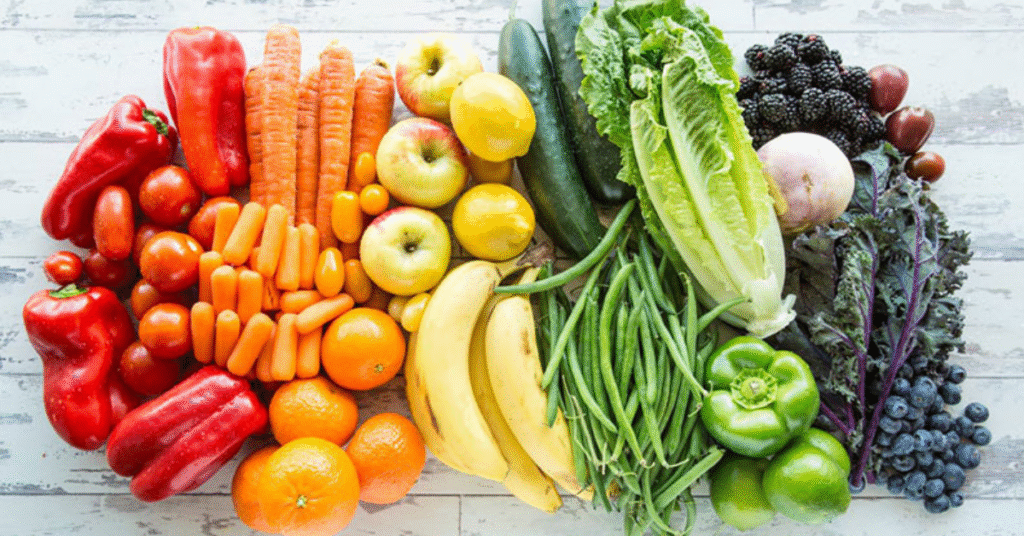
Incorporating fruits and vegetables into your daily diet is vital for maintaining heart health, particularly in lowering cholesterol levels. Various studies have indicated that these food groups are rich in antioxidants, vitamins, and dietary fiber, which collectively contribute to cardiovascular well-being. Specifically, certain fruits and vegetables have been shown to have a pronounced effect on reducing low-density lipoprotein (LDL) cholesterol, commonly referred to as “bad” cholesterol.
Among the most effective fruits for cholesterol reduction are apples and citrus fruits, such as oranges and grapefruits. Apples are high in pectin, a type of soluble fiber known to bind cholesterol and help eliminate it from the body. Citrus fruits are also excellent sources of soluble fiber, as well as vitamin C, which can further support heart health. Additionally, berries—especially strawberries and blueberries—contain high levels of antioxidants that combat inflammation and support overall vascular function.
In terms of vegetables, leafy greens such as spinach and kale are beneficial due to their high fiber content and phytonutrients. These vegetables can help reduce cholesterol absorption in the bloodstream. Cruciferous vegetables like broccoli and Brussels sprouts are also effective, as they contain sulforaphane, which may improve cholesterol metabolism. Incorporating these foods into your meals can be simple; for instance, adding spinach to morning smoothies or preparing a colorful salad with mixed greens and a variety of vegetables enhances both flavor and nutritional value.
For those seeking to make healthier snacking choices, consider keeping fresh fruits and cut vegetables readily available. These nutrient-dense options not only satisfy cravings but also promote cholesterol-lowering effects when consumed regularly. By focusing on a diet rich in fruits and vegetables, individuals can take proactive steps toward managing their cholesterol levels and improving their overall heart health.