
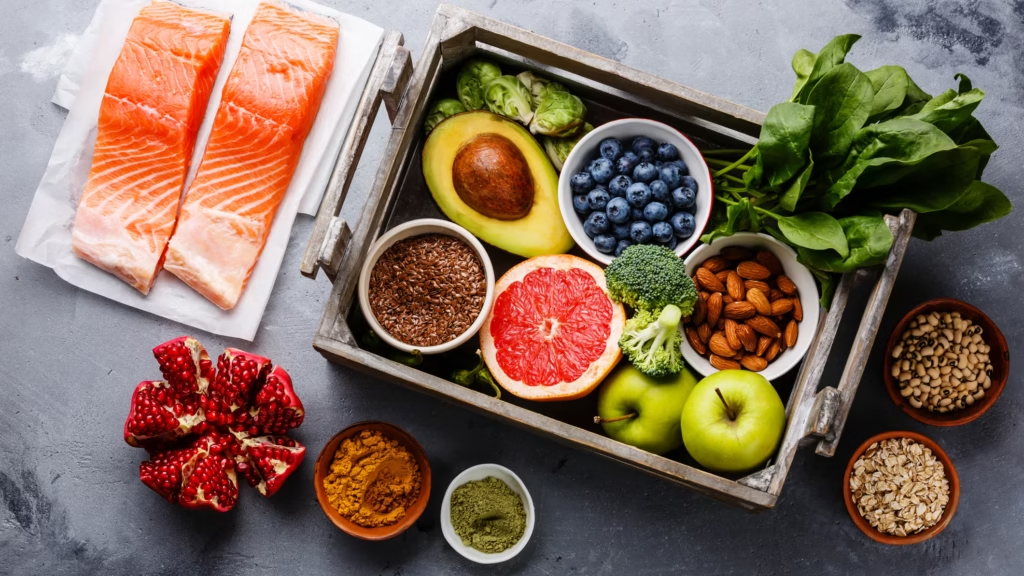
1. Avocado
Avocado is a nutrient-dense fruit that has gained considerable attention for its ability to support blood sugar balance. One of the key factors attributed to this capability is its high content of healthy fats, particularly monounsaturated fats. These fats are known to be beneficial for heart health, and they also contribute to a low glycemic index. A low glycemic index indicates that avocados have minimal impact on blood glucose levels, making them an excellent choice for individuals looking to maintain stable blood sugar.
In addition to healthy fats, avocados are an excellent source of dietary fiber. Fiber plays a vital role in digestion, as it helps slow down carbohydrate absorption in the bloodstream. This gradual release of glucose can prevent spikes in blood sugar levels, promoting more even energy throughout the day. For individuals with insulin sensitivity or those managing diabetes, integrating avocados into the diet may prove advantageous in regulating blood sugar more effectively.
Moreover, avocados are packed with essential nutrients that enhance their overall health benefits. For instance, they are rich in potassium, an important mineral that aids in maintaining proper heart function and regulating blood pressure. The presence of antioxidants, vitamins E, K, and B-vitamins further contribute to their functional role in health. By incorporating avocados into various meals, such as salads, smoothies, or spreads, one can enjoy a versatile food that supports nutritional and metabolic well-being.
Incorporating avocados into your daily diet not only supports blood sugar management but also provides a wide array of health benefits. By enjoying this creamy fruit, you are choosing a delicious option that aligns with your goals for stable glucose levels and overall wellness.
2. Quinoa
Quinoa, often referred to as a superfood, is a gluten-free grain that has garnered attention due to its impressive nutritional profile. This ancient grain is particularly rich in protein, offering a complete amino acid profile that is beneficial for those seeking to balance their blood sugar levels. Unlike many grains that are predominantly composed of simple carbohydrates, quinoa is a source of complex carbohydrates which are digested more slowly. This slow digestion process helps to maintain steady blood sugar levels, preventing the rapid spikes and drops that can often lead to cravings and energy crashes.
In addition to its carbohydrate content, quinoa is an excellent source of dietary fiber, which plays a crucial role in blood sugar regulation. Fiber works by slowing the absorption of sugar into the bloodstream, thereby aiding in the maintenance of balanced blood sugar levels. This characteristic makes quinoa an ideal food choice for individuals looking to support their metabolic health.
Furthermore, quinoa is rich in essential minerals, particularly magnesium. This mineral is known to enhance insulin sensitivity, which is vital for maintaining healthy blood sugar levels. Studies have shown that an adequate intake of magnesium may be associated with a reduced risk of type 2 diabetes. By incorporating quinoa into one’s diet, individuals not only benefit from its protein and fiber content but also support their overall metabolic function.
In conclusion, adding quinoa to meals provides a multifaceted approach to maintaining balanced blood sugar levels. This versatile grain can easily be included in various dishes, making it an excellent choice for those aiming to improve their dietary habits while supporting their health.
3. Sweet Potatoes
Sweet potatoes are considered a nutrient-dense food that can play a significant role in maintaining optimal blood sugar levels. These tubers are particularly rich in dietary fiber and complex carbohydrates, which are essential for the regulation of glucose in the bloodstream. Fiber is well-known for its ability to slow down digestion, leading to a more gradual release of sugars into the bloodstream. This characteristic is particularly beneficial for individuals aiming to achieve stable blood sugar levels.
In comparison to regular potatoes, sweet potatoes have a lower glycemic index (GI). This means that consuming sweet potatoes results in a slower, more controlled rise in blood sugar levels. Foods with a low GI are often recommended for those managing diabetes or looking to stabilize their blood glucose, as they help prevent the spikes and crashes associated with high-GI foods. By incorporating sweet potatoes into meals, individuals can mitigate sudden fluctuations in insulin and maintain energy levels more consistently.
Moreover, sweet potatoes are rich in antioxidants, such as beta-carotene, which not only contribute to overall health but also protect the body from oxidative stress and inflammation. The vibrant orange hue of sweet potatoes is indicative of their high antioxidant content. These compounds can further support glucose management by promoting healthy cellular function and improving insulin sensitivity.
Utilizing sweet potatoes in various culinary applications can enhance both the flavor and nutritional profile of a meal. Whether baked, roasted, or transformed into a savory mash, sweet potatoes prove to be a versatile food option that not only delights the palate but also supports blood sugar balance through their fiber-rich, complex carbohydrate composition.
4. Nuts and Seeds
Nuts and seeds are often regarded as superfoods due to their nutrient density and health benefits, particularly in relation to blood sugar management. They are excellent sources of healthy fats, fiber, and protein, making them a substantial addition to any diet focused on achieving stable glucose levels. The low carbohydrate content of nuts and seeds is particularly beneficial for individuals looking to maintain or reduce blood sugar spikes. In fact, incorporating these foods can be a strategic approach to blood sugar control.
Among the variety of nuts and seeds, almonds, walnuts, chia seeds, and flaxseeds stand out for their specific qualities. Almonds are rich in fiber, which slows down the absorption of sugar while providing a steady source of energy. Walnuts, on the other hand, are packed with omega-3 fatty acids, which not only provide anti-inflammatory properties but also help stabilize blood sugar levels. These essential fats play a crucial role in promoting overall cardiovascular health as well. Additionally, chia and flaxseeds are high in soluble fiber, allowing them to expand in the stomach and contribute to a feeling of fullness, thereby minimizing the temptation for unhealthy snacks.
The inclusion of nuts and seeds in meals can also enhance the nutritional value of dishes without drastically increasing their carbohydrate content. For instance, adding a sprinkle of seeds to salads, integrating nuts into smoothies, or using nut butter on whole-grain bread can create a balanced meal that promotes blood sugar stability. Furthermore, the combination of protein and healthy fats in these foods contributes to longer-lasting energy levels, helping to avoid the sharp spikes and drops in glucose that are often experienced after consuming high-carbohydrate meals.
5. Berries
Berries, including blueberries, strawberries, and raspberries, have gained recognition as a powerful food that can help balance blood sugar levels naturally. These fruits are not only delicious but also come with a myriad of health benefits. One of the primary reasons berries are recommended for blood sugar management is their low sugar content when compared to other fruits. This makes them an ideal option for individuals looking to maintain stable blood glucose levels.
In addition to being low in sugar, berries are rich in antioxidants. Antioxidants play a critical role in combating oxidative stress in the body, which has been linked to various chronic diseases, including diabetes. By reducing oxidative stress, berries support insulin sensitivity, helping cells respond more effectively to insulin. This is particularly important for individuals at risk of developing insulin resistance, a precursor to type 2 diabetes.
Furthermore, the fiber content in berries also contributes significantly to their blood sugar balancing properties. Fiber slows down the rate at which sugar is absorbed into the bloodstream, resulting in a more moderated rise in blood sugar levels after meals. For those concerned about blood sugar spikes, incorporating berries into their diet can be a smart strategy. Whether eaten fresh, blended into smoothies, or added to yogurt, berries can provide a sweet and fulfilling treat without leading to significant fluctuations in blood glucose levels.
Ultimately, including a variety of berries in a balanced diet can offer a natural approach to blood sugar management, making these vibrant fruits a wise choice for health-conscious individuals. Embracing berries as part of daily meals not only enhances flavor but also serves the dual purpose of supporting overall health and maintaining healthy blood sugar levels.
6. Leafy Greens
Leafy greens such as spinach, kale, and Swiss chard have garnered attention for their crucial role in maintaining balanced blood sugar levels. These vegetables are inherently low in calories, making them an excellent choice for individuals seeking to manage their weight while also optimizing their health. They are packed with essential vitamins and minerals that contribute significantly to overall well-being.
One of the primary benefits of consuming leafy greens is their high fiber content. Fiber plays a pivotal role in the digestion process, as it slows down the absorption of carbohydrates into the bloodstream. This slow absorption can prevent rapid spikes in blood sugar levels, promoting a more stable glucose environment throughout the day. Additionally, the fiber aids in providing a feeling of fullness, which can help curb overeating and thereby assist in weight management, a crucial aspect for those at risk of diabetes or those already managing the condition.
Beyond blood sugar regulation, leafy greens offer a plethora of nutrients that support metabolic health. For example, spinach is rich in magnesium, a mineral that has been associated with improved insulin sensitivity. Kale, on the other hand, is loaded with antioxidants and vitamins like vitamin K and vitamin A, which play important roles in cellular functions. Swiss chard is also noteworthy for its impressive nutrient profile, including B vitamins that support energy metabolism.
Incorporating a variety of leafy greens into your daily diet can be easy and enjoyable. Whether in salads, smoothies, or cooked dishes, these nutritious vegetables provide remarkable health benefits. By making leafy greens a staple in your meals, you can significantly contribute to balanced blood sugar levels and enhance your overall health.
7. Greek Yogurt
Greek yogurt has garnered attention as a beneficial food choice for individuals seeking to manage their blood sugar levels effectively. Its composition is primarily high in protein and relatively low in carbohydrates, making it a suitable option for those monitoring their glucose response. The presence of protein in Greek yogurt aids in promoting satiety, helping individuals feel full for longer periods. By incorporating this food into meals or snacks, people can potentially reduce the likelihood of overeating, which is a significant factor in maintaining stable blood sugar levels.
Moreover, Greek yogurt contains probiotics, which are live bacteria beneficial for gut health. A healthy gut microbiome has been associated with improved metabolic functions, including insulin sensitivity. Insulin sensitivity is crucial for effective blood sugar management, as it allows the body to utilize glucose more effectively. Therefore, the probiotics found in Greek yogurt not only contribute to digestive health but may also support metabolic processes that are vital for maintaining balanced glucose levels.
Incorporating Greek yogurt into one’s diet can be done in a variety of ways. Whether enjoyed plain, mixed with fruits, or utilized in smoothies, it offers versatility while contributing to nutritional needs. The creamy texture of Greek yogurt makes it an appealing addition to a range of dishes, allowing individuals to savor its benefits without compromising on taste. Furthermore, choosing unsweetened options can help avoid added sugars, which could otherwise lead to spikes in blood sugar levels.
In summary, Greek yogurt stands out as an effective dietary choice for those focused on blood sugar management. Its high protein content, low carbohydrate profile, and beneficial probiotics make it a valuable addition to a balanced diet aimed at fostering stable glucose levels.
8. Beans and Legumes
Beans and legumes, including varieties such as lentils, chickpeas, black beans, and kidney beans, are essential components of a well-rounded diet that supports healthy blood sugar levels. These foods are characterized by their rich fiber content, which plays a significant role in regulating blood sugar. Fiber slows the absorption of glucose, thereby preventing rapid increases in blood sugar levels after meals. This gradual release of sugar into the bloodstream contributes to sustained energy levels and reduces the risk of spikes and crashes that can lead to cravings and overeating.
In addition to fiber, beans and legumes are also an excellent source of protein. Protein not only aids in muscle repair and growth but also helps promote feelings of fullness, which can discourage unhealthy snacking and support weight management. Their low glycemic index makes them an ideal food choice for individuals seeking to manage their blood sugar levels effectively. Including these foods in your diet may also improve insulin sensitivity, which is particularly beneficial for those with prediabetes or diabetes.
Furthermore, beans and legumes are densely packed with essential nutrients, including vitamins and minerals such as iron, magnesium, and folate. These nutrients contribute to overall health and wellbeing, providing benefits beyond blood sugar control. For instance, magnesium plays a role in insulin function, while folate is vital for cell division and growth. The combination of fiber, protein, and an array of nutrients positions beans and legumes as a powerhouse food group that can be easily incorporated into various dishes, from salads to stews and curries.
In conclusion, beans and legumes represent a vital food source that assists in balancing blood sugar levels naturally. Their inherent qualities help to maintain a stable energy level while providing numerous health benefits, making them an excellent choice for anyone looking to enhance dietary habits and improve metabolic health.
9. Cinnamon
Cinnamon is not only a popular spice known for its distinctive flavor but also for its impressive health benefits, particularly concerning blood sugar balance. Numerous studies have indicated that cinnamon can enhance insulin sensitivity, which is crucial for maintaining stable blood sugar levels. When the body is more sensitive to insulin, it can effectively utilize glucose, leading to improved metabolic health.
Incorporating cinnamon into the diet is relatively easy, as it can be added to a wide range of dishes. For instance, it can be sprinkled on oatmeal, yogurt, or fruit to provide a sweet yet healthy flavor boost. Additionally, it works well in savory dishes, enhancing the taste of stews and curries. The versatility of cinnamon makes it an excellent option for individuals aiming to manage their blood sugar levels naturally while also enjoying their food.
Beyond its culinary applications, cinnamon is available as a dietary supplement, often in capsule form. These supplements can offer a concentrated dose of the spice’s beneficial compounds for those who may not be able to consume it in food regularly. However, it is essential to consult a healthcare provider before starting any new supplement regimen, especially for individuals diagnosed with diabetes or those taking insulin or other medication to control their blood sugar.
In summary, cinnamon serves as a valuable addition to the diets of individuals seeking to balance blood sugar levels. Its ability to improve insulin sensitivity while enhancing flavor provides a dual benefit. This spice not only enriches meals but may also support better metabolic health when included regularly in a balanced diet.
10. Fatty Fish
Fatty fish, such as salmon, mackerel, and sardines, are considered a powerhouse of essential nutrients, particularly omega-3 fatty acids. These healthy fats play a crucial role in reducing inflammation, which is linked to various chronic diseases, including type 2 diabetes. The presence of omega-3 fatty acids helps improve insulin sensitivity, allowing the body to manage blood sugar levels more effectively.
Incorporating fatty fish into your diet can significantly enhance your overall health and well-being. These fish varieties are not only beneficial for blood sugar balance but also contribute to cardiovascular health. Research indicates that omega-3 fatty acids can help lower triglyceride levels, reduce blood pressure, and mitigate the risk of heart disease. When considering a dietary pattern designed to promote healthy blood sugar levels, fatty fish should be a regular inclusion.
It is essential to consume fatty fish at least twice a week to obtain its full range of health benefits. Whether grilled, baked, or consumed as part of a salad, the versatility of fatty fish makes it easy to integrate into various meals. Furthermore, the array of vitamins and minerals found in fatty fish, such as vitamin D, selenium, and high-quality protein, complements their ability to support metabolic functions.
In summation, incorporating fatty fish into your meal planning is a strategic way to foster better blood sugar control. By doing so, you not only gain the advantages associated with omega-3 fatty acids but also reinforce your commitment to a nutritious, balanced diet that supports long-term health.