
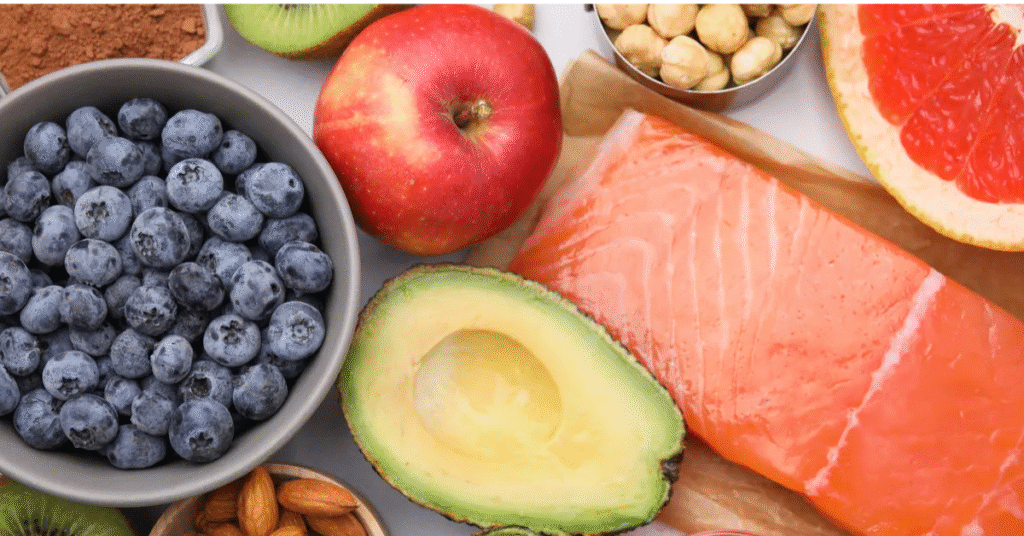
8. Almonds
Almonds are a nutritional powerhouse that can significantly contribute to improved sleep quality. Rich in magnesium, a mineral known for its relaxing properties, almonds can help to alleviate muscle tension, leading to a more restful night. Magnesium is essential for regulating neurotransmitters that send signals to the brain and the body, promoting overall relaxation and tranquility. A heightened level of magnesium has been associated with increased sleep time and efficiency, making almonds a valuable addition to one’s diet for those struggling with sleep issues.
The ideal time to consume almonds for enhancing sleep is approximately one to two hours before bed. This timing allows the body to effectively absorb magnesium and commence the muscle-relaxing process, enabling the individual to unwind and prepare for sleep. Incorporating almonds into a bedtime routine can be straightforward. For instance, one might consider snacking on a small handful of raw almonds or opting for almond milk as a soothing drink before sleep. Both options provide the benefits of magnesium while being easy to digest and quick to prepare.
Furthermore, there are various creative ways to include almonds in the diet throughout the day. One could add sliced almonds to morning oatmeal or yogurt for breakfast, incorporate almond butter into smoothies, or use almonds as a crunchy topping for salads. These additions not only enhance the flavor of meals but also contribute to the overall magnesium intake, promoting both better sleep and general health. Overall, almonds serve as an effective and delicious food choice for those aiming to improve their sleep quality through dietary changes.
7. Kiwi
Kiwi is a small but mighty fruit that possesses a wealth of nutritional benefits, particularly when it comes to enhancing sleep quality. This vibrant green fruit is not only rich in vitamins C and E, but it also contains serotonin, a crucial hormone that aids in the regulation of sleep. Several studies have underlined the positive correlation between kiwi consumption and improvements in sleep onset, duration, and overall efficiency.
Research conducted by the journal “Advances in Nutrition” illustrated that individuals who consumed kiwi prior to bedtime experienced a significant reduction in the time taken to fall asleep. Participants in the study reported enhanced sleep quality, resulting in longer sleep duration and fewer night wakings. These findings suggest that the unique combination of serotonin and various antioxidants found in kiwi may play a vital role in promoting better sleep.
Incorporating kiwi into your diet can be an enjoyable endeavor due to its versatility. The fruit can easily be added to a variety of snacks and meals. For instance, sliced kiwi makes for a refreshing topping on yogurt or oatmeal, providing a burst of flavor alongside added nutritional benefits. Additionally, it can be blended into smoothies or incorporated into fruit salads, adding both texture and sweetness. For those who enjoy cooking, kiwis can be used in savory dishes as well, complementing meats or being included in salsas.
Overall, the simplicity of including kiwi in your diet offers an effective, natural way to enhance sleep quality. Its rich nutrient profile not only supports sleep but can also contribute to overall health, making it a worthy addition to any evening routine. As you seek ways to improve your sleep, consider turning to this wholesome fruit to help you achieve the restful night you deserve.
6. Fatty Fish
Fatty fish, particularly species such as salmon, mackerel, sardines, and trout, are exceptional dietary choices for those seeking better sleep quality. These fish are abundant in omega-3 fatty acids, which play an integral role in brain health and regulation of mood. Research has indicated that omega-3s can enhance the production of serotonin, a neurotransmitter that not only supports mood stability but is also essential for a restful sleep cycle. Furthermore, fatty fish are a valuable source of vitamin D, which has been associated with better sleep outcomes in various studies. Insufficient levels of vitamin D have been linked to increased sleep disturbances and shorter sleep duration, making its dietary intake particularly important.
For individuals looking to incorporate fatty fish into their diet, recommended serving sizes generally hover around 3-4 ounces per meal, which can provide a substantial dose of these beneficial nutrients. Aside from the nutritional advantages, preparing fatty fish can be straightforward and enjoyable. Baking, grilling, or pan-searing are popular cooking methods that preserve the fish’s nutrients while enhancing its flavors. Adding herbs, spices, or a drizzle of olive oil can elevate the dish further, making it not only healthy but also flavorful.
Incorporating fatty fish into your dinner routine at least twice a week can notably support improved sleep hygiene. Ideally, aim for meals that pair fish with complex carbohydrates, like quinoa or brown rice, which can optimize the intake of sleep-promoting nutrients. Thus, these practices can help establish a diet conducive to better sleep outcomes and aid in the overall quest for restorative rest.
5. Chamomile Tea
Chamomile tea is widely recognized for its soothing qualities, making it a popular beverage for those seeking improved sleep quality. The primary active compounds found in chamomile include antioxidants such as apigenin, which is known to bind to specific neurotransmitter receptors in the brain, promoting relaxation and drowsiness. This mechanism of action helps reduce insomnia and enhance overall sleep patterns, making chamomile tea an excellent choice for pre-bedtime consumption.
To maximize the benefits of chamomile tea, proper brewing methods should be employed. It is recommended to steep dried chamomile flowers or tea bags in hot water for approximately 5 to 10 minutes. This allows the essential oils and beneficial compounds to be effectively released, creating a flavorful and therapeutic infusion. Furthermore, some individuals may choose to sweeten their chamomile tea with honey or combine it with other herbs like valerian or lavender, which also possess sleep-inducing properties. These combinations can amplify the calming effect, creating a more potent sleep aid.
In addition to chamomile, several other herbal alternatives can support better sleep. Herbal teas such as valerian root, lemon balm, and passionflower have been recognized for their potential in alleviating sleep disturbances. Each of these options carries unique active compounds that interact with the body to promote relaxation and tranquility. By incorporating these herbal teas into a regular bedtime routine, individuals may experience a more restful and uninterrupted sleep cycle.
Considering its merits, chamomile tea remains a favored choice for those looking to enhance their sleep hygiene. Its gentle effects and widespread availability contribute to its status as a natural remedy for sleep-related issues. By making chamomile tea a part of your evening routine, you may find yourself falling asleep more easily and enjoying improved sleep quality.
4.Tart Cherry Juice
Tart cherry juice has gained recognition as a natural remedy for improving sleep quality, largely attributed to its high melatonin content. Melatonin is a hormone produced by the body that regulates the sleep-wake cycle, signaling the brain when it is time to rest. Research indicates that consuming tart cherry juice may enhance sleep duration and quality, making it a beneficial option for those struggling with insomnia or irregular sleep patterns.
Studies conducted at institutions such as the University of Arkansas have demonstrated that individuals who consumed tart cherry juice experienced a significant increase in melatonin levels as well as an improvement in overall sleep quality. Participants in the study reported sleeping longer and waking less frequently during the night after incorporating this juice into their nighttime routines. This suggests that tart cherry juice could serve as an effective complementary treatment for sleep disorders.
To effectively incorporate tart cherry juice into one’s evening ritual, it is advisable to consume 8 to 16 ounces approximately one hour before bedtime. This timing allows the body to absorb the melatonin content and optimize its sleep-inducing properties. It is important to choose a juice that is 100% tart cherry, free from added sugars or preservatives, to reap the most health benefits. Additionally, for those who may find drinking juice before bed uncomfortable, tart cherry extract supplements are available as an alternative.
Integrating tart cherry juice into a nighttime routine can also be paired with other relaxation techniques, such as reading or meditation, to further enhance its effects. Thus, incorporating tart cherry juice into one’s diet not only provides a delicious option but may also offer a natural solution for achieving better sleep and supporting overall health.
3. Oatmeal
Oatmeal is a popular food choice that offers a multitude of health benefits, particularly for those seeking improved sleep quality. Comprised primarily of complex carbohydrates, oatmeal plays a significant role in facilitating the availability of tryptophan, an essential amino acid that is known to promote relaxation and sleepiness. The consumption of complex carbohydrates can increase insulin levels, which in turn may help move tryptophan into the brain more efficiently, making oatmeal an excellent choice for a bedtime snack.
This wholesome grain comes in various forms, including instant, rolled, and steel-cut oats, each presenting unique textures and flavors. Instant oatmeal is convenient for quick preparation, while rolled oats provide a chewy texture, and steel-cut oats offer a nuttier taste that can be particularly satisfying. Regardless of the form chosen, oatmeal remains nutrient-dense, rich in fiber, vitamins, and minerals, making it a beneficial addition to a balanced diet.
Incorporating oatmeal into your evening routine can be easily achieved through various creative methods. One option is to prepare a warm bowl of oatmeal topped with slices of banana or a sprinkle of cinnamon, both of which contribute to the calming effects of this dish. Alternatively, one may enjoy oatmeal as overnight oats, where the oats are soaked in milk or yogurt and combined with fruits and nuts for added flavor and nutrition. This preparation not only makes for a tasty snack but also supports digestive health due to its fiber content.
By embracing oatmeal as a component of your nighttime meal, you may enhance your sleep quality while enjoying a delicious, versatile dish. With its ability to increase tryptophan availability, oatmeal emerges as a favorable food choice for anyone seeking more restful nights.
2. Bananas
Bananas are a nutrient-rich fruit that offers several benefits when it comes to promoting better sleep. One of the key elements found in bananas is potassium, a mineral that plays a crucial role in muscle relaxation and nerve function. This property is especially beneficial before bedtime, as it can help ease muscle tension and prepare the body for rest. Additionally, bananas are high in vitamin B6, which is essential for the production of melatonin, the hormone responsible for regulating sleep cycles. By incorporating bananas into your diet, you can support your body’s natural sleep mechanisms.
Furthermore, bananas are incredibly versatile and can be easily incorporated into various snacks. For instance, combining sliced bananas with yogurt can create a creamy, protein-rich dish that not only satisfies hunger but also aids in muscle recovery after a long day. This combination provides an added boost of calcium and probiotics, which are beneficial for overall health.
Another popular option is to pair bananas with nut butter, such as almond or peanut butter. The healthy fats and protein from the nut butter, coupled with the carbohydrates in bananas, make for a balanced snack that can keep you satiated through the night. To enhance the flavor, consider adding a sprinkle of cinnamon, which not only improves taste but can also help regulate blood sugar levels, making it a suitable pre-sleep treat.
Incorporating bananas into your evening routine can be an effective way to improve sleep quality. With their high nutrient content, they serve as an excellent pre-sleep snack that supports relaxation and enhances melatonin production. By experimenting with different combinations, you can find enjoyable ways to include this banana in your nightly routine. Elevating your snack options can contribute to a more restful night, making bananas a smart and healthy choice for better sleep.
1. Turkey
Turkey is often recognized as a key element in promoting restful sleep, primarily due to its high concentration of tryptophan, an amino acid that plays a pivotal role in the synthesis of serotonin and melatonin—hormones integral to regulating sleep. Tryptophan’s ability to increase the production of these sleep-inducing compounds can lead to an enhanced state of drowsiness, making turkey a worthwhile addition to a sleep-friendly diet.
Incorporating turkey into daily meals can be a simple yet effective strategy for those seeking to improve their sleep quality. For instance, a traditional turkey sandwich can serve as a satisfying lunch option, while roasted turkey breast with vegetables makes for an excellent dinner choice. Furthermore, ground turkey can be used in various dishes, including stir-fries and tacos, providing versatility without compromising nutritional benefits. Whether served as the main dish or integrated into lighter fare, turkey’s sleep-promoting properties are undeniably advantageous.
In addition to its high tryptophan content, turkey is also rich in protein and low in unhealthy fats, making it a nutritious alternative to other meats. Enhanced protein intake can keep you feeling satiated throughout the day, potentially reducing midnight snacking—a common disruptor of sleep patterns. Furthermore, turkey’s nutrient profile contributes to overall health, supporting muscle repair and immune function, which are vital components for maintaining a well-rounded lifestyle.
Ultimately, including turkey in your meals can play a significant role in fostering better sleep. The combination of tryptophan and the food’s palatability promotes a satisfying meal, which is essential for winding down at the end of the day. By integrating turkey into a varied diet, individuals can potentially enhance their sleep quality and, consequently, their overall well-being.