
10. Yogurt
Yogurt is a nutrient-rich food known for its probiotic content, which plays a crucial role in supporting gut health. Probiotics are live bacteria that are beneficial for the digestive system. They help maintain a healthy balance of gut flora, which is integral to overall health and is closely linked to immune function. A significant portion of the immune system is located in the gut, thus enhancing gut health through the consumption of yogurt can lead to improved immune response.
Moreover, yogurt acts as a natural source of various nutrients, including calcium, protein, and several vitamins, thereby contributing to general well-being. The probiotics found in yogurt, such as Lactobacillus and Bifidobacterium strains, have been shown to help reduce inflammation and combat pathogens, which can lead to a stronger immune system. Studies have indicated that individuals who include probiotic-rich foods in their diets may enjoy better immune health and a decreased risk of infections.
It is important to choose the right types of yogurt to reap the maximum health benefits. Opting for unflavored and low-sugar varieties is advisable, as flavored yogurts often contain added sugars that can negate some health benefits. Furthermore, selecting yogurts with live and active cultures ensures that you are consuming effective probiotics. Incorporating yogurt into your daily diet can be an easy way to boost your intake of beneficial bacteria, ultimately strengthening your immune system.
9. Broccoli
Broccoli is often hailed for its remarkable health benefits, particularly its ability to strengthen the immune system. This cruciferous vegetable is an abundant source of vitamins, minerals, and antioxidants, all of which play a crucial role in enhancing overall health and resilience against illness. Among the plethora of nutrients found in broccoli, vitamins C and K stand out due to their significant contributions to immune function and general well-being.
Vitamin C, known for its role in supporting immune health, is essential for the growth and repair of tissues in the body. It acts as a powerful antioxidant, protecting cells from damage caused by free radicals. This vitamin is vital for the production of white blood cells, which are essential for fighting off infections. Furthermore, a diet rich in vitamin C can help reduce the duration and severity of colds and other respiratory infections.
On the other hand, vitamin K plays an indispensable role in maintaining healthy bones and proper blood clotting. Recent studies suggest that it may also have a role in modulating the immune response. This vitamin’s presence in broccoli makes it an excellent choice not just for bone health but also for its potential effects on immune functions.
To maximize the health benefits of broccoli, it is crucial to preserve its nutrient content during preparation. Lightly steaming broccoli is advisable as it helps to maintain its vitamins and minerals, while also softening the vegetable for easier consumption. Alternatively, consuming it raw can provide the most significant health benefits, ensuring that the vital nutrients remain intact.
8. Garlic
Garlic is not only a flavorful addition to many dishes, but it also offers significant health benefits, especially for the immune system. The active compound in garlic, known as allicin, is primarily responsible for its potent immune-enhancing properties. When garlic is chopped or crushed, it releases allicin, which has been shown to have antimicrobial and anti-inflammatory effects. These properties can help the body fend off infections and reduce the duration of illness.
Research indicates that allicin may enhance the immune response by stimulating the activity of various immune cells, such as lymphocytes and macrophages. This leads to increased resistance against viruses and bacteria, ultimately contributing to a stronger immunity. The consumption of garlic has also been associated with a reduced risk of chronic diseases, including heart disease and certain types of cancer, thus enhancing overall health.
Incorporating garlic into meals can be both simple and enjoyable. It can be added to salads, soups, and stir-fries, or used as a seasoning for various proteins such as chicken and fish. For maximum health benefits, opt for fresh garlic rather than processed forms, as the allicin content diminishes with cooking. If desired, consider crushing or chopping garlic and allowing it to sit for a few minutes before cooking, which may further enhance its allicin levels. Additionally, garlic supplements can be taken if dietary incorporation is challenging, although it is always advisable to consult with a healthcare provider before beginning any supplement regimen.
7. Spinach
Spinach, often hailed as one of the healthiest leafy greens, is an excellent food for boosting the immune system. Its rich nutritional profile includes a high concentration of vitamins A, C, and K, along with antioxidants that play a critical role in maintaining overall health. Vitamin A is integral for enhancing vision and fortifying the immune system, while vitamin C is known for its role in promoting cellular function and aiding the body’s defense mechanisms against illness. Furthermore, vitamin K is essential for proper blood clotting and may also support bone health.
In addition to these vitamins, spinach is packed with antioxidants such as flavonoids and carotenoids, which combat oxidative stress in the body. This is crucial for lowering inflammation and reducing the risk of chronic diseases, making spinach an invaluable addition to a health-conscious diet. The presence of nutrients such as iron and magnesium further enhances the health benefits associated with spinach. Iron is vital for hemoglobin production, which ensures adequate oxygen transport throughout the body, while magnesium is important for energy production and muscle function.
To maximize the absorption of these beneficial nutrients, it is recommended to cook spinach lightly. Light cooking, such as steaming or sautéing, breaks down oxalic acid—an anti-nutrient that can hinder the absorption of essential minerals. This gentle preparation also helps preserve the vibrant color and texture, making the vegetable more appealing to eat. Incorporating cooked spinach into various dishes, from salads to soups, not only enhances flavor but also strengthens one’s immune system naturally. In terms of versatility, it can be easily added to smoothies, omelets, and pasta, ensuring that you can enjoy the health benefits of spinach effortlessly.
6. Almonds
Almonds are a nutrient-rich food that offers various health benefits, particularly in the realm of immune support. One of the key components contributing to their health advantages is their high vitamin E content. Vitamin E is a powerful antioxidant that plays a vital role in maintaining a robust immune system. It helps neutralize free radicals, which can cause oxidative stress and damage to immune cells, leading to diminished immune function.
Just a handful of almonds, approximately one ounce or 28 grams, can provide an impressive amount of vitamin E, supplying nearly 7.3 milligrams—almost half of the recommended daily intake for adults. This highlights how incorporating almonds into one’s daily diet can significantly enhance immune health. Besides, almonds are also a source of healthy fats, fiber, and various vitamins and minerals that contribute to overall well-being.
Research indicates that adequate intake of vitamin E may help in reducing the risk of infections and certain chronic diseases by supporting the body’s immune responses. Furthermore, vitamins and nutrients can enhance the functioning of T-cells, macrophages, and other white blood cells crucial for fighting off pathogens. Therefore, consuming almonds can be considered a simple yet effective strategy for those looking to bolster their immune defenses naturally.
Incorporating almonds into meals can be easy and versatile. They can be eaten raw, added to salads, blended into smoothies, or used as almond butter. This flexibility makes it simple to enjoy their health benefits consistently. Overall, almonds emerge as a formidable ally in the quest for maintaining a healthy immune system, proving that small dietary changes can yield substantial health dividends.
5. Turmeric
Turmeric, a bright yellow spice derived from the Curcuma longa plant, is renowned for its numerous health benefits, primarily attributed to its active compound, curcumin. This bioactive ingredient plays a significant role in modulating immune system function due to its potent anti-inflammatory and antioxidant properties. Chronic inflammation in the body can lead to an array of health problems, including a weakened immune response. By incorporating turmeric into the diet, individuals may help reduce inflammation and promote better immune health.
Research has demonstrated that curcumin can influence various immune cells, including T cells, B cells, and macrophages, thereby enhancing the body’s ability to fend off infections and diseases. Additionally, curcumin has been found to support the gut microbiome, which is crucial for a well-functioning immune system. A balanced gut microbiome strengthens the intestinal barrier and reduces the likelihood of pathogen invasion, thus playing a pivotal role in maintaining overall health.
Integrating turmeric into daily meals is more accessible than one might think. For starters, turmeric can be added to curries and stews for an earthy flavor and vivid color. Additionally, consider mixing turmeric powder into soups, roasted vegetables, or grain bowls. Golden milk, a blend of turmeric, milk (or a milk alternative), and spices such as cinnamon and black pepper, serves as an excellent warm beverage that not only tastes delightful but also provides various health benefits. Furthermore, sprinkling turmeric on popcorn or incorporating it into salad dressings can add a kick and boost nutrients.
For those desiring an even more concentrated form, turmeric supplements are available, but it’s advisable to consult a healthcare professional before starting any supplement regimen. Overall, embracing turmeric in the kitchen can effectively enhance both flavor and immune health, making it a simple yet powerful addition to one’s diet.
4. Green Tea
Green tea has garnered attention as a powerful beverage that contributes to strengthening the immune system naturally. It is rich in antioxidants, particularly catechins, which have been extensively studied for their health benefits. Catechins are a type of flavonoid known for their strong antioxidant properties, combating oxidative stress and inflammation in the body. This action may help enhance immune function, making it an effective addition to a diet aimed at promoting wellness and preventing illness.
The significance of how green tea is brewed should not be underestimated. The temperature of the water, steeping time, and the quality of the tea leaves play a crucial role in maximizing the extraction of catechins. For instance, using water that is too hot can degrade these beneficial compounds, while steeping for too short a time may result in under-extraction. It is generally recommended to steep green tea for 2-3 minutes at a temperature of around 175°F (80°C) to reap its full health benefits.
Regular consumption of green tea can lead to cumulative health benefits. Studies have indicated that those who drink green tea consistently may experience improved immune responses due to the synergistic effects of its components, including catechins and other polyphenols. In addition to bolstering the immune system, green tea has been associated with various other health benefits, such as improved cardiovascular health, weight management, and enhanced mental clarity. Including this antioxidant-rich beverage in your daily routine can be a simple yet effective strategy to fortify your body’s defenses against pathogens.
3. Citrus Fruits
Citrus fruits, such as oranges, lemons, and grapefruits, are renowned for their high vitamin C content, which plays a pivotal role in strengthening the immune system. Vitamin C is a powerful antioxidant that helps protect cells from damage caused by free radicals, and it is essential for the functioning of immune cells. Regular consumption of these fruits not only enhances the body’s defense against infections but also expedites the healing process when illness occurs.
The immune-boosting properties of citrus fruits extend beyond vitamin C. They also contain other important nutrients including flavonoids and potassium, which contribute to overall health. Incorporating a variety of citrus fruits into one’s diet can provide a spectrum of vitamins and minerals that support immune function, helping the body to ward off illnesses more effectively.
To include citrus fruits in your daily diet, consider starting your day with a glass of freshly squeezed orange juice or add lemon to your morning water. Whole fruits, such as grapefruits and oranges, make excellent snacks and can also be added to salads for a refreshing twist. Additionally, you can make a citrus salad by combining segments of different fruits and drizzling them with honey for added sweetness. A daily intake of at least one serving of these fruits can significantly contribute to meeting the recommended dietary allowance of vitamin C.
For those looking to maximize their intake, purchasing seasonal, fresh fruits ensures the highest quality and nutrient retention. Remember, while citrus fruits alone cannot ensure immunity, incorporating them into a balanced diet, alongside other nutrient-dense foods, can support optimal immune health.
2. Ginger
Ginger, a widely recognized spice, has been lauded for its numerous health benefits, particularly in enhancing the immune system. Known for its anti-inflammatory and antioxidant properties, ginger can play a significant role in combating various illnesses. The active compounds in ginger, including gingerol, are believed to contribute to its ability to reduce inflammation, which can otherwise compromise immune function.
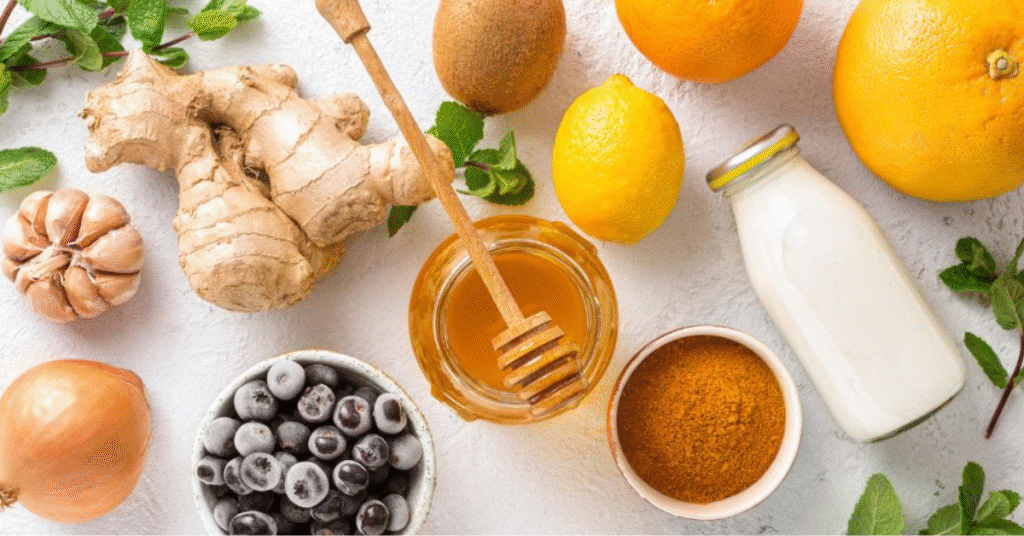
Incorporating ginger into your diet can be both simple and enjoyable. Fresh ginger can be added to a variety of meals and beverages, providing a zesty flavor while delivering health benefits. For maximum impact, consider starting your day with a cup of ginger tea. To prepare, steep a few slices of fresh ginger in hot water for about ten minutes. Add honey or lemon for an additional health boost and enhanced taste. This warm drink will not only help invigorate your senses but also provide anti-inflammatory benefits.
Culinary integration of ginger does not stop at beverages. Adding grated or chopped ginger to stir-fries, soups, and marinades can elevate your dishes while contributing to a robust immune response. Try mixing ginger with garlic and turmeric in a sauté for a nutrient-rich base to your favorite recipes. Furthermore, ginger can be used in baking; recipes for gingerbread or spiced cookies can deliver a delightful treat while harnessing the immune-strengthening effects of this powerful root.
For those who prefer a more concentrated form, ginger supplements are also available. However, it is advisable to consult with a healthcare professional before starting any supplement regimen, particularly for individuals with pre-existing health conditions or those taking other medications. By regularly incorporating ginger into your diet, you can take proactive steps to support your immune health.
1. Mushrooms
Mushrooms are not only a versatile ingredient in many cuisines but also serve as potent allies in bolstering the immune system. Various types of mushrooms, particularly shiitake and reishi, have been identified for their health-enhancing properties. Shiitake mushrooms, recognized for their rich flavor and texture, are abundant in polysaccharides, particularly lentinans, which have been shown to stimulate the production of immune cells such as macrophages and natural killer cells. These immune cells play a critical role in defending the body against pathogens and diseases.
Another noteworthy mushroom species is reishi, often referred to as the “mushroom of immortality.” Reishi is renowned for its ability to modulate the immune system. It contains triterpenes and beta-glucans that help in enhancing the overall immune response, making the body more resilient against infections. Regular consumption of reishi mushrooms can help mitigate stress and inflammation, two factors that significantly impact immune function.
Incorporating these mushrooms into daily meals is relatively simple. Shiitake mushrooms can be sautéed with vegetables, added to soups, or used as a topping for rice dishes. Reishi, with its bitter profile, is often consumed as a tea or in powder form, allowing it to be easily integrated into smoothies or broths. By adding these mushrooms to your diet, you not only enhance the flavor of your meals, but also provide your body with essential nutrients that support immune health. Their unique properties make them valuable components in a proactive approach to maintaining a robust immune system.