
1. Oats
Oats are a powerful food that play a significant role in the management of cholesterol levels, primarily due to their high soluble fiber content, specifically beta-glucan. This soluble fiber has been extensively studied and found to effectively lower low-density lipoprotein (LDL) cholesterol, which is often referred to as “bad” cholesterol. The mechanism through which oats exert this effect is believed to involve the formation of a gel-like substance in the digestive tract, which binds to bile acids. This binding results in the elimination of bile acids from the body, prompting the liver to draw on cholesterol stores to produce more bile acids, consequently lowering the overall cholesterol levels in the bloodstream.
To reap the cholesterol-lowering benefits of oats, it is advisable to incorporate them into the diet in various forms. Instant oatmeal, steel-cut oats, or even overnight oats are all excellent options. A common recommendation is to opt for at least three grams of beta-glucan per day, which can be achieved by consuming about one and a half cups of cooked oatmeal. Pairing oats with fruits, nuts, or yogurt can enhance their taste and nutritional value, making them a delightful addition to breakfast or as a snack throughout the day.
For those looking for delicious recipes that include oats, consider preparing a warm bowl of oatmeal topped with fresh berries and a drizzle of honey. Overnight oats prepared with chia seeds, almond milk, and a sprinkle of cinnamon can also make for a nutritious and convenient breakfast option. Additionally, baking oat-based cookies or muffins can be a delightful way to enjoy this wholesome grain while still benefiting from its cholesterol-lowering properties. Integrating oats into your daily meals can be a prudent strategy for effective cholesterol management.
2. Fatty Fish
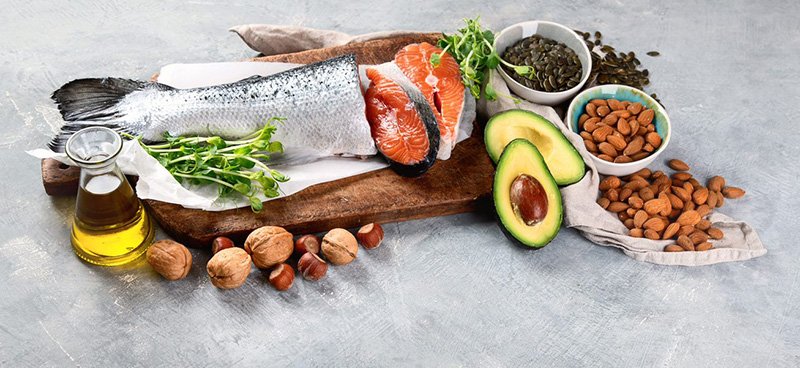
Fatty fish, such as salmon, mackerel, sardines, and trout, are notable sources of omega-3 fatty acids, which are essential for maintaining optimal heart health. These fish are not only delicious but also provide numerous health benefits that directly contribute to lowering cholesterol levels. Omega-3 fatty acids have been researched extensively for their ability to reduce low-density lipoprotein (LDL) cholesterol, often referred to as “bad” cholesterol, while increasing high-density lipoprotein (HDL) cholesterol, known as “good” cholesterol. This beneficial balance helps to prevent plaque buildup in the arteries, thereby reducing the risk of cardiovascular diseases.
Incorporating fatty fish into your diet is quite straightforward. Many health organizations recommend consuming at least two servings of fatty fish each week for maximum heart health benefits. For instance, grilled salmon can serve as a tasty main course for dinner, while canned sardines make an excellent addition to salads or pasta dishes. Moreover, mackerel can be marinated in a variety of spices and baked, providing a flavorful and nutritious option. By adding a variety of fatty fish to your meals, you can also enjoy the diverse flavors and textures they offer.
Beyond cholesterol-lowering properties, omega-3 fatty acids are known to support overall well-being. They play a crucial role in reducing inflammation throughout the body, which can impact heart health and other chronic diseases. Additionally, regular consumption of omega-3-rich foods can enhance brain health and cognitive function. Therefore, including fatty fish in your diet not only assists in managing cholesterol levels but also contributes positively to overall health. In conclusion, prioritizing fatty fish in your meal plan can be a strategic choice for anyone aiming to lower cholesterol levels effectively.
3. Avocado: A Nutritious Choice for Heart Health
Avocados are a nutrient-dense fruit renowned for their impressive health benefits. They are particularly celebrated for their high content of monounsaturated fats, specifically oleic acid, which can play a crucial role in managing cholesterol levels. Incorporating avocados into one’s diet can lead to a reduction in low-density lipoprotein (LDL) cholesterol, often referred to as “bad” cholesterol, while simultaneously boosting high-density lipoprotein (HDL) cholesterol, known as “good” cholesterol. This dual action makes avocados a powerful food choice for those aiming to lower cholesterol quickly and effectively.
In addition to healthy fats, avocados are rich in vitamins C, E, and K, along with B-vitamins and potassium, contributing to overall cardiovascular health. Their fiber content also aids in maintaining digestive health and regulating cholesterol levels further. To incorporate avocados into your diet, consider adding them to salads, smoothies, or spreads. For instance, you can blend ripe avocados with lime juice and garlic to create a delicious and creamy dip, perfect for snacking or as a topping for whole-grain toast.
For those looking for creative recipes to highlight this heart-healthy fruit, a satisfying avocado salad can be made by combining diced avocados with cherry tomatoes, red onion, and cilantro, drizzled with a light vinaigrette. Alternatively, consider making a quinoa bowl featuring avocado slices, black beans, corn, and fresh herbs to create a well-rounded and nutritious meal. Overall, incorporating avocados not only enhances the flavor of dishes but also contributes to better heart health through improved cholesterol management.
4. Nuts
Nuts are widely recognized for their health benefits, particularly when it comes to maintaining healthy cholesterol levels. Varieties such as almonds, walnuts, and pistachios stand out due to their rich nutrient profiles, including healthy fats, fiber, and antioxidants. These nutrients work in tandem to improve heart health by lowering low-density lipoprotein (LDL) cholesterol—often referred to as the ‘bad’ cholesterol—while simultaneously boosting high-density lipoprotein (HDL) cholesterol, which is beneficial for cardiovascular well-being.
Almonds are particularly effective in this regard; studies have shown that they can lead to a significant reduction in cholesterol levels when consumed regularly. Their high fiber content aids in digestion and helps the body eliminate cholesterol efficiently. Walnuts, on the other hand, offer the added benefit of omega-3 fatty acids, which contribute to heart health by reducing inflammation and improving arterial function. Pistachios also play a vital role, with studies indicating that incorporating them into one’s diet can lead to a reduction in total cholesterol and LDL cholesterol levels.
To maximize the positive effects of nuts on cholesterol levels, it is essential to consider how they are consumed. Eating a small handful—approximately 1 ounce—of unsalted nuts each day is generally recommended. This portion size helps ensure that you are gaining the health benefits without excessive calorie intake. It is advisable to avoid flavored, sugared, or salted versions, as these can significantly diminish their health benefits. Incorporating nuts into meals, such as adding them to salads or oatmeal, can enhance both nutrient density and overall flavor.
In conclusion, including nuts like almonds, walnuts, and pistachios in your diet can serve as an effective strategy for lowering cholesterol levels. By adhering to recommended portion sizes and embracing a variety of nuts, one can enjoy both their health benefits and their delicious taste.
5. Olive Oil
Olive oil, especially extra virgin olive oil, is widely recognized for its impressive health benefits, particularly regarding cholesterol management. Rich in monounsaturated fats, this oil helps lower LDL cholesterol levels—the type most associated with heart disease—while simultaneously increasing HDL cholesterol, which functions as a protective factor for cardiovascular health. The high content of antioxidants in extra virgin olive oil, such as polyphenols, further promotes heart health by reducing inflammation and oxidative stress in the body.
The role of olive oil in the Mediterranean diet is paramount. This dietary pattern emphasizes the consumption of whole foods such as fruits, vegetables, whole grains, and lean proteins, with olive oil serving as the primary source of fat. Studies have demonstrated that individuals who adhere to this eating style exhibit lower rates of heart disease and improved cholesterol profiles. The inclusion of olive oil not only enhances flavor but also fortifies meals with nutrients that support overall wellness.
In terms of culinary uses, olive oil is incredibly versatile. It can be utilized for various cooking methods, including sautéing, roasting, and as a finishing touch for grilled dishes. Moreover, incorporating olive oil into salad dressings is an excellent way to enhance flavors while implementing its health benefits. A simple dressing made from olive oil, vinegar, and herbs can transform a salad into a nutrient-dense meal. Additionally, drizzling olive oil over vegetables or using it as a dip for whole-grain bread are effective ways to enjoy its taste and health benefits. By integrating olive oil into daily meals, individuals can significantly contribute to improved cholesterol levels and overall heart health.
6. Beans and Legumes
Beans and legumes are not only versatile and delicious, but they also play a significant role in promoting heart health, particularly in managing cholesterol levels. Rich in soluble fiber, these foods help to lower LDL cholesterol—the type often referred to as “bad” cholesterol—while raising HDL cholesterol, commonly known as “good” cholesterol. This unique combination helps reduce the risk of heart disease.
Various types of beans and legumes, including black beans, kidney beans, lentils, chickpeas, and split peas, offer an array of nutritional benefits. For instance, lentils are an excellent source of protein and iron, while chickpeas provide healthy fats along with a high fiber content. Furthermore, kidney beans are known for their antioxidant properties, which contribute to overall heart health. Incorporating a mix of these foods into your diet can yield significant health benefits.
You can easily incorporate beans and legumes into your meals. For breakfast, consider adding cooked lentils to your omelet or avocado toast for an added nutritional boost. For lunch, a hearty bean salad or a cup of lentil soup can be both satisfying and cholesterol-friendly. Dinner may include chili made with various beans or a stir-fry featuring chickpeas, which is not only filling but also promotes good cholesterol levels. Additionally, blending beans into smoothies or using them to replace part of the meat in recipes can elevate your fiber intake while enhancing the texture and flavor of your meals.
Incorporating beans and legumes into your daily diet is a simple yet effective strategy to aid in cholesterol management, promoting a healthier heart in the long run. Consider making these foods a staple in your meals, and watch your cholesterol levels improve over time.
7. Apples
Apples are often regarded as one of the most beneficial fruits for improving heart health due to their high content of soluble fiber and pectin. Both of these components play a crucial role in lowering levels of cholesterol in the bloodstream. Soluble fiber aids in binding cholesterol in the digestive system, making it easier for the body to expel it. This effectively reduces overall cholesterol absorption, which can lead to a healthier cardiovascular system.
When considering incorporating apples into your daily diet, it is essential to explore the variety available. Common types such as Granny Smith, Fuji, and Honeycrisp each offer unique tastes and textures that can suit different preferences. Granny Smith apples, for example, are known for their tartness and firm texture, making them a great choice for snacking. On the other hand, Fuji apples are sweeter and can be an excellent addition to desserts or salads. By diversifying the types of apples consumed, you can enjoy a range of flavors while still reaping the cholesterol-lowering benefits.
There are numerous ways to enjoy apples throughout the day. For a quick, healthy snack, simply slice an apple and pair it with a tablespoon of almond butter or peanut butter, providing both satiation and additional nutrients. Alternatively, apples can be cooked to create warm dishes; baked apples topped with a sprinkle of cinnamon can make for a delightful dessert. Incorporating apples in salads, alongside greens and nuts, adds a crunchy element while boosting heart-healthy benefits. By making apples a regular part of your diet, you can significantly enhance your overall health while enjoying versatile and delicious meals.
8. Berries: Nutrient-Packed Heroes for Cholesterol Management
Berries, including strawberries, blueberries, and raspberries, are celebrated not only for their vibrant colors and delightful flavors but also for their health-promoting properties. These fruits are an excellent source of antioxidants, particularly anthocyanins, which are responsible for their rich hues. These compounds have been shown to improve heart health by reducing inflammation and improving blood lipid profiles, thus assisting in lowering cholesterol levels.
Furthermore, berries are rich in soluble fiber, a type of dietary fiber that binds to cholesterol in the digestive system and helps facilitate its excretion from the body. This action can lead to improved cholesterol levels over time. For instance, a study found that participants who incorporated a variety of berries into their diet experienced a decrease in LDL (bad cholesterol) levels while maintaining or even raising their HDL (good cholesterol) levels.
Incorporating berries into your daily meals is simple and adds a burst of flavor and nutrition. For breakfast, consider topping your oatmeal or yogurt with a mix of strawberries and blueberries for a delicious and heart-healthy start to your day. As a snack, a handful of fresh raspberries or a berry smoothie can satisfy your cravings while promoting cholesterol management. Additionally, berries can be used in desserts; think of a berry compote or fresh berry salad to add a nutritious yet indulgent touch to your meals.
By integrating these powerful superfoods into your diet, you can take a proactive step towards better heart health and cholesterol levels. Their versatility and delightful taste make them an easy choice for anyone looking to enrich their diet while addressing cholesterol concerns.
9. Barley and Other Whole Grains
Barley and various whole grains play a significant role in a heart-healthy diet, particularly due to their high content of soluble fiber. Soluble fiber has been shown to effectively lower LDL cholesterol levels, commonly referred to as “bad” cholesterol, thereby reducing the risk of cardiovascular diseases. Whole grains, including barley, oats, quinoa, and brown rice, provide an abundance of essential nutrients while also promoting overall digestive health.
Incorporating whole grains into your daily meals can be both simple and beneficial. For instance, rather than opting for refined grains such as white bread or white rice, consider making easy substitutions. Whole grain bread, pasta, and brown rice can seamlessly replace their refined counterparts in various recipes. Barley, in particular, is versatile; it can be added to soups, stews, salads, and side dishes. Its nutty flavor and chewy texture make it an appealing choice and an easy addition to any meal.
When preparing whole grains, it is beneficial to pay attention to cooking methods. For instance, whole grains can be simmered, steamed, or even used as a base for grain bowls, allowing for a wide array of flavor combinations. Cooking in bulk and storing cooked grains in the refrigerator can save time during busy weekdays, encouraging the regular inclusion of these nutrient-rich foods.
Moreover, educating oneself about whole grain options is essential. Reading product labels to identify whole grain ingredients ensures that you choose foods that contribute positively to cholesterol management. Incorporating barley and other whole grains into your diet not only supports cholesterol reduction but also enriches your meals with vital nutrients, promoting a healthier lifestyle overall.
10. Dark Chocolate: A Heart-Healthy Choice
Dark chocolate, particularly those varieties containing at least 70% cocoa, has gained recognition for its potential health benefits, specifically in managing cholesterol levels. The rich antioxidant properties inherent in dark chocolate are believed to help improve cholesterol profiles by elevating high-density lipoprotein (HDL) cholesterol while lowering low-density lipoprotein (LDL) cholesterol levels. These compounds, including flavonoids, contribute to heart health by supporting vascular function and reducing inflammation.
When selecting dark chocolate, it is crucial to pay attention to the cocoa content. Opting for chocolate with 70% cocoa or higher maximizes the intake of beneficial antioxidants. Additionally, consumers should be mindful of the sugar content; many commercially available chocolates can be surprisingly high in sugar, which may counteract their health benefits. Therefore, examining the ingredient list and choosing products with minimal added sugar is recommended for maintaining a heart-healthy diet.
As for serving sizes, moderation is key. A recommended serving is approximately one ounce (about 28 grams), which allows one to enjoy the flavor and benefits without excessive calorie intake. Incorporating dark chocolate into daily meals can be done in various enjoyable ways. For instance, it can be grated over oatmeal, incorporating it into smoothies, or mixed into trail mixes alongside nuts and dried fruit. Additionally, dark chocolate can be used as a healthier alternative for baking or dessert preparation, where its rich flavor provides satisfaction without the drawbacks of sweeter counterparts.
By thoughtfully integrating dark chocolate into a balanced diet, individuals can benefit from its cholesterol-lowering properties while also indulging in a delicious treat. As with any single food item, it should complement a diet rich in fruits, vegetables, whole grains, and lean proteins for optimal heart health.
11. Garlic and Its Cholesterol-Lowering Benefits
Garlic (Allium sativum) has been recognized for its medicinal properties for centuries, particularly its potential to lower cholesterol levels and enhance heart health. The primary compounds within garlic responsible for these benefits are allicin, sulfur compounds, and various antioxidants. Allicin, produced when garlic is crushed or chopped, has been extensively studied for its ability to reduce total cholesterol levels and improve lipid profiles. Other compounds found in garlic, such as ajoene and diallyl disulfide, also contribute to its heart-protective capabilities by promoting better blood circulation and reducing arterial plaque.
Incorporating garlic into your diet is relatively simple, as it can enhance a variety of dishes with its distinct flavor. One-effective method is to use fresh garlic in cooking; it can be sautéed with vegetables or added to marinades for meats. Roasting whole garlic bulbs provides a milder, sweeter flavor that can complement pasta, spreads, or even salads. For a quick addition to meals, consider adding minced raw garlic to dressings, dips, or sauces, ensuring the allicin remains active.
Several delicious recipes showcase garlic as a main ingredient while reaping its cholesterol-lowering benefits. A classic garlic-infused hummus can serve as a nutritious snack; blending chickpeas, tahini, lemon juice, and garlic creates a flavorful dip ideal with fresh vegetables. Another delightful option is garlic herb roasted chicken, where garlic cloves, mixed herbs, and olive oil elevate the flavor profile. Also, a simple garlic spinach sauté can make for a quick side dish—just a few cloves sautéed in olive oil with fresh spinach results in a nutritious addition to any meal.
Overall, garlic is an excellent food choice for those looking to lower cholesterol and improve heart health. Its various compounds and versatility in dishes make it a powerful addition to a heart-healthy diet.
12. Green Tea
Green tea, renowned for its numerous health benefits, stands out due to its high content of catechins, a type of antioxidant that plays a vital role in reducing cholesterol levels and enhancing heart function. Various types of green tea exist, including Sencha, Matcha, and Hojicha, each offering unique flavors and health benefits. Sencha is the most commonly enjoyed variety and is known for its earthy flavor and slight astringency. Matcha, made from powdered whole leaves, provides a concentrated form of catechins, making it particularly effective for lowering cholesterol. Hojicha, on the other hand, is roasted green tea that delivers a toasted aroma and lower caffeine content, suitable for those sensitive to stimulants.
To maximize the health benefits of green tea, proper brewing techniques are essential. Start with fresh, cold water, ideally filtered, as it can impact the taste and quality of the tea. Heat water to around 160-180°F (70-80°C) for most green teas, avoiding boiling water, which can scorch the leaves. Allow the tea to steep for 2 to 3 minutes. Steeping time and water temperature can vary based on the type of green tea, so it is crucial to follow specific instructions for each variety to extract the maximum nutrients while maintaining a pleasant flavor profile.
Beyond enjoying green tea as a traditional beverage, there are several creative ways to incorporate it into your diet. Consider using matcha in smoothies for an energy boost, or adding a teaspoon of powdered green tea to baked goods for a nutritious twist. Green tea can also serve as a flavor base for broths or salad dressings, enhancing both taste and health benefits. By diversifying the consumption of green tea, individuals can enjoy its heart-healthy properties while keeping their diet exciting and flavorful.