
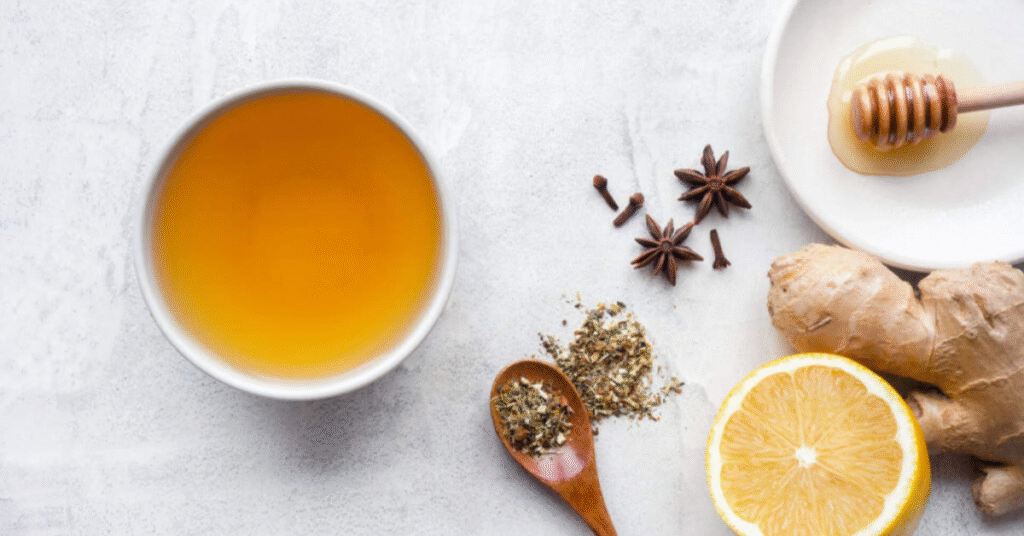
6. Chamomile Tea
Chamomile tea, renowned for its calming effects, is a herbal infusion that comes from the dried flowers of the chamomile plant. This tea is not only popular for its soothing properties but is also believed to support healthy blood pressure levels. The relationship between stress and blood pressure is well-documented; as stress levels increase, so do blood pressure levels. Therefore, incorporating chamomile tea into one’s routine may assist in relaxation and, consequently, in managing blood pressure.
Various studies have suggested that chamomile tea possesses mild sedative effects, which can help alleviate stress and anxiety. This effect is attributed to specific compounds found in chamomile, such as apigenin, an antioxidant that binds to certain brain receptors, promoting feelings of tranquility. By reducing stress, chamomile tea can indirectly support the maintenance of healthy blood pressure levels.
One study worth noting highlighted that participants who regularly consumed chamomile tea reported lower stress levels, which corresponded with a slight reduction in their blood pressure readings. Although more extensive research is needed to solidify these findings, the existing evidence certainly suggests that chamomile tea can play a beneficial role in promoting stress relief.
For optimal benefits, preparing chamomile tea correctly is essential. Start by using fresh or dried chamomile flowers, preferably organic. Boil water and allow it to cool slightly before pouring it over the chamomile. Steep the tea for about 5-10 minutes, depending on your taste preference. Strain the tea into a cup and enjoy it either plain or with a touch of honey for sweetness. Regularly integrating this calming beverage into your evening routine may help you unwind while also supporting healthy blood pressure.
5. Hibiscus Tea
Hibiscus tea, derived from the vibrant petals of the hibiscus flower, has gained recognition not only for its striking ruby hue and tart flavor but also for its numerous health benefits, particularly its potential to support healthy blood pressure. Several studies have showcased hibiscus tea’s effectiveness in promoting cardiovascular health, making it a favored choice for individuals seeking natural dietary solutions.
Research indicates that hibiscus tea can be particularly beneficial for those with elevated blood pressure. A study published in the Journal of Nutrition demonstrated that participants who consumed hibiscus tea showed a significant reduction in systolic and diastolic blood pressure compared to those who drank a placebo. The compounds present in hibiscus, such as anthocyanins, are believed to be responsible for these beneficial effects, as they may help relax blood vessels and improve circulation.
To enjoy hibiscus tea for its health benefits, it is essential to brew it correctly. Generally, steeping dried hibiscus petals in boiling water for about 5 to 10 minutes yields the best flavor and potency. Adding a natural sweetener, such as honey, or mixing in spices like ginger can enhance the taste while complementing its health properties. Hibiscus tea can also be enjoyed cold, making it a refreshing drink during warmer months.
However, individuals consuming blood pressure medication should approach hibiscus tea with caution, as it may interact with certain medications or amplify blood pressure-lowering effects. Consulting a healthcare provider before incorporating this herbal tea into your routine is advisable, especially for those with existing health conditions.
4. Green Tea
Green tea, made from the leaves of the Camellia sinensis plant, is renowned for its high concentration of antioxidants, particularly catechins. These compounds have been extensively studied for their myriad health benefits, notably their potential role in supporting healthy blood pressure levels. The mechanism through which green tea aids in blood pressure management primarily involves the effects of its catechins on vascular function and inflammation.
Catechins, such as epigallocatechin gallate (EGCG), have been shown to improve endothelial function, which is crucial for maintaining healthy blood circulation. When the endothelium, the inner lining of blood vessels, is functioning optimally, it promotes vasodilation, allowing blood vessels to widen and blood flow to increase. This can effectively reduce the pressure within the arteries, contributing to overall cardiovascular health.
Moreover, green tea might decrease oxidative stress and inflammation, two factors that contribute to elevated blood pressure. Consuming green tea regularly could potentially lead to improved cholesterol levels and lower bad cholesterol (LDL), which are also associated with lower blood pressure. Furthermore, studies suggest that moderate consumption of green tea—about two to three cups per day—can provide the most significant health benefits without potential adverse effects.
In terms of types, there are various green tea options to explore, such as Sencha, Matcha, and Longjing. Each type offers unique flavors and levels of potency in catechins. To maximize the health benefits associated with green tea, it is advisable to brew it at lower temperatures for shorter periods, as excessive heat can destroy valuable compounds. Adding a splash of lemon can also enhance the tea’s antioxidant absorption, further promoting its health benefits.
3. Rooibos Tea
Rooibos tea, originating from the South African red bush, is a naturally caffeine-free herbal tea that has gained recognition for its potential health benefits, particularly in relation to blood pressure regulation. This tea is rich in antioxidants, which play a crucial role in protecting the body from oxidative stress and inflammation, factors known to negatively impact cardiovascular health.
The nutritional profile of rooibos tea is noteworthy, as it contains a variety of unique compounds such as aspalathin and nothofagin. Aspalathin, in particular, has garnered attention for its ability to help reduce inflammation and improve insulin sensitivity. These effects can contribute to better overall vascular health, supporting the maintenance of healthy blood pressure levels.
Preparation of rooibos tea is straightforward, making it accessible for everyday consumption. To brew a cup, simply steep one tablespoon of dried rooibos leaves in boiling water for about 5 to 7 minutes. This method allows the tea to fully release its flavor and beneficial compounds. Rooibos can be enjoyed plain, or with added sweeteners such as honey or lemon, depending on personal preference. Furthermore, it serves as an excellent base for various culinary uses. Rooibos can be incorporated into smoothies, used to make iced tea, or even added to desserts for a unique twist.
Additionally, the versatile nature of rooibos tea makes it a beneficial addition to a balanced diet. Various studies suggest that regular consumption of rooibos may support cardiovascular health, although further research is warranted to fully understand its effects. Embracing rooibos tea as part of a health-conscious lifestyle may contribute worthily to achieving and maintaining healthy blood pressure levels.
2. Oolong Tea
Oolong tea, renowned for its distinctive flavor and aromatic qualities, is a traditional Chinese beverage that occupies a unique position between green and black tea. It is partially oxidized, which imparts it with a richness that sets it apart from its counterparts. Research has indicated that oolong tea may positively influence cardiovascular health, particularly regarding blood pressure regulation. The unique compounds found in oolong are believed to play a role in promoting heart health, potentially aiding in the maintenance of normal blood pressure levels.
Several scientific studies have suggested that regular consumption of oolong tea can be associated with a reduction in both systolic and diastolic blood pressure. This is attributed to the presence of polyphenols and catechins, which have antioxidant properties that help improve the function of blood vessels and enhance blood flow. A notable study found that individuals who consumed oolong tea regularly experienced a notable improvement in their cardiovascular health markers, underscoring its potential as a natural adjunct in managing blood pressure.
When it comes to enjoying oolong tea, there are various methods to incorporate it into your daily routine. It can be served both hot and cold, allowing for versatility depending on personal preference and the season. Preparing oolong tea requires attention to water temperature and steeping time to fully extract its flavors and health benefits; typically, it is best steeped at temperatures ranging from 185°F to 205°F for about three to five minutes. Selecting high-quality oolong is crucial to achieving the desired flavor and health effects. Look for loose leaf varieties from reputable sources, as these often provide a richer taste compared to bagged options. Additionally, experimenting with different blends can enhance the tea-drinking experience while maximizing potential health benefits.
1. Black Tea
Black tea, widely regarded as one of the most consumed beverages globally, has garnered increasing attention in the realm of health, particularly for its potential impact on blood pressure. Rich in flavonoids, black tea may play a significant role in promoting heart health by improving vascular function and reducing blood pressure levels. Various studies have explored the connection between black tea consumption and cardiovascular health, indicating that the antioxidants present in this tea can enhance endothelial function, thereby contributing to better circulation.
The flavonoids found in black tea, such as catechins and theaflavins, are believed to be the active compounds primarily responsible for these health benefits. Research suggests that regular consumption of black tea may lead to lower systolic and diastolic blood pressure, making it a beneficial addition to a heart-healthy lifestyle. A systematic review of multiple studies published in reputable journals found that participants who consumed three or more cups of black tea daily experienced a more significant reduction in blood pressure compared to those who did not consume tea.
To fully reap the health benefits of black tea, it is crucial to prepare it correctly. Start with fresh, filtered water, and bring it to a rolling boil before pouring it over the tea leaves or tea bag. Allow the tea to steep for approximately three to five minutes, depending on personal preference for strength. Avoid adding excessive sugar, as it can counteract the health benefits. For those looking to enhance flavor without extra calories, consider adding a slice of lemon or a dash of cinnamon. By integrating this delightful tea into your daily routine, you may harness its health-promoting properties while enjoying a comforting beverage.