
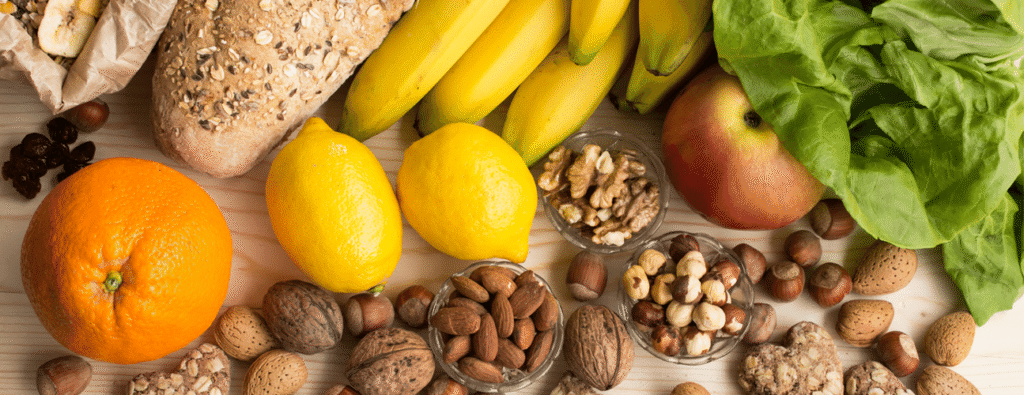
1. Leafy Greens
Leafy greens, including spinach, kale, and Swiss chard, play a vital role in detoxifying the body, particularly after consuming fast food, which is often laden with unhealthy fats and additives. These greens are nutrient-dense, offering a wealth of essential vitamins and minerals that can help counteract the adverse effects of processed foods. One of the most significant benefits of leafy greens is their high fiber content, which promotes a healthy digestive system. Fiber aids in regular bowel movements and helps to eliminate toxins that have accumulated in the digestive tract.
In addition to fiber, leafy greens are rich in vitamins, such as vitamin A, which is crucial for maintaining good vision and immune health, vitamin C, known for its antioxidant properties, and vitamin K, which is important for blood clotting and bone health. Moreover, these greens contain valuable minerals like iron and calcium, both of which contribute to overall bodily functions. Iron is essential for oxygen transport in the blood, while calcium is vital for muscle function and bone strength.
Incorporating leafy greens into one’s diet can significantly enhance overall well-being. For instance, kale is known for its high concentration of antioxidants, which help reduce inflammation and support heart health. By regularly consuming leafy greens, individuals can improve their nutrient intake while simultaneously bolstering their bodies’ defenses against the heavy ingredients typically found in fast food. Thus, including spinach, kale, and Swiss chard in meals can lead to improved digestive health and a stronger, more resilient body capable of recovering from the effects of fast food consumption. This makes leafy greens an indispensable part of a balanced diet for those looking to heal and rejuvenate their bodies.
2. Berries: A Nutritional Powerhouse
Berries are among the most nutritious foods that can help the body recover after consuming fast food. Varieties such as blueberries, strawberries, and raspberries are particularly beneficial due to their remarkable antioxidant properties. These antioxidants, including anthocyanins and flavonoids, play a crucial role in combating oxidative stress—a condition exacerbated by the consumption of unhealthy meals. Oxidative stress can lead to a variety of health issues, including chronic inflammation, which is linked to many diseases.
Notably, the high vitamin C content found in berries enhances their healing capabilities. Vitamin C is essential in repairing tissues, reducing inflammation, and boosting the immune system. This vitamin acts as a powerful antioxidant itself, further supporting the body’s defense against the harmful effects of fast food consumption. Including berries in the diet contributes significantly to replenishing the nutrients that might be lacking after indulging in processed foods.
Additionally, berries are excellent sources of dietary fiber, which aids in digestion and helps curb cravings for additional sugary and unhealthy options. Fiber promotes a feeling of fullness, making berries an effective snack choice for those trying to avoid the allure of fast food. The soluble fibers found in these fruits can also assist in regulating blood sugar levels, reducing the likelihood of spikes after a high-carb fast-food meal.
Incorporating a variety of berries into your daily diet not only benefits your overall health but also provides a delicious way to recover from the repercussions of fast food. Their natural sweetness can satisfy sugar cravings while providing essential nutrients, making them a wise alternative after a fast-food indulgence.
3. Lean Proteins
Lean proteins are an essential component of a balanced diet, especially after indulging in fast food. Sources such as chicken breast, turkey, fish, and plant-based options—including legumes and tofu—offer numerous benefits that can significantly aid the body’s recovery process. These proteins are essential for muscle repair and recovery, providing the body with the necessary amino acids to rebuild tissues that may have been compromised by unhealthy eating habits.
Consuming lean proteins not only supports muscle health but also enhances metabolism. The thermic effect of food (TEF) indicates that our body burns more calories digesting proteins than it does fats or carbohydrates. This increased energy expenditure can contribute to weight management and help mitigate some of the negative effects of consuming fast food. Lean proteins also play a crucial role in promoting satiety, which can help curb cravings for unhealthy snacks and fast food.
Amino acids, the building blocks of proteins, are vital for maintaining a healthy immune system. They optimize immune function by supporting the production of antibodies and the regulation of immune responses. After consuming high-fat and high-sugar fast food, incorporating lean proteins into your diet can facilitate the repair of muscles and tissues, enabling your body to return to its optimal functioning level more quickly.
Whether you choose chicken, turkey, fish, or plant-based proteins, integrating these foods into your meals can be a powerful strategy for recovery after fast food consumption. By prioritizing lean proteins in your diet, you not only promote better overall health but also reduce the likelihood of indulging in more fast food in the future. These dietary adjustments are crucial in achieving a balanced lifestyle and embodying the principles of healthy eating.
4. Whole Grains
Incorporating whole grains into your meals after consuming fast food can significantly benefit your recovery process. Whole grains such as quinoa, brown rice, and whole grain bread are rich in essential nutrients that your body craves. Unlike refined grains, whole grains retain their bran and germ, which are packed with fiber, vitamins, and minerals. This fiber content is crucial as it promotes healthy digestion, facilitating the elimination of toxins introduced into the body through less nutritious fast food options.
Moreover, the presence of fiber in whole grains helps prevent sharp spikes in blood sugar levels, which are often associated with high-glycemic fast food meals. By choosing whole grains, you provide your body with a more balanced energy source. This steady release of energy can help you avoid the post-fast food slump, where fatigue and sluggishness often set in. Integrating whole grains into your diet can lead to sustained energy levels throughout the day, making it easier to stay active and focused.
Additionally, whole grains contribute to reducing cravings for unhealthy snacks. When your body is adequately nourished with fiber-rich whole grains, you are less likely to seek out sugary or highly processed snacks, which can derail your efforts toward healthier eating habits. Quinoa, for instance, is not only nutrient-dense but also contains all nine essential amino acids, making it a protein powerhouse. Brown rice is another excellent option, rich in B vitamins that support metabolism and energy production.
By consciously incorporating whole grains into your post-fast food meals, you are not only enhancing your nutritional intake but also fostering a more balanced approach to your wellness journey. These grains serve as a vital component in rebuilding your body’s resilience while steering you away from the pitfalls of unhealthy eating patterns.
5. Avocado
Avocados are increasingly recognized for their remarkable health benefits, acting as a counterbalance to the negative impacts of fast food consumption. Rich in healthy fats, specifically monounsaturated fats, avocados provide the body with essential fatty acids that promote heart health. These fats can help to reduce cholesterol levels, thereby decreasing the risk of heart disease. In addition to their fat content, avocados are an excellent source of dietary fiber. Fiber plays a crucial role in digestive health by promoting regular bowel movements and aiding in nutrient absorption, which is particularly beneficial following the intake of fast food that often lacks nutritional value.
Moreover, avocados are packed with potassium, a vital mineral that helps regulate blood pressure and is essential for optimal muscle function. A higher intake of potassium-rich foods like avocados can help mitigate the effects of sodium often present in fast food, thus promoting cardiovascular health. The combination of healthy fats, fiber, and potassium makes avocados a nutrient-dense food that supports overall wellness and mitigates health risks associated with fast food consumption.
Incorporating avocados into meals can be both easy and delicious. They can be enjoyed sliced on toast, blended into smoothies for a creamy texture, or mashed to create a flavorful guacamole. Adding avocado to salads not only enhances the dish’s nutritional profile but also adds a satisfying creaminess. Dicing avocado into soups or using it as a topping for grilled meats can elevate both taste and health benefits. By choosing avocados as a staple in your diet, you can significantly support your body’s recovery process after indulging in fast food, making them an ideal addition to your meals.
6. Nuts and Seeds
Nuts and seeds are integral to a balanced diet, especially after indulging in fast food. These foods, including almonds, walnuts, chia seeds, and flaxseeds, are rich sources of healthy fats, protein, and essential nutrients that can aid in recovery and promote overall health. The healthy fats found in nuts and seeds play a crucial role in reducing inflammation in the body. This is particularly important after consuming fast food, which is often laden with unhealthy fats and processed ingredients.
Almonds, for instance, are high in vitamin E, an antioxidant that can help protect cells from oxidative damage caused by unhealthy meals. Walnuts are another beneficial option, as they contain omega-3 fatty acids, which are known to support heart health and reduce the risk of cardiovascular diseases. Chia seeds and flaxseeds are abundant in fiber and omega-3s, which can contribute to improved digestion and lower inflammation levels.
Incorporating nuts and seeds into your diet can be both simple and rewarding. They can be enjoyed as a snack on their own or added to other meals for a nutrient boost. For example, you can sprinkle chia seeds on a smoothie or yogurt, include flaxseeds in your oatmeal, or toss a handful of almonds or walnuts into a salad for added crunch and healthy ingredients. Not only do these foods enhance the taste of your meals, but they also provide the essential nutrients needed to support recovery after a fast food binge.
Moreover, consuming nuts and seeds regularly may help prevent the adverse health effects commonly associated with fast food diets. By integrating these wholesome options into your lifestyle, you can promote heart health and overall wellness, effectively counteracting the impacts of less nutritious food choices.
7. Herbal Teas
Herbal teas have long been revered for their soothing and detoxifying properties, making them an ideal beverage choice when recovering from the aftermath of consuming fast food. Varieties such as green tea, ginger tea, and peppermint tea not only offer hydration but also boast numerous health benefits that can aid digestion and help cleanse the body.
Green tea, rich in antioxidants known as catechins, enhances metabolic activity and supports the body’s ability to detoxify. Its natural compounds promote fat oxidation and improve insulin sensitivity, making it an effective option for those looking to counteract the effects of unhealthy eating. Regular consumption of green tea can help mitigate the inflammatory responses triggered by fast food consumption, thereby promoting overall digestive health.
Similarly, ginger tea stands out for its ability to soothe the digestive tract. Ginger is renowned for its anti-inflammatory and antioxidant properties. It aids digestion by stimulating saliva production, which is beneficial after indulging in rich, greasy foods. Furthermore, ginger tea can help alleviate nausea, reduce bloating, and improve gut health, providing a comforting relief often sought after heavy meals.
Peppermint tea, on the other hand, is well-regarded for its calming effects on the stomach. Known to alleviate gas and bloating, peppermint tea relaxes the muscles of the gastrointestinal tract, resulting in improved digestion. Its pleasant aroma and taste offer a sense of comfort that can be particularly soothing after a day of poor food choices.
Incorporating these herbal teas into your routine can provide a restorative approach to counteracting the stress and discomfort associated with fast food consumption. By promoting better digestion, reducing bloating, and offering antioxidants, herbal teas serve as an effective means of healing the body and restoring balance.