12. Bone Broth
Bone broth has gained significant attention in recent years, particularly for its gut-healing properties. This nutrient-rich liquid is made by simmering bones, connective tissues, and various vegetables over an extended period, which extracts a wealth of beneficial compounds. One of the most prominent components found in bone broth is collagen, which plays a crucial role in maintaining the integrity of the gut lining.
The gut lining is essential for overall digestive health, as it acts as a barrier that prevents harmful substances from entering the bloodstream. Collagen, along with other amino acids like glycine and proline present in bone broth, supports the repair and maintenance of this barrier. By consuming bone broth, individuals may promote the healing of leaky gut syndrome and enhance their digestive capabilities, leading to improved nutrient absorption.
Moreover, bone broth is abundant in essential minerals such as calcium, magnesium, and phosphorus, which are vital for maintaining gut health. These minerals not only aid in digestion but also contribute to overall health, supporting everything from bone strength to immune function. Furthermore, the gelatin derived from collagen in the broth can soothe the digestive tract, promoting a balanced gut environment.
Incorporating bone broth into one’s diet can be simple and delicious. It can be consumed on its own, used as a base for soups and sauces, or added to various dishes for flavor and nutrition. As more individuals turn to natural remedies to support their health, the benefits of bone broth for gut healing cannot be overlooked. Whether enjoyed daily or a few times weekly, bone broth is an excellent ally in the pursuit of better digestive health.
11. Fermented Foods
Fermented foods have gained significant attention in recent years due to their remarkable capacity to enhance gut health. These foods undergo fermentation, a natural process where microorganisms such as bacteria and yeasts break down carbohydrates, leading to the production of beneficial compounds. Some of the most popular fermented foods include yogurt, kefir, sauerkraut, and kimchi, each with unique flavors and health benefits.
One of the primary advantages of consuming fermented foods is their rich content of probiotics. Probiotics are live bacteria that, when consumed in adequate amounts, can confer health benefits to the host. Fermented foods serve as an excellent source of these beneficial microorganisms, which play a crucial role in maintaining a balanced gut microbiome. A healthy microbiome can improve digestion, boost immunity, and even affect mood and mental health.
Yogurt, for instance, is one of the most widely recognized fermented foods. It is made by fermenting milk with specific bacterial cultures that aid in breaking down lactose, making it easier for many individuals to digest dairy. Similarly, kefir is a fermented milk drink that contains a diverse array of beneficial bacteria and yeasts, making it exceptionally potent for gut health.
Vegetable-based fermented foods like sauerkraut and kimchi also contribute significantly to digestive health. They are produced through the fermentation of cabbage and other vegetables with salt, enabling the growth of lactic acid bacteria. These foods not only add flavor to meals but also enhance nutrient absorption and promote a thriving gut flora.
Incorporating a variety of fermented foods into your diet can help ensure a diverse intake of probiotics, thus fostering a resilient gut microbiome. As you explore these health-enhancing foods, aim for those with minimal added sugars or preservatives to maximize the benefits. By actively including fermented foods in your daily routine, you may find a significant improvement in your overall gut health.
10. Leafy Greens
Leafy greens, such as spinach, kale, and Swiss chard, are prominent components of a balanced diet, renowned for their exceptional health benefits. Rich in dietary fiber and essential nutrients, these greens are vital for promoting optimal digestive health. Fiber plays a critical role in the digestive process by adding bulk to stools and facilitating regular bowel movements. Spinach, for example, contains soluble and insoluble fiber, which together support gut motility and help prevent constipation.
Moreover, leafy greens are abundant in vitamins and minerals that further enhance gut health. They are excellent sources of vitamins A, C, and K, as well as minerals like magnesium and calcium. These nutrients are not only important for bodily functions but also serve to nourish the beneficial bacteria in the gut. This symbiotic relationship between leafy greens and gut microbiota fosters a favorable environment for digestion, allowing the body to absorb nutrients effectively.
Another notable aspect of leafy greens is their high antioxidant content. Antioxidants help combat oxidative stress and inflammation in the gut, which are known contributors to digestive disorders. By integrating leafy greens into one’s diet, individuals may experience improved gut health and reduced risk of gastrointestinal issues.
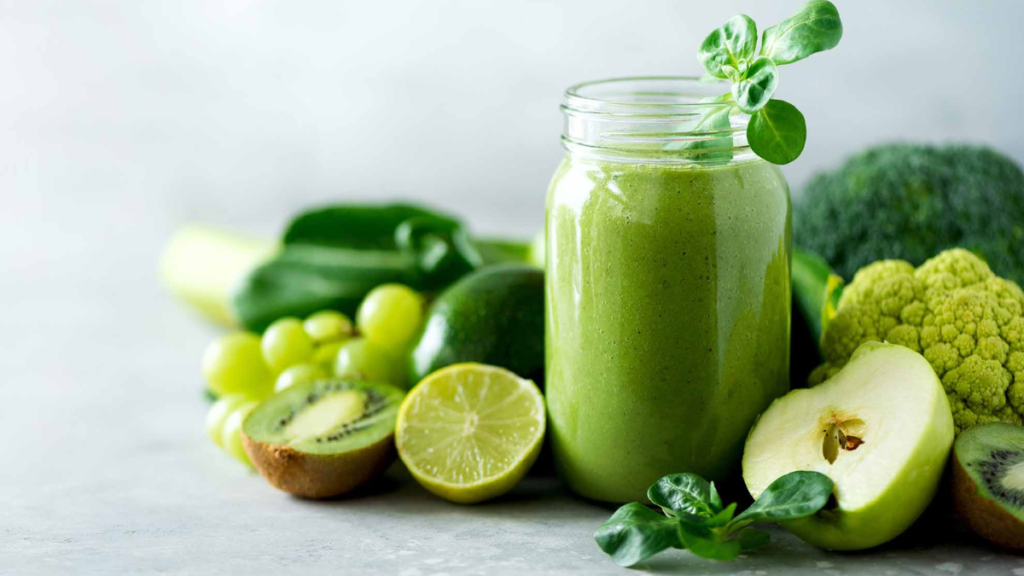
Incorporating these greens into meals can be quite simple; they can be added to smoothies, salads, and soups or sautéed as a nutritious side dish. Ultimately, the regular consumption of leafy greens not only enriches one’s diet but also plays a significant role in sustaining gut health and overall well-being.
9. Garlic
Garlic (Allium sativum) stands as a potent ally in the promotion of gut health, primarily due to its classification as a prebiotic food. Prebiotics are non-digestible food components that stimulate the growth and activity of beneficial gut bacteria. The unique compounds found in garlic, particularly fructooligosaccharides, serve as a food source for these helpful microbes, fostering a balanced gut microbiome. A well-functioning gut microbiome is essential for overall digestive health, and garlic’s ability to enhance beneficial bacteria can be a critical factor in achieving this balance.
In addition to its prebiotic properties, garlic possesses impressive antimicrobial characteristics. The active compounds in garlic, such as allicin, are known for their ability to combat harmful bacteria, fungi, and viruses. This antimicrobial action can help to mitigate the negative effects of pathogenic organisms that may disrupt gut flora, aiding in maintaining a healthy digestive environment. A diet that includes garlic may not only foster beneficial bacterial growth but also inhibit harmful microbes that contribute to various digestive issues.
Moreover, garlic’s anti-inflammatory properties can further support gut health. Chronic inflammation is often linked to a host of gastrointestinal disorders, and consuming foods that reduce inflammation, like garlic, can play a significant role in gut healing. Incorporating garlic into meals adds flavor while simultaneously contributing to a healthier gut lining and overall digestive health. Therefore, embracing garlic as part of a balanced diet may serve as a natural remedy for promoting gut wellness and combating imbalances within the digestive system.
8. Ginger
Ginger (Zingiber officinale) is a well-known spice that has been utilized for centuries not only for its culinary significance but also for its numerous medicinal properties. Renowned for its potent anti-inflammatory effects, ginger plays a crucial role in digestion and gut health. Traditional medicine often highlights ginger’s effectiveness in treating various stomach ailments, making it a popular natural remedy for those seeking relief from digestive discomfort.
The anti-inflammatory properties of ginger are attributed primarily to its active compounds, such as gingerols and shogaols. These compounds help alleviate gastrointestinal inflammation, promoting overall gut well-being. By reducing inflammation in the stomach lining, ginger can aid in the management of conditions like gastritis and other inflammatory disorders. Additionally, ginger is known to stimulate saliva, bile, and gastric enzymes, enhancing the digestion process and ensuring better nutrient absorption.
Beyond its role in digestion, ginger effectively soothes upset stomachs and reduces nausea. It is commonly recommended for individuals experiencing morning sickness, motion sickness, or even nausea stemming from chemotherapy. The ginger root can be consumed in various forms, including fresh, dried, pickled, or as a tea, allowing individuals to incorporate it easily into their diet. Each preparation method offers its health benefits, enabling flexibility for those who seek to promote gut health.
Incorporating ginger into your daily routine can provide significant benefits for gut health. Whether enjoyed as a soothing tea after meals, added to stir-fries, or consumed in powdered form in various dishes, ginger remains a versatile and effective ingredient. Embracing its natural properties can be a valuable step toward maintaining optimal digestive health and achieving a well-functioning gut.
7. Apples
Apples are a remarkably nutritious fruit that are celebrated not just for their refreshing taste but also for their significant health benefits, particularly concerning gut health. One of the key components of apples is their high fiber content, which is essential for maintaining a healthy digestive system. Among the various types of dietary fibers found in apples, pectin stands out as a soluble fiber that plays a pivotal role in gut health.
Pectin helps to regulate digestion by forming a gel-like substance in the intestines, which aids in the slowing down of food passage. This mechanism allows for better nutrient absorption and promotes a feeling of fullness, which can help manage weight. Additionally, pectin serves as a prebiotic, meaning it supports the growth of beneficial gut bacteria. A diverse microbiome is crucial as it protects against harmful bacteria and improves overall gut function.
This fermentation process, stimulated by pectin, produces short-chain fatty acids such as butyrate, which have been shown to reduce inflammation and nourish the cells of the colon. This not only contributes to improved gut health but also supports the immune system, highlighting the multifaceted benefits of consuming apples regularly.
Moreover, apples are rich in antioxidants, particularly quercetin and flavonoids, which can further enhance gut health by neutralizing oxidative stress and inflammation. Including apples in your diet may support the variety and balance of your gut flora, essential factors for good digestive health. By incorporating this simple yet powerful fruit into your daily meals, you may enhance your gut health naturally.
6. Avocado
Avocado is not only a delicious fruit but also a powerhouse of nutrients that can significantly benefit gut health. One of the key attributes of avocados is their high content of healthy fats, specifically monounsaturated fats. These fats are known for their role in reducing inflammation within the body, thus promoting a healthier gut environment. By incorporating avocados into your diet, you can help your body manage inflammation, which may be linked to various digestive issues.
Another significant benefit of avocados is their impressive fiber content. Fiber is essential for gut health as it aids in digestion and promotes regular bowel movements. A single medium avocado contains approximately 10 grams of dietary fiber, which can contribute to improved gut transit time and a reduced risk of constipation. This high fiber content also supports the growth of beneficial gut bacteria, fostering a balanced microbiome and enhancing overall digestive health.
Moreover, the unique combination of healthy fats and fiber found in avocados can help stabilize blood sugar levels, which is crucial for maintaining energy and preventing spikes that can lead to fatigue and digestive discomfort. By incorporating avocados into meals, you can enjoy not only their creamy texture and rich flavor but also a multitude of health benefits that support gut function.
In conclusion, avocados are an excellent choice for those looking to heal their gut naturally. Their healthy fats possess anti-inflammatory properties while their fiber content aids digestion and promotes a thriving gut microbiome. Regular consumption of avocados can play a pivotal role in achieving optimal gut health and overall well-being.
5. Bananas
Bananas are a widely recognized fruit that not only delights the palate but also plays an essential role in promoting digestive health. They are particularly noted for their rich content of dietary fiber, which is crucial for effective digestion. Fiber aids in regulating bowel movements, preventing constipation, and contributing to overall gut health.
Specifically, bananas contain two types of fiber: soluble and insoluble. Soluble fiber, which is present in bananas, has the ability to absorb water and form a gel-like substance in the digestive tract. This process helps to slow down digestion, leading to a more gradual release of carbohydrates into the bloodstream, ultimately stabilizing blood sugar levels. The presence of this fiber is advantageous for those seeking to enhance their digestive processes.
In addition to fiber, bananas are a potent source of potassium, an essential mineral that supports various bodily functions, including muscle contractions and nerve signaling. Adequate potassium intake is vital for maintaining a healthy gut, as it helps to regulate fluid balance and supports the proper functioning of digestive muscles. This means that consuming bananas can contribute to efficient movement through the intestines.
Furthermore, bananas promote the growth of beneficial gut bacteria, such as probiotics. The natural prebiotics found in bananas serve as food for these good bacteria, fostering a balanced gut microbiome. A healthy gut flora is critical for optimal digestion, immune function, and overall health. Thus, incorporating bananas into one’s diet can significantly support digestive health and ensure a thriving gut environment.
4. Berries and Gut Health
Berries are not only delicious but are also packed with nutrients that can significantly benefit gut health. They are rich in antioxidants, particularly polyphenols, which help combat inflammation in the body. Chronic inflammation can adversely affect the gut microbiome, but consuming berries may assist in reducing this inflammation, thereby promoting a healthier gut environment. Common types of berries, such as blueberries, strawberries, raspberries, and blackberries, all contribute to these benefits.
Another crucial aspect of berries is their high fiber content. Dietary fiber is essential for digestive health as it promotes regular bowel movements and helps prevent constipation. Additionally, fiber acts as a prebiotic, serving as food for the beneficial bacteria residing in the gut. By feeding these good bacteria, berries support a balanced microbiome, which is vital for optimal digestion and overall health.
Moreover, the antioxidants found in berries help to protect the gut lining from damage. A healthy gut lining is essential for preventing leaky gut syndrome, a condition that can lead to various health issues. Regular consumption of berries may enhance the integrity of the gut barrier, thus optimizing nutrient absorption and minimizing the risk of toxins entering the bloodstream.
Incorporating a variety of berries into your diet can be as simple as adding them to smoothies, yogurt, or salads. By doing so, not only do you enjoy their vibrant flavors, but you also take a significant step toward improving your gut health. Engaging with these natural foods can provide a delicious way to enhance your well-being.
3. Green Tea
Green tea, a beverage steeped in tradition and health benefits, has gained recognition for its ability to promote gut health. The polyphenols found in green tea, particularly catechins, have demonstrated significant antimicrobial properties that can aid in restoring gut flora balance. This balance is essential for a healthy digestive system as it combats harmful bacteria while fostering beneficial microorganisms.
Research suggests that regular consumption of green tea can improve gut flora diversity. A diverse gut microbiome is linked to better overall health, as it enhances digestive efficiency and reduces inflammation. The unique compounds in green tea may also help in reducing the risk and symptoms associated with gastrointestinal disorders, such as bloating, diarrhea, and constipation.
Moreover, the antioxidant capacity of green tea is another factor contributing to its gut health benefits. Antioxidants combat oxidative stress in the digestive tract, which can lead to a healthier environment for gut bacteria to thrive. This in turn may support better absorption of nutrients and an enhanced immune response. Drinking green tea can be an effective way to incorporate these protective compounds into your diet.
In addition, some studies have indicated that the consumption of green tea can inhibit the growth of pathogens, further promoting a healthier microbial environment in the gut. By reducing harmful bacteria and promoting beneficial strains, green tea can play a crucial role in managing gut-related issues. Incorporating green tea into your daily routine could, therefore, be an effective step toward enhancing your gut health naturally.
2. Nuts and Seeds
Nuts and seeds are more than just snacks; they are powerful allies for gut health, providing a multitude of benefits thanks to their rich composition of healthy fats, fiber, and antioxidants. These nutrient-dense foods are extensively studied for their positive impact on the gastrointestinal system, particularly in fostering a healthy microbiome.
The primary component that supports gut health in nuts and seeds is their high fiber content. Fiber acts as a prebiotic, which serves as food for beneficial gut bacteria. A diverse and flourishing gut microbiome is crucial for breaking down foods, absorbing nutrients, and maintaining overall digestive health. Regular consumption of nuts like almonds, walnuts, and seeds such as flaxseeds and chia seeds can significantly enhance the bacterial population that is beneficial for gut functionality.
In addition to fiber, the healthy fats found in these foods also play a critical role. Nuts are rich in monounsaturated fats and omega-3 fatty acids, which reduce inflammation and promote the integrity of the gut lining. An intact gut barrier is essential to prevent the seepage of toxins into the bloodstream, which can lead to a variety of health issues. Regularly including these healthy fats in your diet can, therefore, lead to improved gut health.
Furthermore, nuts and seeds contain antioxidants, which help combat oxidative stress within the gut. Oxidative stress can damage the cells lining the gut, potentially leading to conditions such as leaky gut syndrome. Antioxidants such as vitamin E, which is abundant in nuts, help to mitigate this stress and promote a healthier gut environment.
Incorporating a variety of nuts and seeds into your daily diet can not only enhance your nutrient intake but also support a thriving gut microbiota, ultimately leading to better digestive health and overall well-being.
1. Fermented Soy Products
Fermented soy products such as miso and tempeh are renowned for their numerous health benefits, particularly for gut health. These foods undergo fermentation, a process that enhances their probiotic content significantly. Probiotics are beneficial bacteria that play a crucial role in maintaining a balanced gut microbiome. A healthy gut microbiome is essential for digestive efficiency, immune function, and even mental health.
Miso, a traditional Japanese seasoning made from fermented soybeans, contains an array of enzymes and beneficial microbes that can aid digestion. Incorporating miso into your diet can bolster your gastrointestinal flora, thus promoting optimal gut health. On the other hand, tempeh is a fermented soybean product that is rich in protein and offers a unique combination of prebiotics and probiotics. The fermentation process not only makes soy protein more digestible but also enhances the bioavailability of nutrients, making them easier for the body to absorb.
The consumption of fermented soy products is linked to numerous health benefits. Studies have suggested that these foods can help reduce the risk of gastrointestinal disorders, such as irritable bowel syndrome and inflammatory bowel disease. Furthermore, they may lower cholesterol levels and improve heart health. The probiotics found in miso and tempeh can naturally combat harmful bacteria in the gut, supporting a healthy digestive balance.
In summary, integrating fermented soy products into your daily diet may help heal the gut and maintain overall digestive health, making them a valuable addition to any health-conscious eating plan.