
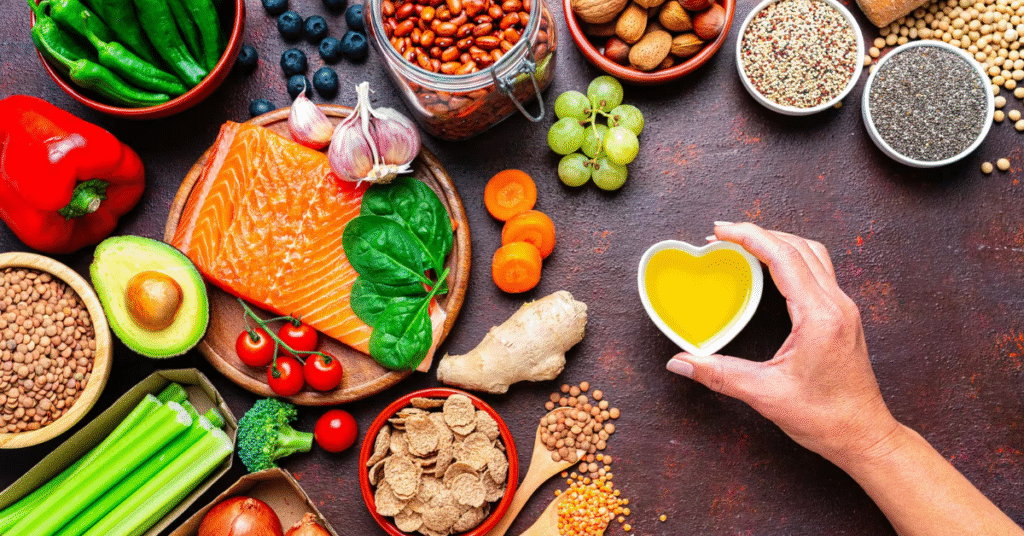
7. Spinach
Spinach is widely recognized for being a powerhouse of essential nutrients. This leafy green vegetable is packed with vitamins, minerals, and antioxidants, making it a top choice for those aiming to promote their heart health naturally. Rich in potassium, spinach plays a crucial role in regulating blood pressure levels. A diet that is high in potassium can help mitigate the negative effects of sodium, ultimately supporting cardiovascular function.
In addition to potassium, spinach is an excellent source of folate, which is vital for maintaining a healthy heart. Folate helps reduce levels of homocysteine, an amino acid that, when present in high concentrations, is associated with an increased risk of heart disease. The combination of potassium and folate in spinach not only aids in blood pressure management but also enhances arterial function.
Moreover, spinach is loaded with antioxidants, such as lutein and beta carotene, which have been shown to protect your heart from oxidative stress. Oxidative stress is a condition that can lead to inflammation and damage to blood vessels, increasing the risk of heart-related issues. By incorporating spinach into your diet, you can benefit from these heart-protective nutrients.
To add more spinach to your daily meals, consider incorporating it into salads, smoothies, or as a cooked side dish. You can blend fresh spinach into smoothies alongside fruits for a nutritious breakfast or sauté it with garlic and olive oil as a side to your dinner. By regularly consuming spinach, you can enhance your heart health while enjoying a versatile and delicious vegetable.
6. Blueberries
Blueberries, often celebrated for their vibrant color and sweet flavor, are also recognized for their impressive health benefits, particularly concerning heart health. These small berries are exceptionally rich in antioxidants, specifically a type known as flavonoids. Flavonoids combat oxidative stress and inflammation in the body, which are significant contributors to the development of cardiovascular diseases. By incorporating blueberries into your diet, you may effectively reduce the risk factors associated with heart-related ailments.
Numerous studies highlight the relationship between blueberry consumption and improved cardiovascular health. Research published in the American Journal of Clinical Nutrition indicates that individuals who regularly consume blueberries may experience benefits such as lower blood pressure and improved cholesterol levels. One study demonstrated that participants who included blueberries in their diet exhibited a marked decrease in arterial stiffness compared to those who did not. This finding suggests that blueberries could have a protective effect against the development of heart disease, making them an invaluable addition to a heart-healthy diet.
Incorporating blueberries into your meals can be both enjoyable and versatile. They can be added to smoothies, providing not only flavor but also a nutrient boost. Alternatively, blueberries can complement salads, offering a refreshing tartness that pairs well with leafy greens and feta cheese. You may also consider incorporating them into oatmeal or yogurt for breakfast, or as a natural sweetener in baking recipes. With their varied uses, blueberries offer an approachable way to enhance your diet while supporting heart health.
5. Salmon
Salmon is renowned for its heart-healthy properties, particularly due to its high content of omega-3 fatty acids. These essential fats, primarily eicosapentaenoic acid (EPA) and docosahexaenoic acid (DHA), play a significant role in promoting cardiovascular health. Research indicates that omega-3 fatty acids can help reduce blood clot formation, lower blood pressure, and diminish the risk of heart arrhythmias. By incorporating salmon into one’s diet, individuals can contribute positively to their overall heart health.
When considering salmon, it’s essential to differentiate between wild-caught and farmed varieties. Wild-caught salmon is generally regarded as the healthier option because it contains a higher concentration of omega-3s and lower levels of harmful contaminants. Conversely, farmed salmon may be richer in omega-6 fatty acids, which could lead to an imbalance in dietary fat intake. Moreover, farmed salmon might also contain antibiotics and other additives, raising concerns regarding health impacts. Therefore, selecting wild-caught salmon, when possible, can be beneficial for those seeking to maximize their intake of beneficial nutrients.
In terms of meal preparation, there are numerous delicious ways to include salmon in a balanced diet. Grilling, baking, or poaching are popular methods that preserve the natural flavors and nutritional content. Additionally, incorporating salmon into salads, pastas, or rice bowls not only enhances the flavor but also boosts the meal’s overall health benefits. For convenience and variety, canned salmon or smoked salmon can also be considered, offering practical options for quick meals without compromising on heart-healthy attributes. Overall, making salmon a regular part of the diet can significantly contribute to cardiovascular well-being.
4. Avocados
Avocados are renowned for their numerous health benefits, particularly in promoting heart health. One of the standout features of avocados is their rich content of healthy monounsaturated fats, notably oleic acid. These fats are essential for maintaining cardiovascular health as they can help lower levels of low-density lipoprotein (LDL), commonly referred to as bad cholesterol, while simultaneously increasing levels of high-density lipoprotein (HDL), known as good cholesterol. This balance is crucial in reducing the risk of heart disease.
In addition to their healthy fat content, avocados are packed with important nutrients that contribute to overall heart health. They are an excellent source of potassium, a mineral that helps regulate blood pressure. Adequate potassium intake is associated with a lower risk of hypertension, further protecting against heart attacks and strokes. Furthermore, avocados contain a variety of vitamins such as vitamin E, which acts as an antioxidant, combating oxidative stress and inflammation that can lead to heart disease.
To incorporate avocados into your diet, consider adding them to salads, smoothies, or spreads. For a heart-healthy breakfast, spreading mashed avocado on whole-grain toast provides not only a satisfying meal but also essential nutrients. Alternatively, avocados can be featured in dips, such as guacamole, which can enhance social gatherings while benefiting health. Whether eaten raw, blended, or made into a dressing, avocados are versatile and can be seamlessly integrated into various dishes.
In summary, incorporating avocados into your daily diet can contribute significantly to heart health due to their high levels of monounsaturated fats, potassium, and essential vitamins. These benefits make them an ideal choice for those aiming to improve their cardiovascular well-being.
3. Nuts
Nuts, such as almonds, walnuts, and pistachios, are not only tasty but also packed with vital nutrients that can enhance heart health. These small but mighty foods provide an important source of protein, fiber, and healthy fats, making them a perfect addition to a balanced diet aimed at cardiovascular wellness. Regular consumption of nuts has been linked to lower cholesterol levels, reduced inflammation, and improved overall heart function.
Almonds, for instance, are rich in vitamin E and magnesium, both of which contribute to healthy blood pressure and arterial function. They have been shown in studies to decrease levels of bad cholesterol (LDL) while increasing good cholesterol (HDL). Walnuts, known for their high omega-3 fatty acid content, play a crucial role in reducing inflammation in the body. Research indicates that individuals who include walnuts in their diets may experience a lower risk of heart disease due to the antioxidants and healthy fats they contain.
Pistachios also deserve attention; they are one of the lowest-calorie nuts and provide fiber, protein, and a unique blend of vitamins and minerals. Regular consumption of these nuts can result in improved endothelial function, meaning they help maintain the health of blood vessels.
When incorporating nuts into your diet, portion control is key. While they are nutrient-dense, nuts are also energy-dense, and excessive consumption can lead to weight gain. A small handful, approximately 1.5 ounces or 42 grams, is generally considered an appropriate serving size that can provide significant health benefits without contributing to excess calorie intake.
Incorporating a variety of nuts into your meals can enhance not only flavor but also heart health. Whether added to salads, yogurt, or consumed as a snack, nuts serve as a heart-healthy option that contributes to long-term cardiovascular health.
2. Oats
Oats have long been recognized for their heart-healthy properties, primarily due to their high content of soluble fiber, particularly beta-glucan. This specific type of fiber has been extensively studied for its ability to lower levels of LDL cholesterol, often referred to as “bad” cholesterol. By effectively reducing LDL cholesterol, oats can contribute to a lower risk of cardiovascular disease and improve overall heart health.
There are several varieties of oats available on the market, including instant oats, rolled oats, and steel-cut oats. Each type offers unique benefits and can be incorporated into a diet in various ways. Instant oats are quick and convenient for busy mornings; however, they may contain added sugars or flavors. Rolled oats are versatile and can be utilized in a variety of recipes, such as overnight oats, granola, or baked goods. Steel-cut oats, while taking longer to cook, provide a chewier texture and a nuttier flavor, which can be satisfying in heart-healthy meals.
Including oats in your meals can be simple and enjoyable. For breakfast, consider starting your day with a warm bowl of oatmeal topped with fresh fruits or a sprinkle of cinnamon. Oats can also be used as a base for smoothies, enhancing their nutritional profile with heart-friendly fiber. Additionally, oats can be incorporated into savory dishes, such as meatloaf or vegetable patties, providing a hearty texture and beneficial nutrients. For those seeking to adopt a heart-healthy diet, regularly consuming oats can be an effective strategy to improve heart health.
1. Dark Chocolate
Among the numerous foods that can naturally bolster heart health, dark chocolate stands out due to its remarkable antioxidant properties. Rich in flavonoids, dark chocolate can help enhance heart function and reduce inflammation, which are critical indicators of cardiovascular health. The beneficial compounds present in dark chocolate, including polyphenols, have been linked to improved endothelial function and lower blood pressure, making it a favorable choice for those looking to support their heart.
When integrating dark chocolate into your diet, it is important to choose varieties with a high cocoa percentage, typically 70% or higher. This ensures that you are maximizing the intake of beneficial antioxidants while minimizing added sugars and unhealthy fats. The higher the cocoa content, the more concentrated the nutrients that support heart health. Additionally, moderation is key, as even healthy foods can contribute to excess calorie intake if consumed in large amounts.
There are many enjoyable ways to include dark chocolate as part of a balanced diet for heart health. One simple approach is to enjoy a small piece of dark chocolate as an afternoon snack, which can help curb cravings and provide a satisfying treat without overindulging. Another idea is to incorporate it into breakfast by adding dark chocolate shavings or cocoa powder to oatmeal or smoothie bowls. You can also use melted dark chocolate as a topping for fruit, enhancing its health benefits while satisfying your sweet tooth.
In summary, dark chocolate serves as a delicious and healthful ally for heart health when consumed responsibly. By selecting chocolate with a high cocoa content and incorporating it wisely into a balanced diet, individuals can take advantage of its heart-healthy attributes, making it a worthy addition to their nutritional regimen.