
8. White Tea
White tea, often considered one of the most delicate forms of tea, is derived from the young leaves and buds of the tea plant, Camellia sinensis. This tea variety is particularly known for its high concentration of catechins, a type of antioxidant that has been linked to various health benefits, including enhanced cognitive functions. The presence of L-theanine, an amino acid primarily found in tea, further contributes to the potential memory-boosting effects of white tea.
Catechins are thought to improve brain function by increasing blood flow to the brain, which subsequently promotes higher levels of alertness and cognitive performance. Studies suggest that these antioxidants may help protect neurons from damage, thereby reducing the risk of memory loss associated with aging. Furthermore, L-theanine is recognized for its ability to induce relaxation without causing drowsiness, creating a balanced state of calmness that can improve focus and concentration.
Incorporating white tea into your daily routine can be simple and enjoyable. One effective way to consume it is by substituting your regular morning beverage with a cup of freshly brewed white tea. This aromatic drink can also be enjoyed throughout the day, either hot or iced, depending on your preference. For added flavor, consider adding a slice of lemon or a touch of honey. Additionally, pairing white tea with a light snack, such as nuts or fresh fruit, can create a nutritious combination that supports overall brain health.
As you explore the various health benefits of different teas, specifically white tea, you may want to experiment with different brands and brewing methods to find the one that best suits your taste preferences. Incorporating white tea into your diet not only contributes to hydration but may also serve as a delightful way to enhance your memory and cognitive abilities.
7. Blueberries
Blueberries are often touted as a superfood, and for good reason, particularly when it comes to supporting brain health. These small, vibrant berries are packed with antioxidants, most notably flavonoids, which have been shown to play a crucial role in enhancing cognitive function and overall memory. Research highlights that the high concentration of flavonoids in blueberries can improve neural signaling, which is key for effective communication between brain cells.
Studies suggest that regular consumption of blueberries may help delay brain aging and improve memory performance. For instance, a study published in the “Annals of Neurology” found that individuals who consumed higher amounts of blueberries experienced slower rates of cognitive decline compared to those who consumed fewer servings. This protective effect is believed to stem from the ability of flavonoids to combat oxidative stress and inflammation, both of which can negatively impact brain function.
Incorporating blueberries into one’s diet is both easy and delicious. They can be added to breakfast smoothies, oatmeal, or yogurt for a nutritious start to the day. Alternatively, they serve as a delightful addition to salads or desserts, allowing for versatility in meal preparations. Additionally, many people enjoy them raw as a convenient snack. Since they are low in calories yet high in nutrients, blueberries present an appealing option for those looking to enhance their diet while naturally boosting their memory.
Overall, integrating blueberries into your daily routine can contribute to improved brain health and cognitive function, making them a simple yet effective choice for anyone seeking to promote better memory through natural means.
6. Fatty Fish
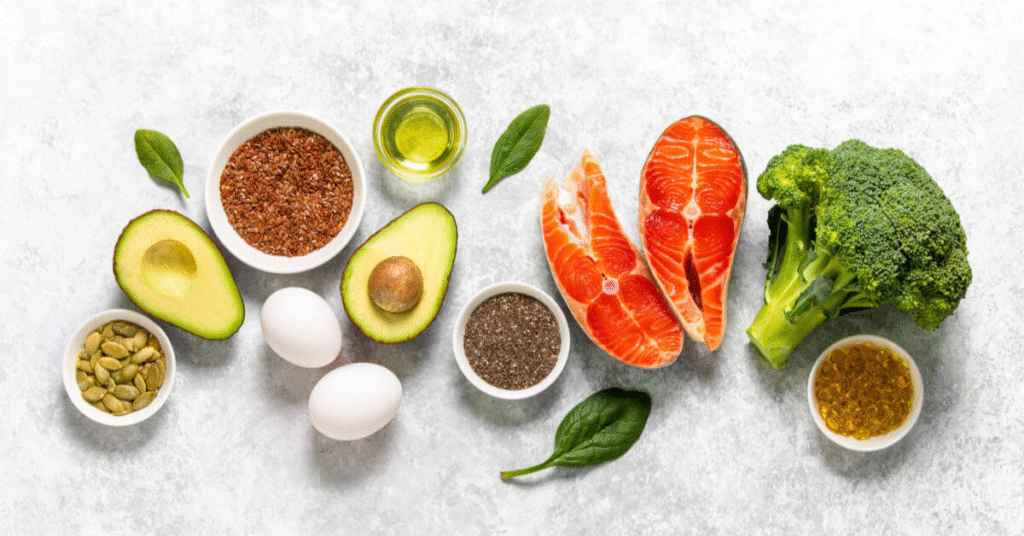
Fatty fish, such as salmon, trout, sardines, and mackerel, are rich sources of omega-3 fatty acids, which play a crucial role in maintaining optimal brain health. Omega-3 fatty acids, particularly EPA (eicosapentaenoic acid) and DHA (docosahexaenoic acid), are essential for the structure and function of brain cells. These fatty acids contribute significantly to cognitive functions, including enhanced mood, improved memory, and better overall cognitive performance.
Research has indicated that diets high in omega-3 fatty acids can reduce the risk of neurodegenerative diseases and age-related cognitive decline. The anti-inflammatory properties of omega-3s may protect the brain from inflammation, which is often linked to conditions such as Alzheimer’s disease and other forms of dementia. Additionally, omega-3 fatty acids are known to support mood regulation, potentially decreasing the likelihood of depression and anxiety disorders, both of which can impair cognitive function.
Incorporating fatty fish into your weekly diet is straightforward. Aim for at least two servings of fatty fish per week to reap the cognitive benefits these fish offer. Consider meal ideas such as grilled salmon served with a quinoa salad, baked trout with roasted vegetables, or a hearty sardine sandwich on whole grain bread. If fresh fish is not readily available, canned options can also be nutritious and convenient. Simply ensure that you choose varieties packed in water or olive oil to avoid unnecessary additives.
Including fatty fish in your diet not only elevates your omega-3 intake, supporting cognitive health and memory functions but also contributes to overall well-being. Thus, by making a conscious effort to add these beneficial fish to your meals, you can foster a healthier mind and improve cognitive longevity.
5. Broccoli
Broccoli is more than just a versatile vegetable; it is a powerhouse of essential nutrients that can play a significant role in enhancing cognitive abilities. One of the key components found in broccoli is vitamin K, which has been associated with improved memory and overall brain function. Research suggests that this vitamin is crucial for the synthesis of sphingolipids, a type of fat that makes up a significant portion of brain cells.
In addition to vitamin K, broccoli is rich in various antioxidants, such as sulforaphane and glucosinolates. These compounds are known for their protective effects on the brain. They combat oxidative stress by neutralizing harmful free radicals and may reduce the risk of neurodegenerative diseases. The cumulative effect of these nutrients helps to maintain cognitive health and potentially boost memory over time.
Incorporating broccoli into your diet can be simple and enjoyable. One effective way to enjoy this nutritious vegetable is by adding it to stir-fries, where it can retain its crunchy texture and vibrant color while absorbing the flavors of other ingredients. Another option is to steam or roast broccoli as a side dish. This method preserves its nutrient density while enhancing its natural flavor, making it a delicious accompaniment to various meals. Additionally, consider blending broccoli into smoothies or soups, which can be a creative way to increase your intake without sacrificing taste.
Furthermore, combining broccoli with other memory-boosting foods, such as fatty fish or whole grains, can enhance its overall health benefits. By diversifying the ways you prepare and enjoy broccoli, you can maximize its nutritional value while actively contributing to your cognitive well-being.
4. Pumpkin Seeds
Pumpkin seeds, often overlooked as a mere snack, possess remarkable nutritional properties that can significantly enhance brain health and memory retention. They are a rich source of essential minerals such as magnesium, iron, zinc, and copper, each contributing to cognitive function in distinct ways.
Magnesium plays a crucial role in neural processing and communication. It helps regulate neurotransmitters, which send messages throughout the brain and nervous system. A deficiency in magnesium can lead to memory impairments and increased anxiety. Incorporating pumpkin seeds into your diet can help maintain optimal magnesium levels, thereby supporting mental clarity and focus.
Iron is another mineral found abundantly in pumpkin seeds. It is vital for producing hemoglobin, which carries oxygen to the brain. Adequate oxygen supply is essential for enhancing cognitive abilities and preventing fatigue, thereby promoting effective memory function. Individuals who are iron deficient may experience concentration difficulties, highlighting the importance of consuming iron-rich foods like pumpkin seeds.
Zinc is essential for brain health, particularly in the context of neurogenesis and synaptic plasticity, which are critical for learning and memory. Studies have shown that zinc plays a role in modulating hippocampal function, the brain’s center for memory and learning. Additionally, copper facilitates iron absorption and is necessary for the development and maintenance of brain health.
For those looking to incorporate pumpkin seeds into their diet, there are numerous practical ways to do so. They can be added to smoothies, sprinkled over salads, or enjoyed on their own as a nutritious snack. Roasting them with spices can elevate their flavor while enhancing their health benefits. Overall, pumpkin seeds are a simple yet effective way to naturally boost memory and overall brain function.
3. Dark Chocolate
Dark chocolate is often hailed not only as a delicious treat but also as a powerful ally in enhancing cognitive function and memory. This delightful indulgence is rich in flavonoids, a group of compounds found in various plants, which have been shown to promote neuroplasticity—the brain’s ability to adapt and reorganize itself by forming new neural connections. By promoting improved blood flow to the brain, flavonoids found in dark chocolate contribute to better overall brain performance.
Moreover, dark chocolate contains a modest amount of caffeine. This stimulant increases alertness and concentration, which can markedly enhance memory retention and recall. The combination of flavonoids and caffeine strengthens synaptic connections in the brain, ultimately contributing to more efficient information processing. Research suggests that the antioxidants present in dark chocolate also play a crucial role in combatting oxidative stress, a factor that can impair cognition and memory.
To incorporate dark chocolate into one’s diet as a memory-boosting treat, one might consider choosing chocolate that contains at least 70% cocoa to maximize the health benefits. Enjoying a small square of dark chocolate as an afternoon snack provides not only satisfaction but also an effective memory-enhancing boost. Additionally, it can be paired with brain-boosting foods such as nuts and berries, creating a wholesome snack that combines various nutrients beneficial for cognitive health. Furthermore, indulging in dark chocolate in moderation can also help satisfy sweet cravings while promoting mental sharpness.
2. Nuts
Nuts are increasingly recognized as powerhouses of nutrients that offer significant benefits for cognitive health and memory function. Among the various nuts, walnuts stand out due to their high levels of omega-3 fatty acids, which are known to promote brain health. A study published in the journal Nutrición Hospitalaria found that regular consumption of walnuts is positively correlated with cognitive performance, suggesting enhanced memory capabilities.
Besides omega-3 fatty acids, nuts are rich in antioxidants, vitamin E, and healthy fats. These nutrients collectively support cognitive functions by reducing oxidative stress and inflammation, which are factors that can damage brain cells over time. Furthermore, a study conducted by the American Journal of Epidemiology found that participants who included nuts in their diets demonstrated better retention of memory over a span of several years compared to those who did not consume them regularly.
Incorporating nuts into your daily diet can be both enjoyable and straightforward. For instance, a handful of walnuts or almonds makes for a convenient snack. Additionally, they can be added to smoothies, oatmeal, or salads for an extra crunch and flavor. Moreover, experimenting with nut butter, such as almond or peanut butter, offers a delicious spread for toast or an ingredient for energy bars. Recipes incorporating mixed nuts can also serve as an excellent snack option, aligning deliciousness with health advantages.
To reap the memory-boosting benefits of nuts, consider setting aside a small portion to consume each day, ensuring that you are not only indulging in a tasty treat but also enhancing your cognitive well-being. Overall, the incorporation of nuts into your diet serves both a culinary and health purpose, making them an essential addition to any meals aimed at boosting memory function naturally.
1. Eggs
Eggs are often heralded as a nutritional powerhouse, particularly when it comes to brain health and cognitive functioning. Rich in essential nutrients, these versatile foods stand out due to their high choline content. Choline is a vital nutrient that plays a significant role in the synthesis of acetylcholine, a neurotransmitter that is crucial for memory and muscle control. Studies have indicated that adequate intake of choline may enhance cognitive performance, particularly in tasks that require memory recall. Thus, incorporating eggs into your diet can serve as a natural method to support memory improvement.
Beyond their choline content, eggs are also a source of high-quality proteins and other critical vitamins and minerals, such as vitamin B12 and selenium. These nutrients contribute not only to overall health but also to optimal brain function. A balanced diet that includes eggs can help to ensure that individuals receive these essential nutrients consistently.
When thinking of ways to include eggs in your meals, consider the diverse cooking options available. Boiled eggs can be a nutritious addition to salads, while scrambled eggs or omelets can be customized with vegetables for an even greater nutrient boost. Additionally, adding eggs to whole-grain dishes like fried rice or savory baked goods can create hearty, brain-boosting meals. For those who prefer a quick snack, deviled eggs or egg salad sandwiches offer simple yet delicious alternatives.
To summarize, incorporating eggs into your diet not only enhances flavor but also plays a crucial role in maintaining and improving cognitive health. With their abundant supply of choline and other important nutrients, eggs deserve a prominent place in daily meal planning, allowing individuals to enjoy their benefits while satisfying their taste buds.