
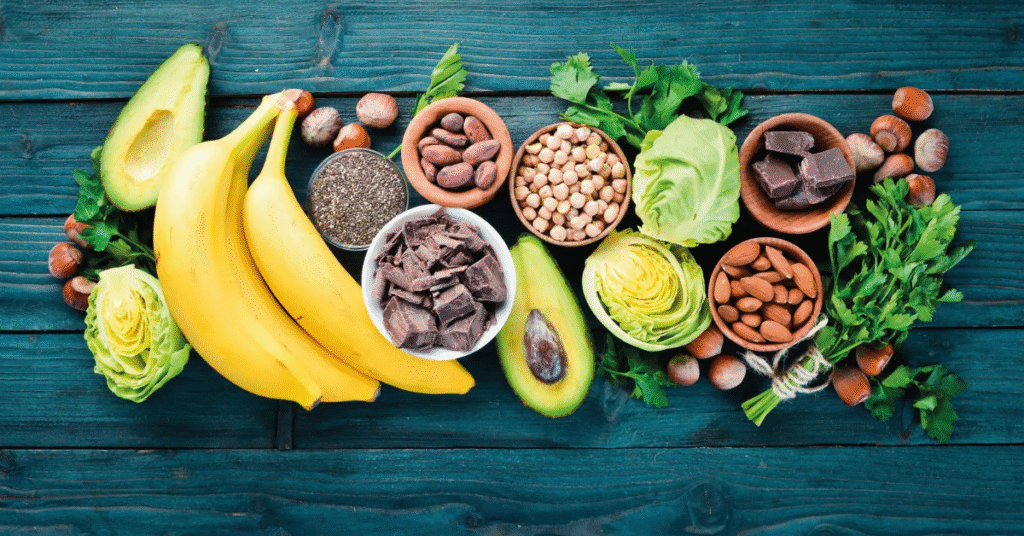
8. Oatmeal
Oatmeal is not only a popular breakfast choice but also serves as an effective comfort food for many individuals. Rich in carbohydrates, oatmeal can significantly influence mood stabilization and anxiety reduction. Carbohydrates are known to promote the production of serotonin, a neurotransmitter that plays a crucial role in regulating mood and feelings of well-being. By incorporating oatmeal into one’s diet, individuals may experience an increase in serotonin levels, leading to a calming effect that can help mitigate feelings of anxiety.
Furthermore, oatmeal has a low glycemic index, which means it releases glucose slowly into the bloodstream. This gradual release of energy helps to keep blood sugar levels stable, preventing the mood swings that can often accompany sudden spikes and drops in glucose. A bowl of oatmeal can provide lasting energy, making it an ideal breakfast option for those seeking to start their day on a positive note.
In addition to its mood-stabilizing properties, oatmeal is also rich in dietary fiber, which contributes to overall health and can further alleviate stress. Fiber aids in digestion, which can be particularly beneficial for individuals who experience gastrointestinal discomfort related to stress or anxiety. By supporting digestive health, oatmeal may indirectly enhance mental well-being.
Oatmeal also serves as a versatile base for various toppings, allowing individuals to personalize their meals according to their preferences while enhancing nutrient intake. Adding fruits, nuts, or seeds not only boosts the flavor but also provides additional vitamins and minerals that support mental health. Therefore, integrating oatmeal into one’s daily routine can be a simple yet effective strategy for managing stress and anxiety levels.
7. Blueberries
Blueberries, often celebrated for their vibrant color and delicious taste, possess remarkable health benefits that extend to reducing stress and anxiety levels. These small yet powerful fruits are rich in antioxidants, particularly flavonoids, which have gained attention for their positive impact on mental health. Notably, the consumption of blueberries has been linked to significant reductions in cortisol levels, a hormone associated with stress.
The antioxidant properties of blueberries work to counteract oxidative stress in the body, which is often heightened during periods of anxiety. By combating oxidative stress, blueberries not only contribute to overall physical health but also facilitate cognitive benefits. Improved cognitive function is crucial in managing stress levels, as it allows individuals to respond better to stressors and maintain mental clarity.
Research has shown that diets rich in blueberries can enhance brain health, potentially leading to improved mood and emotional well-being. The vitamins, minerals, and phytonutrients embedded in these fruits support neural communication and brain function, offering a natural pathway to alleviate stress. Additionally, incorporating blueberries into your daily diet provides a tasty way to integrate more antioxidant-rich foods that enhance mental resilience.
Moreover, the versatility of blueberries makes them easy to include in various meals. Whether added to smoothies, cereal, or salads, their sweet yet tangy flavor complements a wide range of dishes. Given their remarkable ability to lower cortisol levels while boosting cognitive function, incorporating blueberries into a balanced diet may serve as an effective strategy in managing stress and anxiety.
6. Benefits
Fatty fish, such as salmon, mackerel, sardines, and trout, are abundant sources of omega-3 fatty acids, essential fats that play a critical role in maintaining optimal brain health. These nutrients, specifically the types known as EPA (eicosapentaenoic acid) and DHA (docosahexaenoic acid), have been widely studied for their potential benefits in reducing symptoms of stress and anxiety. Numerous research studies suggest that a diet rich in omega-3 fatty acids can lead to improved mental well-being.
One of the primary ways omega-3 fatty acids aid brain health is by influencing the production and function of neurotransmitters, including serotonin and dopamine, which are pivotal in regulating mood and emotional responses. By promoting a more balanced neurotransmitter system, fatty fish consumption may help mitigate feelings of anxiety and stress, leading to a more stable emotional state.
Furthermore, omega-3 fatty acids possess anti-inflammatory properties that benefit both physical and mental health. Chronic inflammation has been associated with various mental health issues, including anxiety disorders. By reducing inflammation in the brain, omega-3 fatty acids can potentially decrease the risk of developing anxiety-related symptoms.
Regular inclusion of fatty fish in one’s diet can therefore not only provide essential nutrients but also serve as a proactive measure in fostering mental health. For individuals experiencing stress or anxiety, incorporating fatty fish into meals a few times a week may contribute positively to their emotional resilience. The key, however, lies in sustaining this dietary practice, as consistent consumption is necessary for experiencing long-term benefits.
5. Dark Chocolate
Dark chocolate is not merely a delightful indulgence; it also offers notable health benefits that can aid in reducing stress and anxiety. Rich in flavonoids, dark chocolate has been shown to enhance mood by promoting the release of endorphins, the body’s natural feel-good hormones. Moreover, it has been discovered that consuming dark chocolate can lower cortisol levels, which are often elevated during periods of stress.
Research indicates that the effects of dark chocolate on stress reduction are linked to its ability to lower the stress hormone known as cortisol. This hormonal reduction can lead to a calmer state of mind, making dark chocolate a potentially effective tool in managing anxiety. In addition to its stress-relieving properties, dark chocolate is also loaded with antioxidants, which contribute to overall heart health and provide additional mental benefits.
While the positive effects of dark chocolate are compelling, moderation is key. Consuming excessive amounts can lead to unwanted calories and sugar intake, negating the positive benefits it provides. For optimal results, it is advisable to choose dark chocolate with at least 70% cocoa content. Higher cocoa percentages tend to have lower sugar levels and higher concentrations of antioxidants, which maximizes the health benefits.
Incorporating dark chocolate into a balanced diet can serve as an effective way to enjoy its stress-reducing properties without indulging excessively. A small piece of high-quality dark chocolate can be a delicious and healthful way to treat oneself, especially when looking for natural remedies to alleviate stress and anxiety.
4. Nuts and Seeds
Nuts and seeds are widely recognized for their beneficial properties in promoting mental well-being. Varieties such as walnuts, almonds, sunflower seeds, and pumpkin seeds stand out as excellent choices for individuals seeking to alleviate stress and anxiety. These nutrient-dense snacks are packed with magnesium, a mineral known for its calming effects on the nervous system. Studies suggest that adequate magnesium intake may help reduce the symptoms of anxiety and improve overall mood.
Among nuts, walnuts are particularly noteworthy due to their high levels of alpha-linolenic acid (ALA), a type of omega-3 fatty acid. Omega-3 fatty acids have been linked to decreased levels of anxiety and improved brain health. Similarly, almonds have a rich content of vitamin E and magnesium, which can play a key role in maintaining mental balance. This combination of essential nutrients makes them an ideal snack for those looking to manage stress.
Seeds, such as pumpkin seeds, offer similar benefits. Packed with magnesium, pumpkin seeds have been shown to support relaxation and decrease anxiety. They are also rich in healthy fats and protein, making them a satiating snack option that can contribute to emotional stability. Incorporating these nutritious snacks into your diet can be an effective strategy to combat anxiety throughout the day.
Furthermore, nuts and seeds are incredibly versatile and can be consumed in various ways. They can be enjoyed raw, as part of a trail mix, sprinkled on salads, or even incorporated into baked goods. Given their convenience and health benefits, they remain an excellent choice for those seeking quick, wholesome snacks to support their mental health.
3. Chamomile Tea
Chamomile tea, steeped in history, is widely recognized for its calming properties, making it a preferred choice for those seeking to alleviate feelings of stress and anxiety. This herbal infusion, derived from the dried flowers of the chamomile plant, boasts a rich tradition of use as a natural remedy across various cultures for centuries. Renowned for its gentle sedative effects, chamomile tea works by promoting relaxation, which can be particularly beneficial during periods of heightened stress.
The primary active components of chamomile are apigenin and other flavonoids, which bind to specific receptors in the brain, contributing to a decrease in anxiety levels. Numerous studies have explored these therapeutic properties, indicating that regular consumption of chamomile tea may not only reduce anxiety but also improve overall sleep quality. This dual effect makes it an excellent addition to a daily routine, especially for individuals facing stress-related challenges. The warm, soothing nature of tea itself often enhances its calming effects, making it a delightful ritual for many.
Incorporating chamomile tea into one’s daily routine can be accomplished effortlessly. Whether consumed in the morning as a gentle start to a day or enjoyed in the evening as a calming prelude to sleep, this herbal tea serves as a versatile tool in managing stress. Furthermore, combining chamomile with other stress-reducing practices, such as mindfulness or deep-breathing exercises, can further amplify its benefits, creating a holistic approach to anxiety management.
2. Leafy Greens
Incorporating leafy greens into one’s diet is essential for those looking to manage stress and anxiety effectively. Vegetables such as spinach and kale are not only versatile in their culinary applications but also pack a nutritional punch, particularly due to their high levels of folate. Folate, a B-vitamin, is crucial for the production of neurotransmitters like serotonin and dopamine, which play significant roles in regulating mood and emotional balance.
Studies have indicated that a diet rich in folate can help alleviate symptoms of anxiety and depression. Leafy greens contribute to optimal folate intake, thus offering a simple yet effective way to support mental health. Spinach, for example, contains over 50% of the recommended daily intake of folate per serving, making it an excellent choice for anyone looking to improve their emotional well-being. Additionally, kale, often regarded as a superfood, provides not only folate but also a wealth of antioxidants that can help combat oxidative stress—one of the contributing factors to anxiety.
Adding leafy greens to meals is straightforward; they can be consumed raw in salads, blended into smoothies, or cooked into a variety of dishes. This versatility ensures that they can be easily integrated into one’s diet without much effort. Regular consumption of these greens not only supports physical health but also promotes mental clarity, contributing to an overall reduction in stress levels. For those seeking to enhance their diet, incorporating a variety of leafy greens can lead to long-lasting benefits, fostering a proactive approach to maintaining emotional stability and well-being.
1. Bananas
Bananas are often heralded as one of nature’s most convenient snacks, delivering not only a burst of flavor but also a wealth of nutritional benefits. One of the defining characteristics of bananas is their high potassium content, a mineral that plays a critical role in regulating blood pressure. By helping to balance sodium levels in the body, potassium can contribute to maintaining healthy blood pressure, which is essential for overall mental well-being. Lower blood pressure is associated with reduced stress levels, making bananas a smart choice for those seeking to alleviate anxiety.
In addition to their potassium content, bananas are also rich in vitamins and minerals that support cognitive function and emotional regulation. They contain vitamin B6, which aids in the production of neurotransmitters such as serotonin, often referred to as the “feel-good” hormone. Serotonin is integral in stabilizing mood and warding off feelings of stress and anxiety. Including bananas in the diet can, therefore, be a small yet impactful step in fostering emotional health.
Moreover, bananas serve as an excellent quick energy source. Their natural sugars, combined with fiber, provide a sustained release of energy, making them ideal for combatting fatigue and the mental strain often associated with stress. This enables individuals to maintain focus and productivity through busy or challenging periods. By incorporating bananas into daily meals or enjoying them as a fast snack, individuals can easily leverage their benefits, turning to this fruit not only to stave off hunger but also to support a more relaxed state of mind.
In conclusion, the incorporation of bananas into a balanced diet can significantly benefit those who experience stress and anxiety. Their potassium content, coupled with their energy-boosting properties, positions bananas as a valuable food choice for mood regulation and stress reduction.