
8. Avocado
Avocados have gained considerable attention for their distinct flavor and versatility in various culinary applications. However, what may not be as widely recognized is their exceptional nutritional profile, which can play a supportive role in reducing stress and anxiety levels. Rich in healthy fats, particularly monounsaturated fatty acids, avocados are beneficial for overall brain health. These healthy fats can support the absorption of fat-soluble vitamins, promote heart health, and aid in regulating cholesterol levels.
In addition to healthy fats, avocados are an excellent source of potassium, a mineral that is crucial for maintaining proper electrolyte balance and supporting optimal nerve function. Research suggests that a potassium-rich diet can help alleviate stress and anxiety by ensuring proper blood flow and nervous system function. Furthermore, avocados also contain a variety of essential vitamins, including B vitamins, vitamin E, and vitamin K, which contribute to neurological health and can enhance mood regulation.
The B vitamins, particularly folate, are known to play a significant role in the synthesis of neurotransmitters that affect mood and cognitive processes. Vitamin E, an antioxidant, may protect brain cells from oxidative stress, further supporting mental well-being. Incorporating avocados into one’s diet can be an effective way to not only enjoy a delicious addition to meals but also to enhance mental health and reduce feelings of anxiety. Ultimately, the nutritional benefits derived from avocados may offer one more tool to manage stress and promote a healthier mind, making them an ideal choice for anyone looking to improve their diet for better mental health outcomes.
7. Blueberries
Blueberries are widely recognized for their remarkable health benefits, particularly in the context of managing stress and anxiety. One of the key attributes that make blueberries effective in this regard is their high concentration of antioxidants. These compounds are vital in combating oxidative stress, a condition that occurs when there is an imbalance between free radicals and antioxidants in the body. Oxidative stress is known to exacerbate various mental health issues, including anxiety and depression.
In addition to antioxidants, blueberries are rich in vitamin C, another essential nutrient that plays a significant role in maintaining mental well-being. Vitamin C is known for its ability to enhance the body’s resilience against stress by reducing levels of cortisol, a hormone that is released during stressful situations. By incorporating blueberries into one’s diet, individuals may not only enjoy their delicious flavor but also benefit from enhanced mood regulation and reduced physiological responses to stress.
The potent anti-inflammatory properties of both vitamin C and antioxidants found in blueberries further contribute to their anxiety-reducing effects. Chronic inflammation has been linked to various mental health disorders, and by consuming blueberries, one may help to lower inflammation levels in the body. This can facilitate a clearer state of mind and a reduction in anxiety symptoms.
Therefore, incorporating blueberries into daily meals—whether in smoothies, salads, or as snacks—can be an effective method of naturally reducing stress and promoting mental health. As more people are seeking holistic approaches to mental well-being, blueberries emerge as a powerful food choice to combat anxiety and improve overall emotional health.
6. Chamomile Tea
Chamomile tea is renowned for its calming effects, attributed to its natural sedative properties. This herbal infusion, derived from the dried flowers of the chamomile plant, has been traditionally used as a remedy for various ailments, including anxiety and insomnia. The active compounds in chamomile, particularly bisabolol and chamazulene, interact with the brain’s receptors in a way that promotes relaxation and helps to alleviate stress.
Several studies have explored the potential of chamomile tea to reduce anxiety symptoms. One such study published in the Journal of Clinical Psychopharmacology found that individuals suffering from generalized anxiety disorder experienced significant reductions in their symptoms after consuming chamomile extract regularly. This suggests that chamomile not only provides immediate relaxation but may also contribute to long-term mental health benefits.
Moreover, chamomile tea has been shown to improve sleep quality, making it an ideal beverage for those seeking stress relief in the evening. Consuming chamomile tea before bed can help facilitate a more restful night, as it promotes the body’s natural ability to unwind. The mild sedative effect it produces can lead to a decrease in sleep latency, enabling individuals to fall asleep more easily and improve overall sleep duration.
In addition to its mental health benefits, chamomile tea is also beneficial for the digestive system, contributing to an overall sense of wellness that can further alleviate stress. As part of a balanced approach to managing anxiety, incorporating chamomile tea into your daily routine can be a simple yet effective strategy for promoting relaxation and reducing stress levels.
5. Oatmeal
Oatmeal is often lauded as a nutritious breakfast option, but its benefits extend beyond simple nourishment. As a complex carbohydrate, oatmeal plays a crucial role in stabilizing blood sugar levels, which is essential for maintaining emotional balance. When we consume carbohydrates, they are converted into glucose, which the body uses for energy. However, not all carbohydrates have the same effect on blood sugar; complex carbohydrates like oatmeal are digested slowly, leading to a gradual increase in blood sugar levels. This slow release is significant, as it helps prevent the rapid spikes and crashes associated with simple sugars, which can lead to irritability and mood swings.
Moreover, the consumption of oatmeal encourages the production of serotonin, often referred to as the ‘feel-good’ hormone. Serotonin is a neurotransmitter that contributes to feelings of wellbeing and happiness. By promoting serotonin production in the brain, oatmeal can help improve mood and combat feelings of anxiety. It achieves this by fostering a steady supply of energy, which is particularly vital for individuals prone to stress-induced irritability.
In addition to its carbohydrates, oatmeal is high in fiber, which not only enhances digestive health but also helps regulate the body’s response to stress. The consumption of fiber-rich foods can lead to improved gut health, and the gut-brain connection suggests that a healthy gut can positively influence mood and emotional health. By including oatmeal in your diet, you can help ensure that your energy levels remain stable throughout the day, which may reduce feelings of anxiety and enhance overall mental wellness.
4. Fatty Fish
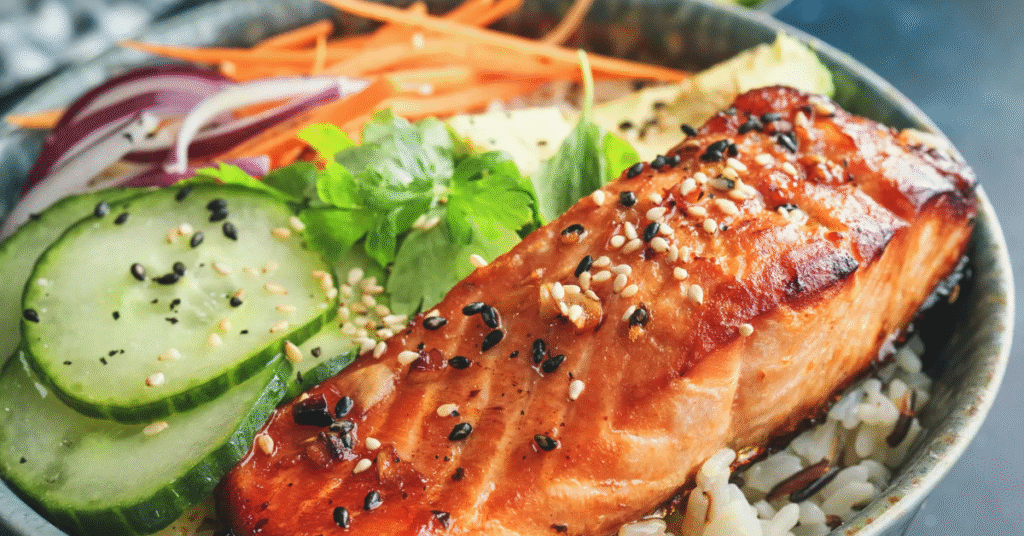
Fatty fish, such as salmon, mackerel, sardines, and trout, are renowned for their impressive health benefits, notably their high content of omega-3 fatty acids. These essential fats play a crucial role in brain health and overall well-being, particularly in the context of stress and anxiety management. Omega-3 fatty acids have been shown to support cellular health within the brain and reduce inflammation, which is often linked to various mental health disorders.
Numerous studies have indicated a significant relationship between omega-3 consumption and lower rates of anxiety and depression. For instance, a systematic review published in the journal Translational Psychiatry highlighted the positive effects of omega-3 supplementation on mood, underscoring its potential as a natural remedy for anxiety. Other research has shown that populations with higher fish consumption tend to report lower levels of anxiety and depressive symptoms. This could largely be attributed to the powerful anti-inflammatory properties of omega-3 fatty acids, which can reduce brain inflammation and enhance neurotransmission.
Moreover, fatty fish are rich in important nutrients such as vitamin D, selenium, and B vitamins, all of which can also contribute to improved mental health. The combination of these nutrients creates an optimal environment for mental and emotional stability. Incorporating fatty fish into one’s diet can be both enjoyable and beneficial; whether grilled, baked, or smoked, there are numerous ways to prepare these nutrient-dense options.
In conclusion, opting for fatty fish as part of a balanced diet can provide substantial stress and anxiety reduction benefits. Regularly including sources of omega-3s, such as salmon and mackerel, may play a significant role in promoting mental well-being, making them a key element in any stress-reducing dietary strategy.
3. Dark Chocolate
Dark chocolate has been recognized not only as a delicious indulgence but also as a functional food that can aid in reducing stress and anxiety. This is primarily attributed to its rich content of flavonoids, which are compounds known to improve mood and cognitive function. The consumption of dark chocolate leads to the release of endorphins, often referred to as “feel-good” hormones. This biochemical response provides immediate pleasure and can serve as a natural remedy for emotional distress.
Research has shown that moderate consumption of dark chocolate can significantly lower levels of cortisol, the stress hormone, in the body. A study published in the Journal of Psychopharmacology highlighted that participants who consumed a small portion of dark chocolate daily reported a decrease in stress levels over time. Specifically, the polyphenolic compounds present in dark chocolate are believed to have a positive impact on brain health, contributing to improved mood and alleviating feelings of anxiety.
Additionally, dark chocolate can enhance serotonin levels in the brain; serotonin is a neurotransmitter that plays a crucial role in regulating mood, sleep, and appetite. Increased serotonin can promote a sense of well-being and optimism, further establishing dark chocolate as a beneficial food choice for those experiencing heightened levels of stress.
It is essential to note, however, that moderation is key. Consuming dark chocolate in excess can lead to unintended consequences, such as weight gain and the consumption of excess sugars and fats. Therefore, incorporating small amounts of high-quality dark chocolate into a balanced diet can maximize its mental health benefits while minimizing any potential downsides. Overall, including dark chocolate as part of a stress-reducing dietary approach might indeed prove beneficial for emotional well-being.
2. Leafy Greens
Leafy greens such as spinach, kale, and Swiss chard are not only nutritious but also play a crucial role in alleviating stress and anxiety. These vegetables are particularly high in magnesium, a mineral that is vital for numerous bodily functions, including the regulation of cortisol levels. Cortisol is often referred to as the “stress hormone” as it is released in response to stress. Elevated levels of cortisol can lead to feelings of anxiety and tension, making it essential to maintain adequate magnesium levels.
Research has indicated that magnesium can help reduce anxiety symptoms by promoting relaxation within the body. It works by regulating neurotransmitters responsible for mood stabilization, such as serotonin and dopamine. Furthermore, magnesium contributes to the maintenance of a healthy heart rate, providing an additional calming effect that may help mitigate stress responses.
Incorporating leafy greens into your daily diet can be easy and delicious. These greens can be enjoyed raw in salads, blended in smoothies, or cooked as part of various dishes. For instance, a serving of sautéed spinach can be an excellent side dish that not only adds flavor to meals but also enhances your intake of essential nutrients. Conversely, a kale smoothie can provide a refreshing start to the day while delivering a significant dose of magnesium.
Additionally, leafy greens contain a range of other vitamins, minerals, and antioxidants that contribute to overall mental health and well-being. By prioritizing these nutrient-rich foods, individuals may find relief from stress and anxiety, enabling better management of their emotional and psychological state. In essence, leafy greens serve as a key dietary component in the pursuit of improved mental health, helping to foster a sense of calm and tranquility.
1. Nuts and Seeds
Nuts and seeds are celebrated not only for their nutritional value but also for their remarkable ability to reduce stress and anxiety naturally. These small yet powerful food sources are rich in omega-3 fatty acids, which play a crucial role in brain health. Omega-3s are essential fats that our bodies cannot produce on their own, making it vital to include them in our diets. They contribute to the structural composition of brain membranes and are associated with improved mood regulation and better cognitive function.
Along with omega-3 fatty acids, nuts and seeds are high in fiber. Consuming fiber-rich foods can support gut health, which has been increasingly linked to mental well-being. A healthy gut microbiome can positively influence mood and reduce feelings of anxiety. In addition, the presence of various vitamins and minerals such as magnesium, zinc, and vitamin E in nuts and seeds further enhances their health benefits. Magnesium, for example, has been shown to help manage stress and promote relaxation.
The wonderful aspect of incorporating nuts and seeds into your diet is their versatility. They can be enjoyed as a snack on their own, blended into smoothies, or added to salads and desserts for extra crunch and nutrition. Popular choices such as walnuts, almonds, flaxseeds, and pumpkin seeds are particularly beneficial, each offering a unique profile of nutrients conducive to mental health.
In conclusion, the inclusion of nuts and seeds in daily meals can provide significant support for mental health by supplying essential fats, fiber, and vital nutrients. Regular consumption of these foods not only contributes to physical health but also plays a crucial role in alleviating feelings of anxiety and stress.