
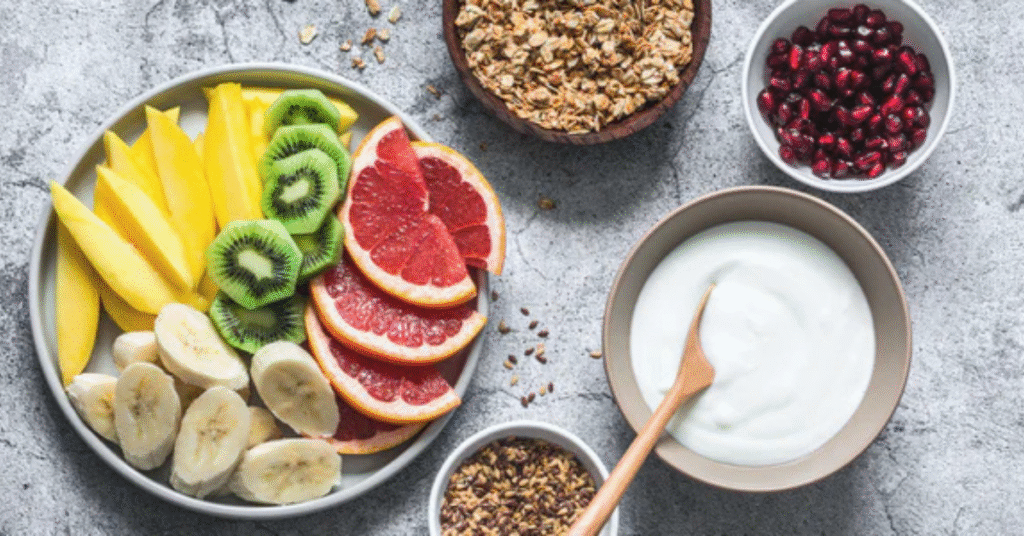
10. Chia Seeds
Chia seeds, derived from the Salvia hispanica plant, are well-regarded for their numerous health benefits, particularly their role in enhancing digestive health. As a source of soluble fiber, chia seeds play a crucial part in promoting effective digestion. This type of fiber can absorb significant amounts of water, resulting in a gel-like substance that facilitates the smooth passage of food through the digestive tract.
The impressive water-absorbing capacity of chia seeds aids in regulating bowel movements. When consumed, chia seeds swell and expand in the stomach, helping to create a sense of fullness that can minimize overeating. Moreover, their gel-forming property slows down the digestion of carbohydrates, allowing for better nutrient absorption and stable blood sugar levels.
Incorporating chia seeds into your meals is both simple and versatile. They can be easily added to smoothies, oatmeal, or yogurt, providing a pleasant crunch and a nutritional boost. Additionally, chia seeds can be transformed into a pudding by soaking them in milk or a dairy-free alternative, combined with sweeteners like honey or maple syrup, and left to thicken overnight. This not only creates a delicious dish but also maximizes the benefits of their soluble fiber content.
The recommended serving size for chia seeds is typically around one ounce, equivalent to about two tablespoons. It is essential to consume them with adequate amounts of liquid to prevent potential digestive discomfort, given their capacity to swell. Overall, chia seeds are a straightforward and effective means to enhance digestive health, showcasing their significant potential as a holistic food choice.
9. Pineapple
Pineapple is a tropical fruit that not only tantalizes the taste buds but also offers significant digestive health benefits, primarily due to its rich content of bromelain. This natural enzyme plays a crucial role in breaking down protein molecules into amino acids, facilitating easier digestion. For individuals who struggle with digesting protein-rich foods, the inclusion of pineapple in their diet can be particularly beneficial.
In addition to aiding protein digestion, bromelain is known for its anti-inflammatory properties. This can help alleviate bloating, gas, and discomfort related to digestive issues. The consumption of pineapple may lead to a more efficient digestive process, reducing instances of gastrointestinal distress that a high-protein diet might induce.
Integrating fresh pineapple into one’s daily meals is both simple and delicious. Fresh pineapple can be diced and added to salads, providing a sweet and tangy contrast to leafy greens. It can also be blended into smoothies, combining it with yogurt or spinach for an added nutritional boost. Additionally, incorporating pineapple as a salsa topping on fish or chicken can elevate a meal while also promoting better digestion.
Another tasty option includes grilling pineapple slices, which enhances their natural sweetness and creates a delightful side dish. For dessert, try creating a pineapple sorbet using blended pineapple and a touch of honey, for a refreshing treat that also aids digestion.
In conclusion, pineapple is an excellent addition to the diet for those looking to improve their digestive health. With the powerful digestive enzyme bromelain and various culinary uses, enjoying fresh pineapple can lead to enhanced digestion and overall well-being.
8. Ginger
Ginger is a versatile root that has been revered for its medicinal properties, particularly in the realm of digestive health. Its active compounds, such as gingerol and shogaol, play significant roles in stimulating digestive juices, which can enhance the digestive process. By promoting the secretion of bile from the liver and enzymes from the pancreas, ginger aids in the breakdown of food, facilitating nutrient absorption and improving overall gut health.
In addition to its digestive properties, ginger has been effectively used for centuries to alleviate common gastrointestinal issues such as nausea and bloating. The anti-inflammatory properties of ginger are particularly beneficial for individuals suffering from nausea due to motion sickness, pregnancy, or post-operative symptoms. Studies suggest that even small doses of ginger can help reduce the severity of nausea and assist in overall digestive comfort.
Incorporating ginger into your diet can be simple and enjoyable. One popular method is to brew ginger tea, which can be made by steeping slices of fresh ginger in hot water. To enhance the flavor, consider adding honey or lemon, both of which also contribute beneficial properties. Another way to enjoy ginger is by adding it to smoothies, where it complements fruits like bananas and berries while providing a digestive boost. Furthermore, ginger can be used as a spice in savory dishes, enhancing flavors in stir-fries or soups while offering health benefits.
When considering additional forms of ginger, powdered ginger can be utilized in baked goods, while candied ginger serves as a sweet yet beneficial snack. Regardless of how one chooses to consume it, incorporating ginger into daily meals can undoubtedly promote digestive health, ease discomfort, and enhance overall wellness.
7. Yogurt
Yogurt is an excellent choice for enhancing digestion, largely due to its rich content of probiotics. These beneficial bacteria play a crucial role in balancing gut flora, which can improve overall digestive health. Probiotics help to break down food in the gut, alleviate symptoms of irritable bowel syndrome, and reduce the occurrence of constipation, making yogurt a powerful ally in promoting digestive wellness.
When exploring yogurt options, it is essential to understand the differences between regular and Greek yogurt. Regular yogurt is known for its creamy texture and sweetness, often containing a higher sugar content, depending on the brand. In contrast, Greek yogurt is strained multiple times, resulting in a thicker consistency and a higher protein level. This straining also removes more lactose, making Greek yogurt a suitable option for those who are lactose intolerant. Additionally, Greek yogurt typically contains fewer carbohydrates, leading to a lower calorie count, which can be appealing for individuals monitoring their caloric intake.
Incorporating yogurt into your diet can be both delightful and creative. One easy way is to enjoy it as a snack; add fresh fruits, nuts, or honey for flavor and added nutrients. Yogurt can also be used as a base for smoothies, providing a delicious and nutritious way to start your day. For those who prefer savory dishes, yogurt can serve as an excellent dressing for salads or a dip for vegetables, adding a creamy texture and probiotic benefits. Furthermore, using yogurt in cooking, such as in marinades or sauces, can boost the meal’s nutritional profile and enhance its flavor.
6. Apples
Apples are well-known for their numerous health benefits, particularly when it comes to digestion. One of the key components that contributes to their effectiveness is pectin, a soluble fiber found abundantly in this fruit. Pectin acts as a natural thickening agent and is instrumental in promoting gut health. Its soluble nature means it can absorb water in the intestines, forming a gel-like substance that aids in the smooth passage of waste through the digestive tract.
The presence of pectin not only helps regulate bowel movements but also supports digestive health by preventing constipation and diarrhea alike. This dual action is essential, as it means that apples can effectively assist in maintaining a balanced intestinal environment. Regular consumption can lead to better digestive functioning and overall gut wellness.
In addition to their digestive benefits, apples are extremely versatile and can be incorporated into a healthy eating plan in numerous ways. Eating them raw is perhaps the simplest option, providing a satisfying and crunchy snack that is high in fiber and low in calories. For those looking to add variety, blending apples into smoothies can create a delicious drink that enhances both flavor and nutritional value.
Furthermore, apples can be included in various meals, such as salads, where they add a refreshing crispness, or they can be cooked down into sauces that complement proteins and grains. With their health benefits and culinary versatility, apples are a powerful ally in any effort to improve digestion, making them a staple food for anyone seeking a healthier gut.
5. Leafy Greens
Leafy greens such as spinach and kale are well-known for their impressive nutritional profiles, particularly due to their high fiber content. Fiber is essential for maintaining a healthy digestive system, as it aids in promoting regularity. When consumed, fiber adds bulk to the stool, making it easier to pass through the digestive tract. Additionally, fiber acts as a prebiotic, fostering the growth of beneficial gut bacteria, which can further enhance digestive health.
Incorporating leafy greens into your diet not only supports healthy digestion but also provides a wealth of essential vitamins and minerals. For example, spinach is rich in vitamin K, which plays a role in gut health, and kale is known for its high concentrations of vitamins A, C, and minerals such as calcium. These nutrients contribute to overall health, reinforcing the importance of including leafy greens in your meals.
There are numerous ways to enjoy leafy greens in your everyday cooking. For a quick and nutritious meal, consider preparing a spinach salad topped with a variety of colorful vegetables, nuts, and a light vinaigrette. Alternatively, kale can be blended into smoothies, adding a nutrient boost without overwhelming flavors. Sautéing these greens with garlic and olive oil is another delightful method that retains their beneficial properties and enhances their flavor.
Moreover, adding leafy greens to soups or stews can create a hearty yet healthful dish. By being creative and diverse in your culinary approaches, you can easily increase your intake of these fibrous vegetables, thereby reaping the benefits for your digestive system.
4. Fermented Foods
Fermented foods, such as sauerkraut, kimchi, yogurt, and kefir, play a significant role in enhancing gut health due to their rich probiotic content. Probiotics are live microorganisms that provide numerous health benefits, primarily by improving digestive function and balancing gut flora. The consumption of fermented foods can lead to a more diverse microbiome, which is associated with better overall health, making these foods essential for anyone looking to improve digestion.
One of the primary ways fermented foods contribute to digestive health is through their ability to break down food particles, making nutrients more bioavailable. Additionally, they help convert lactose into lactic acid, which can aid those who are lactose intolerant by providing a more digestible source of dairy. Foods like sauerkraut and kimchi are examples where the fermentation process not only preserves the food but also enhances its flavors and nutritional profiles.
To incorporate fermented foods into your meals, consider adding them as side dishes or condiments. For instance, a spoonful of sauerkraut can enhance any protein dish, while kimchi can serve as a zesty addition to rice or noodle-based meals. Yogurt can be enjoyed as a breakfast food or snack, topped with fruits and nuts, thus providing a delicious and digestive-friendly option. Additionally, kefir can be used in smoothies or salad dressings, making it easy to consume beneficial probiotics throughout the day.
In summary, integrating fermented foods into your diet is a simple and effective way to improve digestion and promote gut health. Their unique benefits not only aid in digestion but also support a balanced gut microbiome, resulting in enhanced overall well-being.
3. Bananas
Bananas are not only a convenient and portable snack but also play a significant role in promoting digestive health. A single medium banana contains about 3 grams of dietary fiber, which is essential for a healthy digestive system. This fiber content aids in regulating bowel movements and can help prevent constipation, making bananas a great choice for those seeking to improve their gastrointestinal function.
In addition to their high fiber content, bananas contain soluble fiber, specifically pectin. This type of fiber can absorb water and form a gel-like substance in the digestive tract, which helps slow digestion and promote a feeling of fullness. This characteristic can be particularly beneficial for maintaining appetite control and managing weight. Furthermore, the natural sugars found in bananas provide a quick source of energy, which can be useful post-exercise when the body requires immediate fuel.
One of the notable aspects of bananas is their versatility in various meals. They can be enjoyed as a stand-alone snack, added to smoothies, or incorporated into breakfast cereals and oatmeal. Additionally, bananas can serve as a natural sweetener in baking, replacing refined sugars in recipes while also contributing to fiber intake. Whether they are sliced on top of toast or blended into a creamy shake, the opportunities to enjoy bananas are endless.
Overall, the combination of fiber, quick energy, and versatility makes bananas an excellent food choice for anyone looking to improve their digestion while enjoying a delicious treat.
2. Oats
Oats are an exceptional food that can significantly enhance digestive health, primarily due to their high content of soluble fiber. This important fiber type dissolves in water, forming a gel-like substance in the gut, which aids in slowing down digestion. As a result, oats can help in managing blood sugar levels, making them an excellent choice for those seeking to regulate their metabolic response to meals.
Moreover, the fiber found in oats serves as a prebiotic. Prebiotics are compounds that feed the beneficial bacteria residing in the gut, thereby promoting a healthy microbiome. A balanced gut flora is essential for digestion, as it supports various digestive processes, reduces bloating, and fosters regular bowel movements. Consuming oats regularly can lead to improved gut health and enhanced digestion, making them an ideal food for those experiencing digestive discomfort.
Integrating oats into one’s diet can be effortless and enjoyable. For breakfast, a bowl of oatmeal topped with fresh fruits, nuts, or seeds can serve as a satisfying and nutritious meal. One may also consider overnight oats, which can be prepared by soaking oats in milk or yogurt overnight and adding toppings in the morning—allowing for creative customization and convenience. Furthermore, oats can be blended into smoothies for a fiber boost, utilized in baking healthy snacks like oat muffins or granola bars, or even incorporated into savory dishes like oat bowls or oat-based pancakes. These versatile uses reflect oats’ potential to enhance not only digestion but also overall dietary quality.
1. Fermented Dairy Products (Kefir)
Kefir is a fermented dairy product that has gained popularity for its numerous health benefits, particularly its ability to enhance gut health and improve digestion. Rich in probiotics, kefir contains various beneficial bacteria and yeast that contribute to a balanced gut microbiome. This balance is vital for proper digestive functioning, as probiotics can help break down food more efficiently, promote nutrient absorption, and reduce gastrointestinal discomfort.
Incorporating kefir into your diet can be achieved through several simple methods. One of the most popular ways is to enjoy it as a beverage. Drinking kefir straight or adding it to smoothies can create a delicious and nutritious drink that supports digestive health. Additionally, kefir can be used as a creative ingredient in cooking; for instance, it works well as a base for salad dressings, marinades, or even in baking as a substitute for buttermilk or yogurt. The tangy flavor of kefir can enhance the taste of various dishes while boosting their probiotic content.
For those who might be lactose intolerant, kefir can be a suitable option. The fermentation process reduces the lactose content, making it easier for some people to tolerate. Regular consumption of kefir not only helps regulate bowel movements but may also alleviate symptoms of digestive disorders such as irritable bowel syndrome (IBS).
It’s essential to choose high-quality kefir products that are minimally processed and contain live probiotics. Whether you decide to consume it daily or incorporate it into your meals periodically, kefir serves as a beneficial addition to a balanced diet aimed at improving digestion and overall gut health.