
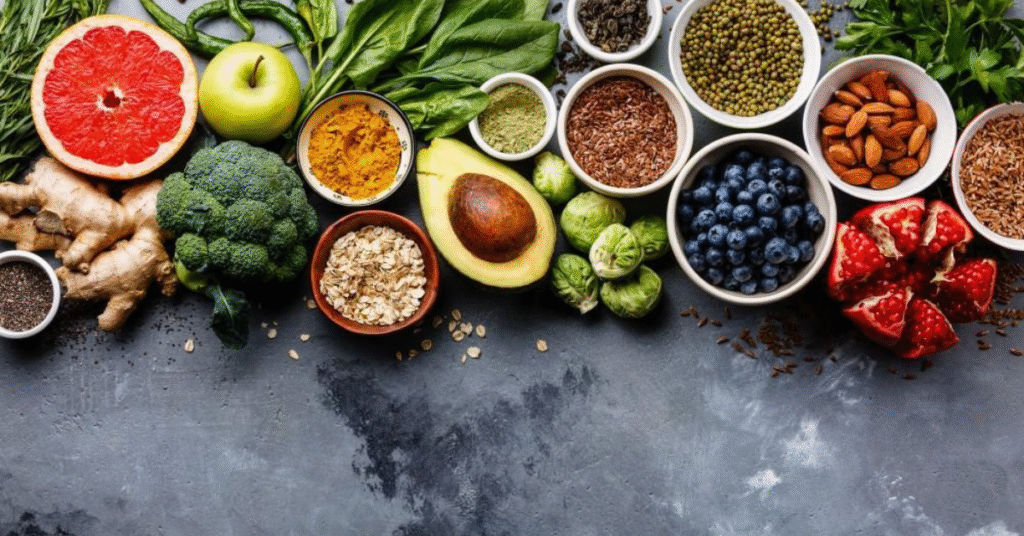
10. Avocados
Avocados have gained significant recognition in recent years, owing to their nutrient-dense profile and potential health benefits. One of the key attributes of avocados is their richness in healthy fats, particularly monounsaturated fats. These fats are known to play a vital role in improving cholesterol levels by reducing low-density lipoprotein (LDL) cholesterol, often referred to as “bad” cholesterol. By including avocados in a regular diet, individuals can promote better heart health and lower the risk of cardiovascular disease.
Furthermore, avocados are a remarkable source of potassium, a mineral that is essential for maintaining proper heart function. An appropriate intake of potassium helps regulate blood pressure levels, reducing the strain on the cardiovascular system. This regulation can contribute to a lowered risk of heart attacks and strokes, making avocados an excellent addition to a heart-healthy diet.
Another beneficial component found in avocados is dietary fiber. Fiber is known for its ability to help manage cholesterol levels effectively. By consuming foods high in fiber, such as avocados, individuals can promote the excretion of cholesterol from the body, thereby potentially lowering the overall cholesterol levels in the bloodstream. This, in turn, can contribute to a healthier heart and a reduced risk of heart disease.
In summary, including avocados in one’s diet not only provides a delicious and creamy texture to various dishes but also offers significant health benefits that support heart health. Rich in monounsaturated fats, potassium, and fiber, avocados are a valuable food choice for those looking to prevent heart disease while enjoying a variety of culinary delights.
9. Fatty Fish
Fatty fish, including varieties such as salmon, mackerel, and sardines, play a significant role in promoting cardiovascular health due to their high content of omega-3 fatty acids. These essential fats are critical for numerous bodily functions, particularly in maintaining heart health. Omega-3 fatty acids are known for their anti-inflammatory properties, which help to reduce inflammation in the body, an underlying factor in many heart diseases.
Consuming fatty fish on a regular basis has been associated with a decrease in triglyceride levels, a type of fat found in the blood that can raise the risk of heart disease when present in high amounts. Studies indicate that diets rich in omega-3s can lead to improved cholesterol profiles, including increased levels of high-density lipoprotein (HDL) cholesterol, often referred to as the ‘good’ cholesterol, which helps protect against heart disease.
Moreover, fatty fish are an excellent source of protein and various essential nutrients that contribute to overall heart health. Nutrients such as vitamin D and selenium found in these fish are also beneficial for cardiovascular function. Regular consumption of fatty fish, as part of a balanced diet, may lower the risk of arrhythmias (irregular heartbeats) and contribute to improved heart muscle function, enhancing overall cardiovascular efficiency.
For optimal health benefits, it is recommended to include fatty fish in your diet at least twice a week. This can take the form of grilled salmon, canned sardines, or smoked mackerel. By integrating these nutrient-dense foods into your meals, you can harness their heart-protective benefits and contribute to a healthy lifestyle that minimizes the risk of heart disease.
8. Berries
Berries, including blueberries, strawberries, and raspberries, are not only delightful to taste but also boast an impressive array of health benefits, particularly for the heart. These fruits are rich in antioxidants, which play a critical role in combating oxidative stress and inflammation in the body, both of which are major contributors to heart disease. The high polyphenolic content in berries, primarily found in their vibrant skins, has been linked to improved cardiovascular health.
Research indicates that the regular consumption of berries can lead to a reduction in blood pressure, a significant risk factor for heart disease. The potent compounds found in berries have the ability to improve endothelial function—this pertains to the inner lining of blood vessels, which is essential for maintaining vascular health. Moreover, these fruits can contribute to better cholesterol levels by increasing the levels of high-density lipoprotein (HDL) while simultaneously lowering low-density lipoprotein (LDL), commonly known as “bad” cholesterol.
Moreover, berries are an excellent source of dietary fiber, which supports a healthy digestive system and can aid in weight management. Maintaining a healthy weight is crucial for heart health, as obesity is often associated with increased risk factors such as hypertension and diabetes. Incorporating a variety of berries into one’s diet is both simple and versatile; they can be added to smoothies, salads, or enjoyed as a healthy snack on their own.
In essence, the cardiovascular benefits of berries are profound. Due to their rich nutrient profile, regular inclusion of these fruits in daily meals is a proactive measure for anyone looking to enhance their heart health and prevent heart disease.
7. Nuts
Nuts, such as almonds and walnuts, have garnered significant attention for their health benefits, particularly regarding cardiovascular health. These nutrient-dense foods are rich in healthy fats, protein, and dietary fiber, which contribute to their heart-protective properties. The unsaturated fatty acids found in nuts help in lowering bad cholesterol levels, which is crucial in reducing the risk of heart disease.
Almonds and walnuts are particularly prominent in discussions about heart health. Almonds are packed with vitamin E, an antioxidant that helps combat oxidative stress by preventing damage to the cells lining the blood vessels. This property is important, as oxidative stress is linked to the development of atherosclerosis. Furthermore, the high fiber content of almonds aids in maintaining healthy cholesterol levels, promoting overall heart function.
On the other hand, walnuts are notable for their omega-3 fatty acids, specifically alpha-linolenic acid (ALA). Omega-3 fatty acids play a key role in reducing inflammation and promoting endothelial function, which is essential for maintaining healthy blood circulation. The anti-inflammatory effects of walnuts are particularly beneficial for individuals with existing heart conditions, as inflammation is a significant contributor to heart disease progression.
Incorporating a handful of nuts into your daily diet can be an effective strategy for enhancing heart health. They serve as an excellent snack option, providing essential nutrients that support not only cardiovascular function but also overall well-being. Whether consumed raw, roasted, or as part of various dishes, nuts should be included in a balanced diet aimed at preventing heart disease.
6. Green Leafy Vegetables
Green leafy vegetables, including spinach, kale, and Swiss chard, play a pivotal role in heart health. These nutrient-dense foods are packed with essential vitamins, minerals, and antioxidants that contribute to overall wellness. Their inclusion in a balanced diet can be instrumental in reducing the risk of cardiovascular diseases.
One of the key benefits of green leafy vegetables lies in their high fiber content. Dietary fiber has been associated with improved heart health, as it helps lower cholesterol levels and aids in regulating blood pressure. High fiber foods can also promote a healthy weight, which is another important factor in maintaining cardiovascular health.
Moreover, green leafy vegetables are rich in potassium, a mineral known for its blood pressure-lowering effects. Potassium helps balance out sodium levels in the body, which is crucial for maintaining healthy blood pressure. This is particularly important in preventing hypertension, a significant risk factor for heart disease.
In addition to fiber and potassium, these vegetables are loaded with antioxidants like vitamin C and beta-carotene. Antioxidants combat oxidative stress and inflammation in the body, both of which are linked to the progression of heart disease. Incorporating a variety of green leafy vegetables into daily meals is a straightforward and effective way to enhance heart health.
Eating a serving or two of these greens daily can lead to significant long-term health benefits. Whether consumed in salads, smoothies, or cooked dishes, the versatility of green leafy vegetables makes them an easy addition to any diet. Thus, regularly including spinach, kale, and Swiss chard can be seen as a proactive measure to support heart health and reduce the risk of heart disease.
5. Olive Oil
Olive oil is a fundamental component of the Mediterranean diet, renowned not only for its rich flavor but also for its significant health benefits, particularly regarding heart health. It is predominantly composed of monounsaturated fats, which are considered healthy fats that assist in lowering bad cholesterol levels (LDL). This reduction in LDL cholesterol is crucial as high levels are associated with an increased risk of heart disease.
Furthermore, olive oil is packed with antioxidants, including vitamin E and polyphenols, which contribute to its heart-protective properties. Antioxidants are vital as they help neutralize free radicals in the body, reducing oxidative stress and inflammation—two key factors that contribute to the development of cardiovascular conditions. Consuming olive oil regularly can thus promote overall heart health by mitigating these risk factors.
Research indicates that individuals who consume olive oil as part of their daily diet tend to have lower incidences of heart disease and related complications. A notable study published in the New England Journal of Medicine found that a Mediterranean diet rich in olive oil resulted in a significant decrease in cardiovascular events among participants.
To incorporate olive oil into your diet effectively, consider using it as a salad dressing, drizzling it over roasted vegetables, or utilizing it as a cooking oil for low to medium-heat preparations. It not only enhances the flavor of dishes but also serves as a heart-healthy alternative to less beneficial oils and fats.
4. Whole Grains
Whole grains, such as oats, quinoa, and brown rice, play a significant role in promoting cardiovascular health. One of their most notable benefits is their high dietary fiber content, which has been extensively studied for its ability to lower cholesterol levels. Fiber assists in binding to cholesterol in the digestive system, preventing its absorption into the bloodstream, thereby helping maintain optimal cholesterol levels.
Additionally, whole grains are vital in stabilizing blood sugar levels. Unlike refined grains, which can cause spikes in blood glucose, whole grains release energy more slowly. This gradual release helps manage insulin sensitivity, reducing the risk of developing type 2 diabetes—an important factor in heart disease. Regular consumption of whole grains effectively contributes to maintaining balanced energy levels throughout the day.
Moreover, whole grains are rich in essential nutrients, including vitamins, minerals, and antioxidants, which support overall vascular function. Nutrients like magnesium found in quinoa and phosphorus in brown rice play integral roles in maintaining healthy blood pressure and reducing arterial stiffness. This is crucial for reducing the risk of heart disease, as optimal blood pressure management positively affects heart health.
Incorporating a variety of whole grains into the diet can significantly enhance cardiovascular health. Simple strategies like opting for whole grain bread instead of white bread, or adding a hearty portion of brown rice to meals ensure that individuals can easily boost their intake of these beneficial foods. As such, recognizing the importance of whole grains could be a vital step towards achieving a heart-healthy lifestyle.
3. Legumes
Legumes, which include a variety of plants such as beans, lentils, and chickpeas, are recognized as excellent sources of essential nutrients including high-quality protein and dietary fiber. These nutrient-dense foods play a significant role in promoting cardiovascular health and can be pivotal in preventing heart disease.
The fiber contained in legumes is known to effectively lower cholesterol levels. Soluble fiber binds to cholesterol in the digestive system, facilitating its removal from the body. Consequently, a diet rich in legumes can assist in maintaining healthy cholesterol levels, which is a key factor in reducing the risk of heart-related illnesses.
Moreover, legumes contribute to stable blood sugar levels. Their low glycemic index means that they have a gradual impact on blood glucose, making them an excellent choice for individuals susceptible to insulin resistance or diabetes. This stabilization of blood sugar levels is particularly beneficial for heart health, as fluctuations in blood sugar can lead to increased cardiovascular complications over time.
In addition to serving as a source of fiber and protein, legumes are low in fat and contain very few saturated fats. Their rich profile of vitamins and minerals, including B vitamins, magnesium, and potassium, further supports heart function and overall cardiovascular health. Regular consumption of legumes can lead to improvements in blood pressure and support a healthy weight, both of which are beneficial for heart disease prevention.
Integrating legumes into everyday meals can be simple and delicious. From adding them to salads, soups, and stews to utilizing them as a base for hearty dishes, the versatility of legumes allows for various culinary applications while promoting heart health.
2. Dark Chocolate
Dark chocolate, specifically varieties containing 70% cocoa or higher, is increasingly recognized for its heart-healthy properties. Rich in flavonoids, these natural compounds are known for their antioxidant effects, which can significantly benefit cardiovascular health. Flavonoids promote better circulation by enhancing blood flow, thereby aiding the delivery of oxygen and nutrients throughout the body.
Studies suggest that regular consumption of dark chocolate in moderation can lead to lower blood pressure. This is largely attributed to the ability of flavonoids to produce nitric oxide, a molecule that relaxes blood vessels and improves overall blood flow. As a result, incorporating dark chocolate into one’s diet may help diminish the risk of developing hypertension—a key risk factor for heart disease.
In addition to its blood pressure-lowering effects, dark chocolate is also associated with reduced inflammation. Chronic inflammation is another contributor to heart disease, and by mitigating this condition, dark chocolate can play a role in protecting the heart over the long term. Moreover, it may help improve cholesterol levels by increasing high-density lipoprotein (HDL) and reducing low-density lipoprotein (LDL) oxidation, another critical factor in cardiovascular health.
However, it is essential to consume dark chocolate judiciously. While it offers numerous health benefits, moderation is crucial, as high-calorie content can lead to weight gain, counteracting its positive effects. A few pieces of dark chocolate a few times a week may suffice to harness its benefits without exceeding caloric limits. Thus, integrating dark chocolate into a balanced diet could serve as a simple yet effective strategy to support heart health.
1. Tomatoes
Tomatoes are a vibrant addition to any diet, rich in lycopene, which is a powerful antioxidant associated with numerous health benefits, particularly in relation to heart health. Lycopene has been shown to play a crucial role in reducing the risk of heart disease, as it helps lower bad cholesterol levels while simultaneously raising good cholesterol levels. This balanced cholesterol management is essential for maintaining a healthy cardiovascular system.
Additionally, tomatoes contribute to the health of blood vessels. The nutrients found in tomatoes, including vitamin C, potassium, and folate, promote the elasticity of blood vessels and improve circulation. Potassium is particularly significant, as it helps regulate blood pressure, an important factor in preventing heart disease. A well-functioning vascular system, supported by a diet rich in tomatoes, is vital for overall heart health.
Including tomatoes in your meals can be simple and rewarding. They can be enjoyed raw in salads, cooked in sauces, or blended into soups. Their versatility means they can easily find a place in a variety of heart-healthy recipes. Opting for cooked tomatoes, such as those found in tomato sauce or salsa, can even enhance the absorption of lycopene, making it more bioavailable for the body to utilize.
Furthermore, the consumption of tomatoes has been linked to other health advantages, including a reduced risk of certain types of cancer and improved skin health, making them an excellent choice beyond just heart disease prevention. Incorporating tomatoes into your daily diet is a delicious and effective step towards achieving a healthier heart.