
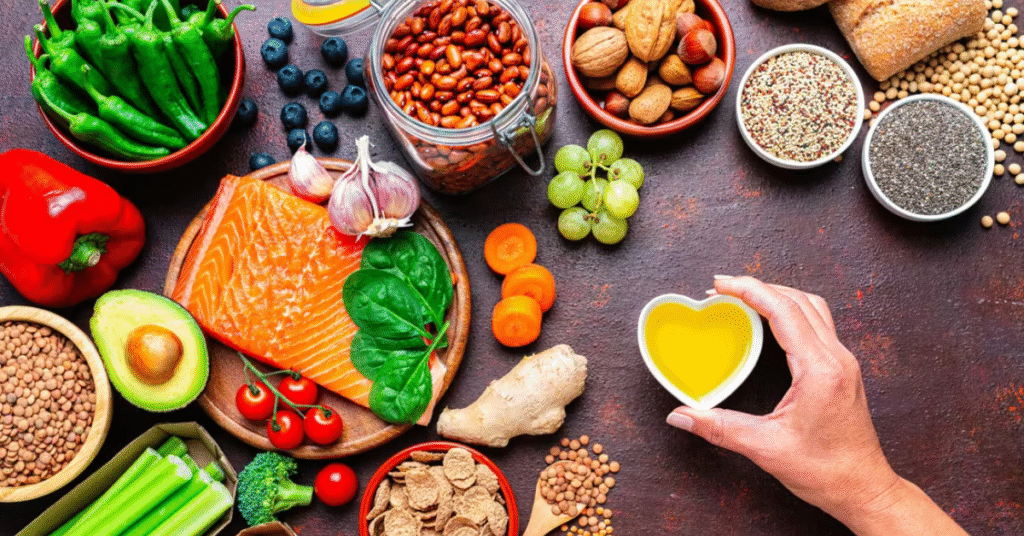
10. Almonds and Heart Health
Almonds are a nutrient-rich food that play a significant role in supporting cardiovascular health. These tree nuts are characterized by their high levels of healthy fats, particularly monounsaturated fats, which are known to help lower bad cholesterol levels (LDL) while increasing good cholesterol levels (HDL) in the body. This fat composition is beneficial as it aids in reducing the risk of heart disease by promoting healthier blood lipid profiles.
In addition to their beneficial fat content, almonds are an excellent source of dietary fiber, which has been associated with improved heart health. Fiber can assist in reducing blood pressure and inflammation, two crucial factors in maintaining cardiovascular health. Incorporating almonds into your diet can also contribute to enhanced satiety, helping individuals manage their weight effectively, which is vital for heart health.
Moreover, almonds are rich in vitamin E, a powerful antioxidant that helps prevent oxidative stress in the body. Oxidative stress can lead to cellular damage and has been linked to various chronic diseases, including cardiovascular conditions. Thus, the vitamin E found in almonds can help protect the heart by maintaining the integrity of cell membranes and reducing arterial damage.
The recommended daily serving of almonds is approximately 1 ounce, which is roughly 23 almonds. This small portion can easily be integrated into various meals; for instance, they can be added to salads, ground into nut butter, or enjoyed as a healthful snack on their own. Incorporating almonds into a balanced diet can significantly contribute to heart health while providing essential nutrients for overall well-being.
9. Fatty Fish
Fatty fish such as salmon, mackerel, sardines, and trout are exemplary foods that support heart health naturally. Renowned for their remarkable nutrient profile, these fish are particularly high in omega-3 fatty acids, which have been extensively studied for their cardiovascular benefits. Omega-3 fatty acids are polyunsaturated fats that play a crucial role in reducing inflammation within the body, which is linked to various heart conditions.
The anti-inflammatory properties of omega-3 fats help in decreasing the risk of heart disease by lowering blood pressure and reducing triglycerides, thus promoting overall heart health. Moreover, several studies indicate that regular consumption of fatty fish may lead to a decrease in the risk of arrhythmias and sudden cardiac death. This is particularly important for those at higher risk for heart-related illnesses.
Incorporating fatty fish into one’s diet can be both simple and delicious. To take advantage of their health benefits, aim for at least two servings of fatty fish each week. This can easily be achieved by grilling or baking fish, adding it to salads, or blending it into fish tacos. For those who may not enjoy the taste of fish, high-quality omega-3 supplements are available, although it is generally advisable to obtain nutrients through whole food sources.
Additionally, including fatty fish in meals is versatile and can appeal to different culinary preferences. Pairing salmon with whole grains and vegetables creates a nutrient-packed dish, while mackerel can be enjoyed in a hearty salad. By making these delicious adjustments to meal plans, one can enjoy the heart-healthy advantages that fatty fish offer.
8. Berries
Berries, particularly blueberries, strawberries, raspberries, and blackberries, are often lauded for their significant contributions to heart health. These small yet powerful fruits are rich in antioxidants, including flavonoids and polyphenols, which are known for their ability to reduce oxidative stress and inflammation, both of which are major risk factors for heart disease.
The high antioxidant content found in berries helps combat free radicals in the body, thereby decreasing the risk of cardiovascular issues. Blueberries, for example, have been shown in studies to improve cholesterol levels significantly. They can lower LDL (the “bad” cholesterol) while simultaneously raising HDL (the “good” cholesterol), contributing to a healthier lipid profile. This effect is crucial for maintaining proper heart function and preventing atherosclerosis, where arteries become narrowed and hardened due to plaque buildup.
Strawberries also play a significant role in promoting heart health. They are rich in fiber, particularly soluble fiber, which has been linked to lower cholesterol levels and better heart function. Regular consumption of strawberries can help reduce inflammation and has been associated with improved blood vessel function. Additionally, the high potassium content in berries aids in maintaining healthy blood pressure levels, which is essential for overall cardiovascular health.
The fiber in berries not only supports heart health but also aids in digestion and helps regulate blood sugar levels. Incorporating a variety of berries into your daily diet, whether fresh, frozen, or in smoothies and salads, can provide a delicious and effective way to support cardiac function naturally.
7. Oats
Oats are increasingly recognized for their numerous health benefits, particularly in supporting cardiovascular health. One of the key components contributing to the heart-healthy properties of oats is their high content of soluble fiber, specifically beta-glucans. This unique type of fiber has been shown to effectively lower cholesterol levels, which is a critical factor in reducing the risk of heart disease. By promoting the excretion of bile acids, soluble fiber helps the body to utilize cholesterol, ultimately resulting in lower blood cholesterol concentrations.
Incorporating oats into one’s diet is both versatile and convenient. They can be effortlessly added to various meals, with breakfast being the most popular time to enjoy oats. For a wholesome start to the day, a traditional bowl of oatmeal topped with fruits, nuts, or seeds can serve as a nutritious breakfast option. Alternatively, overnight oats have gained popularity as a quick, pre-prepared option that offers the same heart health benefits without demanding extensive morning preparation.
Aside from breakfast dishes, oats can also be utilized in snacks and other meals. For instance, oat-based smoothies can provide a creamy texture while enriching the drink with essential fiber. Additionally, oats can be incorporated into granola bars or energy bites, making them an ideal on-the-go snack rich in heart-healthy properties. Baking enthusiasts can also experiment by substituting part of the flour in baked goods like muffins or cookies with oat flour, enhancing both the nutritional value and flavor.
Overall, the inclusion of oats in your diet can significantly contribute to heart health. Emphasizing their consumption through diverse and nutritious options will not only delight the palate but also promote a healthy lifestyle.
6. Avocados
Avocados are often hailed as a superfood, particularly for their impressive health benefits related to heart health. Rich in monounsaturated fats, specifically oleic acid, these creamy fruits support cardiovascular wellness by effectively lowering bad cholesterol (LDL) levels while simultaneously raising good cholesterol (HDL) levels. This balance is fundamental as it aids in maintaining a healthy lipid profile, thus significantly reducing the risk of heart disease.
Moreover, avocados are an excellent source of potassium, a mineral that plays a vital role in maintaining optimal blood pressure levels. Higher potassium intake is associated with lower blood pressure, which is a crucial factor in preventing heart-related conditions. A single avocado can contain more potassium than a medium banana, making it a smart choice for anyone seeking to enhance their heart health naturally.
Incorporating avocados into your diet can be both simple and delicious. They can be added to a variety of meals, from salads to smoothies, and also serve as a nutritious substitute for butter or mayonnaise. For a satisfying breakfast, try spreading mashed avocado on whole-grain toast, topped with a sprinkle of salt and some cherry tomatoes. Alternatively, add diced avocado to your favorite salad for an extra creamy texture and a boost in heart-healthy fats.
Additionally, guacamole is a popular way to enjoy avocados; pairing it with healthier options like vegetable sticks instead of chips can further enhance its heart-friendly benefits. Ultimately, the versatile nature of avocados makes them easy to include in numerous dishes, ensuring that you can enjoy their health benefits regularly while pleasing your palate.
5. Dark Chocolate
Dark chocolate, particularly varieties that boast a high cocoa content, is increasingly recognized for its potential health benefits, particularly in relation to heart health. The key substances in dark chocolate that contribute to this benefit are flavonoids, a type of antioxidant that has been shown to promote blood flow and lower blood pressure. These flavonoids help to relax blood vessels, which aids in maintaining a healthy circulation and may reduce the risk of heart disease.
When selecting dark chocolate for its health benefits, it is advisable to choose products that contain at least 70% cocoa. This higher percentage ensures a greater concentration of flavonoids while minimizing the sugar content found in lower cocoa varieties. Emphasizing quality over quantity is fundamental; a small amount of high-quality dark chocolate can provide the cardiovascular advantages without excessive calorie intake.
Moderation is key when incorporating dark chocolate into a heart-healthy diet. Consuming one ounce of dark chocolate several times a week can yield beneficial effects, but excessive consumption could lead to unintended weight gain and negate any health benefits. It is also important to consider the overall dietary context, as heart health is influenced by a variety of lifestyle factors, including overall diet and physical activity.
For those looking for ways to incorporate dark chocolate into their meals, there are numerous recipes that highlight its rich flavor and health benefits. Consider adding grated dark chocolate to oatmeal for a flavorful breakfast or mixing it into smoothies for a nutritional boost. Creating a simple dark chocolate bark with nuts and dried fruit can also serve as a satisfying snack that supports heart health. With its delectable taste and promising benefits, dark chocolate can serve as a wonderful addition to a health-conscious diet.
4. Leafy Greens
Leafy greens, such as spinach, kale, and collard greens, play a crucial role in promoting heart health due to their impressive nutrient profile. These vegetables are rich in vitamins, minerals, and antioxidants that contribute significantly to cardiovascular function. For instance, spinach is an excellent source of vitamins K, A, and C, as well as folate, which have been linked to improved heart health.
One of the primary benefits of leafy greens is their ability to help reduce blood pressure. High blood pressure is a major risk factor for heart disease, and incorporating more greens into the diet can aid in managing this condition. Leafy greens are packed with nitrates, which the body converts to nitric oxide. This compound helps relax blood vessels, leading to enhanced circulation and lower blood pressure levels.
Moreover, the high fiber content in leafy greens helps maintain healthy cholesterol levels. By absorbing excess cholesterol, these vegetables promote smoother arterial function, thereby reducing the risk of atherosclerosis, a condition characterized by the hardening of arteries.
Incorporating leafy greens into your diet can be both enjoyable and simple. Start by adding a handful of spinach to your morning smoothie or tossing kale into a salad for lunch. Use collard greens as a wrap for your favorite sandwich fillings or sauté Swiss chard with garlic for a nutritious side dish. Even small changes, such as using spinach in pasta dishes or soups, can significantly increase your intake of these heart-healthy foods.
In conclusion, the regular consumption of leafy greens is a natural and effective strategy for supporting heart health, thanks to their rich nutrient content and numerous cardiovascular benefits. By finding creative ways to include these greens in your meals, you can take proactive steps to improve your overall heart health.
3. Beans and Legumes
Beans and legumes represent a significant asset in the pursuit of heart health. Packed with high levels of fiber and protein, these foods not only serve as a hearty addition to meals but also play a vital role in regulating blood sugar levels and reducing cholesterol. The soluble fiber found in beans and legumes helps to eliminate excess cholesterol from the body, promoting a stronger cardiovascular system.
Certain varieties of beans, such as black beans, kidney beans, and chickpeas, are particularly beneficial. Black beans, for instance, contain high amounts of antioxidants, which can fight inflammation and protect the heart. Meanwhile, chickpeas, also known as garbanzo beans, are rich in magnesium and potassium, both of which contribute to blood pressure regulation. Incorporating these legumes into one’s diet can significantly improve overall heart health.
To make beans and legumes more enjoyable, consider various cooking techniques and flavor combinations. Cooking dried beans requires soaking them overnight before boiling to achieve tenderness and reduce cooking time. For those pressed for time, canned beans can be a convenient alternative; however, it is recommended to choose options with no added salt. To enhance flavor, combine beans with herbs and spices such as cumin, garlic, and bay leaf during cooking.
Additionally, beans can easily be included in a variety of dishes. Add them to soups, salads, or stews, or mash them into spreads for sandwiches. By creatively integrating beans and legumes into everyday meals, one can enjoy their heart-healthy benefits while savoring delicious and nutritious options.
2. Olive Oil
Olive oil, particularly extra virgin olive oil, is widely recognized for its numerous health benefits, particularly its impact on heart health. This staple of the Mediterranean diet is rich in monounsaturated fats, which are known to reduce inflammation and lower the risk of heart disease. Unlike saturated fats commonly found in butter or lard, monounsaturated fats can help to improve cholesterol levels, specifically by increasing the level of high-density lipoprotein (HDL), the “good” cholesterol, while decreasing low-density lipoprotein (LDL), the “bad” cholesterol.
Beyond its lipid profile, olive oil is abundant in antioxidants, such as vitamin E and polyphenols. These compounds play a crucial role in protecting the heart from oxidative stress and inflammation, further contributing to cardiovascular health. Regular consumption of olive oil has been associated with reduced blood pressure and improved overall circulation, making it a favorable option for those aiming to support their heart health.
Incorporating olive oil into daily meals is quite simple due to its versatility. It can be used as a dressing for salads, a base for marinades, or drizzled over vegetables and pasta dishes to enhance flavor while providing health benefits. When cooking, it is important to maintain its nutritional quality by using it at moderate temperatures, avoiding overheating, which can degrade its beneficial compounds. Additionally, choosing high-quality extra virgin olive oil ensures you receive the highest levels of antioxidants and polyphenols.
To maximize the heart-healthy benefits of olive oil, consider replacing other fats in your cooking with olive oil, including butter and margarine. By making this simple switch, you are not only elevating the flavors of your meals but also taking a significant step towards improving your cardiovascular health.
1. Whole Grains
Whole grains are an essential component in a heart-healthy diet, known for their numerous health benefits that can significantly lower the risk of heart disease. Unlike refined grains, which have been stripped of essential nutrients and fiber, whole grains retain their bran, germ, and endosperm, providing more nutrients and health-promoting compounds. Foods such as brown rice, quinoa, oats, and whole wheat products are excellent sources of whole grains.
The fiber found in whole grains plays a pivotal role in heart health. It helps regulate cholesterol levels by reducing low-density lipoprotein (LDL) or “bad” cholesterol in the bloodstream. This can consequently lead to a decrease in the risk of coronary artery disease. The consumption of whole grains is also linked to lower blood pressure and improved endothelial function, both vital for maintaining cardiovascular health.
When incorporating whole grains into your meals, it is essential to make informed choices to ensure you are receiving the full health benefits. Look for products labeled as “100% whole grain” or “whole wheat” as opposed to those that may contain refined grains mixed in. Cooking methods such as boiling, steaming, or baking are preferred to preserve nutritional integrity rather than frying or heavily processing these grains.
One simple way to include whole grains in your diet is by replacing refined grains in your meals. For instance, opt for whole grain pasta instead of regular pasta or choose whole grain bread for your sandwiches. Additionally, consider incorporating quinoa or brown rice into salads, stir-fried dishes, or as a base for grain bowls. By making small adjustments to your diet, you can enjoy the robust flavors of whole grains while reaping their extensive heart health benefits.