
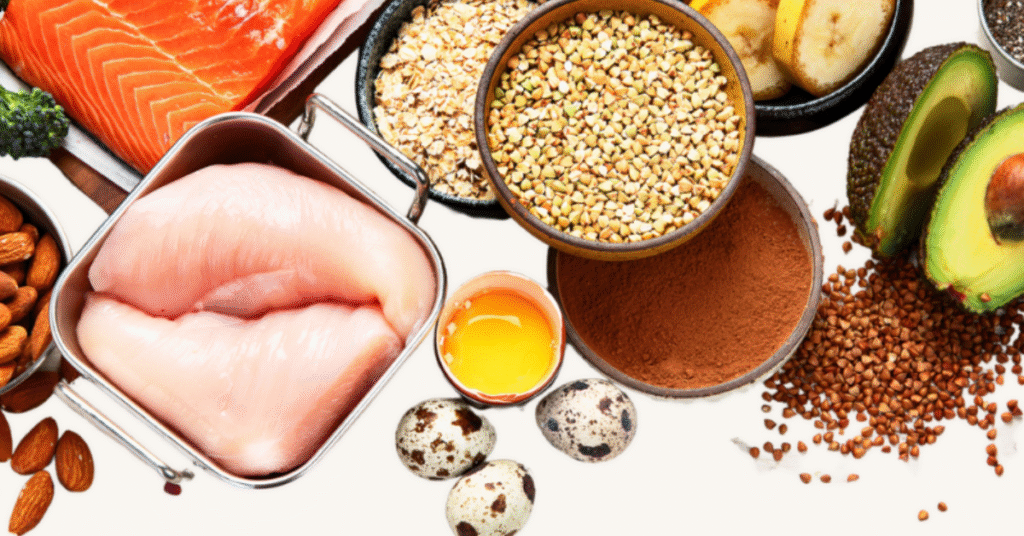
7. Avocados
Avocados, often revered for their creamy texture and rich flavor, play a significant role in boosting metabolism due to their composition of healthy fats and dietary fiber. This unique fruit is a powerhouse of monounsaturated fats, which are known to be beneficial for overall health. These healthy fats help in various bodily functions, including energy expenditure and the absorption of fat-soluble vitamins. By replacing saturated fats with these healthier options, one can potentially enhance metabolic processes.
The presence of monounsaturated fats in avocados increases the body’s ability to burn fat more effectively. When consumed, these fats contribute to satiety, leaving individuals feeling full longer, which may prevent overeating and encourage weight management. This aspect is crucial for those looking to improve their metabolic rate, as it promotes a stable energy level throughout the day.
Additionally, avocados are rich in dietary fiber, which is essential for proper digestion. Dietary fiber aids in regulating blood sugar levels and promotes the growth of beneficial gut bacteria, both of which are believed to have a positive impact on metabolism. Fiber-rich foods like avocados help to slow down the digestion of carbohydrates, providing a more controlled release of energy and preventing spikes in insulin levels. This process not only aids in metabolism but also assists in achieving a healthy weight.
Incorporating avocados into one’s diet can thus be seen as a dual approach to metabolism enhancement. By enjoying this fruit in salads, smoothies, or simply on toast, one can benefit from its nutritious profile while actively contributing to metabolic health. Overall, avocados stand out as a beneficial food choice for anyone seeking to boost their metabolism naturally.
6. Green Tea
Green tea has garnered significant attention for its potential to enhance metabolism, making it a favored beverage among health enthusiasts. At the core of its metabolic benefits lie two key components: catechins and caffeine. These compounds work synergistically to elevate energy expenditure and promote fat oxidation, thus providing a natural means to improve metabolic rate.
Catechins, specifically epigallocatechin gallate (EGCG), have been shown to stimulate thermogenesis, which is the process by which the body generates heat and burns calories. Research indicates that consuming green tea may lead to an increase in the number of calories expended over a 24-hour period. This is particularly beneficial for individuals looking to manage their weight or enhance their physical performance.
Furthermore, caffeine present in green tea acts as a stimulant that can augment energy levels and improve exercise performance. It enhances focus and endurance, which can encourage more active lifestyles. The combination of caffeine and catechins not only increases fat oxidation during exercise but also helps in resting metabolic rate, effectively resulting in more calories burned throughout the day and aiding in weight management efforts.
In addition to its metabolic effects, green tea is rich in antioxidants, which have numerous health benefits. These include supporting heart health and reducing the risk of chronic diseases, further contributing to overall well-being. For those seeking a natural and effective way to boost metabolism, incorporating green tea into their daily routine may offer substantial advantages.
5. Chili Peppers
Chili peppers are not only popular for their vibrant flavor but also for their remarkable impact on metabolism, primarily due to the presence of capsaicin. This active compound is responsible for the heat associated with chili peppers and has been shown to play a significant role in enhancing metabolic rates.
When consumed, capsaicin induces a thermogenic effect, which is a process that produces heat in the body. This rise in body temperature occurs as a direct response to the consumption of spicy foods, leading to an increase in energy expenditure. Studies have illustrated that incorporating chili peppers into meals can elevate metabolic rates temporarily, resulting in a greater number of calories burned even at rest.
The thermogenic properties of capsaicin stimulate the sympathetic nervous system, prompting the body to release adrenaline. The heightened adrenaline levels further boost energy usage, allowing for more calories to be drawn from stored fat. Additionally, spices like chili peppers might help in reducing appetite, thereby affecting overall caloric intake positively. This combination of an increased metabolic rate and a decreased appetite makes chili peppers a valuable addition to any diet aimed at weight management.
Furthermore, the effects of capsaicin extend beyond immediate calorie burn; regular consumption of chili peppers may contribute to a more efficient metabolism over time. As individuals acclimate to spicy foods, they may experience an enhanced capacity to utilize fats for energy, thereby improving overall metabolic health.
In conclusion, adding chili peppers to your diet can provide a delicious way to harness the power of capsaicin, promoting metabolic activity and aiding in effective calorie burning. Whether used fresh, dried, or in sauces, the incorporation of chili peppers offers both flavor and potential health benefits for those seeking to invigorate their metabolism.
4. Lean Proteins
Lean proteins play a vital role in boosting metabolism, as they are essential for building and repairing tissues, and they have a significant impact on the thermic effect of food (TEF). Foods such as chicken, turkey, fish, legumes, and low-fat dairy products provide high-quality protein with lower levels of saturated fat, making them ideal components of a balanced diet.
When consumed, proteins require more energy for digestion compared to carbohydrates or fats, which is known as the thermic effect of food. This process can increase the metabolic rate temporarily and contribute to calorie burning after a meal. Research indicates that meals high in protein can elevate TEF by as much as 15-30%, compared to a 5-10% increase observed with carbohydrates and a mere 0-3% increase with fats. Thus, incorporating lean protein sources into each meal can strategically enhance metabolic efficiency.
Furthermore, lean proteins are critical for muscle building, which is another factor that influences metabolism. Muscle tissue is metabolically active and requires more energy for maintenance compared to fat tissue. Consequently, an increase in muscle mass can lead to a higher basal metabolic rate (BMR), enabling individuals to burn more calories even at rest. Engaging in resistance training alongside a protein-rich diet can maximize muscle gain and further support metabolic health.
In summary, including lean proteins in your diet not only boosts the thermic effect of food but also aids in muscle development. This combination is key in optimizing metabolism, enabling individuals to manage their weight more effectively while supporting overall health. To achieve the best results, aim for a variety of lean protein sources, ensuring a balanced nutrient intake that supports metabolic function.
3. Whole Grains
Whole grains, including quinoa, brown rice, and oats, play a significant role in enhancing metabolism due to their high fiber content and complex carbohydrates. Unlike refined grains, which have been stripped of their nutrients and fiber during processing, whole grains retain their natural goodness, providing essential nutrients that support overall health and metabolic efficiency.
The fiber found in whole grains is particularly advantageous as it aids in promoting feelings of fullness and regulates digestion. This sustained sense of fullness can prevent overeating, thereby contributing to better weight management. Additionally, fiber plays a crucial role in slowing the absorption of carbohydrates, leading to a gradual release of energy rather than the rapid spikes associated with refined grains. This steady energy release not only supports physical activity but also helps maintain stable blood sugar levels, which is vital for a well-functioning metabolism.
Moreover, whole grains such as quinoa and brown rice are rich in B vitamins and minerals that are essential for metabolic processes. These nutrients help convert food into energy efficiently, thereby enhancing the body’s ability to metabolize fats and carbohydrates. Incorporating a variety of whole grains into one’s diet can also provide a diverse array of antioxidants, which play a protective role in metabolism by reducing inflammation and oxidative stress.
Choosing whole grains over refined grains promotes better metabolic health. When consumed as part of a balanced diet, whole grains not only contribute to enhanced energy levels but also support improved metabolic functions, making them a valuable addition for those looking to boost their metabolism healthily and effectively.
2. Greek Yogurt
Greek yogurt has gained significant popularity as a nutritious food item, revered not only for its distinctive taste but also for its impressive health benefits. One of the most notable advantages of Greek yogurt is its high protein content. With nearly double the protein of regular yogurt, Greek yogurt can contribute to enhanced feelings of fullness, making it an effective aid in weight management. Studies suggest that a higher protein intake can boost metabolic rates, helping the body to burn more calories throughout the day.
In addition to being protein-rich, Greek yogurt is abundant in probiotics, which are live bacteria known to be beneficial for gut health. These probiotics play a crucial role in digestion, ensuring that the body effectively absorbs nutrients while also promoting a balanced gut microbiome. A healthy gut can facilitate optimal metabolic functions, as it has been linked to improved weight regulation and reduced inflammation, both essential factors for sustaining an efficient metabolism.
Moreover, Greek yogurt is versatile and can be incorporated into a variety of meals and snacks. Whether eaten plain, added to smoothies, or utilized as a base for salad dressings and sauces, its adaptability makes it a valuable component of a balanced diet aimed at boosting metabolism. By including Greek yogurt as part of a daily meal regimen, individuals can harness its beneficial components to support not only their metabolic health but also their overall well-being.
1. Berries
Berries are not only delicious fruits but also represent a significant boost for your metabolism. Various types of berries, including blueberries, strawberries, and raspberries, are low in calories while being packed with essential nutrients and beneficial compounds. The high antioxidant content in these fruits contributes to their metabolic-enhancing properties. Antioxidants play a critical role in neutralizing free radicals and reducing oxidative stress in the body, which can otherwise hinder metabolic processes.
Moreover, berries are rich in vitamins, such as vitamin C, and dietary fiber, making them an excellent choice for those looking to promote metabolic health. The fiber content aids in digestion and helps regulate blood sugar levels, thereby preventing spikes that can lead to weight gain and metabolic disturbances. Additionally, the natural sugars present in berries provide a quick source of energy without the excessive caloric impact found in many other snacks.
Incorporating berries into your daily diet is quite simple; they can be added to smoothies, salads, or consumed as a quick snack. This versatility makes them a valuable component of any meal plan aimed at boosting metabolism. Consuming a variety of berries not only ensures a broad spectrum of nutrients and antioxidants but also supports overall health. Regularly including berries in your diet can contribute positively to weight management efforts and metabolic optimization.
Overall, berries stand as a powerhouse food choice that can play an integral role in improving metabolic function. Their combination of low calorie count, high antioxidant levels, vitamins, and fiber makes them a favorable option for those seeking to enhance their metabolic rate while maintaining a healthy diet.