
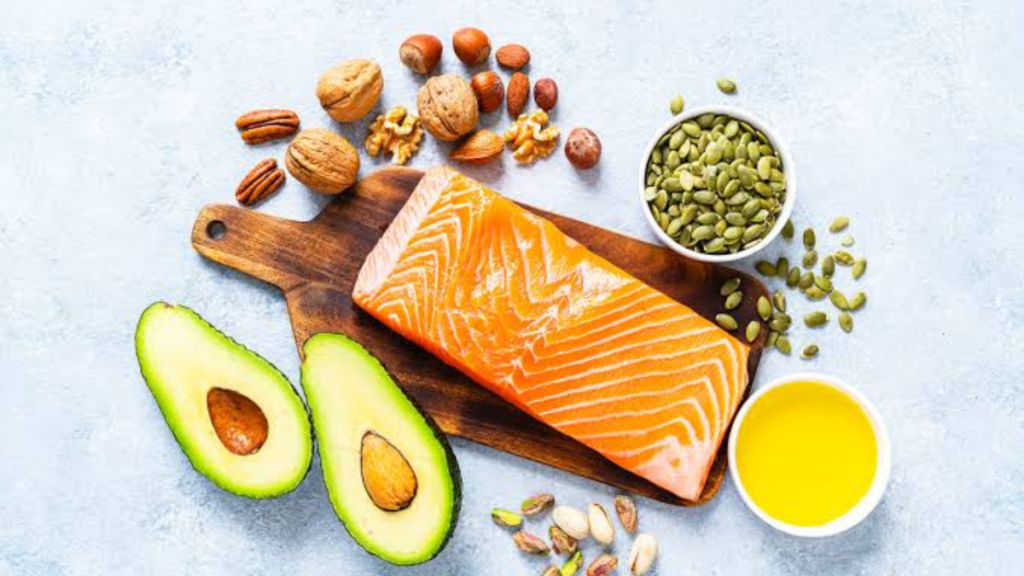
Eating more fiber is one of the simplest ways to support a healthier heart. From lowering LDL cholesterol to supporting healthy blood sugar levels, fiber-rich foods offer important benefits for cardiovascular health.
The good news? You don’t need a complicated diet. Adding more whole grains, fruits, vegetables, beans, and seeds to your meals can make a meaningful difference over time.
Here are 10 high-fiber foods worth including in your heart-healthy eating routine.
Why Is Fiber Important for Heart Health?
Dietary fiber is a type of carbohydrate found in plant foods that your body cannot fully digest.
There are two main types:
- Soluble fiber: Helps lower LDL (bad) cholesterol and supports healthy blood sugar levels.
- Insoluble fiber: Supports digestive regularity and overall gut health.
Eating a variety of fiber-rich foods as part of a balanced diet can help support long-term cardiovascular wellness.
1. Oats
Oats are among the best-known heart-healthy whole grains. They contain beta-glucan, a soluble fiber that can help reduce LDL cholesterol.
How to enjoy them: Prepare oatmeal with berries, chia seeds, and unsweetened milk for a satisfying breakfast.
Kitchen upgrade: A premium Vitamix A3500 blender on Amazon can help prepare oat smoothies, homemade oat flour, and other whole-grain recipes.
2. Lentils
Lentils provide an excellent combination of dietary fiber, plant-based protein, iron, and folate.
Replacing some meals containing processed or fatty meats with lentil-based dishes can support a more heart-friendly eating pattern.
How to enjoy them: Add cooked lentils to vegetable soups, curries, salads, or grain bowls.
3. Avocados
Avocados provide fiber alongside heart-friendly monounsaturated fats.
They are a nutritious alternative to spreads and toppings high in saturated fat.
How to enjoy them: Spread mashed avocado on whole-grain toast or add sliced avocado to a fresh vegetable salad.
4. Chia Seeds
Small but nutrient-dense, chia seeds provide fiber, plant-based omega-3 fatty acids, and important minerals.
When soaked in liquid, chia seeds form a gel-like texture that works well in puddings and breakfast recipes.
How to enjoy them: Stir chia seeds into oatmeal, yogurt, or smoothies.
Kitchen upgrade: Explore the Breville Sous Chef food processor on Amazon for preparing homemade nut-and-seed toppings, vegetable mixtures, and other nutritious ingredients.
5. Apples
Apples contain pectin, a type of soluble fiber that contributes to a heart-healthy diet.
Eating whole apples with their skins provides more fiber than drinking apple juice.
How to enjoy them: Slice an apple and pair it with unsweetened almond butter for a satisfying snack.
6. Black Beans
Black beans are rich in fiber, plant protein, and minerals such as magnesium.
Including beans regularly can help you create filling meals while reducing reliance on animal proteins high in saturated fat.
How to enjoy them: Add black beans to homemade chili, vegetable wraps, or brown rice bowls.
Choose low-sodium canned beans or rinse them thoroughly before cooking.
7. Barley
Barley is another whole grain containing beta-glucan, the soluble fiber associated with cholesterol-lowering benefits.
Its pleasantly chewy texture makes it an excellent alternative to refined grains.
How to enjoy it: Add barley to vegetable soups or serve it as a base for roasted vegetables.
8. Raspberries
Raspberries are particularly rich in dietary fiber and provide vitamin C and beneficial plant compounds.
Their naturally sweet flavor makes them a useful addition to meals without relying on sugary toppings.
How to enjoy them: Add fresh or frozen raspberries to oatmeal, plain yogurt, or overnight oats.
Kitchen upgrade: A Vitamix Professional Series blender on Amazon can help make berry smoothies that retain the fiber from whole fruit.
9. Almonds
Almonds provide fiber, unsaturated fats, vitamin E, and magnesium.
Enjoyed in sensible portions, they can be part of a balanced eating pattern that supports cardiovascular health.
How to enjoy them: Sprinkle chopped almonds over oatmeal or enjoy a small handful as a snack.
Choose unsalted varieties when possible.
10. Flaxseeds
Flaxseeds contain fiber, plant-based omega-3 fats, and lignans.
Ground flaxseeds are generally easier for the body to digest than whole seeds.
How to enjoy them: Add ground flaxseed to breakfast cereal, yogurt, homemade muffins, or smoothies.
Kitchen upgrade: For frequent homemade whole-grain baking, consider a premium KitchenAid Artisan stand mixer on Amazon. It can help prepare fiber-rich breads and muffins using whole-grain flour, oats, and seeds.
How Much Fiber Should You Eat Every Day?
Many adults benefit from aiming for approximately 25–38 grams of fiber daily, depending on age, sex, and individual nutritional needs.
If your current diet is low in fiber, increase your intake gradually and drink adequate water to help prevent digestive discomfort.
Simple Ways to Eat More Fiber
You don’t have to change everything about your diet overnight.
- Replace refined grains with whole-grain alternatives.
- Add beans or lentils to soups and salads.
- Choose whole fruits instead of fruit juice.
- Include nuts and seeds in breakfast meals.
- Make vegetables a regular part of lunch and dinner.
Small, consistent improvements can make healthy eating easier to maintain.
Building a Heart-Healthy Future
A healthier heart begins with the choices you make every day. By incorporating fiber-rich foods such as oats, lentils, berries, beans, and nuts into your meals, you can support healthy cholesterol levels and long-term cardiovascular wellness.
Remember, lasting health isn’t built overnight. It’s the result of small, consistent habits that nourish your body and support your well-being for years to come.

