
12. Olive Oil
Olive oil has garnered recognition as a beneficial dietary fat, primarily due to its rich content of healthy monounsaturated fats and abundant antioxidants. Among its key components is oleic acid, a fatty acid that has been linked to improved blood circulation. This natural compound works by enhancing the elasticity of blood vessels, which in turn facilitates the free flow of blood throughout the body, promoting overall cardiovascular health.
In addition to oleic acid, olive oil is fortified with various antioxidants, such as vitamin E and polyphenols. These compounds play a significant role in combating oxidative stress and reducing inflammation. Chronic inflammation can adversely affect blood circulation, thus including olive oil in your diet may contribute to reducing such risks. By mitigating inflammatory responses, olive oil is thought to support the health of the endothelial cells lining blood vessels, further enhancing circulation.
Integrating olive oil into your daily meals is straightforward. It can be used as a salad dressing, drizzled over vegetables, or utilized in cooking methods that require low to moderate heat. Choosing high-quality extra virgin olive oil is highly recommended, as it retains maximum beneficial properties due to minimal processing. With the rise of health-conscious dietary choices, olive oil serves both flavor and functional purposes, making it an exemplary addition to any diet aimed at improving blood flow and overall circulatory health.
11. Fatty Fish
Fatty fish, such as salmon, mackerel, sardines, and trout, are renowned for their rich content of omega-3 fatty acids. These essential fats play a vital role in enhancing cardiovascular health by reducing blood clotting and improving overall blood circulation. Omega-3 fatty acids have been shown to decrease triglycerides in the blood, decrease inflammation, and enhance the flexibility of blood vessels, all of which contribute to improved circulation.
Research indicates that regular consumption of fatty fish can lead to significant improvements in artery function. This is particularly important for maintaining optimal blood pressure and reducing the risk of developing cardiovascular disease. Studies suggest that incorporating fatty fish into one’s diet at least twice a week can provide these benefits. A recommended serving size is approximately 3.5 ounces (about 100 grams) of cooked fish.
To maximize the health benefits of fatty fish, various preparation methods can be utilized. Grilling, baking, or steaming are preferred methods that help preserve the fish’s omega-3 content while avoiding excessive use of oils or heavy sauces. For instance, grilled salmon with a sprinkle of herbs and lemon juice can be both delicious and nutritious. Another option is to incorporate canned sardines into salads or sandwiches, making them a convenient and healthful option for busy lifestyles.
Additionally, the consumption of fatty fish can be complemented with other foods that promote blood flow, such as leafy greens and whole grains. This creating a well-rounded diet that supports cardiovascular health and enhances circulation. Given the multitude of health benefits associated with fatty fish, they should be a staple in a heart-healthy diet for those looking to improve their blood circulation.
10. Beets
Beets are a remarkable root vegetable that are not only known for their vibrant color but also for their significant health benefits, particularly in improving blood circulation. One of the key components that contribute to this effect is the high levels of nitrates found in beets. When consumed, the body converts these nitrates into nitric oxide, a compound that plays a vital role in dilating blood vessels. This dilation is crucial as it enables better blood flow, thereby enhancing oxygen and nutrient delivery throughout the body.
Incorporating beets into your diet can be both delicious and beneficial for your vascular health. There are numerous creative ways to include beets in your daily meals. One popular method is to roast or steam beets, which brings out their natural sweetness. They can then be sliced and added to salads for an earthy flavor boost. Another inventive way to enjoy beets is in blended juices. Juicing fresh beets with complementary fruits such as apples or carrots creates a nutrient-rich beverage that is not only enjoyable but also promotes better circulation.
Moreover, beets can be included in various dishes, from soups to smoothies, and even incorporated into baked goods, adding nutrition and moisture. For a unique twist, try pickled beets as a flavorful addition to sandwiches or charcuterie boards. Their versatility allows you to easily integrate this powerhouse vegetable into your diet, making it a practical choice for those looking to enhance their blood circulation naturally.
9. Berries
Berries, including blueberries, strawberries, and raspberries, are celebrated not only for their delightful taste but also for their remarkable health benefits, particularly in enhancing blood circulation. These fruits are rich in antioxidants, such as flavonoids and polyphenols, which are essential for combating oxidative stress and inflammation in the body. The antioxidant properties of berries help protect blood vessels from damage, thereby promoting better blood flow.
One of the primary advantages of incorporating berries into your diet stems from their ability to improve endothelial function. The endothelium, a thin membrane lining the blood vessels, plays a crucial role in regulating vascular health. Studies have shown that the regular consumption of berries can enhance the production of nitric oxide, a molecule that helps to dilate blood vessels, facilitating improved circulation. This effect can lead to better oxygen and nutrient delivery throughout the body, which is essential for overall health.
Additionally, berries possess anti-inflammatory properties, which contribute further to cardiovascular health. Chronic inflammation is a significant risk factor for various heart-related conditions, including atherosclerosis. By consuming a diverse range of berries, individuals can harness these anti-inflammatory effects, reducing the risk of developing heart disease and improving overall vascular function.
Incorporating berries into daily meals is straightforward. They can be added to smoothies, cereals, yogurt, or enjoyed fresh as a snack. Mixing different types of berries not only enhances flavor but also maximizes the health benefits associated with their unique nutrient profiles. Therefore, including a variety of berries in one’s diet is a delicious and effective strategy for boosting circulation and supporting heart health.
8. Dark Chocolate
Dark chocolate, specifically varieties that contain high cocoa content, is celebrated not only for its rich flavor but also for its numerous health benefits, particularly in improving blood circulation. The key components that contribute to these benefits are flavonoids, which are naturally occurring compounds found in cocoa. These flavonoids have been shown to enhance the function of endothelial cells, which line the blood vessels, thereby promoting better blood circulation.
The mechanisms through which dark chocolate supports vascular health include the ability to lower blood pressure and stimulate blood flow. Studies have found that the consumption of dark chocolate can lead to the dilation of blood vessels, allowing for improved blood flow throughout the body. This is particularly beneficial for individuals looking to enhance their cardiovascular health and overall circulation.
When considering the incorporation of dark chocolate into the diet, it is essential to select products with a high cocoa percentage, ideally above 70%. This ensures a greater concentration of flavonoids, maximizing the health benefits associated with its consumption. However, moderation is key, as many chocolate products can be high in sugar and calories, which may counteract the positive effects on circulation. A reasonable daily intake is approximately one ounce, which allows one to enjoy the health benefits without excessive sugar intake.
Incorporating dark chocolate into a balanced diet can not only satisfy a sweet tooth but also serve as a strategic measure to enhance blood circulation. Whether consumed as a snack, in smoothies, or added to desserts, the careful selection and moderation of dark chocolate can lead to improved vascular health and enhanced well-being.
7. Citrus Fruits
Citrus fruits, such as oranges, grapefruits, lemons, and limes, are renowned not only for their zesty flavor but also for their remarkable health benefits, particularly in promoting blood circulation. The primary contributors to these benefits are the abundantly available vitamin C and flavonoids found in these fruits. Vitamin C plays a critical role in the synthesis of collagen, which is essential for maintaining the integrity and elasticity of blood vessels. By strengthening blood vessel walls, vitamin C aids in preventing occlusions and supports optimal blood flow throughout the body.
Moreover, flavonoids, natural compounds found in citrus fruits, possess anti-inflammatory and antioxidant properties that can significantly reduce inflammation and protect against oxidative stress. This dual action helps to improve overall vascular health and boosts circulation, making citrus fruits an invaluable addition to one’s diet.
Incorporating citrus fruits into your everyday meals can be both simple and delightful. One effective way is to start your day with a glass of freshly squeezed orange juice, as it not only offers a refreshing taste but also delivers a potent dose of essential nutrients. Additionally, adding slices of lemon or lime to your water can enhance hydration while infusing it with vital nutrients. For those who enjoy cooking, citrus zest can be used to add flavor to salads, marinades, and sauces, thereby elevating the nutritional profile of a meal.
As a nutrient-dense option for snacks, whole citrus fruits are an excellent choice, providing fiber along with vitamins. Grapefruits, in particular, can be enjoyed both sliced in half for breakfast or blended into smoothies for a nutritious afternoon treat. By regularly including a variety of citrus fruits in your diet, you support your body in maintaining healthy blood circulation and overall well-being.
6. Spinach
Spinach is a leafy green vegetable that is highly regarded for its numerous health benefits, particularly its ability to enhance blood circulation. This is mainly attributed to its rich content of nitrates, which are compounds that the body converts into nitric oxide. Nitric oxide is vital for relaxing blood vessels, thereby allowing for improved blood flow. Studies suggest that diets high in nitrates can significantly increase nitric oxide levels, leading to better vascular function and circulation.
In addition to nitrates, spinach is a good source of vitamins C, E, and K, all of which play important roles in maintaining vascular health. Vitamin C is known for its antioxidant properties, combating oxidative stress that can damage blood vessels. Meanwhile, vitamin E contributes to the prevention of platelet aggregation, which can lead to clot formation. Vitamin K is essential for blood clotting regulation and maintaining healthy arteries. The combination of these nutrients makes spinach a potent ally in promoting cardiovascular health and enhancing blood circulation.
Incorporating spinach into your meals can be both easy and delicious. One of the simplest ways is to add fresh spinach leaves to salads, mixing them with other vibrant vegetables and a healthy dressing. Spinach can also be sautéed with olive oil and garlic for a quick side dish, or blended into smoothies with fruits like bananas and berries for a nutritious breakfast. Additionally, adding spinach to soups, stews, or pasta dishes not only boosts the nutrient profile but also enhances flavor. Experimenting with different recipes can help you enjoy the many health benefits spinach has to offer.
5. Garlic
Garlic, a commonly used herb for culinary and medicinal purposes, contains an active compound known as allicin, which is primarily responsible for its cardiovascular benefits. Allicin is released when garlic is chopped, crushed, or chewed, enhancing its bioavailability and therapeutic effects. This compound plays a pivotal role in promoting better blood circulation by helping to dilate blood vessels, thereby improving blood flow throughout the body.
Research has shown that regular consumption of garlic can result in several cardiovascular advantages, including lowered blood pressure and reduced cholesterol levels. These effects contribute to an overall enhancement of circulatory health, potentially lowering the risk of atherosclerosis and other circulatory disorders. Furthermore, garlic is known to exhibit anti-inflammatory properties which can further support vascular health.
Incorporating garlic into one’s diet can be achieved in various forms. Fresh garlic cloves can be minced and added to salads, soups, or stir-fries. Alternatively, garlic can be consumed in the form of supplements, oils, or extracts. However, it is often recommended to consume raw or lightly cooked garlic to maximize the retention of allicin, as high temperatures can diminish its effectiveness.
It is essential to note that while garlic is beneficial for circulation, moderation should be practiced. Excessive intake can lead to gastrointestinal discomfort, and individuals on blood-thinning medications should consult a healthcare professional before significantly increasing their garlic consumption. Overall, the addition of garlic to a balanced diet can be a tasty and health-promoting strategy for improving blood circulation.
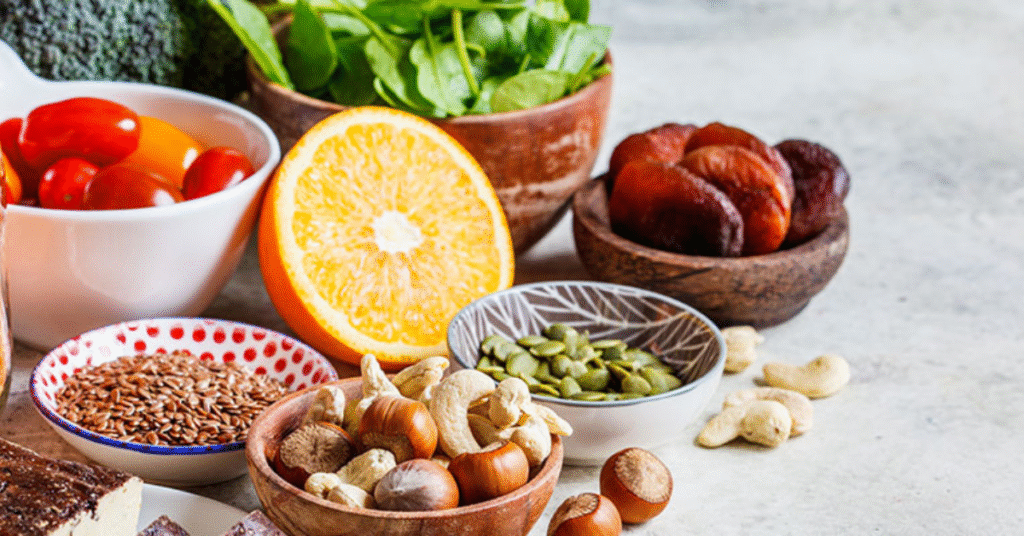
4. Nuts and Seeds
Nuts and seeds, including varieties such as walnuts, almonds, and flaxseeds, are celebrated for their health benefits, particularly in promoting optimal blood circulation. These nutrient-dense foods are rich in essential fatty acids, including omega-3 and omega-6, which play a crucial role in reducing inflammation and improving vascular function. The beneficial fats found in nuts contribute significantly to the maintenance of arterial health, thus enhancing overall circulation.
Moreover, nuts and seeds are packed with antioxidants, which combat oxidative stress in the body. This stress, caused by free radicals, can lead to damage within blood vessels, thereby impairing circulation. By incorporating a variety of these foods into one’s diet, individuals can harness the power of antioxidants to protect their cardiovascular system.
The consumption of nuts and seeds also brings about additional health benefits that complement improved blood flow. For instance, almonds are an excellent source of vitamin E, which is known to enhance blood circulation by preventing the oxidation of cholesterol—a process that can lead to the build-up of plaque in arteries. Walnuts, on the other hand, are particularly known for their anti-inflammatory properties, which contribute to smoother blood flow and reduced hypertension.
Furthermore, flaxseeds are notable for their high content of alpha-linolenic acid (ALA), a type of omega-3 fatty acid associated with improved blood vessel function. Including flaxseeds regularly can aid in maintaining optimal vascular health. Regular consumption of nuts and seeds not only enhances circulation but also offers a plethora of vitamins and minerals essential for overall health. Thus, a balanced diet that incorporates these foods could lead to long-term cardiovascular benefits.
3. Turmeric
Turmeric, a vibrant yellow spice commonly used in Indian cuisine, has gained notable attention for its health benefits, particularly due to an active compound known as curcumin. Curcumin is recognized for its strong anti-inflammatory properties which play a significant role in improving blood circulation. Inflammation in the body can lead to various health issues, including reduced blood flow and circulation problems. By incorporating turmeric into one’s diet, individuals may experience enhanced vascular health and improved blood flow.
Research suggests that curcumin can help improve the function of the endothelium, which is the lining of blood vessels. A healthy endothelium contributes to better blood circulation and overall cardiovascular health. Moreover, curcumin’s antioxidant properties assist in reducing oxidative stress, another factor that can impair circulation. Thus, integrating turmeric into your meals may be a simple yet effective way to bolster circulation.
There are many delightful ways to incorporate turmeric into your daily meals. One popular method is to use it in curries, where its earthy flavor complements a variety of vegetables and proteins. It can also be added to soups and stews to enhance both color and nutrition. For those looking for a refreshing option, turmeric can be blended into smoothies, combined with ingredients like banana, spinach, and a hint of ginger to create a nutrient-rich drink. Additionally, golden milk, made from turmeric, warmed milk, and spices, serves as a soothing beverage with multiple health benefits.
As you explore different culinary uses of turmeric, ensure to pair it with a source of fat, like coconut oil or milk, as this can enhance the absorption of curcumin in the body. Overall, including turmeric in your diet may not just add flavor, but it can also contribute positively to your blood circulation and overall health.
2. Apples
Apples are not only a popular fruit but also a powerhouse of numerous health benefits, particularly for heart health and blood circulation. These crisp fruits are rich in dietary fiber and high in antioxidants, compounds that play a crucial role in combating oxidative stress in the body. The primary antioxidants found in apples, such as quercetin and procyanidins, have been associated with several cardiovascular benefits, which include improved circulation and reduced risk of heart disease.
The fiber content in apples, specifically soluble fiber known as pectin, can help lower cholesterol levels by binding to cholesterol molecules and facilitating their excretion. This reduction in cholesterol not only contributes to better heart function but also helps maintain healthy blood flow. By incorporating apples into your diet, you can support your circulatory system while enjoying a delicious and versatile snack.
There are numerous ways to enjoy apples in daily meals and snacks. For breakfast, consider adding sliced apples to your oatmeal or yogurt to create a nutritious start to your day. Apples can also be blended into smoothies, combined with leafy greens for a refreshing salad, or baked with a sprinkle of cinnamon for a warm dessert. For a quick and healthy snack, try pairing apple slices with almond butter or cheese, which provides a satisfying combination of flavors and textures.
In summary, including apples in your diet is an effective strategy to enhance blood circulation and overall heart health. Their rich nutrient profile, coupled with their culinary versatility, makes them an excellent addition to any health-conscious meal plan.
1. Ginger
Ginger, a root with a long history in both culinary and medicinal contexts, is renowned for its numerous health benefits, particularly its ability to enhance blood circulation. This vibrant spice, often found in households in fresh, powdered, or pickled forms, possesses potent anti-inflammatory properties. These qualities make ginger an effective dietary choice for those looking to improve blood flow throughout the body.
The active compounds in ginger, such as gingerol, contribute to its blood-thinning effects, which can help to reduce the risk of blood clots and promote better circulation. Furthermore, ginger has been shown to aid in the reduction of systemic inflammation, which can often impede healthy blood flow. This makes it a valuable addition to the diets of individuals seeking to support their cardiovascular health.
Incorporating fresh ginger into your diet is straightforward and can be done in several enjoyable ways. One of the simplest methods is to prepare a ginger tea by steeping sliced or grated ginger in hot water. This beverage not only serves as a warming drink but also provides a flavorful way to reap the benefits of ginger’s circulation-enhancing properties.
Additionally, fresh ginger can be blended into smoothies, adding a spicy kick while promoting healthy blood flow. Another option is to include ginger in cooking by adding it to stir-fries, marinades, or soups. The versatility of ginger allows it to complement a variety of dishes while contributing its health benefits.
Overall, the integration of ginger into a balanced diet can serve as an effective strategy for improving blood circulation. By utilizing this powerful root in various culinary applications, individuals can enjoy its health-promoting properties while enhancing their overall wellbeing.