
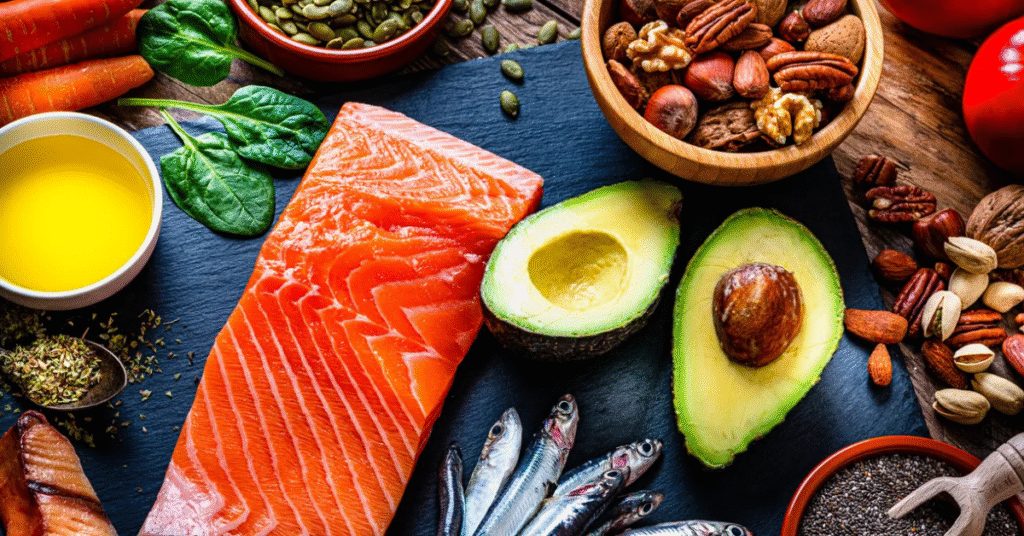
12. Spinach
Spinach, a nutrient-dense leafy green, is often hailed as a powerhouse of health benefits. This vegetable is rich in essential vitamins, particularly vitamins A, C, and K, which play a significant role in maintaining overall health. Vitamin A is crucial for eye health and vision, while vitamin C acts as a powerful antioxidant, protecting the body from oxidative stress and supporting the immune system.
One of the remarkable aspects of spinach is its high iron content, which is beneficial for combating anemia and promoting healthy blood circulation. Iron is essential for transporting oxygen throughout the body, and including spinach in your daily diet can be advantageous, particularly for individuals with increased iron needs, such as athletes or pregnant women.
Furthermore, spinach is an excellent source of dietary antioxidants, including flavonoids and carotenoids, which contribute to reduced inflammation and may lower the risk of chronic diseases. These antioxidants work synergistically to support the body’s defenses against free radicals, thus enhancing overall wellness.
In addition to its immune-boosting properties, spinach is pivotal for bone health due to its high levels of vitamin K. This vitamin plays a vital role in calcium absorption and bone metabolism, making spinach an ideal choice for those looking to strengthen their skeletal system. Regular consumption of this leafy green can contribute to improved bone density and a reduced risk of osteoporosis.
Incorporating spinach into daily meals can be straightforward; it can be blended into smoothies, included in salads, or as a complement to various dishes. By making spinach a regular part of your diet, you can harness its vast array of health benefits, ensuring your body receives essential nutrients that promote optimal health.
11. Berries
Berries, including blueberries, strawberries, and raspberries, are often cited as some of the healthiest foods one can consume. These small fruits pack a powerful nutritional punch, offering a rich source of essential vitamins and minerals. For instance, blueberries are particularly high in vitamin C and vitamin K, which play vital roles in immune function and bone health, respectively.
Strawberries also contribute significantly to dietary vitamins. They are an exceptional source of vitamin C, boasting a higher concentration than that found in oranges. Furthermore, strawberries provide manganese and folate, nutrients that are important for metabolic processes and cellular functions.
Raspberries are another nutrient-dense variety that deserves mention. They are rich in dietary fiber, which aids digestive health and helps maintain a healthy weight. In addition to fiber, raspberries are a valuable source of antioxidants, including quercetin and ellagic acid, which have been linked to various health benefits.
The antioxidant properties of these berries play a pivotal role in reducing inflammation within the body. Chronic inflammation can lead to various health issues, including heart disease and neurodegenerative disorders. Regular consumption of berries has been associated with an improved cardiovascular health profile, as they can help lower blood pressure and reduce LDL cholesterol levels. This makes berries an excellent addition to the diets of individuals looking to support their heart health.
Moreover, the brain-boosting benefits of berries are increasingly recognized in scientific studies. The flavonoids found in these fruits may enhance cognitive function and reduce the risk of age-related cognitive decline. The protective effects of berries on brain health may be attributed to their ability to improve blood circulation and reduce oxidative stress.
10. Quinoa
Quinoa, often referred to as a superfood, has gained recognition as an essential grain known for its unique nutritional profile. One of the most significant aspects of quinoa is its status as a complete protein. Unlike many plant-based sources, quinoa contains all nine essential amino acids, making it an excellent choice for those seeking to boost their protein intake without consuming animal products.
This grain is particularly beneficial for athletes and fitness enthusiasts as it supports muscle repair and growth due to its rich amino acid composition. The presence of these amino acids helps in the recovery process post-exercise, providing a natural and nourishing source of protein that aids in rebuilding muscle tissue.
Moreover, quinoa is an excellent source of dietary fiber, which plays a crucial role in digestive health. The high fiber content aids in regulating bowel movements and can contribute to a feeling of fullness, making it a valuable component in weight management diets. Additionally, the fiber in quinoa helps to slow down digestion, thus, allowing for a gradual release of energy, which is essential for maintaining stable blood sugar levels.
In addition to its protein and fiber benefits, quinoa is naturally gluten-free, making it an ideal grain substitute for those with gluten sensitivities or celiac disease. This adaptability allows quinoa to be incorporated into various dishes, from salads to breakfast bowls, ensuring a versatile and healthful addition to any meal.
In summary, including quinoa in a daily diet not only enriches one’s nutrient intake but also offers a multifaceted approach to achieving total body health through its protein, fiber, and gluten-free properties.
9. Salmon
Salmon, a nutrient-rich fish, is widely recognized as one of the best sources of omega-3 fatty acids, which are essential fats that the body cannot produce on its own. These fatty acids, particularly EPA (eicosapentaenoic acid) and DHA (docosahexaenoic acid), have been linked to numerous health benefits that support total body wellness.
One of the most significant advantages of omega-3 fatty acids is their role in promoting heart health. Regular consumption of salmon can help lower blood pressure, reduce triglyceride levels, and decrease the likelihood of heart disease. As a heart-healthy food, salmon contributes to healthy circulation and overall cardiovascular function.
In addition to heart health, omega-3 fatty acids play a vital role in brain function. Research indicates that these fatty acids may aid in enhancing cognitive abilities, improving mood, and potentially reducing the risk of neurodegenerative diseases such as Alzheimer’s. The presence of DHA in salmon particularly supports brain structure and function, making it a critical addition to a daily diet.
Moreover, the anti-inflammatory properties of omega-3 fatty acids found in salmon cannot be overstated. Chronic inflammation is a contributing factor to various health issues, including arthritis, heart disease, and even certain cancers. By incorporating salmon into your daily meals, you may help combat inflammation and support the immune system.
To reap these benefits, it is advisable to consume salmon regularly, aiming for at least two servings per week. Whether grilled, baked, or added to salads, this delicious fish can easily be incorporated into a variety of dishes. Investing in the consumption of salmon and other omega-3-rich foods will not only enhance your daily nutrition but also contribute to long-term health and wellness.
8. Nuts
Nuts, including almonds, walnuts, and pistachios, are a powerhouse of essential nutrients that contribute significantly to overall health and well-being. These small yet mighty snacks are rich in healthy fats, proteins, and dietary fiber, making them a perfect addition to a balanced diet.
The healthy fats found in nuts, particularly monounsaturated and polyunsaturated fats, are known to support heart health. Regular consumption of nuts can help lower cholesterol levels and reduce the risk of heart disease. Almonds, for instance, are particularly high in vitamin E and magnesium, both of which are integral to maintaining a healthy cardiovascular system.
In addition to their cardiovascular benefits, nuts are an excellent source of plant-based protein. This makes them an ideal snack choice for vegetarians and those looking to add more protein to their diets. Protein is essential for muscle repair and growth, and including nuts as a source can aid in meeting daily protein requirements without excessive calories.
The dietary fiber in nuts also plays a critical role in digestive health. Fiber promotes satiety, which can aid in weight management by controlling hunger. Studies have shown that incorporating nuts into the daily diet not only satisfies cravings but also contributes to lower body weight over time. Furthermore, the balanced profile of nutrients in nuts supports metabolic health, reducing the likelihood of developing chronic diseases such as type 2 diabetes.
To reap the benefits of these nutrient-dense snacks, it is recommended to include a handful of nuts in your daily diet. Whether enjoyed raw, roasted, or added to salads and meals, the impact of nuts on overall health is substantial and well worth considering.
7. Sweet Potatoes
Sweet potatoes are a vibrant and versatile root vegetable, offering an impressive array of vitamins, minerals, and antioxidants that contribute significantly to overall health. Rich in beta-carotene, sweet potatoes are known for their role in promoting healthy skin by protecting against sun damage and facilitating skin repair. This orange pigment is converted into vitamin A in the body, which is essential for maintaining optimal skin health and promoting cellular turnover.
In addition to beta-carotene, sweet potatoes are a valuable source of vitamin C, which plays a critical role in supporting the immune system. This vitamin is vital for the growth and repair of tissues, helping to bolster the body’s defenses against pathogens. Antioxidants found in sweet potatoes also aid in reducing oxidative stress, potentially lowering the risk of chronic diseases such as heart disease and diabetes.
Furthermore, sweet potatoes are rich in dietary fiber, which is beneficial for digestive health. Fiber helps regulate bowel movements, aids in nutrient absorption, and contributes to a feeling of fullness. This aspect is particularly important for stabilizing blood sugar levels, as soluble fiber slows down the digestion and absorption of glucose into the bloodstream. Hence, incorporating sweet potatoes into one’s daily diet can be an effective strategy for maintaining healthy blood sugar levels, making them an excellent choice for those living with diabetes or those seeking to prevent the condition.
In summary, sweet potatoes stand out as a nutrient-rich food that supports skin health, enhances immune function, and aids in stabilizing blood sugar levels. Their remarkable benefits make them a worthy addition to everyday meals, thereby promoting total body health.
6. Yogurt
Yogurt, a nutrient-dense dairy product, is widely recognized for its myriad health benefits, particularly those attributed to its content of live probiotics. These beneficial bacteria play a crucial role in maintaining a healthy gut microbiome, which is essential for overall body health. Consuming yogurt regularly can significantly enhance gut health, leading to improved digestion and better absorption of nutrients.
The probiotics found in yogurt, such as Lactobacillus and Bifidobacterium, contribute to a balanced gut flora. A balanced gut is vital for optimal digestive function, as it helps to break down food efficiently and aids in the prevention of gastrointestinal issues, such as bloating, constipation, and irritable bowel syndrome (IBS). Moreover, a healthy gut contributes to the production of certain vitamins and compounds, further supporting digestive health.
In addition to its role in digestion, yogurt containing live probiotics may also bolster the immune system. Research has shown that probiotics can enhance the body’s natural defenses, reducing the incidence of infections and certain diseases. This immune-enhancing property is attributed to the interaction between probiotics and the gut-associated lymphoid tissue (GALT), which plays a pivotal role in immune responses.
Furthermore, yogurt is an excellent source of essential nutrients, including calcium, protein, and vitamins B2 and B12, contributing to bone health and muscle repair. The integration of yogurt into one’s daily diet can lead to positive health outcomes when consumed as part of a balanced diet. Therefore, incorporating yogurt, especially varieties rich in live cultures, can be a simple yet effective strategy for promoting total body health.
5. Avocado
Avocado is widely recognized for its rich, creamy texture and is often dubbed as a superfood due to its impressive nutritional profile. One of the standout features of avocados is their high content of monounsaturated fats. These healthy fats are beneficial for heart health as they help to lower bad cholesterol levels (LDL) while simultaneously increasing good cholesterol (HDL). By incorporating avocados into your daily diet, you can support cardiovascular health and reduce the risk of heart-related diseases.
In addition to their healthy fat content, avocados are an excellent source of dietary fiber. A single avocado contains approximately 10 grams of fiber, which helps to promote digestive health and maintain a healthy weight. Fiber contributes to a feeling of fullness, reducing the likelihood of overeating and aiding in portion control. This makes avocados a valuable addition for those looking to manage their weight effectively.
Moreover, avocados are packed with essential vitamins and minerals, particularly vitamin E, which plays a crucial role in maintaining skin health and protecting cells from oxidative stress. Vitamin E is known for its antioxidant properties, which may help combat the signs of aging and enhance overall wellness.
As an ingredient, avocados are versatile; they can be enjoyed on toast, blended into smoothies, or added to salads, enhancing not only the nutritional value of meals but also their flavor and creaminess. By choosing avocados as a daily staple, you are embracing a nutrient-rich food that contributes to your overall health while satisfying your taste buds.
4. Eggs
Eggs are recognized as one of the most nutrient-dense foods available, boasting a comprehensive profile that supports various aspects of health. A single large egg contains approximately 6 grams of high-quality protein, which is vital for muscle building and repair. The protein found in eggs includes all nine essential amino acids, making them a complete protein source. This makes eggs particularly beneficial for individuals engaging in physical activities, as they can aid in muscle recovery and maintenance.
Beyond their protein content, eggs are rich in a variety of vitamins and minerals that contribute to overall health. They are an excellent source of Vitamin B12, which plays a crucial role in red blood cell formation and neurologic function. Additionally, eggs provide significant amounts of selenium, an antioxidant that protects the body from oxidative damage, and riboflavin, an important nutrient for energy production.
Interestingly, eggs also support brain health due to their high choline content. Choline is a crucial nutrient involved in neurotransmitter synthesis and cognitive function, contributing to memory and other cognitive capabilities. Furthermore, the presence of lutein and zeaxanthin, both carotenoids found in egg yolks, has been linked to improved eye health. These compounds help protect the eyes from harmful blue light and reduce the risk of macular degeneration.
Incorporating eggs into a daily diet can yield substantial health benefits, from aiding muscle development to enhancing cognitive function and protecting visual health. Given their affordability and versatility, eggs are an accessible source of nutrition that can be easily integrated into a variety of meals.
3. Broccoli
Broccoli, a member of the cruciferous vegetable family, is renowned for its impressive array of health benefits, including its potential in cancer prevention. One of the key attributes of broccoli is its rich content of glucosinolates, compounds that have been studied for their ability to combat cancer. These compounds are thought to aid in detoxifying potential carcinogens, thereby promoting cellular health and reducing the risk of various cancers, particularly those affecting the bladder, breast, and colorectal regions.
In addition to its cancer-fighting properties, broccoli is packed with essential vitamins, notably vitamin K and vitamin C. Vitamin K plays a crucial role in blood coagulation and bone health, while vitamin C is known for its antioxidant properties, which help protect the body against free radical damage. This combination of vitamins supports the immune system, enhancing overall body wellness and resilience against illness. Furthermore, broccoli is an excellent source of dietary fiber, a component vital for maintaining gut health and promoting regular bowel movements. A high-fiber diet is linked to a lower risk of gastrointestinal disorders and supports the health of the microbiome, leading to enhanced nutrient absorption and overall digestive health.
Incorporating broccoli into a daily diet can be simple and versatile; whether steamed, roasted, or included in salads, this vegetable offers numerous advantages. Its antioxidant compounds, combined with essential nutrients, make broccoli a powerful ally in the pursuit of total body health. Regular consumption can act as a supportive measure not just for detoxification, but also for achieving optimal wellness. Understanding the health benefits of such cruciferous vegetables positions broccoli as a necessary staple in any health-conscious diet.
2. Garlic
Garlic, scientifically known as Allium sativum, is widely recognized not only for its culinary applications but also for its numerous health benefits. One of the key components of garlic is its rich content of sulfur compounds, particularly allicin, which is primarily responsible for its health-enhancing properties. These sulfur compounds contribute significantly to garlic’s role as an immune booster, helping the body ward off illnesses and infections.
Research has shown that garlic can enhance the immune system by stimulating the activity of immune cells, such as macrophages and lymphocytes. This stimulation is vital in increasing the body’s resistance to common illnesses, including colds and flu. Additionally, garlic possesses anti-inflammatory properties that can further aid in maintaining overall health.
Beyond its immune-boosting effects, garlic plays a pivotal role in cardiovascular health. Regular consumption of garlic has been linked to lower blood pressure and cholesterol levels, both of which are critical factors in reducing the risk of heart disease. The compounds found in garlic help improve blood circulation and promote healthy vascular function, which is essential for maintaining a healthy heart.
Furthermore, garlic is being studied for its potential cancer-preventive properties. Some studies suggest that the regular intake of garlic may reduce the risk of certain cancers, particularly those of the digestive tract. The antioxidant effects of sulfur compounds may help combat oxidative stress and reduce cell damage, which are contributing factors in the development of cancer.
In addition to its health benefits, garlic is a versatile ingredient that can enhance the flavor of various dishes without the need to add excessive sodium. This makes it an excellent choice for those seeking to reduce salt intake while still enjoying robust flavors in their meals. Incorporating garlic into a daily diet can be a simple yet effective strategy for promoting total body health.
1. Green Tea
Green tea has become increasingly recognized for its exceptional health benefits, particularly due to its high levels of antioxidants. Among these antioxidants, catechins take center stage. Catechins are a type of flavonoid that have been extensively studied for their potential impact on health. These compounds work by neutralizing harmful free radicals in the body, thereby reducing oxidative stress and preventing cellular damage.
The consumption of green tea is linked to various health benefits that significantly contribute to total body health. One of the most notable advantages is its ability to boost metabolism. Studies suggest that catechins can enhance metabolic rate, leading to increased calorie burning and potentially aiding in weight management. This makes green tea not only a refreshing beverage but also a supportive ally in maintaining a healthy weight.
Moreover, green tea has been shown to promote heart health. Research indicates that regular consumption can lead to improved cholesterol levels, decreased blood pressure, and reduced risk of heart disease. The presence of catechins contributes to these cardiovascular benefits by improving endothelial function and reducing inflammation, which are critical factors in maintaining a healthy heart.
Additionally, some studies have pointed to the potential role of green tea in cancer prevention. The antioxidants in green tea, particularly catechins, are believed to inhibit cancer cell growth and promote apoptosis, the process of programmed cell death in abnormal cells. By incorporating green tea into daily routines, individuals may take proactive steps toward reducing their cancer risk.
In summary, green tea emerges as a powerful daily beverage choice packed with antioxidants, particularly catechins. Its benefits extend beyond simple refreshment; it supports metabolism, enhances heart health, and may offer protective effects against certain types of cancer, making it a valuable addition to a balanced diet.