
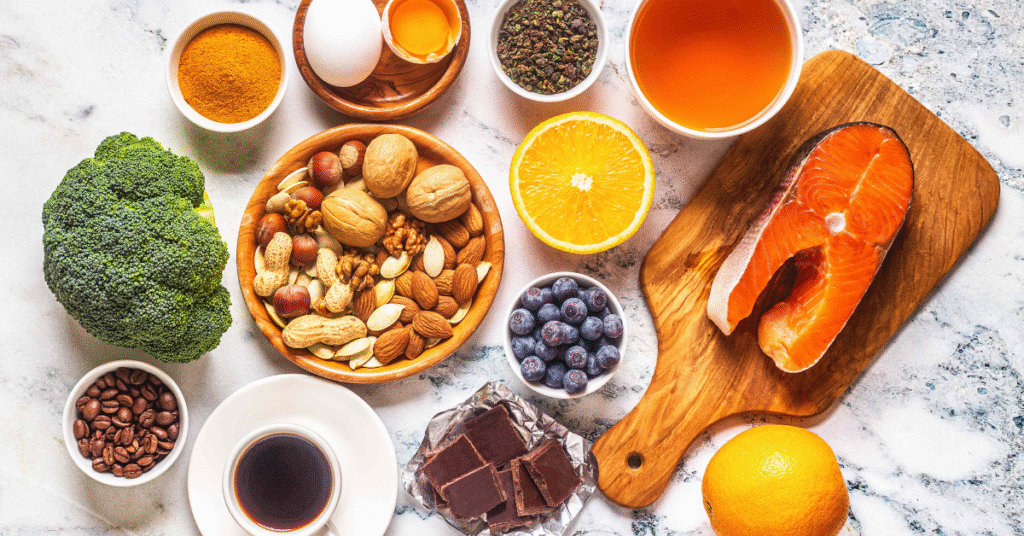
9. Blueberries
Blueberries are often heralded as a superfood, and for good reason. These small, vibrant fruits are packed with antioxidants, notably anthocyanins, which provide significant health benefits that may contribute to a more youthful appearance. The high levels of antioxidants in blueberries help to neutralize free radicals in the body—unstable molecules that can cause oxidative stress, leading to cellular damage and premature aging.
Incorporating blueberries into your diet is a simple yet effective way to support skin health. The antioxidants in these berries assist in protecting the skin from UV radiation and environmental pollutants, which can accelerate the aging process. Some studies suggest that regular consumption of blueberries may lead to improved skin hydration, elasticity, and overall complexion, making them an essential component of an anti-aging diet.
Beyond skin benefits, blueberries have also been linked to enhanced brain function. Research indicates that the anthocyanins found in blueberries may reduce inflammation and oxidative stress in the brain, potentially lowering the risk of cognitive decline as one ages. This cognitive protection may contribute to sharper memory and improved mental clarity, further promoting a youthful and vibrant lifestyle.
In addition to antioxidants, blueberries are a source of vitamins C and K, both of which play crucial roles in skin health. Vitamin C is essential for collagen production, which helps maintain skin structure and firmness, while vitamin K may assist in reducing dark circles and blemishes. By incorporating blueberries into your daily meals—whether as a snack, in smoothies, or as a topping for oatmeal—you are not only indulging in a delicious treat but also fortifying your body against the ravages of time.
8. Avocados
Avocados stand out as a nutrient-dense food that offers remarkable benefits for skin health and anti-aging. The richness of healthy fats in avocados, particularly monounsaturated fats, plays a pivotal role in maintaining skin hydration. These fats help to keep the skin supple and moisturized, ultimately reducing the appearance of fine lines and wrinkles. Moreover, the smooth and creamy texture of avocados makes them not only a versatile ingredient in various dishes but also a delightful addition to your diet for youthful skin.
Another key nutrient found in avocados is vitamin E, a powerful antioxidant known for its skin-protecting properties. Vitamin E combats oxidative stress caused by free radicals, which are harmful molecules that can accelerate aging and skin deterioration. By incorporating avocados into your daily meals, you can leverage their high vitamin E content to support skin repair and rejuvenation. In fact, studies have shown that an adequate intake of vitamin E can enhance skin barrier function and improve overall skin quality.
Furthermore, avocados are also packed with vitamins C and K, which contribute to collagen synthesis and skin health. Vitamin C is essential for maintaining skin firmness and elasticity, while vitamin K plays a role in reducing dark circles and promoting an even skin tone. The combination of these nutrients in avocados works synergistically to create a nourishing environment for your skin, supporting its natural ability to heal and remain youthful. Therefore, regularly consuming avocados can be a simple yet effective strategy in the pursuit of anti-aging, providing essential components that help sustain a vibrant complexion.
7. Spinach
Spinach is renowned for its impressive array of vitamins and minerals that play a critical role in promoting skin health and vitality. This leafy green is particularly high in vitamins A, C, and K, each of which contributes uniquely to overall skin maintenance and rejuvenation. Vitamin A is vital for skin repair and growth, aiding in the turnover of skin cells. It helps to reduce the appearance of fine lines and wrinkles, making it an essential nutrient for those seeking to maintain a youthful complexion.
Vitamin C, another key component found in spinach, is crucial for collagen production. Collagen, a protein that provides structure and elasticity to the skin, diminishes with age; therefore, an adequate intake of vitamin C can help boost the skin’s natural firmness and suppleness. Furthermore, vitamin C acts as an antioxidant, combating free radicals that can lead to premature aging. By incorporating spinach into your diet, you can enhance your skin’s radiance and protect it from environmental damage.
Additionally, spinach contains vitamin K, which is often overlooked but plays a significant role in skin health. This vitamin is known for its ability to improve skin elasticity and diminish the appearance of dark circles and blemishes. Vitamin K aids in the regulation of blood clotting and may contribute to overall skin tone. Through consuming spinach, individuals can benefit from its anti-inflammatory properties as well, which may help reduce redness and irritation, leading to a more even and youthful skin appearance.
To maximize the benefits of spinach, consider incorporating it into your salads, smoothies, and cooked dishes. Its versatility and nutrient density make spinach an excellent addition to any anti-aging diet, fostering a glowing complexion while providing essential vitamins and minerals.
6. Salmon
Salmon is widely recognized as a powerhouse food in the realm of nutrition, particularly due to its rich content of omega-3 fatty acids. These essential fats play a crucial role in maintaining overall skin health by preserving moisture levels. A hydrated skin barrier is fundamental in preventing dryness, a common issue that often exacerbates the appearance of fine lines and wrinkles.
Moreover, omega-3 fatty acids are known to enhance skin elasticity, a vital factor in keeping the skin looking youthful. As we age, the natural production of collagen and elastin, proteins that maintain skin structure, tends to decrease. The incorporation of salmon into one’s diet can potentially bolster collagen synthesis, thereby promoting improved skin firmness and elasticity.
In addition to hydration and elasticity, omega-3s found in salmon may contribute to reducing inflammation, which can lead to various age-related skin conditions. Chronic inflammation is associated with skin disorders such as eczema and psoriasis, which may also affect overall appearance. Regular consumption of salmon can aid in managing these conditions effectively.
The presence of antioxidants in salmon, particularly astaxanthin, further enhances its role as an anti-aging food. Astaxanthin has been shown to promote skin health by reducing the appearance of age spots and improving skin texture. Its antioxidant properties help in protecting the skin from harmful free radicals that contribute to aging.
Incorporating salmon into one’s diet not only provides essential nutrients for overall health but also offers specific benefits for skin aging. From maintaining skin moisture to enhancing elasticity and fighting inflammation, this nutrient-rich fish stands out as an effective ally in your anti-aging dietary regimen.
5. Walnuts
Among the array of anti-aging foods, walnuts stand out due to their impressive nutritional profile, particularly their rich content of plant-based omega-3 fatty acids and antioxidants. These nutrients are essential for maintaining skin health, contributing to the skin’s overall appearance and resilience. Omega-3 fatty acids play a crucial role in cellular function, ensuring that skin cells remain healthy and well-hydrated.
The anti-inflammatory properties of walnuts can also aid in reducing the visible signs of aging. By mitigating inflammation, these nuts help protect the skin from damage caused by free radicals, which can lead to premature aging. Furthermore, walnuts are an excellent source of vitamin E, an important antioxidant known for its ability to nourish and protect the skin from oxidative stress. Adequate levels of vitamin E can significantly enhance skin density and improve overall hydration, giving the skin a more youthful and vibrant look.
Incorporating walnuts into a balanced diet can yield substantial benefits. For individuals seeking to bolster their skin’s health and combat signs of aging, a handful of these nuts per day can be a valuable addition. Not only are they versatile in culinary applications, but they also offer a delightful flavor that can elevate various dishes from salads to baked goods.
In conclusion, the consumption of walnuts is not merely a dietary choice but a strategic approach to promoting skin health and ensuring a more youthful appearance. By harnessing their powerful combination of omega-3 fatty acids and antioxidants, walnuts serve as a significant ally in the quest for lasting youthfulness.
4. Sweet Potatoes
Sweet potatoes are a remarkable addition to the diet, especially for those interested in anti-aging foods. Rich in beta-carotene, these tubers play a crucial role in skin health. When consumed, the body converts beta-carotene into vitamin A, an essential nutrient for skin renewal. Vitamin A encourages the production of new skin cells and aids in the repair of damaged tissues, thus facilitating a more youthful appearance.
Moreover, vitamin A is instrumental in maintaining skin elasticity and hydration. As we age, the skin loses these qualities, leading to wrinkles and sagging. Adequate intake of vitamin A, derived from sweet potatoes, can help counteract these effects, promoting a smoother and firmer complexion.
In addition to its vitamin A content, sweet potatoes are packed with antioxidants that help protect the skin from oxidative stress. Antioxidants work to neutralize free radicals—unstable molecules that can damage skin cells and accelerate the aging process. The high levels of antioxidants found in sweet potatoes can shield the skin from sun damage, which is a significant contributor to premature aging. Eating sweet potatoes regularly may, therefore, provide not just nourishment but also a protective barrier against the harmful effects of UV radiation.
Incorporating sweet potatoes into your diet can be easy and delicious. They can be prepared in various ways including baking, boiling, or even mashing. With their naturally sweet flavor and plethora of health benefits, sweet potatoes are not only a staple in anti-aging foods but also a versatile ingredient that can enhance many meals.
3. Green Tea
Green tea has long been celebrated for its numerous health benefits, particularly its anti-aging properties. Rich in polyphenols, which are powerful antioxidants, green tea plays a significant role in combating the visible signs of aging. These polyphenols primarily help to reduce inflammation and protect against oxidative stress, two factors that contribute to skin aging and cellular damage.
One of the most notable polyphenols found in green tea is epigallocatechin gallate (EGCG), which has been shown to enhance skin health by promoting elasticity and firmness. As we age, our skin naturally loses collagen, leading to sagging and the formation of fine lines and wrinkles. The compounds in green tea work to secure collagen levels, thereby improving skin texture and resilience. Regular consumption of green tea may thus provide a protective barrier against premature aging.
Moreover, green tea has been linked to improved skin hydration. Dehydrated skin can make wrinkles appear more pronounced, and since green tea helps enhance the skin’s moisture-retention ability, it contributes to a plumper, smoother complexion. Its anti-inflammatory properties can also help soothe conditions such as irritation or redness, leading to a healthier and more radiant appearance overall.
Additionally, topical applications of green tea extract have gained popularity in skincare products due to their potential benefits. These extracts can help deliver the skin-rejuvenating properties of green tea directly to the cell layers, further enhancing skin appearance.
Incorporating green tea into your daily routine – whether through drinking it regularly or utilizing skincare products enriched with its extracts – may significantly contribute to a more youthful, vibrant skin complexion. By harnessing the power of this natural beverage, individuals can work towards combating the signs of aging effectively.
2. Dark Chocolate
Dark chocolate, particularly varieties rich in cocoa content, has gained recognition for its numerous health benefits, particularly in the realm of skin health and anti-aging. This delectable treat is abundant in flavonoids, a group of natural substances with antioxidant properties that can significantly improve blood circulation and skin hydration.
The flavonoids present in dark chocolate play a crucial role in supporting skin health by enhancing blood flow. Improved circulation ensures that essential nutrients are delivered more efficiently to skin cells, promoting a vibrant and youthful complexion. Moreover, this boost in circulation can also aid in the repair of damaged skin, which is vital as we age.
In addition to circulation benefits, dark chocolate has been shown to increase skin hydration and density. This is paramount for maintaining a plump, youthful appearance, as hydration helps minimize the visibility of fine lines and wrinkles. Regular consumption of dark chocolate in moderation can help replenish the skin’s moisture barrier, keeping it smooth and supple.
It is important to note that moderation is key when it comes to incorporating dark chocolate into an anti-aging diet. Choosing chocolate with at least 70% cocoa content maximizes flavonoid intake while minimizing added sugars and unhealthy fats that are often found in more processed versions. As part of a balanced diet that includes a variety of fruits, vegetables, and healthy fats, dark chocolate can serve both as a delicious treat and a valuable ally in the pursuit of maintaining youthful skin.
1. Tomatoes
Tomatoes are a vibrant fruit that is not only a staple in various cuisines but also a remarkable ally in the fight against aging. Rich in lycopene, a powerful antioxidant that offers numerous benefits for skin health, tomatoes play a crucial role in protecting your skin from damage caused by ultraviolet (UV) rays. This naturally occurring compound is what gives tomatoes their red color and is derived from the chlorophyll breakdown in the plant. Research has shown that lycopene helps to neutralize free radicals, which are unstable molecules that can wreak havoc on cellular health, leading to premature aging.
The protective properties of lycopene are particularly beneficial for those who spend time in the sun or are frequently exposed to environmental pollutants. By reducing oxidative damage to skin cells, this antioxidant can help maintain skin elasticity and firmness, two key attributes of youthful skin. Additionally, tomatoes contain high water content, which serves to hydrate the skin while also promoting a healthy complexion. Increased hydration assists in plumping the skin and reducing the visibility of fine lines and wrinkles.
Moreover, the consumption of tomatoes can enhance the skin’s natural barrier function, providing better defense against harmful bacteria and environmental elements. Incorporating tomatoes into your diet, whether through raw salads, sauces, or soups, can significantly contribute to a more radiant appearance. For optimal absorption of lycopene, cooking tomatoes is beneficial, as it increases bioavailability, allowing the body to better utilize this potent antioxidant. Thus, the inclusion of tomatoes in your dietary regimen may not only make your meals more delicious but also contribute to a youthful glow.